





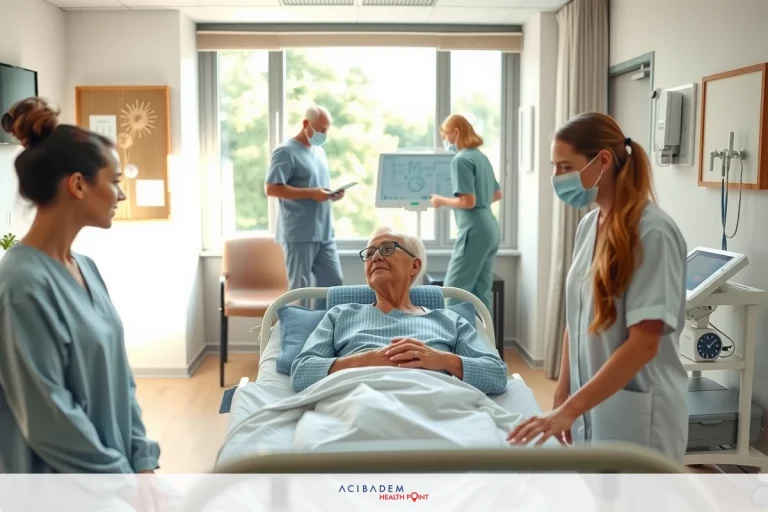
Lymphedema Clinic University of Michigan: Expert Care
Lymphedema Clinic University of Michigan: Expert Care Chronic swelling caused by lymphatic fluid buildup affects millions of Americans. This condition, often linked to cancer treatment, can significantly impact quality of life. Early intervention is crucial for better outcomes.
At a leading facility, patients receive specialized care tailored to their needs. The approach combines surgical and non-surgical options to manage symptoms effectively. A multidisciplinary team ensures comprehensive support throughout the treatment process.
With over 10 million Americans affected, understanding the condition is vital. It commonly occurs after procedures like lymph node removal. Proper care can help reduce swelling and improve daily functioning. Lymphedema Clinic University of Michigan: Expert Care
Choosing the right place for treatment makes a difference. Expert care focuses on both physical and emotional well-being. Patients benefit from advanced techniques and personalized plans designed to meet their unique needs.
Comprehensive Lymphedema Treatment at the University of Michigan
Personalized care is essential for addressing fluid buildup in the body. Specialized treatment plans are tailored to the stage of the condition and the unique needs of each patient. This approach ensures the best possible outcomes. Lymphedema Clinic University of Michigan: Expert Care
Certified occupational and physical therapists play a key role in this process. They are trained in advanced techniques like Complete Decongestive Therapy (CDT) and Manual Lymph Drainage (MLD). These methods help reduce swelling and improve mobility.
Holistic strategies are also a focus. These include skin care, education, exercise, and the use of compression garments. Patients receive guidance on managing their condition effectively in daily life.
For advanced cases, collaboration with plastic surgeons is available. This ensures that patients with complex needs receive the most appropriate care. Accessible locations in Ann Arbor and Canton make it easier for patients to get the help they need.
With a focus on both physical and emotional well-being, this health system provides comprehensive support. Patients benefit from advanced therapy options and a team dedicated to their long-term management.
Expertise in Lymphedema Care
Effective management of chronic swelling requires a skilled and experienced team. Certified lymphedema therapists (CLTs) work alongside plastic surgeons trained in microsurgery to provide comprehensive care. This collaboration ensures patients receive the most effective treatment for their condition.
Therapists and surgeons use evidence-based protocols refined over decades. These include techniques like limb reduction, scar management, and laser therapy. Coordinated care between the team helps achieve optimal outcomes for patients.
Specialized experience in post-cancer cases, including breast cancer, is a key focus. Therapists are trained in advanced methods such as low-stretch bandaging and custom compression garments. These tools help reduce swelling and improve mobility. Lymphedema Clinic University of Michigan: Expert Care
Patients benefit from personalized treatment plans tailored to their unique needs. The use of advanced techniques and a collaborative approach ensures long-term relief. This expertise makes a significant difference in managing chronic swelling effectively.
Non-Surgical Treatment Options
Managing chronic swelling effectively often involves non-surgical methods. These approaches focus on reducing fluid buildup, improving mobility, and enhancing skin health. Two widely used techniques are Complete Decongestive Therapy (CDT) and Manual Lymph Drainage (MLD).
Complete Decongestive Therapy (CDT)
CDT is a comprehensive approach that combines several methods to manage swelling. It includes Manual Lymph Drainage, compression therapy, exercise, and skin care. The process is divided into four phases: reduction, maintenance, risk-reduction education, and daily self-care routines.
During the reduction phase, therapists use compression bandaging to minimize fluid retention. Patients also learn exercises to improve circulation and reduce discomfort. The maintenance phase focuses on long-term strategies, including the use of compression garments and pumps.
Education is a key component of CDT. Patients receive guidance on preventing fluid buildup and maintaining skin health. This holistic approach ensures effective management of symptoms in daily life.
Manual Lymph Drainage (MLD)
MLD is a specialized massage technique designed to stimulate lymphatic flow. Therapists use gentle, rhythmic movements to redirect fluid away from swollen areas. Thi
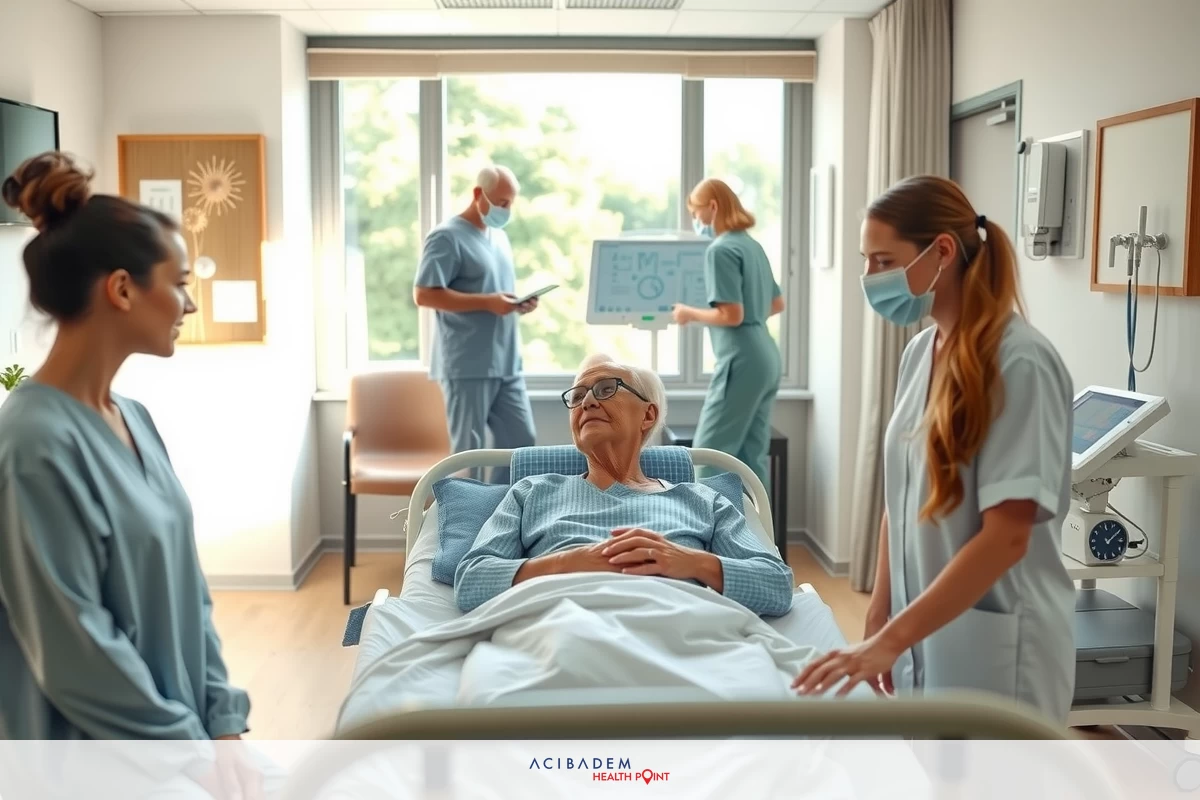
s method is particularly effective in early-stage cases.
After MLD sessions, short-stretch bandages are often applied to prevent fluid reaccumulation. This combination of techniques helps maintain the benefits of treatment over time. MLD is also used as part of CDT for more advanced cases.
Both CDT and MLD are tailored to the patient’s needs. Early-stage cases may prioritize MLD, while advanced cases often benefit from the comprehensive approach of CDT. These non-surgical options provide significant relief and improve quality of life.
Surgical Treatment Options
For patients with persistent swelling, surgical options can provide long-term relief. These procedures are typically considered when non-surgical treatments, such as therapy and compression, have not yielded the desired results after six months or more. Surgical interventions aim to improve lymphatic flow and reduce discomfort.
Lymphaticovenous Bypass (LVB)
Lymphaticovenous Bypass (LVB) is a microsurgical procedure that reroutes lymphatic vessels to nearby veins. This helps drain excess fluid and reduce swelling. The process is performed under general anesthesia and involves precise techniques using microscopy to connect the vessels.
Patients considering LVB must undergo imaging tests and collaborate with occupational therapists to ensure they are suitable candidates. Medical clearance is also required before proceeding. Most patients can expect to return home the same day, with a recovery period of two to four weeks.
Vascularized Lymph Node Transfer (VLNTx)
Vascularized Lymph Node Transfer (VLNTx) involves transplanting healthy lymph nodes from areas like the abdomen or groin to the affected region, such as the armpit. This procedure helps restore lymphatic function and reduce swelling in the targeted area.
Like LVB, VLNTx requires general anesthesia and thorough pre-operative evaluations, including imaging and medical assessments. Recovery typically takes two to four weeks, and patients are often discharged on the same day as the procedure. Lymphedema Clinic University of Michigan: Expert Care
Both LVB and VLNTx are outpatient procedures, making them convenient for patients. These surgical options are ideal for those who have not responded to other treatments and are looking for lasting solutions to manage their condition. Lymphedema Clinic University of Michigan: Expert Care
Our Team of Specialists
A dedicated team of specialists ensures personalized care for complex conditions. This multidisciplinary group includes surgeons, therapists, and rehabilitation psychologists. Together, they provide comprehensive services tailored to each patient’s unique needs.
Non-opioid pain management strategies are a key focus. Techniques like injections, acupuncture, and physical therapy help reduce discomfort without relying on medication. These methods are especially effective for patients seeking alternatives to traditional pain relief.
For those recovering from cancer, specialized programs address issues like shoulder mobility, gait problems, and fatigue. These rehabilitation plans are designed to improve daily functioning and enhance quality of life.
Advanced treatments, such as neurostimulation and ultrasound-guided injections, are available for complex cases. These innovative approaches target specific areas, providing relief where other methods may fall short.
Patient education is a cornerstone of long-term success. Our therapists empower individuals with the knowledge and tools needed for effective self-management. This focus on education ensures lasting results and improved independence.
Schedule Your Consultation Today
Taking the first step toward better health starts with a consultation. During your appointment, our team will review your medical history, conduct a physical exam, and work with you to set personalized goals. This ensures your care plan is tailored to your needs.
If surgery is recommended, pre-op steps like smoking cessation or medication adjustments may be required. Our surgeon will guide you through these preparations to ensure the best outcomes.
For therapy inquiries, call 734-936-7070. For surgical consultations, dial 734-998-6022. Telehealth options are also available for follow-ups or initial screenings, making it easier to get the care you need.
We coordinate with insurance providers and create personalized care plans to support your journey. Don’t hesitate to reach out with any questions—our team is here to help.


