





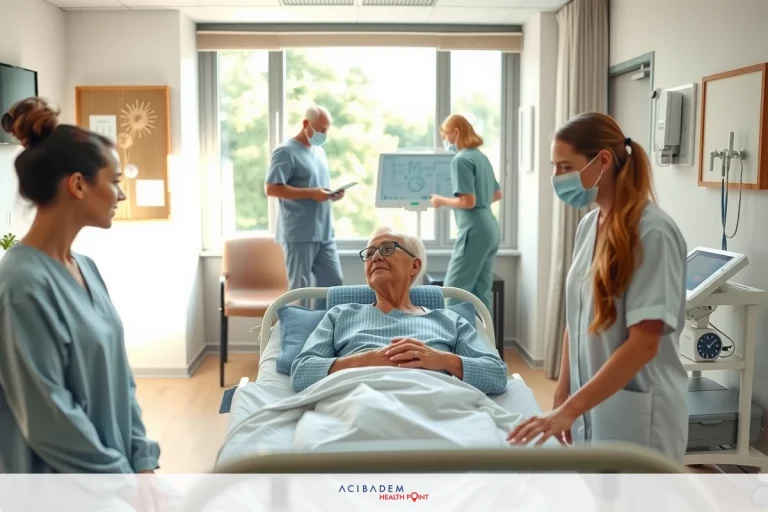
Lymphedema Clinic Stanford: Expert Care for Lymphedema
Lymphedema Clinic Stanford: Expert Care for Lymphedema Stanford’s specialized center is a national leader in managing lymphatic and venous disorders. Located in Palo Alto, CA, it serves patients from across the country. The clinic offers advanced care for both primary and secondary conditions, ensuring personalized treatment plans.
As part of Stanford Health Care, the Center for Lymphatic and Venous Disorders combines clinical expertise with cutting-edge research. This integration allows for innovative approaches to diagnosis and treatment. Patients benefit from a team of specialists dedicated to improving outcomes.
The clinic’s focus on pioneering research sets it apart. By staying at the forefront of medical advancements, it provides the most effective care available. Whether you’re seeking treatment or consultation, Stanford’s center is equipped to meet your needs. Lymphedema Clinic Stanford: Expert Care for Lymphedema
Comprehensive Lymphedema Treatment at Stanford
Addressing complex lymphatic disorders involves innovative surgical and non-surgical methods. For patients with advanced stages, personalized care is essential to manage symptoms and improve quality of life. Specialized teams focus on reducing swelling, restoring mobility, and preventing complications.
Advanced Stage Lymphedema Treatment
Stage 3 of this condition is marked by severe symptoms like leathery skin, fungal infections, and fluid buildup. These changes can significantly impact daily activities and mobility. Advanced treatment plans aim to reduce swelling and manage fibrous tissue accumulation effectively.
Lymphedema Clinic Stanford: Expert Care for Lymphedema Patients often require a combination of therapies, including compression garments and manual drainage techniques. These methods help control symptoms and prevent further progression. In some cases, surgical options like debulking or liposuction may be recommended.
Debulking and Liposuction Procedures
Debulking surgery is a specialized procedure that removes excess tissue while preserving healthy skin. Skin grafts may be used if necessary. This approach is ideal for patients with significant swelling and tissue changes.
Liposuction, on the other hand, is a less invasive outpatient procedure. It targets fatty deposits caused by chronic swelling. After the procedure, patients must wear compression garments to maintain results and prevent recurrence.
| Procedure | Invasiveness | Recovery Time | Scarring |
|---|---|---|---|
| Debulking | High | 4-6 weeks | Moderate |
| Liposuction | Low | 1-2 weeks | Minimal |
Both procedures aim to reduce swelling and improve mobility. However, they differ in invasiveness, recovery time, and scarring. Your specialist will help determine the best option based on your condition and goals.
Post-treatment care is crucial for long-term success. Compression therapy is often recommended as a lifelong preventive measure. In some cases, patients may also be eligible for lymph node transfer to further enhance results.
Realistic outcomes include size reduction and improved mobility. However, chronic management is often necessary to maintain progress. With the right care plan, patients can achieve better health and quality of life. Lymphedema Clinic Stanford: Expert Care for Lymphedema
Expert Care from Leading Professionals
Patients receive unparalleled care from a team of leading experts in lymphatic and vascular medicine. These professionals bring decades of experience and groundbreaking research to every treatment plan. Their dedication ensures that patients receive the most advanced and effective care available.
Meet Dr. Stanley Rockson and His Team
Dr. Stanley Rockson is a pioneer in the field, with over 20 years of research and clinical trials leadership. His work includes identifying the inflammatory mechanism of LTB4, a breakthrough in understanding vascular biology. This discovery has paved the way for innovative treatments that improve patient outcomes.
Dr. Rockson’s team includes vascular surgeons, physiotherapists, and mental health specialists. Together, they provide comprehensive care tailored to each patient’s needs. Their collaborative approach ensures that all aspects of a patient’s health are addressed.
Multidisciplinary Approach to Care
The center’s multidisciplinary teams work closely to deliver coordinated care. For example, post-cancer patients with secondary conditions benefit from a seamless integration of therapies. This approach reduces symptoms and enhances quality of life. Lymphedema Clinic Stanford: Expert Care for Lymphedema
Research plays a key role in their practice. The integration of ketoprofen into anti-inflammatory protocols is one example of their commitment to innovation. Additionally, the SPARK program accelerates translational discoveries, bringing cutting-edge treatments to patients faster.
- Vascular Surgeons: Specialize in advanced surgical techniques.
- Physiotherapists: Focus on restoring mobility and reducing swelling.
- Mental Health Specialists: Provide emotional support and coping strategies.
With a focus on collaboration and innovation, the team ensures that every patient receives the best possible care. Their expertise and dedication make them leaders in the field of vascular medicine.
State-of-the-Art Facilities and Technology
The Center for Lymphatic and Venous Disorders combines advanced technology with expert care. Located in Palo Alto, this center specializes in treating adult and pediatric conditions with a focus on multidisciplinary diagnostics. Patients benefit from cutting-edge tools and facilities designed to address complex health needs.
Center for Lymphatic and Venous Disorders
At the heart of Stanford Health Care, this center offers innovative solutions for a range of conditions. The team uses 3D imaging for precise lymphatic mapping and bioi
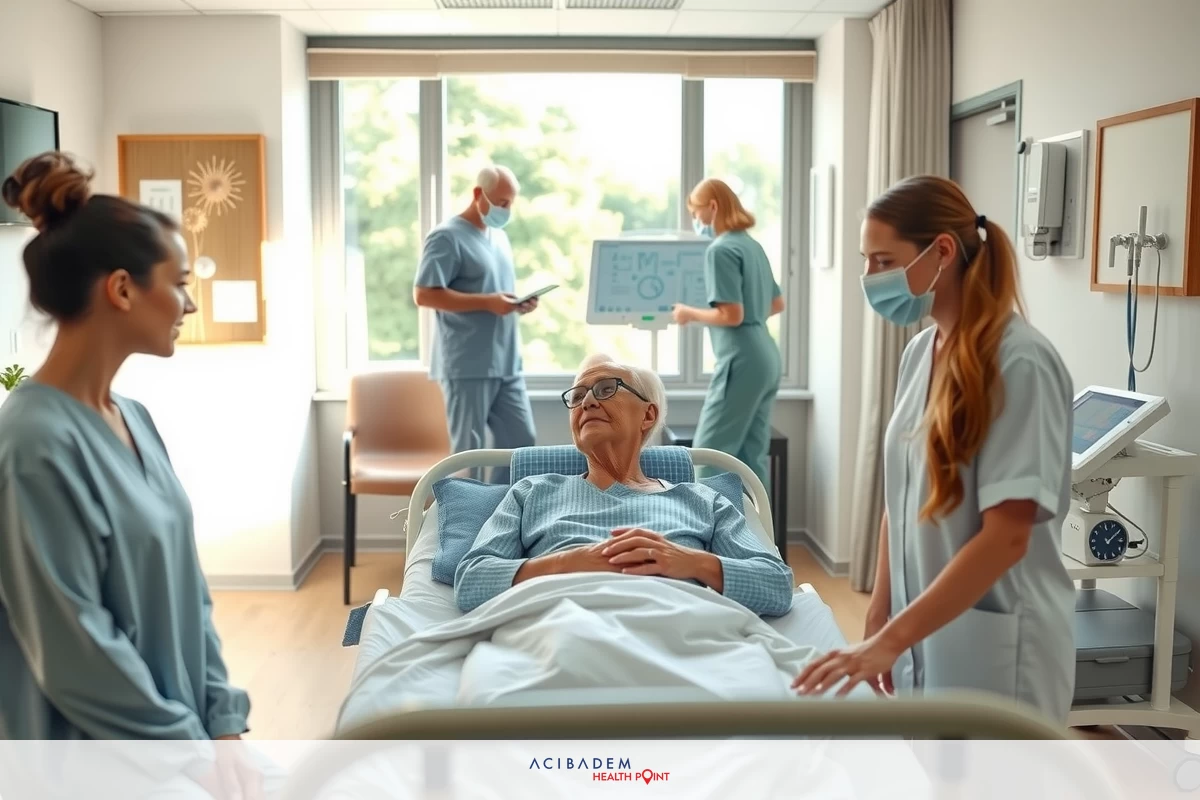
mpedance analysis for fluid tracking. These tools ensure accurate diagnoses and tailored treatment plans.
For patients with advanced stages, the center provides advanced wound care technologies. These are especially critical for those prone to infections. The pediatric wing is adapted to address congenital lymphatic disorders, ensuring specialized care for younger patients.
Innovative Diagnostic and Therapeutic Tools
The center integrates telehealth for post-operative monitoring, allowing patients to recover comfortably at home. Collaboration with VA Palo Alto focuses on veteran-specific studies, addressing unique needs within this population.
- 3D Imaging: Maps the lymphatic system with precision.
- Bioimpedance Analysis: Tracks fluid buildup for effective management.
- Advanced Wound Care: Reduces infection risks in severe cases.
- Pediatric Adaptations: Tailored solutions for congenital conditions.
- Telehealth Integration: Enhances post-operative care and monitoring.
With a focus on innovation and collaboration, the Center for Lymphatic and Venous Disorders sets a new standard in patient care. Its advanced tools and facilities ensure that every patient receives the best possible treatment.
Patient-Centered Care and Support
Every patient’s journey is unique, requiring tailored care and compassionate support. From diagnosis to long-term management, the focus is on empowering individuals and their families. This approach ensures better outcomes and improved quality of life.
Personalized Treatment Plans
Customized care plans are designed to meet each patient’s specific needs. For example, combining manual drainage with aquatic therapy has shown significant benefits for many individuals. These tailored strategies help manage symptoms effectively while addressing personal goals.
Tracey Campbell’s 7-year journey highlights the importance of individualized care. Her commitment to 24/7 compression use has been a key factor in managing her condition. Stories like hers inspire others to stay proactive in their treatment.
Support for Patients and Families
Navigating healthcare can be overwhelming, but comprehensive support systems are in place to help. Financial navigation services assist with help paying bills and billing insurance help. Pre-authorization specialists ensure patients can access the care they need without added stress.
The MyHealth portal offers a convenient way for patients to track appointments, message providers, and manage their health records. This tool enhances communication and keeps patients informed every step of the way.
- Peer Support Groups: Connect with others facing similar challenges for shared experiences and encouragement.
- Mental Health Resources: Access counseling and coping strategies to manage the emotional burden of chronic conditions.
- Caregiver Training Programs: Equip family members with the skills to assist with home-based compression therapy and other treatments.
Patient testimonials often highlight the emotional and psychological challenges of living with chronic conditions. Addressing these aspects is just as important as physical treatment. With the right support, patients and families can navigate their journey with confidence.
Cutting-Edge Research and Clinical Trials
Cutting-edge studies are paving the way for groundbreaking treatments in medicine. These efforts focus on understanding and addressing complex conditions through innovative research and clinical trials. By exploring new pathways, researchers aim to improve patient outcomes and transform care.
Ongoing Research in Treatment
One of the most promising studies is the ULTRA trial, which tests the effectiveness of bestatin in inhibiting LTB4. This molecule plays a key role in inflammation-driven tissue fibrosis, a common issue in many diseases. The trial’s phase 2 results show potential for reducing symptoms and improving quality of life.
Preclinical studies have already demonstrated success, with a 60% reduction in swelling observed in mouse models. This highlights the potential of targeting inflammatory pathways to reverse tissue damage. Researchers are also exploring a dual approach, combining pharmacological and surgical interventions for better results.
- LTB4’s Role: Drives inflammation and tissue fibrosis, making it a key target for treatment.
- ULTRA Trial Criteria: Open to post-cancer patients with secondary conditions.
- Future Directions: Collaborations with the University of Michigan on gene therapy.
Participating in Clinical Trials
Clinical trials offer patients access to the latest advancements in medicine. Trials currently enrolling, like the ULTRA study, provide opportunities to contribute to research while receiving cutting-edge care. Eligibility criteria ensure that participants are well-suited for the study, maximizing both safety and effectiveness.
For those interested, enrolling in a trial can be a proactive step toward managing their condition. It also helps researchers gather valuable data to refine treatments and develop new therapies. With ongoing studies and future collaborations, the potential for breakthroughs continues to grow.
Your Path to Better Health Starts Here
Taking the first step toward better health is easier than you think. Whether you’re seeking a get second opinion or exploring treatment options, we’re here to help. Our team offers both in-person and contact video visits for your convenience.
Lymphedema Clinic Stanford: Expert Care for Lymphedema For urgent cases, we provide same-week appointments to ensure timely care. Access resources like clinical trial applications, the MyHealth login portal, and visitor guides to make your journey seamless.
Join us in Palo Alto for our annual awareness symposium, a key event in our community outreach efforts. Our commitment to innovation and global leadership ensures you receive the best care possible.
Start your journey today and discover how we can support your health goals.


