





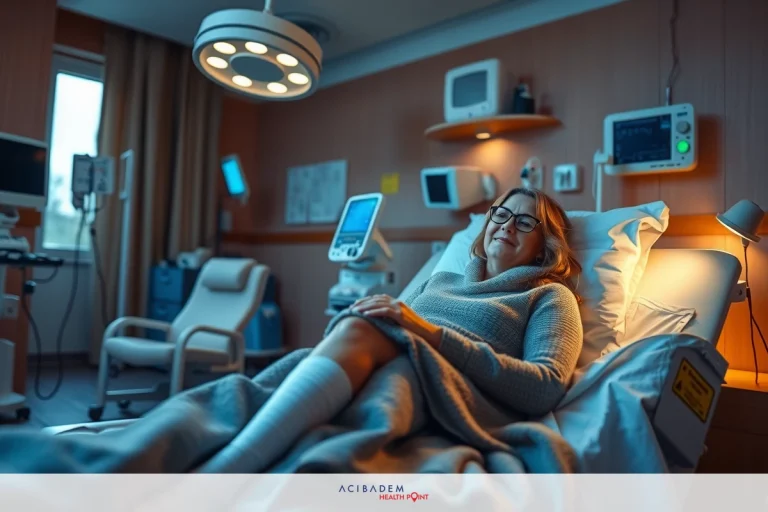
Lymphedema Can You Amputate for Relief?
Lymphedema Can You Amputate for Relief? Severe cases of lymphedema can lead to significant physical and emotional challenges. For some patients, amputation becomes a last-resort option to alleviate pain and improve quality of life.
Real-world case studies reveal diverse outcomes, from successful management to fatal complications. These examples highlight the importance of careful consideration before opting for surgery. Mental health also plays a critical role in treatment adherence and overall outcomes.
Key questions arise about surgical indications and the impact on daily life. Understanding the risks and benefits is essential for making informed decisions.
Whether dealing with a leg affected by this condition or exploring surgical options, this guide aims to offer valuable insights. Stay informed and prioritize your health when considering such a significant step.
Understanding Lymphedema: A Chronic Condition
The lymphatic system plays a vital role in maintaining fluid balance in tissues. When this system malfunctions, it leads to a chronic buildup of protein-rich fluid, causing swelling. This persistent issue is known as lymphedema, a condition that affects millions worldwide. Lymphedema Can You Amputate for Relief?
What is Lymphedema?
Lymphedema occurs when the lymphatic system fails to drain fluid properly. This results in swelling, often in the lower limb, and can progress to irreversible fibrosis if untreated. Early symptoms include mild swelling, but over time, the condition can lead to severe complications.
Primary vs. Secondary Lymphedema
Lymphedema Can You Amputate for Relief? Primary lymphedema is a rare congenital condition, affecting about 1 in 100,000 people. It stems from genetic abnormalities in the lymphatic system. Secondary lymphedema, on the other hand, is more common and often caused by cancer treatments like surgery or radiation.
Recurrent infections, skin changes, and mobility limitations are frequent complications. In developed nations, cancer-related cases dominate, highlighting the need for early intervention and proper management.
The Case of Severe Lymphedema: A Patient’s Journey
A 53-year-old patient faced a challenging battle with persistent leg swelling. His initial symptoms included bilateral leg swelling and ulceration, which were initially manageable. Over time, the condition worsened, leading to limb-threatening complications.
Initial Symptoms and Diagnosis
The patient’s journey began with noticeable swelling in both legs. He also experienced recurrent ulcerations, which were initially treated with compression garments. However, improper use of these garments in 2018 and 2021 exacerbated the condition. By the time he sought further medical help, the swelling had progressed significantly.
Progression of the Condition
Several factors contributed to the worsening of his condition. Mental health decline and COVID-19 isolation played a significant role. Missed appointments and errors in self-applying treatments further complicated his care. Over three years, the patient experienced multiple treatment failures, culminating in bilateral foot ischemia.
Critical turning points included repeated hospital visits and the eventual need for amputation. The timeline below summarizes the key events in his journey:
| Year | Event |
|---|---|
| 2018 | Initial misuse of compression garments |
| 2020 | Increased swelling and ulceration |
| 2021 | Second misuse of compression garments |
| 2022 | Diagnosis of bilateral foot ischemia |
| 2023 | Amputation required |
This case highlights the importance of proper treatment adherence and the impact of external factors like mental health and isolation. Understanding the progression of such conditions is crucial for improving patient outcomes.
Lymphedema Can You Amputate? Exploring the Possibility
In advanced stages, surgical intervention may become necessary to manage persistent complications. When traditional treatments fail to control swelling or prevent recurrent infections, amputation emerges as a potential solution. This decision is never taken lightly and involves a thorough evaluation of risks and benefits.
When Amputation Becomes an Option
Surgical treatment is typically considered in cases of severe vascular compromise or recurrent infections. For example, the Charles procedure, which involves toe removal, has been shown to reduce cellulitis recurrence by 60%. Early intervention can sometimes prevent the need for more extensive surgery later.
Delayed surgical treatment often leads to worse outcomes. Studies indicate that 88% of patients who avoid initial amputation eventually require toe removal. This highlights the importance of timely decision-making in advanced cases.
Factors Influencing the Decision
The decision to proceed with amputation involves a multidisciplinary approach. Surgeons, physical therapists, and mental health professionals collaborate to assess the patient’s condition. Key factors include the stage of the disease, the risk of infection, and the potential impact on mobility.
Lymphedema Can You Amputate for Relief? Survival statistics post-amputation are also considered. While the procedure can improve quality of life by reducing pain and infection, it may limit mobility. Balancing these trade-offs is crucial for ensuring the best possible outcome for the patient.
Treatment Options for Lymphedema
Effective management of chronic swelling involves a combination of therapies tailored to individual needs. These treatments aim to reduce fluid buildup, improve mobility, and enhance quality of life. Both non-surgical and surgical methods play a role in addressing this condition.
Manual Lymphatic Drainage and Compression Therapy
Manual lymphatic drainage is a specialized massage technique that encourages fluid movement in the lymphatic system. This therapy is often paired with compression garments to maintain results. Compression wraps, available in various pressure levels (20-30mmHg or 30-40mmHg), help prevent fluid re-accumulation.
Complete Decongestive Therapy (CDT) combines these methods with exercise and skin care. According to the International Society of Lymphology (2020), CDT is a cornerstone of non-surgical treatment. However, adherence to the maintenance phase can be challenging for many patients.
Surgical Interventions: Beyond Amputation
When non-surgical options are insufficient, advanced procedures may be considered. Vascularized lymph node transfers, for example, have shown a 73% reduction in tissue volume (Granzow, 2018). Other innovations include lymphovenous anastomosis and suction-assisted protein lipectomy.
These surgical methods aim to restore lymphatic function and reduce swelling. Success rates improve when combined with ongoing therapy and patient education. B

elow is a comparison of key surgical options:
| Procedure | Purpose | Success Rate |
|---|---|---|
| Lymphovenous Anastomosis | Redirects lymphatic fluid to veins | 65% |
| Suction-Assisted Protein Lipectomy | Removes excess tissue | 70% |
| Vascularized Lymph Node Transfer | Restores lymphatic drainage | 73% |
Combination therapies often yield the best outcomes. However, patients must commit to long-term care to maintain results. Regular monitoring and support are essential for sustained improvement.
The Role of Mental Health in Lymphedema Management
Lymphedema Can You Amputate for Relief? Mental health plays a critical role in managing chronic conditions, often influencing treatment outcomes. Emotional challenges like depression and anxiety can make it harder for patients to follow care plans. This bi-directional relationship highlights the need for integrated care approaches.
Impact of Emotional Well-Being on Treatment Adherence
Studies show a 40% increase in depression and anxiety among individuals with chronic swelling. These conditions can lead to self-neglect, making it difficult to use tools like compression garments correctly. Proper screening for mental health issues in clinical settings is essential to address these barriers.
During the COVID-19 pandemic, care gaps widened, with a 78% reduction in home visits. This isolation exacerbated mental health struggles, further complicating treatment adherence. Addressing these challenges requires a focus on both physical and emotional well-being.
Case Study: Isolation and Self-Neglect
One patient’s story illustrates the devastating effects of combined isolation and self-neglect. Struggling with chronic swelling and untreated depression, they missed critical appointments and failed to follow care instructions. This led to severe complications and a fatal outcome.
This case underscores the importance of mental health safeguards in treatment protocols. Regular screenings, accessible support systems, and patient education can help prevent such tragedies. By addressing emotional well-being, we can improve overall life quality for patients.
Challenges in Managing Lymphedema During the COVID-19 Pandemic
The COVID-19 pandemic brought unprecedented challenges to managing chronic conditions, particularly for those with severe swelling. Lockdowns and social distancing disrupted care routines, leaving many patients without essential support. This section explores how these disruptions impacted treatment and what lessons can be learned for future crises.
Social Isolation and Its Effects
Social isolation became a significant barrier to effective management of chronic swelling. With 33% of Scottish patients living alone pre-pandemic, the lack of in-person support worsened their conditions. Many missed critical appointments, leading to unchecked progression of symptoms.
Telehealth emerged as an alternative, but elderly patients often struggled with the technology. This lack of guidance further complicated their ability to follow care plans. The result was a 92% reduction in clinic adherence during lockdowns, highlighting the need for better remote care solutions.
Case Study: The Impact of COVID-19 on Treatment
One patient’s story illustrates the devastating effects of pandemic-related isolation. Over an 8-month period, they experienced rapid clinical deterioration due to canceled appointments and reduced monitoring. Without proper home care, their condition worsened, leading to severe complications.
This case underscores the importance of maintaining consistent care, even during crises. Long-term consequences of these treatment gaps include increased risk of infection and reduced quality of life. Addressing these challenges requires innovative solutions and better support systems for vulnerable patients.
Long-Term Outcomes and Quality of Life
Adapting to life after surgery can be both challenging and rewarding. For many patients, the journey involves significant physical and emotional adjustments. Understanding long-term outcomes is essential for setting realistic expectations and improving overall well-being.
Life After Surgery: Patient Stories
Patient experiences highlight the diverse outcomes of surgical procedures. One individual shared how losing part of their leg led to a 40% reduction in thigh volume, maintained over three years. This improvement allowed them to regain mobility and independence.
Another story emphasizes the importance of rehabilitation. With intensive post-op care, 83% of patients report high satisfaction rates. Mobility aids, such as prosthetics, play a crucial role in helping individuals adapt to their new circumstances.
- Functional outcomes vary based on the level of surgery, with above-knee procedures often requiring more extensive rehabilitation.
- Phantom limb pain is a common challenge, but effective management strategies, like mirror therapy, can make a significant difference.
- Multidisciplinary support programs, including physical therapy and counseling, enhance recovery and quality of life.
Improving Quality of Life with Comprehensive Care
Comprehensive care is key to achieving positive long-term outcomes. Combining surgical procedures with ongoing therapy ensures sustained improvements. For example, vascularized lymph node transfers have shown promising results in reducing swelling and enhancing mobility.
Cost-benefit analyses reveal that investing in intensive rehabilitation yields significant returns. Patients who engage in structured programs experience better functional outcomes and higher satisfaction rates. This holistic approach addresses both physical and emotional needs, fostering a better quality of life.
Ultimately, the goal is to empower patients to lead fulfilling lives despite their challenges. By focusing on comprehensive care and support, we can make a meaningful difference in their journey.
Lessons Learned: Moving Forward in Lymphedema Care
Moving forward, lessons from recent cases highlight critical improvements in care strategies. Integrating mental health screening protocols for compression therapy candidates ensures holistic management. This approach addresses emotional barriers that often hinder treatment adherence.
Hybrid care models, combining telehealth with in-person visits, offer flexibility and continuity. Such models are particularly effective for patients in remote areas or those facing mobility challenges. Social support networks also play a vital role in maintaining consistent care and improving outcomes.
Updated clinical guidance must address risks associated with isolation, especially in vulnerable populations. Early recognition of complications through patient education is equally essential. Providing accessible resources empowers individuals to take proactive steps in their care.
Lymphedema Can You Amputate for Relief? By implementing these strategies, we can enhance the overall quality of care. A comprehensive review of current practices ensures that evolving needs are met effectively. Together, these efforts pave the way for better patient outcomes and improved quality of life.


