






Lymphedema Calves: Signs, Symptoms, and Treatment Options
Lymphedema Calves: Signs, Symptoms, and Treatment Options When the lymphatic system doesn’t work properly, it can lead to fluid buildup in certain areas of the body. This condition, often affecting the legs, causes noticeable swelling and discomfort. Recognizing the signs early can make a big difference in managing it effectively.
Two main types of this condition exist: primary and secondary. Primary cases occur spontaneously, while secondary cases often result from other health issues or treatments, such as cancer therapies. Both types can lead to complications if not addressed promptly.
The primary goals of treatment are to reduce swelling, prevent infections, and improve overall quality of life. Non-surgical methods, like compression therapy, are often the first step. Early detection and intervention are key to better outcomes.
Understanding Lymphedema Calves
The body relies on the lymphatic system to manage waste and fluid levels. This network of vessels and nodes helps maintain balance by draining excess fluid from tissues. When this system is compromised, fluid can accumulate, leading to swelling in specific areas, such as the lower legs.
What is Lymphedema?
Lymphedema occurs when the lymphatic system is unable to function properly. This can be due to genetic conditions, known as primary lymphedema, or damage from surgery, trauma, or infections, referred to as secondary lymphedema. Both types result in fluid buildup, often causing discomfort and mobility issues.
How Lymphedema Affects the Calves
The calves are particularly vulnerable to fluid retention due to their anatomy. The lymph nodes and vessels in the lower extremities play a crucial role in draining fluid. When these pathways are blocked or damaged, protein-rich fluid accumulates between the skin layers, leading to swelling. Lymphedema Calves: Signs, Symptoms, and Treatment Options
- Primary Lymphedema: Conditions like Milroy’s disease (present from infancy) or Meige disease (appearing during puberty or pregnancy) can cause this type.
- Secondary Lymphedema: Often results from surgical procedures, radiation therapy, or injuries that damage the lymphatic vessels.
This fluid buildup can exert pressure on the skin, reducing its elasticity and making movement difficult. Early recognition and management are essential to prevent complications and improve quality of life.
Signs and Symptoms of Lymphedema Calves
Lymphedema Calves: Signs, Symptoms, and Treatment Options Recognizing the early signs of fluid retention can help prevent complications. Initial symptoms often include transient swelling and marks from socks or clothing. These subtle changes may seem minor but can indicate a deeper issue.
Early Warning Signs
One of the first detectable signs is pitting edema, where pressing the skin leaves a temporary indentation. Many people also notice a feeling of heaviness or tightness in the affected area. Asymmetrical swelling, where one leg appears larger than the other, is another common early indicator.
Progressive Symptoms
In advanced stages, the skin may develop a “brawny” texture, becoming thick and non-pitting. Temperature changes in the affected tissues, such as warmth or coolness, can also occur. Fluid leakage, known as weeping lymphorrhea, is a sign of severe progression.
- Restricted ankle movement due to tissue fibrosis.
- Recurrent cellulitis, a serious skin infection, becomes a significant risk.
- Hyperkeratosis and papillomatosis, causing rough and wart-like skin changes.
Early detection and management are essential to prevent these complications and improve quality of life.
Causes of Lymphedema in the Calves
Several factors can lead to fluid buildup in the lower extremities, each requiring specific attention. Understanding these causes is crucial for effective management and treatment. The condition can be categorized into primary and secondary forms, with various triggers contributing to its development.
Primary vs. Secondary Causes
Primary cases often result from genetic mutations, such as those affecting the FLT4/VEGFR3 genes. These mutations disrupt the lymphatic system’s function, leading to fluid retention. Secondary cases, on the other hand, are typically caused by external factors like surgery, cancer treatments, or trauma. For example, 30% of breast cancer survivors develop secondary fluid retention due to lymph node removal.
Common Triggers
Several triggers can worsen or initiate fluid buildup. Radiation therapy can cause fibrosis, blocking lymphatic pathways. Chronic venous insufficiency, where veins fail to return blood efficiently, often leads to mixed edema. Obesity exerts mechanical pressure on lymphatics, while infections from insect bites can damage vessels. Air travel, with its dehydration and immobility, can also exacerbate existing cases.
| Cause | Description |
|---|---|
| Surgery | Lymph node removal, especially in pelvic cancers, disrupts fluid drainage. |
| Cancer | Treatments like radiation therapy can damage lymphatic vessels. |
| Trauma | Injuries can impair the lymphatic system’s function. |
| Veins | Chronic venous insufficiency often contributes to fluid retention. |
| Filariasis | A tropical parasite infection that blocks lymphatic vessels. |
By identifying these causes and triggers, individuals and healthcare providers can better address the condition and improve outcomes.
Risk Factors for Developing Lymphedema Calves
Certain conditions and habits can significantly elevate the likelihood of developing fluid retention. Understanding these risk factors helps in taking proactive measures to reduce the chances of complications. Both medical history and lifestyle choices play a critical role in determining susceptibility.
Medical History and Surgery
Individuals with a history of surgery, particularly lymph node removal, face a higher risk. For example, pelvic cancer surgeries often disrupt lymphatic pathways, leading to fluid buildup. Chemotherapy agents, while effective against cancer, can cause weight gain, further increasing the likelihood of complications.
Repeated skin infections can overload the lymphatic system, making it less efficient. Hormonal changes during pregnancy also contribute to fluid retention, as the body retains more water. Additionally, comorbid conditions like diabetes can exacerbate the issue by impairing circulation and increasing pressure on lymphatic vessels.
Lifestyle Factors
Lifestyle choices significantly impact the risk of developing fluid retention. A sedentary work environment promotes inactivity, which hinders proper circulation. Tight clothing can act like a tourniquet, restricting lymphatic flow and increasing pressure in the lower extremities.
Obesity is another major factor, with a BMI over 30 increasing the risk by 40%. Air travel, characterized by dehydration and prolonged immobility, doubles the likelihood of acute episodes. Addressing these lifestyle factors can help mitigate the risk and improve overall health.
| Risk Factor | Impact |
|---|---|
| Surgery | Lymph node removal disrupts fluid drainage. |
| Weight | Obesity increases mechanical pressure on lymphatics. |
| Inactivity | Sedentary lifestyles hinder circulation. |
| Pressure | Tight clothing restricts lymphatic flow. |
| Air Travel | Dehydration and immobility double acute episodes. |
Diagnosing Lymphedema Calves
Lymphedema Calves: Signs, Symptoms, and Treatment Options Accurate diagnosis is the first step toward effective management of swelling in the legs. Persistent fluid retention often signals an underlying issue that requires attention. A healthcare provider can use a combination of clinical assessments and advanced diagnostic tests to pinpoint the cause and guide treatment.
When to Seek Medical Advice
If swelling in the legs lasts for more than three months, it’s time to consult a healthcare provider. Sudden asymmetry, fever, or skin discoloration are red flags that warrant immediate attention. Early intervention can prevent complications and improve outcomes.
Diagnostic Tests and Assessments
Healthcare providers use several methods to evaluate fluid retention. Bioimpedance spectroscopy is a non-invasive test that detects early changes in fluid levels. Stemmer’s sign, where the skin on the toes cannot be pinched, is a key indicator of advanced cases.
- Lymphoscintigraphy: This imaging test tracks the flow of lymphatic fluid to identify blockages.
- Circumferential Measurements: Regular measurements of the legs help monitor changes in swelling.
- Kaposi-Stemmer Test: Differentiates fluid retention from lipedema, a condition with similar symptoms.
- Doppler Ultrasound: Excludes deep vein thrombosis (DVT) as a potential cause.
- Indocyanine Green Fluorescence Lymphography: Visualizes lymphatic vessels in real-time.
| Test | Purpose |
|---|---|
| Bioimpedance Spectroscopy | Detects early fluid retention changes. |
| Lymphoscintigraphy | Identifies lymphatic blockages. |
| Doppler Ultrasound | Rules out DVT. |
| Indocyanine Green Lymphography | Visualizes lymphatic vessels. |
These diagnostic tools help healthcare providers create a tailored treatment plan. Early and accurate diagnosis is essential for managing swelling effectively and improving quality of life.
Treatment Options for Lymphedema Calves
Effective management of swelling in the legs involves a combination of therapies tailored to individual needs. These treatments aim to reduce fluid buildup, improve mobility, and enhance quality of life. Below are the most common and effective approaches.
Compression Therapy
Compression therapy is a cornerstone of treatment, helping to reduce swelling by applying pressure to the affected area. This method encourages fluid drainage and prevents further buildup. Two main types of compression garments are used:
- Flat-knit garments: Ideal for severe swelling, these provide firm, consistent pressure.
- Circular-knit garments: Suitable for mild to moderate swelling, offering flexibility and comfort.
Multi-layer bandaging is another technique, using short-stretch wraps to apply graduated pressure. This method is particularly effective during the initial phase of treatme
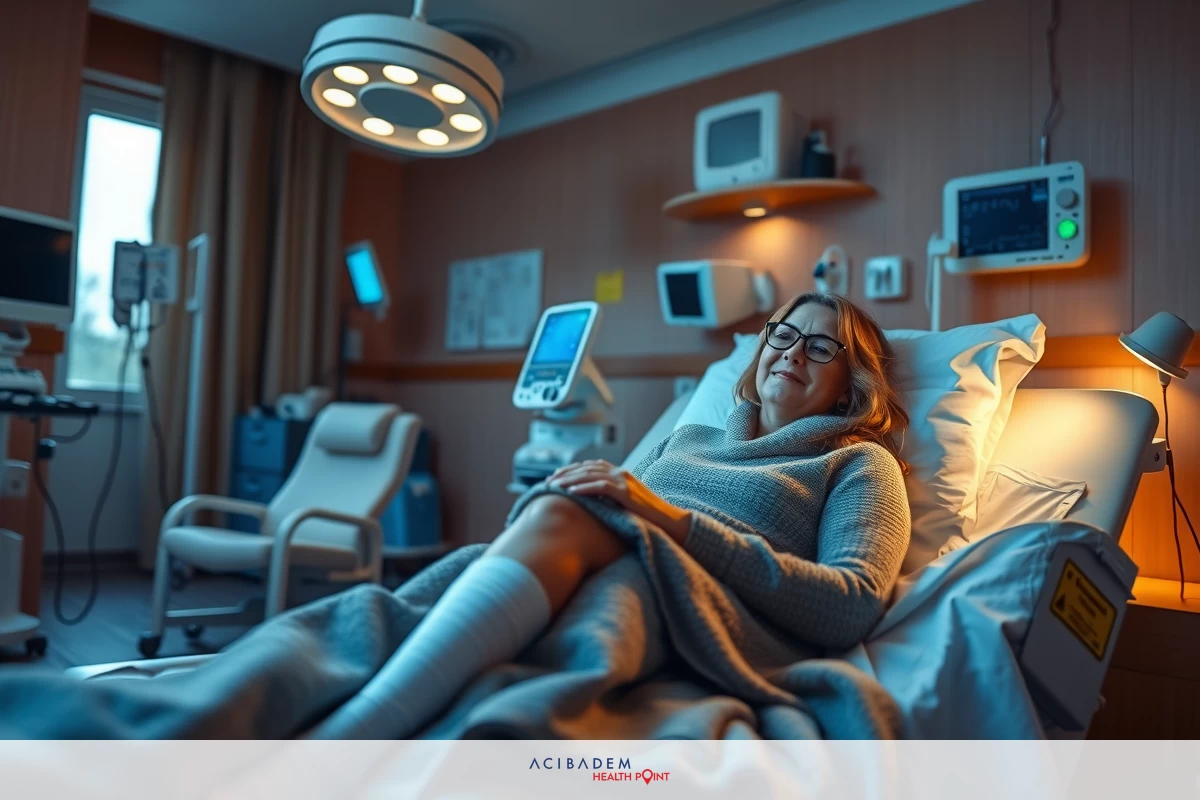
nt.
Manual Lymphatic Drainage
Manual lymphatic drainage (MLD) is a specialized massage technique that stimulates the lymphatic system. It involves gentle, rhythmic movements to direct fluid toward healthy lymph nodes. MLD can be performed by a therapist or learned for self-care. Regular sessions help reduce swelling and improve circulation.
Surgical Interventions
Lymphedema Calves: Signs, Symptoms, and Treatment Options For advanced cases, surgical interventions may be necessary. These procedures aim to restore lymphatic function or remove excess tissue. Common options include:
- Vascularized lymph node transfer: Transfers healthy lymph nodes to the affected area, with success rates up to 80%.
- Suction-assisted protein lipectomy (SAPL): Removes excess fat and protein-rich fluid to reduce swelling.
Other techniques, like kinesio taping, provide daytime support and enhance mobility. However, certain methods, such as pneumatic compression, may have contraindications and should be used with caution.
Managing Swelling and Discomfort
Simple lifestyle adjustments can significantly reduce swelling and improve comfort. By incorporating effective daily care practices and targeted movements, you can manage symptoms more efficiently. Consistency is key to achieving long-term relief.
Daily Care Tips
Establishing a routine for skin care and fluid management is essential. Start with morning and evening rituals to keep the affected area clean and moisturized. Use gentle, fragrance-free products to avoid irritation.
- Elevate your legs at a 45-degree angle for 30 minutes daily to reduce swelling by up to 18%.
- Choose moisture-wicking fabrics to keep the area dry and comfortable.
- Learn self-bandaging techniques to apply consistent pressure and improve fluid drainage.
- Consider vibration therapy devices for home use to stimulate circulation.
Elevation and Movement
Proper elevation and regular movement are powerful tools for managing swelling. Elevating your legs above heart level helps reduce fluid buildup, while simple exercises like ankle pumps can increase blood flow by 200%.
- Perform seated calf pump exercises to encourage fluid movement.
- Customize travel kits with foldable footrests for on-the-go elevation.
- Incorporate light exercise, such as walking or swimming, into your routine to promote circulation.
By combining these strategies, you can effectively manage swelling and discomfort, improving your overall quality of life.
Preventing Complications from Lymphedema Calves
Proper care and preventive measures can significantly reduce complications associated with swelling. By focusing on skin care and hygiene, you can minimize risks and improve overall health. Early attention to these areas helps avoid serious issues like infections and cellulitis.
Skin Care and Hygiene
Maintaining healthy skin is essential for preventing complications. Use pH-balanced cleansers, which have been shown to reduce infections by up to 60%. Keep the skin moisturized and clean to avoid irritation and breakdown.
- Apply antifungal powders to web spaces to prevent fungal growth.
- Use angled clippers for proper nail care to avoid cuts and ingrown nails.
- Consider silicone-based products for scar management to improve skin elasticity.
Avoiding Infections
Infections can worsen swelling and lead to serious complications. Prophylactic penicillin can cut cellulitis recurrence by 50%. Always follow emergency antibiotic protocols if signs of infection appear.
- Use biofilm-disrupting wound cleansers to prevent bacterial buildup.
- Create strategies to avoid insect bites, which can introduce bacteria.
- Recognize warning signs of sepsis, such as fever or rapid heartbeat, and seek immediate medical attention.
By incorporating these practices into your daily routine, you can effectively manage swelling and reduce the risk of complications. Consistent care and attention to hygiene are key to maintaining overall health.
Exercise and Physical Activity for Lymphedema Calves
Incorporating physical activity into your routine can help manage swelling effectively. Regular exercise improves circulation and reduces fluid buildup, making it a key part of symptom management. However, it’s important to choose activities that are safe and avoid those that could worsen the condition.
Safe Exercises to Reduce Swelling
Certain exercises are particularly effective in reducing swelling. Aquatic therapy, for example, reduces limb volume 22% more than land-based activities. The water’s buoyancy minimizes pressure on the legs while encouraging movement.
- Chart heart rate zones to ensure aerobic benefit without overexertion.
- Use resistance bands for gentle strength training to improve muscle tone.
- Practice ankle pumps and seated calf raises to promote fluid drainage.
- Incorporate light walking or swimming into your routine for overall circulation.
Post-activity cooling techniques, like elevating your legs, can further enhance results. Always schedule exercise sessions to align with compression therapy for maximum effectiveness.
Activities to Avoid
While staying active is important, some activities can increase pressure or worsen swelling. Avoid hot yoga, which can cause fluid retention due to high temperatures. Long periods of static standing should also be minimized, as they hinder circulation.
- Steer clear of deep tissue massage, which can damage lymphatic vessels.
- Avoid high-impact exercises like running or jumping, which strain the legs.
- Modify gym equipment to reduce strain, such as using seated machines.
- Skip yoga poses that involve prolonged inversion or excessive leg pressure.
By focusing on safe exercises and avoiding harmful activities, you can effectively manage swelling and improve your quality of life.
Diet and Lifestyle Changes for Lymphedema Management
Making thoughtful changes to your daily habits can significantly improve your health. A balanced diet and active lifestyle play a crucial role in managing symptoms and enhancing overall well-being. By focusing on key areas like weight management and hydration, you can reduce discomfort and improve your quality of life.
Healthy Eating Habits
Your diet directly impacts fluid retention and swelling. Reducing salt intake to less than 2 grams per day can improve the effectiveness of compression therapy. Incorporate anti-inflammatory foods like leafy greens, berries, and fatty fish into your meals.
Natural diuretics, such as cucumber and watermelon, can help manage fluid levels. Avoid processed foods high in hidden sodium, and read labels carefully. Staying well-hydrated is equally important, as proper hydration supports lymphatic function.
Weight Management
Maintaining a healthy weight is essential for reducing swelling. Studies show that a 5% reduction in body weight can decrease swelling episodes by 35%. Focus on portion control and choose nutrient-dense foods to support weight management.
Regular physical activity, combined with a balanced diet, can help you achieve and maintain a healthy weight. Avoid alcohol, as it can lead to dehydration and worsen symptoms. Work with a nutritionist or therapist to create a personalized plan that fits your needs.
Long-Term Care and Living with Lymphedema Calves
Living with chronic swelling requires a proactive approach to maintain quality of life. Building a strong support network can make a significant difference. Studies show that 73% of patients adapt better when they connect with peers facing similar challenges.
Custom footwear is essential for preventing complications like ulceration. Regularly monitoring your condition with a 5-year schedule helps track progress and adjust care plans. Accredited centers offer specialized treatments and guidance tailored to your needs.
Practical strategies, such as documenting insurance details and creating workplace accommodation letters, ensure smoother daily living. Mapping nearby emergency care facilities provides peace of mind during unexpected situations.
Lymphedema Calves: Signs, Symptoms, and Treatment Options Psychological coping mechanisms, like mindfulness or therapy, can help manage stress. Updating advance care planning ensures your preferences are respected. By focusing on these aspects, you can improve your long-term care and overall well-being.


