





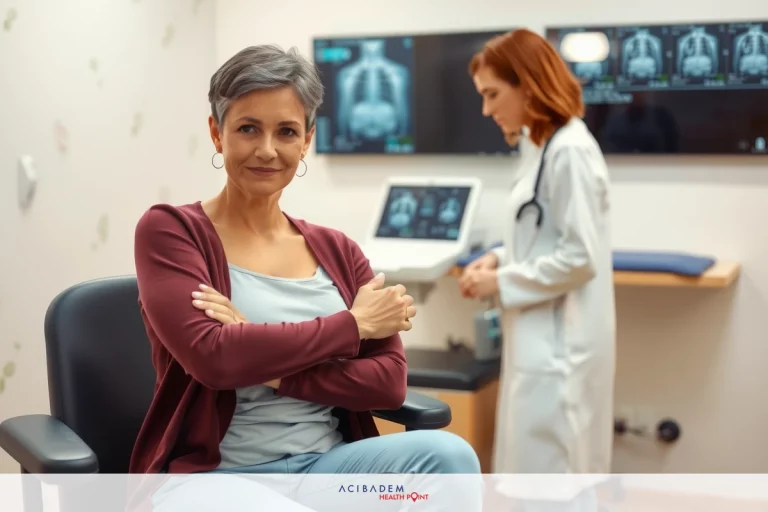
Lymphedema Bypass: A Surgical Solution for Lymphedema
Lymphedema Bypass: A Surgical Solution for Lymphedema Chronic swelling caused by damage to the lymphatic system can significantly impact daily life. This condition often arises after treatments like breast cancer surgery, where lymph nodes are affected. When the lymphatic system fails to drain lymphatic fluid properly, it leads to discomfort and reduced mobility.
Fortunately, advanced surgical techniques offer hope. Procedures like lymphovenous bypass and lymph node transfer create alternative pathways for fluid drainage. These methods use microsurgery to restore function and alleviate symptoms.
For example, one patient regained the ability to garden and perform daily tasks after undergoing surgery. This highlights the potential for improved quality of life and long-term symptom management. These procedures are transforming lives by addressing the root cause of chronic swelling. Lymphedema Bypass: A Surgical Solution for Lymphedema
Understanding Lymphedema and Its Impact
Impaired lymphatic drainage often leads to chronic swelling and discomfort. This condition, known as lymphedema, occurs when the lymphatic system fails to function properly. It can affect various parts of the body, including the arms and legs, making daily tasks challenging.
What is Lymphedema?
Lymphedema is a chronic condition caused by the buildup of lymph fluid due to a damaged or blocked lymphatic system. This fluid buildup results in swelling, often in the arms or legs. It can develop after surgeries like mastectomy or treatments such as radiation therapy.
Common Causes of Lymphedema
Several factors can lead to this condition. Primary causes include cancer treatments like breast cancer surgery or lymph node removal. Secondary triggers may involve infections, obesity, or congenital issues. Trauma to lymph nodes or vessels can also contribute to the problem.
How Lymphedema Affects Daily Life
Living with this condition can be physically and emotionally taxing. Swelling can make it hard to wear clothes or move the affected limb. Recurrent infections and pain are common. Many people also face social stigma, anxiety, and depression due to visible symptoms.
| Aspect | Impact |
|---|---|
| Physical | Difficulty wearing clothes, reduced mobility, recurrent infections |
| Emotional | Social stigma, anxiety, depression |
What is Lymphedema Bypass Surgery?
Modern techniques are transforming the way fluid drainage issues are addressed. Surgical solutions like lymphovenous bypass and lymph node transfer offer hope for those struggling with chronic swelling. These procedures aim to restore proper lymphatic function and improve quality of life.
The Science Behind Lymphedema Bypass
This advanced procedure involves connecting blocked lymphatic vessels to nearby veins. Using microsurgical tools, surgeons create new pathways for lymphatic fluid to drain. This helps reduce swelling and prevents further complications. Pre-surgery imaging, such as indocyanine green dye, is often used to map the lymphatic system.
Types of Lymphedema Bypass Procedures
Lymphedema Bypass: A Surgical Solution for Lymphedema There are two main types of procedures. The first, lymphovenous bypass, reroutes fluid through microsurgical connections between lymphatics and veins. The second, lymph node transfer, involves transplanting healthy nodes to damaged areas to regenerate drainage. Both methods are performed as outpatient procedures, typically lasting 2-6 hours.
Who is a Candidate for Lymphedema Bypass?
Ideal candidates include patients with early-stage swelling, functional veins, and no active infections. Those with advanced fibrosis or venous insufficiency may not be suitable. A thorough evaluation by surgeons is essential to determine eligibility and minimize risk.
| Criteria | Details |
|---|---|
| Early-Stage Swelling | Best results are seen in patients with mild to moderate symptoms. |
| Functional Veins | Healthy veins are required for successful fluid redirection. |
| No Active Infections | Infections can complicate recovery and reduce effectiveness. |
| Contraindications | Advanced fibrosis or venous insufficiency may disqualify candidates. |
The Benefits of Lymphedema Bypass
Patients with chronic swelling often find relief through advanced surgical solutions. These procedures not only address the physical symptoms but also improve overall well-being. By restoring proper fluid drainage, they help individuals regain their independence and enjoy a better quality of life.
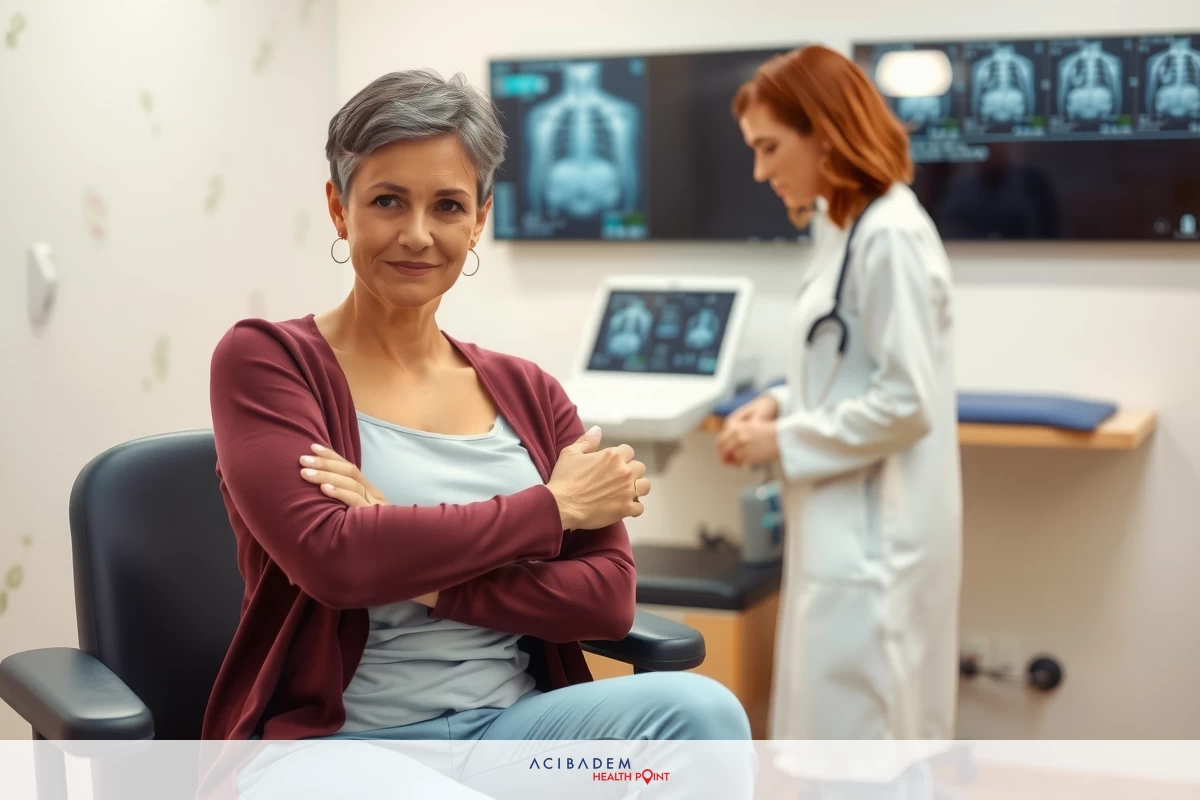
Reduction in Swelling and Pain
One of the most immediate benefits is a significant reduction in swelling. Studies show an average decrease of 42% within months, with continued improvement over a year. This reduction also alleviates pain, making it easier for patients to engage in daily activities.
For example, many report being able to exercise or participate in hobbies like gardening. This physical relief often leads to a positive emotional impact, reducing stress and anxiety.
Improved Mobility and Quality of Life
With less swelling and pain, patients experience enhanced mobility. This improvement allows them to perform tasks they once found challenging. Many also reduce their reliance on compression garments, which can be cumbersome and uncomfortable.
Restored mobility often translates to a more active lifestyle. Patients can enjoy social activities, sports, and other physical pursuits, leading to a more fulfilling life.
Long-Term Results and Patient Satisfaction
Long-term studies highlight the sustained benefits of these procedures. Patients report lower risks of infections like cellulitis and reduced dependency on manual drainage or compression therapy. These outcomes contribute to high satisfaction rates.
Many individuals express gratitude for the restored independence and emotional well-being. The ability to live without constant discomfort is a life-changing result.
| Benefit | Impact |
|---|---|
| Reduced Swelling | 42% average decrease, improved comfort |
| Pain Relief | Enhanced ability to engage in daily activities |
| Improved Mobility | Greater independence, reduced reliance on compression garments |
| Long-Term Results | Lower infection risks, sustained satisfaction |
What to Expect During and After Surgery
Preparing for and recovering from surgery involves several important steps to ensure the best outcomes. Understanding the process can help patients feel more confident and prepared for their journey toward relief. Lymphedema Bypass: A Surgical Solution for Lymphedema
Pre-Surgical Preparation
Lymphedema Bypass: A Surgical Solution for Lymphedema Before the procedure, patients will need to follow specific guidelines. This includes stopping blood thinners seven days prior and using an antiseptic wash to reduce the risk of infection. Additional steps may include lymphedema therapy to reduce swelling and pre-operative tests like bloodwork and cardiac clearance.
The Surgical Procedure Explained
On the day of surgery, a green dye is injected to visualize the lymphatic vessels. Surgeons make 1-5 small incisions to access the affected area. Using microsurgical techniques, they create new pathways for fluid drainage. The entire procedure typically lasts between 2-6 hours and is performed as an outpatient surgery. Lymphedema Bypass: A Surgical Solution for Lymphedema
Post-Surgical Recovery and Care
After surgery, patients may experience mild discomfort, which can be managed with over-the-counter painkillers. Stitches usually dissolve within two weeks. To aid recovery, it’s important to elevate the affected arm or limb and avoid heavy lifting for 4-6 weeks. Regular follow-up scans and appointments are essential to monitor progress and ensure proper healing.
While complications are rare, patients should be aware of potential risks such as minimal scarring, infection, or anastomosis failure. Following post-op care instructions diligently can help minimize these risks and promote a smooth recovery.
Taking the Next Step Toward Relief
Taking proactive steps toward managing chronic swelling can lead to significant improvements in quality of life. Early intervention is key, especially for those in the initial stages lymphedema. Consulting a specialist promptly can improve surgical outcomes and ensure the best possible results.
Before proceeding, verify insurance coverage for advanced procedures like lymph node transfer. Academic medical centers often offer specialized care, making them a great resource for treatment. Prepare a list of questions for your surgeons, including success rates, complication history, and recovery timelines.
Complementary therapies, such as post-op massage and exercise, can enhance recovery. Skincare routines also play a vital role in maintaining results. For ongoing support, explore clinical trials and support groups dedicated to cancer and lymphatic health. Taking these steps can empower you to regain control and improve your well-being.


