






Lymphedema Awareness Month: Raising Awareness and Support
Lymphedema Awareness Month: Raising Awareness and Support March marks a significant time for the global community as it is recognized as Lymphedema Awareness Month. This period is dedicated to shedding light on a condition that affects millions worldwide. On March 6, World Lymphedema Day brings together patients, healthcare professionals, and advocacy groups to amplify their voices and foster collaboration.
Lymphedema Awareness Month: Raising Awareness and Support In the United States alone, over 10 million individuals live with this condition, while globally, the number surpasses 250 million. These staggering figures highlight the need for increased education and support. Healthcare providers and advocacy groups play a crucial role in offering both resources and emotional care to those affected.
This month also emphasizes the connection between lymphatic diseases and broader health issues, such as heart disease and diabetes. Through webinars, articles, and community events, the focus remains on educating the public and providing meaningful support to patients and their families.
What is Lymphedema Awareness Month?
Every March, communities unite to spotlight a condition affecting over 250 million people worldwide. This month is dedicated to fostering understanding, providing resources, and advocating for those impacted. It’s a time when individuals, healthcare professionals, and organizations come together to make a difference.
The Significance of March and World Lymphedema Day
March 6, known as World Lymphedema Day, is a focal point for global campaigns and legislative advocacy. This day amplifies the voices of patients and highlights the need for better access to care. Events like virtual roundtables and patient interviews provide a platform for sharing stories and spreading education.
How the Community Comes Together to Spread Awareness
Grassroots initiatives play a key role in raising awareness. Communities organize virtual events, such as webinars and story-sharing platforms, to connect individuals and provide valuable information. These efforts focus on high-risk populations, including cancer survivors and those in regions affected by Lymphatic Filariasis.
Educational content is a cornerstone of these initiatives. It helps debunk myths, such as the misconception that edema and lymphedema are the same. Free resources, like archived webinars on topics such as pelvic floor dynamics and pediatric care, empower patients and their families.
- March 6 serves as a global rallying point for advocacy and education.
- Virtual roundtables hosted by patients and therapists foster community support.
- Educational materials address myths and provide actionable insights.
- Free resources, including webinars, are available to the public.
Understanding Lymphedema: Causes and Symptoms
Understanding the causes and symptoms of this condition is crucial for effective management. It occurs when the lymphatic system fails to function properly, leading to fluid buildup and swelling. This can affect various parts of the body, often causing discomfort and mobility issues. Lymphedema Awareness Month: Raising Awareness and Support
What is Lymphedema and How Does It Affect the Body?
Lymphedema happens when the lymph system is damaged or blocked, preventing proper drainage. This results in swelling, usually in the arms or legs. Over time, untreated cases can lead to skin changes and infections.
Common Causes and Risk Factors, Including Cancer Treatment
There are two main types: primary and secondary. Primary lymphedema is genetic and rare. Secondary lymphedema is more common and often caused by surgery, radiation, or trauma. For example, breast cancer treatment can damage lymph nodes, increasing the risk of arm swelling.
Recognizing the Symptoms and Stages of Lymphedema
Symptoms vary by stage. In Stage 1, swelling is mild and reversible. By Stage 4, it can cause irreversible tissue damage, resembling elephantiasis. Early diagnosis is key to preventing progression.
It’s important to note that lymphedema differs from lipedema, a condition involving abnormal fat-cell accumulation. Lipedema doesn’t respond to diet or exercise, while lymphedema focuses on fluid retention.
The Impact of Lymphedema on Patients’ Lives
Living with this condition can significantly alter a patient’s quality of life. Beyond the physical symptoms, it brings emotional and practical challenges that affect daily routines. Understanding these struggles is essential to providing better care and support.
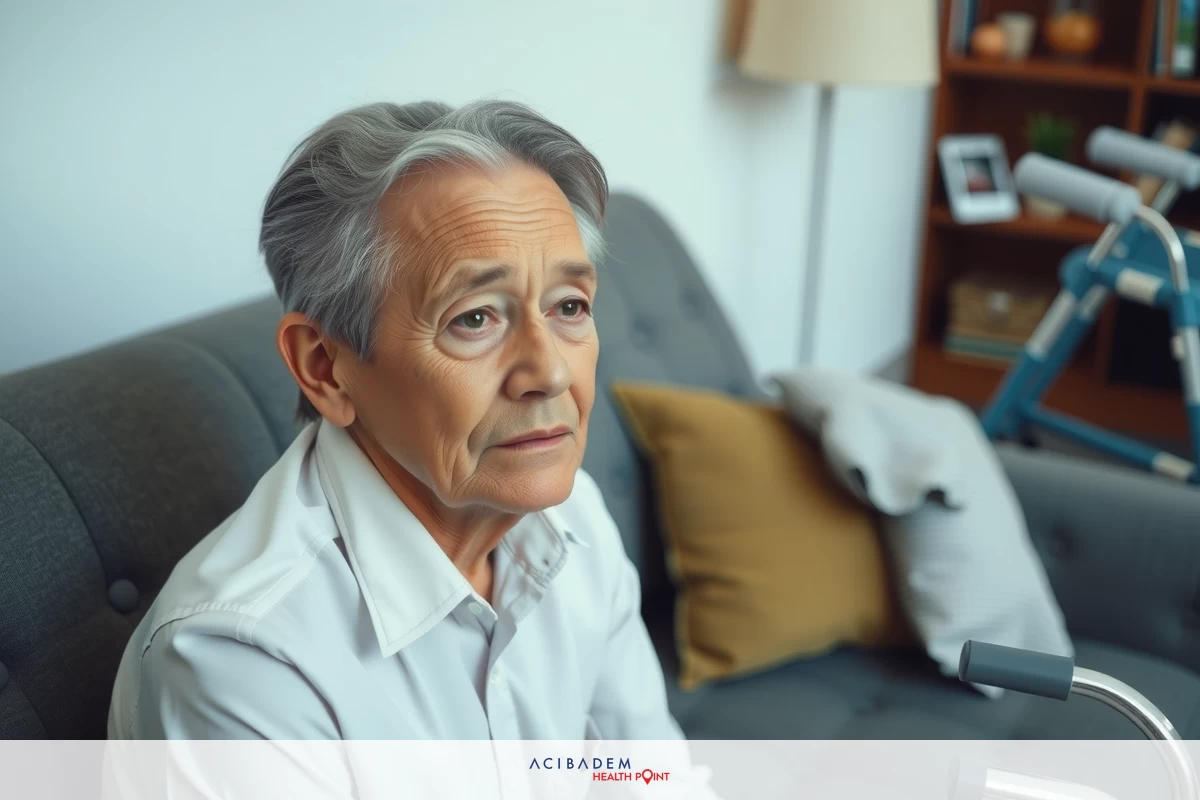
Physical and Emotional Challenges Faced by Patients
Patients often deal with swelling and fibrosis, which limit movement and complicate treatment. Fibrosis, or tissue hardening, can make even simple tasks difficult. Additionally, conditions like MCAS (mast cell activation syndrome) can trigger allergic reactions, further impacting skin health.
Lymphedema Awareness Month: Raising Awareness and Support The emotional toll is equally significant. Visible swelling can lead to social stigma, affecting mental health. Many patients report feelings of isolation or anxiety, highlighting the need for comprehensive support systems.
How Lymphedema Affects Daily Life and Mobility
Lymphedema Awareness Month: Raising Awareness and Support Daily life becomes a challenge for many patients. Mobility issues, caused by limb swelling, make walking or standing painful. Simple activities like dressing or cooking can require extra effort.
Traveling adds another layer of difficulty. Patients must plan for compression garment logistics, which can be time-consuming and stressful. Clothing limitations also pose practical struggles, as finding comfortable and functional attire can be a constant battle.
The Importance of Early Diagnosis and Treatment
Early diagnosis is crucial to preventing the progression of this condition. Without timely intervention, symptoms can worsen, leading to irreversible damage. Regular therapy and exercise can help manage symptoms and improve quality of life.
Healthcare providers play a vital role in educating patients about their options. Access to proper care and resources can make a significant difference in managing the physical and emotional challenges of this condition. Lymphedema Awareness Month: Raising Awareness and Support
How You Can Support Lymphedema Awareness Month
Supporting those affected by this condition starts with small, meaningful actions. You can join awareness walks or share stories on social media using #LymphedemaAwareness. These efforts help spread education and foster a sense of community.
Advocating for better access to treatment is another impactful step. Urge policymakers to expand insurance coverage for essential therapies like compression garments and lymphatic drainage. Donations to research for rare forms of the condition also make a difference.
Consider organizing DIY fundraisers, such as virtual 5Ks, to raise funds and awareness. Volunteering with organizations fighting lymphatic diseases is another way to contribute. Together, these actions can improve treatment options and support for those in need.


