





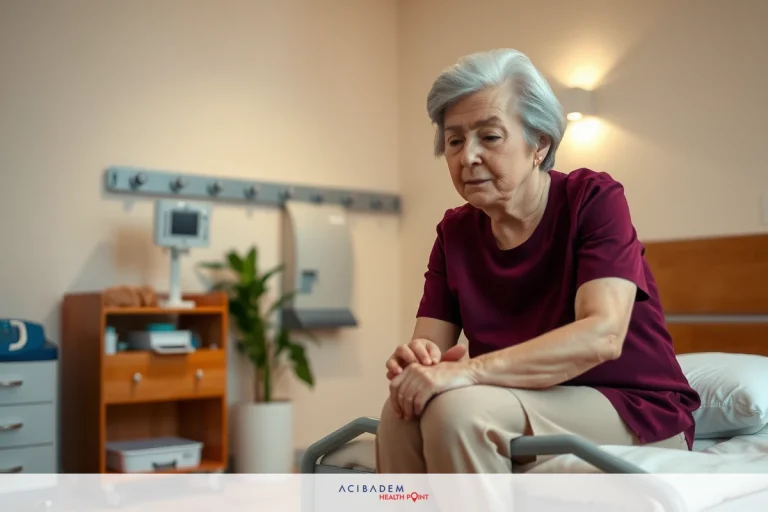
Lymphedema Ankle Compression: Effective Management Techniques
Lymphedema Ankle Compression: Effective Management Techniques Managing fluid retention in the lower extremities can be challenging, but proper techniques make a significant difference. Compression therapy is a cornerstone of effective care, helping to reduce swelling and improve mobility. This approach is especially vital for those dealing with chronic conditions.
Whether you’re new to this treatment or looking to refine your routine, this guide offers valuable insights. Stay tuned to discover how to manage symptoms effectively and regain comfort in your daily activities.
Understanding Lymphedema and Its Impact on the Ankles
Chronic fluid retention in the legs and feet can disrupt daily life and mobility. This condition, often linked to lymphatic system damage, leads to persistent swelling. Understanding its progression and effects is crucial for effective management.
What is Lymphedema?
Lymphedema is a chronic condition caused by damage to the lymphatic system. This system helps remove excess fluid from tissues. When it fails, fluid builds up, leading to swelling, particularly in the legs and feet.
Over time, mild swelling can progress to more severe stages. Early signs include pitting edema, where pressing the skin leaves a temporary indentation. Without treatment, this can develop into fibrotic tissue, causing long-term issues.
How Lymphedema Affects the Ankles
Swelling in the lower body often starts in the feet and ankles. Gravity plays a significant role, pulling fluid downward. This makes the ankles a common area for fluid accumulation.
Untreated swelling can lead to complications like skin changes, infections, and reduced mobility. A key diagnostic tool is the “Stemmer Sign,” where the skin on the toes cannot be pinched. This indicates lower extremity involvement.
| Risk Factor | Description |
|---|---|
| Skin Changes | Thickening, discoloration, or hardening of the skin. |
| Infections | Increased risk of cellulitis or other skin infections. |
| Mobility Issues | Difficulty walking or performing daily activities. |
For patients, early intervention is key. Recognizing symptoms and seeking treatment can prevent complications and improve quality of life.
The Importance of Compression in Lymphedema Management
Effective management of fluid retention requires targeted strategies. One of the most effective methods is the use of graduated compression. This approach helps direct fluid toward the lymph nodes, reducing swelling and improving overall comfort.
How Compression Helps Reduce Swelling
Graduated compression works by applying pressure that decreases as it moves upward. This encourages fluid to flow away from the affected area. A pressure range of 20-30mmHg is ideal for optimizing venous return without restricting blood flow.
Studies show that consistent use of compression can reduce fluid volume by 40-60%. This not only alleviates swelling but also prevents the progression of tissue fibrosis. Early intervention with compression can lead to better long-term results.
Benefits of Compression for Patients
Compression offers multiple advantages for those managing chronic swelling. It reduces the risk of infections, improves the fit of footwear, and enhances walking ability. These benefits contribute to a better quality of life.
| Benefit | Description |
|---|---|
| Reduced Infection Risk | Compression minimizes skin breakdown and lowers the chance of infections. |
| Improved Footwear Fit | Less swelling allows for more comfortable and properly fitting shoes. |
| Enhanced Mobility | Reduced swelling improves walking ability and overall movement. |
By incorporating compression into daily routines, patients can achieve significant improvements in their condition. This therapy provides essential support for managing chronic swelling effectively.
Types of Lymphedema Ankle Compression Solutions
Finding the right tools to manage swelling can transform daily comfort and mobility. Two popular options are compression wraps and sleeves, each offering unique benefits. These garments are designed to provide targeted support and improve fluid flow.
Adjustable Wraps for Customized Support
Adjustable compression wraps are ideal for those who need flexibility. They allow you to customize the pressure based on your activity level. Multi-layer wrap systems use short-stretch bandages to provide consistent support. These are perfect for all-day wear and can be adjusted as needed.
Pre-Shaped Sleeves for Targeted Relief
Pre-shaped sleeves are designed to fit the natural contours of the lower leg. They feature zoned compression, which targets specific areas for maximum effectiveness. Made from moisture-wicking fabrics like 60% nylon and 40% spandex, they ensure comfort during extended use.
For nighttime, specialized garments use blended foam and stitched channels to stimulate fluid flow. These solutions also include padding to prevent pressure ulcers, ensuring safety and comfort while you sleep.
- Adjustable wraps offer flexibility for different activity levels.
- Multi-layer systems provide consistent support with short-stretch bandages.
- Sleeves with zoned compression target specific anatomy for better results.
- Moisture-wicking fabrics keep you comfortable all day.
- Nighttime garments include foam padding for added protection.
How to Choose the Right Ankle Compression Product
Selecting the right product for managing swelling can make a world of difference in daily comfort. With so many options available, it’s important to consider key factors to ensure you get the most effective solution. This guide will help you make an informed decision.
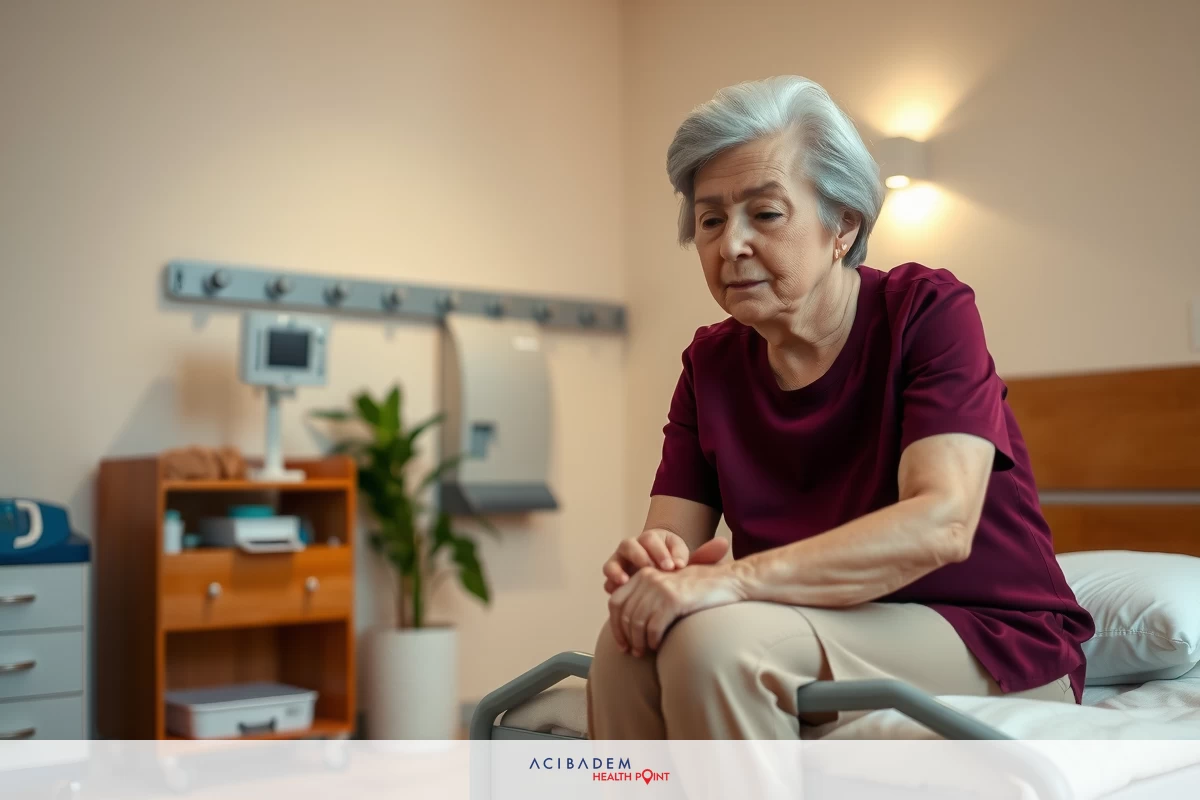
Factors to Consider When Selecting Compression Gear
Lymphedema Ankle Compression: Effective Management Techniques When choosing a product, start by assessing your specific needs. Measure your ankle circumference, arch height, and malleolus width for accuracy. These measurements ensure the product fits snugly without causing discomfort.
Next, consider the severity of your swelling. Medical compression products are categorized into classes, with Class I for mild swelling and Class II for moderate to severe cases. Your healthcare provider can help determine the right class for you.
For those with swelling extending to the upper leg, thigh high options may be more effective than knee-high ones. These provide better control of proximal edema and ensure consistent pressure throughout the limb.
Ensuring Proper Fit for Maximum Effectiveness
A proper fit is crucial for both comfort and effectiveness. Seamless toe closures prevent the tourniquet effect, which can restrict blood flow. Look for products with adjustable features to accommodate changes in swelling throughout the day.
Professional fitting is highly recommended. Many brands provide sizing charts, but a trained specialist can ensure the product meets your unique needs. This step minimizes the risk of irritation and maximizes the benefits of your gear.
| Feature | Importance |
|---|---|
| Seamless Toe Closures | Prevents tourniquet effect and enhances comfort. |
| Adjustable Design | Accommodates changes in swelling for consistent fit. |
| Professional Fitting | Ensures the product meets individual needs for maximum effectiveness. |
By focusing on these factors, you can choose a product that provides the support you need while enhancing your daily comfort and mobility.
Effective Techniques for Applying Ankle Compression
Applying the right techniques for managing swelling can significantly improve daily comfort and mobility. Proper use of wraps and sleeves ensures maximum effectiveness and comfort. Below, we’ll guide you through the process and provide tips for a seamless experience.
Step-by-Step Guide to Applying Compression Wraps
Start by applying a foot wrap in the morning when swelling is minimal. Begin at the toes and use a spiral wrapping technique with a 50% overlap. This ensures even pressure and prevents gaps.
Use short-stretch bandages for consistent support. Wrap upward toward the calf, maintaining moderate tension. Avoid wrapping too tightly, as this can restrict blood flow. Secure the end with a clip or tape for stability.
For new users, follow a break-in schedule. Wear the wrap for 2-hour increments initially, gradually increasing the duration. This helps your body adjust and reduces discomfort.
Tips for Wearing Compression Sleeves Comfortably
Choose silicone-lined arm sleeves to prevent slippage during activity. These provide a secure fit and stay in place even during movement. Ensure the sleeve fits snugly without causing discomfort.
If you experience heel wrinkling, adjust the sleeve or wrap to smooth out the fabric. This prevents irritation and ensures even pressure distribution. Regularly check for signs of wear or stretching to maintain effectiveness.
| Common Issue | Solution |
|---|---|
| Heel Wrinkling | Adjust the wrap or sleeve to smooth out the fabric. |
| Slippage | Use silicone-lined sleeves for a secure fit. |
| Discomfort | Follow a break-in schedule and adjust tension as needed. |
By following these techniques, you can maximize the benefits of your compression gear. Proper application and care ensure long-lasting comfort and effectiveness.
The Role of Nighttime Compression in Lymphedema Management
Nighttime care plays a vital role in managing chronic swelling, ensuring daytime progress isn’t lost. During sleep, fluid dynamics change due to supine positioning, making specialized garments essential for maintaining results.
Why Nighttime Compression is Crucial
When lying down, gravity’s effect on fluid retention decreases. This can lead to fluid redistribution, potentially undoing daytime treatment efforts. Nighttime garments use foam padding and stitched pressure channels to maintain consistent support.
These garments help prevent tissue hardening, a condition known as fibrosis. By keeping pressure steady, they ensure fluid continues to move toward the lymph nodes, even during rest.
Choosing the Right Nighttime Compression Garments
Effective night gear should offer moisture control and adjustable straps for a secure fit. Look for multi-component systems that combine pads with outer shells for added comfort and effectiveness.
For different stages of fibrosis, consider rigid or flexible systems. Rigid options provide firm support, while flexible designs adapt to movement, ensuring comfort throughout the night.
- Moisture-wicking fabrics keep skin dry and prevent irritation.
- Adjustable straps ensure a snug fit without restricting circulation.
- Multi-component systems combine padding with outer shells for enhanced support.
| Feature | Benefit |
|---|---|
| Foam Padding | Maintains consistent pressure and prevents fluid buildup. |
| Stitched Channels | Directs fluid flow toward lymph nodes for better results. |
| Adjustable Straps | Ensures a secure fit and accommodates changes in swelling. |
For optimal results, wear nighttime garments for 6-8 hours. This schedule helps maintain progress and ensures long-term benefits. By incorporating these tools into your routine, you can effectively manage swelling and improve overall comfort.
Combining Compression with Other Lymphedema Therapies
Combining multiple therapies can enhance results in managing fluid retention. The Academy of Lymphatic Studies emphasizes the importance of a multi-faceted approach. Integrating compression with other treatments like manual lymph drainage, exercise, and massage can provide comprehensive relief and improve outcomes.
Integrating Compression with Manual Lymph Drainage
Manual lymph drainage (MLD) is a gentle massage technique that stimulates the lymphatic system. Performing MLD sequences before applying compression can help prepare the area for better fluid movement. This combination ensures that fluid is directed toward the lymph nodes more effectively.
- Start with MLD to soften tissues and enhance fluid flow.
- Follow with compression to maintain the reduction achieved.
- Use this routine daily for consistent results.
Using Compression Alongside Exercise and Massage
Exercise and massage are powerful tools for managing chronic conditions. When paired with compression, they can significantly improve mobility and reduce swelling. Aquatic therapy, for example, provides dual pressure from water and compression garments, enhancing the benefits.
- Perform low-impact exercises like swimming or walking while wearing compression gear.
- Use vibration therapy devices to stimulate interstitial fluid movement.
- Avoid high-impact activities to prevent strain on compressed limbs.
For advanced cases, pneumatic compression pumps can be used. These devices operate at a maximum of 45mmHg and use intermittent cycles to promote fluid reduction. Always consult a healthcare provider to determine the best combination of therapies for your needs.
Maintaining Your Compression Products for Longevity
Proper care of your garments ensures they remain effective and durable over time. Regular maintenance not only extends their lifespan but also keeps them performing at their best. Below, we’ll explore practical tips for cleaning and storing your wraps and sleeves.
Cleaning and Caring for Compression Wraps
To keep your wraps in top condition, hand-wash them in lukewarm water with a mild detergent. Avoid wringing or twisting, as this can damage the fabric. Instead, gently squeeze out excess water and lay the wraps flat on a clean towel to dry. Never expose them to direct heat, as this can reduce elasticity.
Inspect your wraps regularly for signs of wear, such as loss of elasticity or stretching beyond 10% of their original size. Replace them every 2-3 months with daily use to ensure consistent support. Proper storage is also key—fold them neatly or roll them to prevent creasing and material fatigue.
How to Extend the Life of Compression Sleeves
Lymphedema Ankle Compression: Effective Management Techniques Compression sleeves require similar care to maintain their effectiveness. Wash them by hand using a gentle detergent and cool water. Lay them flat to dry, avoiding direct sunlight or heat sources. This helps preserve the fabric’s integrity and elasticity.
Store your sleeves in a cool, dry place, away from sharp objects that could cause snags. If you notice any signs of wear, such as thinning fabric or reduced compression, it’s time to replace them. While the initial price may seem high, proper care ensures you get the most value from your investment.
| Care Practice | Benefit |
|---|---|
| Hand-Washing | Preserves fabric quality and elasticity. |
| Flat Drying | Prevents damage from heat and maintains shape. |
| Regular Inspection | Identifies wear early, ensuring timely replacement. |
| Proper Storage | Prevents creasing and material fatigue. |
Common Challenges in Using Ankle Compression Products
Patients often face hurdles when incorporating supportive garments into their routines. While these tools are effective, issues like discomfort or improper fit can arise. Addressing these challenges ensures better results and a smoother experience.
Dealing with Discomfort or Irritation
Thermal discomfort is a common concern. Look for products with breathable zones or moisture-wicking liners to keep skin cool and dry. For friction-prone areas, silicone gel sheets can reduce irritation and prevent skin breakdown.
If you experience persistent discomfort, consider adjusting the garment’s fit or switching to a softer material. Always prioritize products designed for sensitive skin to minimize reactions.
Overcoming Fit Issues with Supportive Gear
Proper fit is essential for effectiveness. For patients with unique body shapes, such as those with lipedema-related knee bulk, modifying sleeve length can improve comfort. Alternative closure systems, like hook-and-loop fasteners, are easier to manage for those with arthritic hands.
Calf taper discrepancies can cause slippage. In such cases, thigh high options or adjustable straps provide a more secure fit. Consulting a specialist for custom solutions can also help address specific needs.
- Use breathable fabrics to reduce thermal discomfort.
- Apply silicone gel sheets to prevent friction-related irritation.
- Modify sleeve length for better fit around the knee.
- Choose hook-and-loop closures for easier handling.
- Opt for adjustable designs to address calf taper issues.
Innovations in Lymphedema Ankle Compression Technology
Lymphedema Ankle Compression: Effective Management Techniques The latest advancements in supportive gear are transforming how we manage chronic conditions. From cutting-edge materials to smart designs, these innovations are setting new standards in comfort and effectiveness. Whether you’re dealing with chronic venous issues or seeking better mobility, these developments offer promising solutions.
Advancements in Materials
Modern technology has introduced materials that enhance both comfort and performance. 3D-knitted garments now feature anatomical shaping, ensuring a perfect fit for every user. These designs reduce pressure points and improve overall wearability.
Phase-change materials are another breakthrough. They regulate temperature, keeping the skin cool and dry even during extended use. This is especially beneficial for those who experience thermal discomfort with traditional gear.
New Designs for Enhanced Comfort and Effectiveness
Innovative designs are reshaping the way we approach fluid retention. Smart compression systems now include embedded pressure sensors. These sensors monitor and adjust pressure in real-time, ensuring optimal support throughout the day.
Lymphedema Ankle Compression: Effective Management Techniques Antimicrobial treatments are also making waves. They reduce the risk of infections, a common concern for those with chronic conditions. Modular systems allow for targeted pressure adjustment, providing customized support where it’s needed most.
| Innovation | Benefit |
|---|---|
| 3D-Knitted Garments | Anatomical shaping for a perfect fit. |
| Phase-Change Materials | Temperature regulation for enhanced comfort. |
| Smart Compression | Real-time pressure adjustment for optimal support. |
| Antimicrobial Treatments | Reduced infection risk for safer use. |
| Modular Systems | Customized pressure adjustment for targeted relief. |
These innovations are not just about comfort—they’re about improving quality of life. By integrating these advancements into your routine, you can achieve better results and enjoy greater mobility.
Real-Life Success Stories: Managing Lymphedema with Ankle Compression
Seeing tangible improvements in daily life inspires confidence in treatment methods. Real-life stories from individuals managing chronic conditions highlight the transformative power of proper care. These examples not only motivate but also provide practical insights for others on a similar journey.
Case Studies of Effective Compression Use
One remarkable case involved a patient who achieved a 52% reduction in fluid volume over six months using a wrap system. This individual followed a strict routine, gradually increasing wear time to eight hours daily. The results were life-changing, improving mobility and reducing discomfort.
Another example comes from an occupational therapist’s protocol for post-cancer edema. By combining manual lymph drainage with compression, patients experienced significant relief. This approach not only reduced swelling but also improved overall quality of life.
A dance instructor shared how athletic sleeves allowed her to maintain her performance level. The targeted support provided by the sleeves ensured she could continue her passion without compromising her health.
Lastly, a septuagenarian reported improved balance and stability after reducing ankle volume. This change made daily activities safer and more enjoyable, showcasing the broader benefits of effective management.
| Case | Outcome |
|---|---|
| 6-Month Wrap System Use | 52% volume reduction, 8-hour wear time |
| Post-Cancer Edema Protocol | Significant swelling reduction, improved quality of life |
| Dance Instructor | Maintained performance with athletic sleeves |
| Septuagenarian | Improved balance and stability |
Testimonials from Lymphedema Patients
Patients have shared their experiences, emphasizing the positive impact of consistent care. One individual noted, “Gradual adaptation to wearing compression gear made all the difference. I can now go about my day without constant discomfort.”
Another patient highlighted the importance of professional guidance, saying, “Working with a specialist ensured I chose the right product for my needs. The results have been incredible.”
- Gradual adaptation helps achieve longer wear times.
- Professional fitting ensures optimal results.
- Consistent use leads to significant improvements in daily life.
These stories underscore the importance of persistence and proper techniques in managing chronic conditions. By learning from others’ experiences, individuals can find motivation and practical solutions for their own journeys.
Taking Control of Your Lymphedema Journey with Ankle Compression
Taking charge of your health starts with understanding the tools that can make a difference. Early intervention is crucial for long-term success. By addressing symptoms promptly, you can prevent complications and improve your quality of life.
Lymphedema Ankle Compression: Effective Management Techniques Creating a personalized protocol is essential. Start by tracking daily measurements to monitor progress. Use this data to adjust your routine and ensure optimal results. Consulting a certified fitter through lymphatic therapy associations can provide expert guidance tailored to your needs.
Daily tracking of circumference measurements helps you stay on top of your progress. This simple step ensures your plan remains effective and adaptable. With the right support, you can reclaim your mobility and confidence.
Empower yourself by taking proactive steps in your management plan. With consistency and the right tools, you can achieve lasting improvements and enjoy a more active lifestyle.


