





Lymphedema All Over Body: Symptoms, Treatment, and Management
Lymphedema All Over Body: Symptoms, Treatment, and Management Chronic swelling caused by compromised lymphatic drainage can affect various parts of the body. This condition, often linked to cancer treatments, can lead to discomfort and mobility challenges. Swelling may appear in the arms, legs, face, abdomen, or even genital areas, impacting daily life significantly.
Statistics show that 1 in 100,000 Americans experience primary cases of this condition. Additionally, 30% of breast cancer survivors develop secondary cases, highlighting its prevalence. Beyond physical symptoms, individuals often face emotional distress and increased infection risks.
Understanding Lymphedema: An Overview
Lymphedema All Over Body: Symptoms, Treatment, and Management The lymphatic system plays a vital role in maintaining fluid balance and immunity. It moves 2-3 liters of fluid daily, filtering harmful substances through over 600 lymph nodes. When this system is compromised, it can lead to chronic swelling and other health issues.
What is Lymphedema?
This condition occurs when the lymphatic system is unable to drain fluid properly. It can be primary, caused by genetic mutations, or secondary, often linked to cancer treatment. The swelling typically affects areas like the arms legs, armpits, groin, or neck.
How the Lymphatic System Works
The lymphatic system has two main functions: fluid balance and immune defense. It transports lymph, a fluid containing proteins, white blood cells, and waste products. Blockages in key areas, such as the armpits or groin, can disrupt this process.
| Function | Key Details |
|---|---|
| Fluid Balance | Moves 2-3 liters of fluid daily, preventing swelling. |
| Immune Defense | Filters pathogens through 600+ lymph nodes. |
| Common Blockage Points | Armpits, groin, neck. |
Symptoms of Lymphedema All Over the Body
Recognizing the signs of chronic swelling early can help manage its impact effectively. This condition often starts with a feeling of tightness in the affected area, reported by 68% of patients. Over time, it can lead to discomfort, reduced mobility, and even infections.
Common Signs to Watch For
One of the first indicators is a noticeable increase in size or heaviness in the affected area. The skin may feel tight or appear shiny. In some cases, pressing on the swollen area leaves a temporary indentation, known as pitting edema. Another key sign is Stemmer’s sign, where the skin on the toes or fingers cannot be pinched.
How Symptoms Vary by Body Part
Swelling in the face can reduce neck mobility by up to 40%, making it harder to turn the head. In the hands, it may lead to a loss of grip strength. Genital swelling increases the risk of urinary tract infections by 300%. Breathing difficulties can occur if the chest area is involved.
- Self-Check Guidelines: Regularly monitor for changes in size, texture, or mobility in swollen areas.
- Acute vs. Chronic Inflammation: Acute swelling often appears suddenly, while chronic swelling develops gradually and persists.
- Diagnostic Tests: The pitting edema test and Stemmer’s sign are simple ways to assess fluid retention.
Causes and Risk Factors of Lymphedema
Understanding the root causes of chronic swelling is essential for effective management. This condition can arise from genetic factors or external triggers, such as medical treatments. Identifying these causes helps in reducing the risk of complications and improving quality of life.
Primary vs. Secondary Causes
Primary causes are linked to genetic mutations, such as Milroy’s or Meige disease. These conditions often appear early in life, with symptoms developing gradually. On the other hand, secondary causes are acquired later due to factors like surgery or radiation therapy. For example, 25% of melanoma survivors develop swelling after lymphadenectomy.
Cancer Treatment and Swelling
Cancer treatment is a significant contributor to secondary causes. Procedures like surgery and radiation therapy can damage the lymphatic system, increasing the risk of fluid retention. Studies show that radiation raises the risk by 18% compared to surgery alone. Additionally, obesity can quadruple the risk of developing secondary causes.
| Risk Factor | Impact |
|---|---|
| Cancer Treatment | Increases risk by 18% with radiation therapy. |
| Obesity | Raises secondary risk 4-fold. |
| Genetic Mutations | Primary causes like Milroy’s disease. |
Other factors, such as heart disease or arthritis, can also exacerbate the condition. Managing these comorbidities is crucial for reducing the risk of chronic swelling. By understanding these causes, individuals can take proactive steps to protect their health.
Types of Lymphedema: Primary and Secondary
Swelling caused by lymphatic issues can be classified into two main types. These are primary and secondary, each with distinct causes and characteristics. Understanding these differences helps in identifying the right approach for management and care.
Primary Lymphedema: Genetic Factors
Primary swelling is often linked to genetic mutations. For example, FOXC2 gene mutations are responsible for 82% of primary cases. This type typically appears early in life and can be categorized into three subtypes based on the age of onset:
- Congenital: Present at birth or within the first two years of life.
- Praecox: Develops during adolescence or early adulthood.
- Tarda: Occurs after the age of 35.
These genetic disruptions affect the lymph vessels, leading to improper fluid drainage and chronic swelling.
Secondary Lymphedema: Acquired Causes
Secondary swelling is caused by external factors rather than genetics. Common triggers include infection, trauma, and medical treatments. For instance, lymphatic filariasis, a parasitic infection, affects 120 million people globally and is a leading cause in tropical regions.
Non-cancer causes account for 23% of secondary cases. These can stem from surgical procedures with high complication rates, such as:
- Lymph node removal
- Vascular surgeries
- Orthopedic procedures
Trauma-related swelling often involves a cytokine cascade, which exacerbates fluid retention. Additionally, studies show a strong correlation between obesity and the risk of developing secondary swelling, with higher BMI levels increasing susceptibility.
Diagnosing Lymphedema: What to Expect
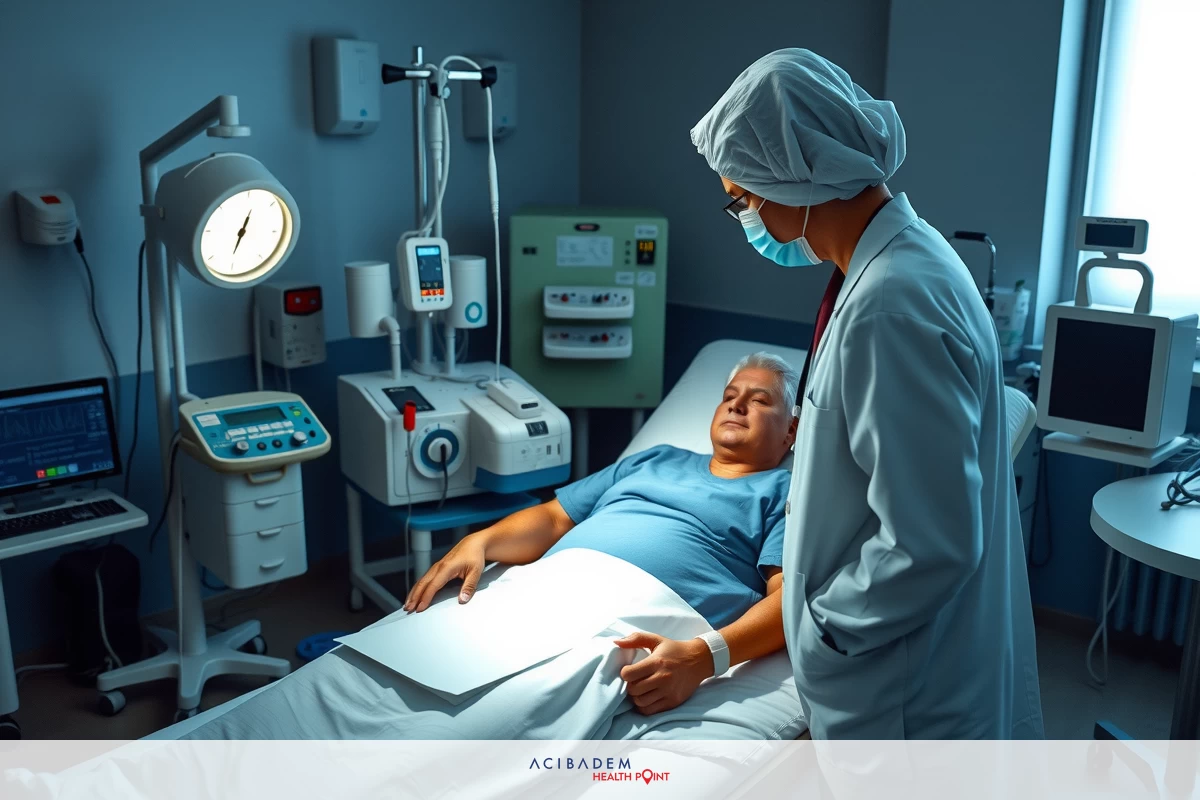
Accurate diagnosis is the first step toward managing chronic swelling effectively. A thorough medical evaluation helps identify the root cause and severity of the condition. Early detection can significantly improve outcomes and reduce complications.
Medical Evaluation and Tests
Healthcare providers use advanced tools to assess lymphatic system health. Bioimpedance spectroscopy detects fluid changes as small as 0.5%, making it highly sensitive. For abdominal cases, CT scans show 94% accuracy in identifying swelling. However, traditional methods like circumference measurements have a 22% false-negative rate.
Imaging modalities like MRI and ultrasound are also effective. MRI provides detailed soft tissue images, while ultrasound is ideal for real-time assessments. Another innovative technique is indocyanine green lymphography, which visualizes lymphatic flow with precision.
Identifying Early Signs
Recognizing early signs is crucial for timely intervention. Common indicators include tightness in the skin, heaviness in the affected area, and reduced mobility. At-home techniques, such as monitoring limb size, can help track changes over time.
Differential diagnoses are essential to rule out other conditions. These include:
- Lipedema: Fat accumulation in the legs.
- Deep Vein Thrombosis (DVT): Blood clots in veins.
- Cellulitis: Bacterial skin infection.
- Heart Failure: Fluid retention due to cardiac issues.
- Kidney Disease: Impaired fluid balance.
A 3-stage clinical assessment protocol is often used. This includes patient history, physical examination, and diagnostic tests. By combining these approaches, healthcare providers can create a tailored treatment plan.
Treatment Options for Lymphedema
Lymphedema All Over Body: Symptoms, Treatment, and Management Effective treatment strategies can significantly improve quality of life for those with chronic swelling. A combination of therapies tailored to individual needs can reduce discomfort and enhance mobility. Below, we explore three key approaches: manual lymphatic drainage, compression therapy, and surgical interventions.
Manual Lymphatic Drainage (MLD)
Lymphedema All Over Body: Symptoms, Treatment, and Management Manual lymphatic drainage is a specialized massage technique that encourages fluid movement in the lymphatic system. Studies show that an 8-week regimen can reduce swelling volume by 29%. This therapy involves gentle, directional strokes to stimulate lymph flow and reduce fluid buildup.
Lymphedema All Over Body: Symptoms, Treatment, and Management Key techniques include:
- Circular motions near lymph nodes.
- Light pressure to avoid tissue damage.
- Sequential movements toward the heart.
Compression Therapy and Garments
Compression garments are essential for maintaining reduced swelling. Custom-fitted garments maintain a 74% reduction in swelling, compared to 31% with over-the-counter options. These garments apply consistent pressure to prevent fluid accumulation.
Compression classes vary based on pressure levels: Lymphedema All Over Body: Symptoms, Treatment, and Management
| Class | Pressure (mmHg) | Best For |
|---|---|---|
| Class 1 | 15-20 | Mild swelling |
| Class 2 | 20-30 | Moderate swelling |
| Class 3 | 30-40 | Severe swelling |
Surgical Interventions
For severe cases, surgery may be necessary. Vascularized lymph node transfer has an 83% success rate in improving lymphatic function. Another option is lymphovenous anastomosis, a microsurgery that connects lymph vessels to veins to bypass blockages.
Recent advancements include pneumatic pump clinical trials, which show promise in reducing swelling. However, certain conditions, such as acute infections or heart failure, are contraindications for decongestive therapy.
Managing Lymphedema: Daily Tips and Strategies
Daily habits play a crucial role in reducing discomfort and improving mobility. By incorporating simple routines, individuals can better manage symptoms and enhance their quality of life. Below, we explore practical strategies for skin care, exercise, and diet.
Skin Care and Infection Prevention
Proper skin care is essential for preventing infections. Using pH-neutral cleansers can reduce the risk of cellulitis by 37%. A nightly 6-step routine helps maintain skin health and minimize complications.
- Cleanse gently with a pH-balanced product.
- Moisturize to keep the skin hydrated and supple.
- Inspect for cuts, redness, or swelling daily.
- Apply an antibacterial ointment to any wounds.
- Wear breathable, non-restrictive clothing.
- Avoid extreme temperatures to prevent irritation.
Recognizing emergency signs, such as fever or spreading redness, is crucial. These symptoms may require immediate medical attention and antibiotics.
Exercise and Movement
Regular exercise promotes lymphatic flow and reduces swelling. Aquatic therapy improves range of motion by 58% compared to land-based activities. For those with abdominal swelling, seated yoga poses can be particularly beneficial.
- Practice gentle stretches to improve flexibility.
- Engage in low-impact activities like swimming or walking.
- Perform seated yoga poses to target core areas.
- Use compression garments during workouts for support.
Consistency is key. Aim for at least 30 minutes of activity most days of the week.
Diet and Hydration
A balanced diet and proper hydration are vital for managing fluid retention. Low-sodium diets decrease swelling episodes by 41%. Including high-potassium foods, such as bananas and spinach, can also help reduce fluid buildup.
| Food | Potassium Content (mg) |
|---|---|
| Banana | 422 |
| Spinach | 839 |
| Sweet Potato | 541 |
| Avocado | 975 |
To calculate daily hydration needs, use this formula: weight (lbs) x 0.67 = ounces of water per day. Staying hydrated supports overall health and reduces swelling.
Preventing Lymphedema: Reducing Your Risk
Taking proactive steps can significantly lower the chances of developing chronic swelling. By focusing on post-surgery care, lifestyle adjustments, and early interventions, individuals can protect their lymphatic health and improve their quality of life.
Post-Surgery and Radiation Care
After surgery or radiation, proper care is essential to minimize the risk developing swelling. A 6-week pre-surgical optimization plan, including prehab exercises, can reduce post-mastectomy risks by 52%. Graduated compression sleeves are also effective, preventing 89% of flight-induced swelling.
- Engage in prehab exercises to strengthen the lymphatic system.
- Wear graduated compression garments during long flights or periods of inactivity.
- Monitor blood pressure regularly to ensure optimal circulation.
Lifestyle Adjustments
Healthy habits play a crucial role in preventing fluid retention. Maintaining a healthy weight reduces pressure on the lymphatic system, while regular movement promotes fluid drainage. Smoking cessation improves pump efficacy by 33%, further supporting lymphatic health.
Here are key strategies to incorporate into daily life:
- Follow a balanced diet rich in fruits, vegetables, and lean proteins.
- Avoid high-risk activities like heavy lifting or prolonged sitting.
- Practice seated yoga or low-impact exercises to enhance lymphatic flow.
| Activity | Risk Level | Preventive Measure |
|---|---|---|
| Long Flights | High | Wear graduated compression sleeves |
| Heavy Lifting | Moderate | Use proper lifting techniques |
| Prolonged Sitting | Moderate | Take breaks to stretch and move |
Living with Lymphedema: Emotional and Physical Well-being
Managing chronic swelling involves addressing both physical discomfort and emotional challenges. This condition can impact daily activities, relationships, and overall quality of life. By adopting effective coping strategies and leveraging support systems, individuals can navigate these challenges more effectively.
Coping with Chronic Swelling
Living with chronic swelling often requires adapting to physical limitations and managing pain. Cognitive behavioral therapy (CBT) techniques can help reframe negative thoughts and improve emotional resilience. Here are five effective CBT strategies:
- Identify and challenge unhelpful thought patterns.
- Practice mindfulness to stay present and reduce stress.
- Set realistic goals to maintain a sense of accomplishment.
- Engage in relaxation exercises like deep breathing or progressive muscle relaxation.
- Seek professional guidance for personalized coping strategies.
Meditation has also been shown to reduce pain scores by 44% in clinical trials. Incorporating mindfulness practices into daily routines can enhance both physical and mental health.
Support Systems and Resources
Building a strong support system is crucial for managing chronic swelling. Peer support groups, such as those offered by the American Lymphedema Association (ALA) and the National Lymphedema Network (NLN), provide emotional comfort and practical advice. Studies show that 63% of participants report improved mood after joining these groups.
For daily challenges, adaptive clothing and assistive devices can make dressing and grooming easier. Here’s a comparison of popular mindfulness apps with modules tailored for chronic swelling:
| App | Features | Cost |
|---|---|---|
| Calm | Guided meditations, sleep stories | $69.99/year |
| Headspace | Mindfulness exercises, stress relief | $69.99/year |
| Insight Timer | Free meditations, community support | Free (premium $60/year) |
| Breethe | Daily meditations, sleep aids | $59.99/year |
Additionally, workplace accommodation request templates can help individuals advocate for their needs, ensuring a supportive environment.
Key Takeaways for Managing Lymphedema All Over the Body
Effective management of chronic swelling requires a proactive and personalized approach. Start by adopting preventive behaviors like maintaining a healthy weight, staying active, and protecting your skin from injuries. These steps can significantly reduce the risk of complications.
For treatment, escalate care if symptoms worsen, such as increased swelling, persistent pain, or reduced mobility. Early intervention is crucial to prevent long-term issues. Always consult a healthcare provider for a tailored plan that may include multidisciplinary care from specialists like physical therapists and nutritionists.
Be aware of emergency red flags, including fever, sudden swelling, or skin redness. These may indicate infections requiring immediate attention. For support, contact national helplines like the American Lymphedema Association at 1-800-541-3259.
Finally, develop a personalized care plan that includes regular symptom tracking and adjustments based on your needs. By staying informed and proactive, you can improve your quality of life and manage symptoms effectively.


