





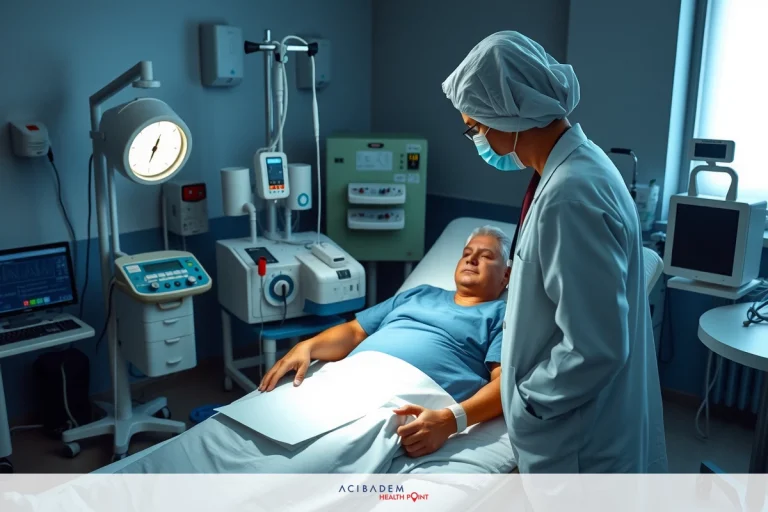
Lymphedema Alert: Signs, Symptoms, and Treatment Options
Lymphedema Alert: Signs, Symptoms, and Treatment Options After breast cancer treatment, some patients may face a condition that disrupts fluid drainage in the body. This issue often arises when lymph nodes are removed or damaged during surgery or radiation. Recognizing the signs early can make a big difference in managing the condition effectively.
Symptoms often include swelling, changes in skin texture, and reduced flexibility in the affected area. If left untreated, these symptoms can lead to permanent tissue damage. That’s why it’s crucial to stay informed and take action at the first sign of trouble.
In emergency situations, medical alert products can play a vital role. They help communicate critical health information to first responders quickly. This ensures that patients receive the right care when it matters most.
What Is Lymphedema?
The lymphatic system plays a key role in fluid balance, but damage can lead to lymphedema. This condition occurs when lymph fluid builds up due to blocked or damaged lymph nodes. The lymphatic system, a vital part of the immune system, helps remove waste and excess fluid from tissues. When it’s compromised, swelling and discomfort can develop.
There are two main types of lymphedema:
- Primary lymphedema: A rare, congenital form caused by abnormal development of the lymphatic system.
- Secondary lymphedema: More common, often resulting from cancer treatments, infections, or trauma.
Breast cancer survivors are particularly at risk. Treatments like mastectomy or radiation can damage lymph nodes, disrupting fluid drainage. This often leads to swelling in the arms, legs, or torso. Without proper care, the condition can become chronic, requiring lifelong management.
Understanding lymphedema is the first step toward effective management. Early intervention and awareness can help minimize its impact on daily life.
Signs and Symptoms of Lymphedema
Swelling in the limbs is often the first noticeable symptom of a lymphatic system problem. Early signs include tingling, heaviness, and mild puffiness in the affected area. These symptoms may seem minor but can progress if ignored.
Common Symptoms
As the condition advances, symptoms become more severe. The skin may harden, and flexibility in the limbs can decrease. Recurrent infections, such as cellulitis, are also common in untreated cases. Restricted mobility and discomfort can significantly impact daily life.
Here’s a breakdown of the progression:
| Stage | Symptoms |
|---|---|
| Early | Tingling, mild swelling, achiness |
| Intermediate | Skin thickening, reduced flexibility |
| Advanced | Recurrent infections, severe swelling |
When to Seek Help
If you notice sudden swelling, fever, or worsening skin changes, seek medical attention immediately. Early treatment can prevent complications like sepsis or permanent tissue damage. Prompt action is crucial to managing the condition effectively.
Ignoring symptoms can lead to serious problems. Understanding the signs and acting quickly can make a significant difference in your health journey.
Risks Associated with Lymphedema
Managing health after cancer treatment involves understanding potential long-term risks. Patients who undergo surgery or radiation, especially in the breast area, may face ongoing challenges. The removal or damage of lymph nodes can disrupt fluid drainage, leading to swelling and other complications. Lymphedema Alert: Signs, Symptoms, and Treatment Options
One significant risk is the lifelong vulnerability to fluid buildup. Medical procedures like blood draws, injections, or blood pressure checks on the affected arm can worsen swelling. Even minor injuries or infections in compromised limbs can escalate quickly, requiring immediate care.
Recurrent infections are another concern. Swollen areas often have a weakened immune response, making them more prone to issues like cellulitis. These infections can become severe if not treated promptly, further complicating the condition.
Beyond physical problems, there are psychological risks. Chronic swelling and discomfort can reduce quality of life, leading to feelings of frustration or isolation. Addressing these emotional challenges is just as important as managing physical symptoms.
Preventive measures play a key role in reducing risks. Avoiding skin injuries, protecting the affected limb, and staying vigilant for early signs of infection can make a big difference. By taking proactive steps, patients can better manage their health and minimize complications.
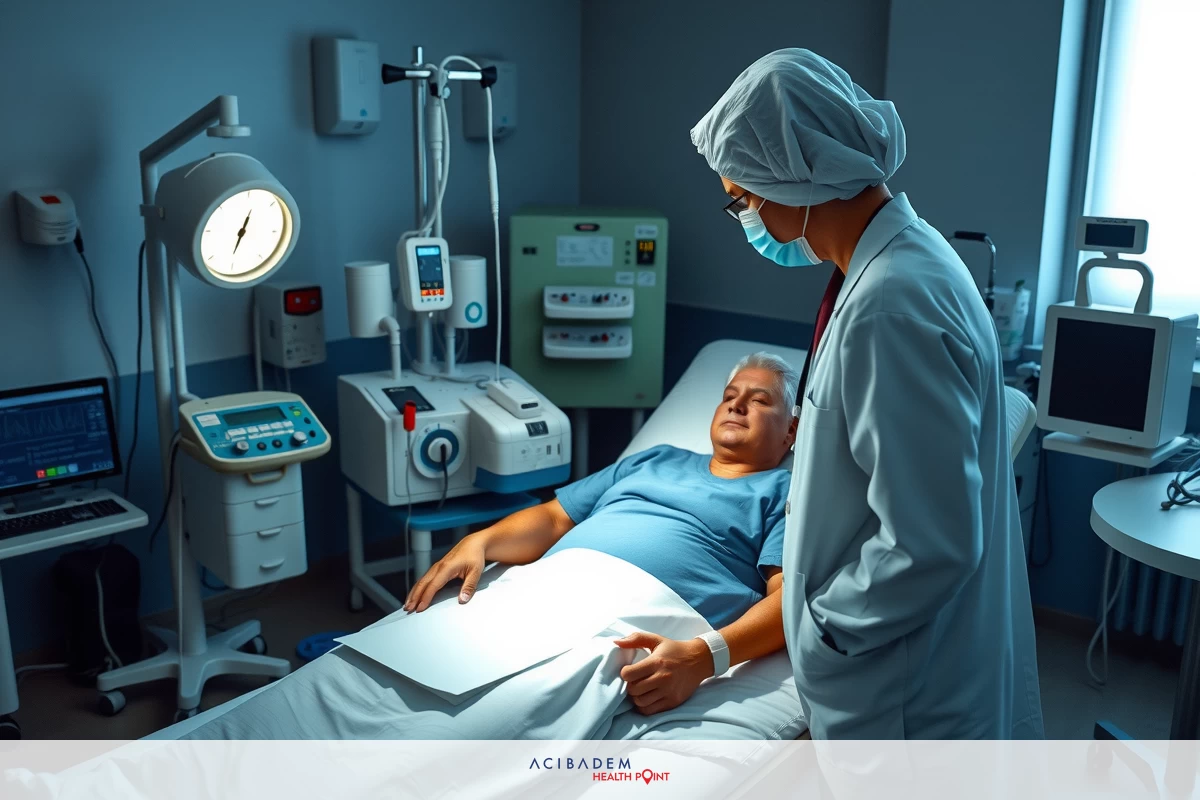
Treatment Options for Lymphedema
Addressing swelling and discomfort requires a combination of therapies tailored to individual needs. From non-invasive methods to medical interventions, there are several ways to help manage this medical condition. Early action can make a significant difference in outcomes.
Non-Invasive Treatments
Non-invasive methods are often the first line of defense. These include:
- Compression garments: These apply gentle pressure to reduce swelling and improve fluid flow.
- Manual lymphatic drainage: A specialized massage technique that encourages the movement of lymph fluid.
- Elevation: Keeping the affected limb raised can help reduce fluid buildup.
Lifestyle adjustments, such as low-impact exercise and proper skin care, also play a key role in managing symptoms.
Medical Interventions
For severe cases, medical treatments may be necessary. Surgical options include:
- Removing excess tissue to reduce swelling.
- Improving drainage pathways to restore normal fluid flow.
These procedures are typically considered when non-invasive methods are not effective.
Combining therapies often yields the best results. Early intervention and a proactive approach can help manage symptoms and improve quality of life. Always consult a healthcare professional to determine the best treatment options for your specific needs.
The Role of Lymphedema Alert Products
Alert bracelets provide critical information to first responders in urgent situations. These products are especially important for patients with specific health needs, such as avoiding procedures on an affected limb. Wearing a medical alert bracelet ensures that healthcare providers can act quickly and safely during an emergency.
These bracelets often include engraved details like “No BP/IV/Needles on Left Arm” along with other critical health information. Clear and durable engravings are essential for readability, especially in high-stress situations. This helps prevent harmful interventions, such as taking blood pressure or inserting IVs in the wrong arm.
Here’s a breakdown of the key features of these products: Lymphedema Alert: Signs, Symptoms, and Treatment Options
| Feature | Benefit |
|---|---|
| Engraved Details | Communicates critical health information |
| 24/7 Emergency Response | Relays medical data to providers during crises |
| Durable Design | Ensures readability in all conditions |
Many alert bracelets also connect to digital health profiles, providing first responders with comprehensive patient data. This feature is particularly useful for patients with complex medical histories, such as cancer survivors. By wearing an alert bracelet, patients can improve their safety and gain peace of mind. Lymphedema Alert: Signs, Symptoms, and Treatment Options
Lymphedema Alert: Signs, Symptoms, and Treatment Options In summary, these products are a simple yet effective way to protect patients during emergencies. They ensure that healthcare providers have the information they need to deliver the right care at the right time.
Preventing Lymphedema Complications
Taking proactive steps can significantly reduce the risk of complications related to fluid buildup in the body. By focusing on prevention, you can protect your health and improve your quality of life.
Daily skincare routines are essential. Moisturizing your skin helps prevent cracks and reduces the risk of infection. Avoid cuts, burns, and extreme temperatures on affected limbs. Wearing gloves during chores can provide an extra layer of protection.
Gentle exercise is another key component. Activities like swimming or yoga stimulate the lymphatic system and promote healthy fluid flow. Avoid heavy lifting or strenuous movements that could strain the affected area.
Balanced nutrition plays a role in reducing inflammation. A diet rich in fruits, vegetables, and lean proteins supports overall health. Staying hydrated also helps maintain proper fluid balance in the body.
Regular self-checks are crucial for early symptom detection. Look for changes in swelling, skin texture, or flexibility. If you notice any signs of infection, seek immediate care to prevent escalation.
By following these guidelines, you can minimize complications and take control of your health. Prevention is always better than treatment, and small changes can make a big difference.
Empowering Yourself with Knowledge and Tools
Taking control of your health starts with knowledge and the right tools. Staying informed about new treatments and research can help you make better decisions. Open communication with medical professionals ensures you receive the best care tailored to your needs.
Using medical IDs is a proactive step toward safety. These tools provide critical information to responders during emergencies, ensuring you get the right care quickly. They also reduce anxiety and improve adherence to care plans.
Knowledge is empowering. It reduces fear and helps you take charge of your health. By exploring available options, you can prioritize safety without sacrificing your quality of life.
Lymphedema Alert: Signs, Symptoms, and Treatment Options Empower yourself today. Stay informed, stay prepared, and take control of your well-being.


