





Lymphedema After Radical Hysterectomy: Symptoms and Treatment
Lymphedema After Radical Hysterectomy: Symptoms and Treatment Following certain cancer surgeries, many patients face a condition that can significantly impact their daily lives. This issue, often linked to lymph node removal, affects nearly half of those treated for specific cancers. Studies show that 47% of patients develop this complication, with a notable increase in risk due to certain surgical procedures.
Research involving 591 patients revealed a 47% overall prevalence over a 6.2-year follow-up period. This condition not only causes physical discomfort but also leads to a noticeable decline in quality-of-life scores. Understanding and managing these symptoms is crucial for improving patient outcomes.
Understanding Lymphedema After Radical Hysterectomy
Post-surgical complications can arise, particularly when lymph nodes are involved. One such condition occurs when the lymphatic system is disrupted, leading to fluid buildup and swelling. This issue is more common in patients who undergo specific procedures, such as pelvic lymphadenectomy.
What is Lymphedema?
Lymphedema is a condition where fluid accumulates in tissues due to impaired lymphatic drainage. This often happens when lymph nodes are removed or damaged during surgery. The lymphatic system plays a crucial role in maintaining fluid balance and immune function.
How Radical Hysterectomy Can Lead to Lymphedema
During a radical hysterectomy, lymph nodes in the pelvic area may be removed to prevent cancer spread. This procedure, known as pelvic lymphadenectomy, disrupts the normal flow of lymph fluid. Studies show that 52.3% of patients who undergo this procedure develop lymphedema, compared to 36.1% who do not.
Lymphedema After Radical Hysterectomy: Symptoms and Treatment Radiation therapy can further increase the risk by damaging the remaining lymph nodes. Interestingly, the number of nodes removed doesn’t directly correlate with the likelihood of developing this condition. However, lymph node dissection alone increases the attributable risk by 23%.
Understanding these factors can help patients and healthcare providers take proactive steps to manage and reduce the risk of complications.
Common Symptoms of Lymphedema
Patients often experience noticeable changes in their bodies following specific medical procedures. These changes can include swelling, discomfort, and skin-related issues. Recognizing these symptoms early is key to effective management.
Swelling in the Lower Extremities
One of the most common signs is swelling, particularly in the legs or feet. This occurs when fluid builds up due to impaired lymphatic drainage. The swelling may start mildly but can worsen over time if not addressed.
Heaviness and Discomfort
Many individuals report a feeling of heaviness or tightness in the affected areas. This can make daily activities challenging and reduce mobility. Early intervention can help alleviate these symptoms and improve quality of life.
Skin Changes and Infections
The skin may develop a rough, “cobblestone” texture due to fibrosis. Conditions like hyperkeratosis and papillomatosis can also occur. Additionally, the risk of skin infections, such as cellulitis, increases significantly. Managing these issues requires daily skin inspection and proper care protocols.
Understanding these symptoms can help patients and caregivers take proactive steps. By staying informed, individuals can better manage their condition and reduce complications.
Risk Factors for Developing Lymphedema
Understanding the factors that contribute to post-treatment complications is essential. Certain medical procedures and health conditions can increase the likelihood of developing this condition. By identifying these risks, patients and healthcare providers can take steps to minimize their impact.
Pelvic Lymphadenectomy and Its Impact
Pelvic lymphadenectomy, a procedure often performed during cancer surgeries, involves the removal of lymph nodes. This can disrupt the lymphatic system, leading to fluid buildup. Studies show that this procedure significantly raises the risk of complications compared to surgeries without lymph node removal.
Obesity and Other Health Conditions
Obesity is another major risk factor. Excess weight puts additional pressure on the lymphatic system, impairing its function. Other health conditions, such as diabetes or cardiovascular issues, can also contribute to the development of this condition.
Radiation Therapy as a Contributing Factor
Radiation therapy, often used in cancer treatment, can damage lymph nodes and surrounding tissues. This damage can lead to fibrosis, a condition where tissues become thick and scarred. Fibrosis further disrupts lymphatic flow, increasing the risk of complications.
Research indicates that radiation can triple the risk of developing this condition. Symptoms may appear up to five years after treatment, making long-term monitoring crucial. Combining surgery and radiation therapy can have synergistic effects, further elevating the risk.
| Risk Factor | Impact |
|---|---|
| Pelvic Lymphadenectomy | Disrupts lymphatic system, increases fluid buildup |
| Obesity | Adds pressure on lymphatic system, impairs function |
| Radiation Therapy | Causes fibrosis, disrupts lymphatic flow |
To manage these risks, post-treatment surveillance is recommended. Regular check-ups and early intervention can help mitigate complications and improve quality of life.
Diagnosing Lymphedema After Surgery
Accurate diagnosis is the cornerstone of effective management for post-surgical complications. Identifying the root cause of swelling and discomfort requires a detailed diagnostic approach. Healthcare providers use a combination of clinical evaluation and advanced imaging techniques to ensure precise results.
Clinical Evaluation and Patient History
The diagnostic process begins with a thorough clinical evaluation. Doctors assess the patient’s medical history, including previous surgeries and treatments. Physical examination focuses on areas of swelling, skin changes, and discomfort. This step helps rule out other conditions with similar symptoms.
Imaging Techniques for Accurate Diagnosis
Advanced imaging methods provide detailed insights into fluid retention and tissue changes. These techniques are essential for confirming the diagnosis and planning treatment.
- Bioelectrical Impedance Analysis: This non-invasive method measures fluid levels with 97.4% specificity. It’s highly effective for detecting early signs of fluid buildup.
- Lymphoscintigraphy: This imaging protocol tracks the flow of lymph fluid, identifying blockages or disruptions in the lymphatic system.
- CT/MRI Scans: These scans help differentiate between fluid retention and other conditions like lipedema. They provide detailed images of tissues and lymph nodes.
- Indocyanine Green Fluorescence Imaging: This technique uses a special dye to visualize lymphatic vessels, offering real-time insights into fluid movement.
Additionally, a 40% extracellular water to total body water (ECW/TBW) ratio is often used as a cutoff value for diagnosis. This metric helps quantify fluid imbalance and guide treatment decisions.
By combining these methods, healthcare providers can deliver accurate diagnoses and tailor treatment plans to individual needs. This approach ensures better outcomes and improved quality of life for patients.
Effective Treatment Options for Lymphedema
Managing post-surgical complications requires a combination of proven therapies and lifestyle adjustments. Addressing fluid buildup early can prevent long-term issues and improve quality of life. Here are some effective strategies to manage symptoms and enhance mobility.
Compression Therapy: Stockings and Bandages
Compression therapy is a cornerstone of treatment. It involves wearing specially designed stockings or bandages to apply pressure to the affected areas. This helps reduce swelling by promoting fluid movement and preventing further buildup.
Stockings are often recommended for daily use, while bandages may be used for more severe cases. Both options are effective in managing symptoms and improving comfort.
Manual Lymphatic Drainage (MLD)
MLD is a gentle massage technique that stimulates the lymphatic system. It encourages the flow of fluid away from swollen areas, reducing discomfort and improving mobility. This therapy is often performed by trained professionals but can also be learned for self-care.
Regular MLD sessions can significantly reduce swelling and enhance overall well-being. It’s a non-invasive option that complements other treatments.
Exercise and Physical Therapy
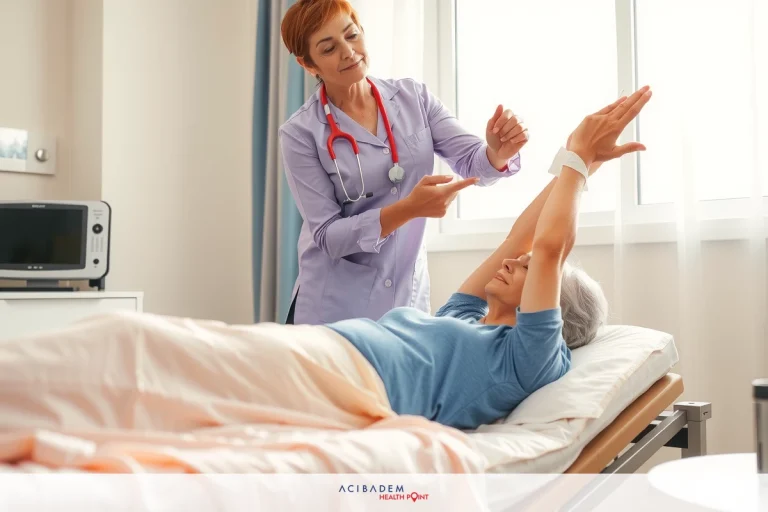
Physical activity plays a crucial role in managing symptoms. Phased exercise programs, starting from supine positions and progressing to standing, are highly effective. Aqua therapy is particularly beneficial, as water reduces pressure on the lower limb while providing resistance.
Resistance band protocols are also recommended to strengthen the body without overexertion. However, high-impact activities should be avoided to prevent worsening symptoms. A daily commitment of 40 minutes of moderate exercise can yield significant improvements.
Studies show that Progressive Resistance Exercise Training (PRET) reduces the incidence of complications to 9%, compared to 42.7% in controls. This highlights the importance of incorporating structured physical activity into treatment plans.
Progressive Resistance Exercise Training (PRET)
Progressive Resistance Exercise Training (PRET) offers a structured approach to improving mobility and reducing complications. This 5-phase program focuses on gradual progression, starting with supine positions and advancing to standing exercises. It’s designed to strengthen the body while minimizing risks associated with fluid buildup.
How PRET Helps Prevent Complications
PRET targets muscle groups to enhance lymphatic flow and reduce swelling. Studies show that it can lower the incidence of complications by improving circulation and muscle strength. The program’s phased approach ensures safe progression, making it suitable for all fitness levels.
Implementing PRET in Your Routine
Incorporating PRET into your daily routine requires a 20-40 minute commitment. Here’s how to get started:
- Sample Exercises: Begin with leg lifts in a supine position, then progress to standing squats and resistance band exercises.
- Support Systems: Join a WeChat group for motivation and guidance from others following the program.
- Alarm Reminders: Set daily alarms to ensure consistency and adherence to the routine.
Gradual progression is key to avoiding overexertion. Start with lighter resistance and increase intensity as your strength improves. This approach helps prevent strain and ensures long-term success.
| Phase | Exercise Type | Duration |
|---|---|---|
| Phase 1 | Supine Leg Lifts | 5 minutes |
| Phase 2 | Standing Squats | 10 minutes |
| Phase 3 | Resistance Band Workouts | 15 minutes |
| Phase 4 | Combination Exercises | 20 minutes |
| Phase 5 | Advanced Resistance Training | 25 minutes |
By following this structured program, you can improve your physical well-being and reduce the risk of complications. Consistency and gradual progression are essential for achieving the best results.
Lymphaticovenous Anastomosis: A Surgical Approach
Advanced surgical techniques are transforming how we address post-treatment complications. One such innovation is Lymphaticovenous Anastomosis (LVA), a procedure designed to restore lymphatic flow. This method has shown promising results in managing chronic conditions and improving patient outcomes.
What is Lymphaticovenous Anastomosis?
Lymphedema After Radical Hysterectomy: Symptoms and Treatment LVA is a microsurgical procedure that connects lymphatic vessels to nearby veins. This bypasses blocked or damaged areas, allowing fluid to drain properly. It’s particularly effective for patients who don’t respond well to traditional therapies like compression alone.

Long-Term Outcomes and Benefits
Studies highlight the long-term success of LVA. A 13-year follow-up revealed an 87% success rate, with significant improvements in quality of life. Patients experienced fewer cellulitis episodes, a common complication in chronic conditions.
Compared to compression therapy, LVA offers a more permanent solution. It also helps prevent lymphocele formation, a fluid-filled cyst that can occur after surgery. Additionally, advancements in robotic surgery have made the procedure more precise and less invasive.
| Benefit | Details |
|---|---|
| Reduced Cellulitis Episodes | Fewer infections due to improved fluid drainage |
| Lymphocele Prevention | Minimizes fluid buildup and cyst formation |
| Robotic Surgery Advancements | Enhanced precision and reduced recovery time |
LVA is a valuable option for patients seeking long-term relief. Its success over 10+ years makes it a reliable choice in modern treatment plans, especially for those with a history of cancer.
Managing Lymphedema Through Lifestyle Changes
Adopting healthy lifestyle habits can significantly improve outcomes for individuals managing post-surgical conditions. Simple changes in daily routines can reduce discomfort, prevent complications, and enhance overall well-being. Two key areas to focus on are maintaining a healthy weight and practicing proper skin care.
Maintaining a Healthy Weight
Excess weight can put additional strain on the lymphatic system, worsening symptoms. Studies show that obesity increases the risk of complications, including a 5.8% higher likelihood of kidney disease comorbidity. A balanced diet and regular exercise can help manage weight and improve lymphatic function.
Focus on nutrient-rich foods like fruits, vegetables, and lean proteins. Avoid processed foods high in salt, which can contribute to fluid retention. Incorporating moderate physical activity, such as walking or swimming, can also support weight management and reduce swelling.
Skin Care and Hygiene Practices
Proper skin care is essential for preventing infections and maintaining skin health. Daily cleansing with pH-balanced cleansers helps remove dirt and bacteria without irritating the skin. After cleansing, apply a gentle moisturizer to keep the skin hydrated and prevent dryness.
Using antifungal powder in areas prone to moisture can reduce the risk of fungal infections. Avoid manicures and pedicures, as they can introduce bacteria and increase the risk of infection. Regularly inspect the skin for cuts, redness, or other signs of irritation, and seek medical attention if needed.
| Skin Care Tip | Benefit |
|---|---|
| Daily Cleansing | Removes dirt and bacteria, preventing infections |
| Moisturizing | Keeps skin hydrated and reduces dryness |
| Antifungal Powder | Prevents fungal infections in moist areas |
| Avoiding Manicures/Pedicures | Reduces risk of bacterial infections |
By focusing on these lifestyle changes, individuals can better manage their condition and improve their quality of life. Consistency in weight management and skin care routines is key to achieving long-term benefits.
The Role of Compression Stockings
Compression stockings play a vital role in managing fluid retention and improving mobility. These garments apply gentle pressure to the affected areas, helping to reduce swelling and promote better circulation. For many individuals, they are a key part of their daily therapy routine.
Choosing the Right Compression Stockings
Selecting the right compression stockings is crucial for effective treatment. Stockings come in different levels of pressure, measured in millimeters of mercury (mmHg). Your healthcare provider can recommend the appropriate level based on your needs.
Consider factors like material, size, and style. Look for breathable fabrics that prevent irritation. Proper sizing ensures a snug fit without being too tight. Knee-high or thigh-high options are available, depending on the affected area.
How to Wear Them Effectively
Wearing compression stockings correctly maximizes their benefits. Start by rolling the stocking down to the heel, then gently pull it up your leg. Smooth out any wrinkles to prevent discomfort or skin irritation.
For added convenience, use stocking applicator tools. These devices make it easier to put on the stockings, especially for those with limited mobility. Wearing them for 23 hours daily improves outcomes significantly.
- Proper Donning Techniques: Roll the stocking down, then pull it up smoothly.
- Stocking Applicator Tools: Use tools for easier application.
- Replacement Every 6 Months: Replace worn-out stockings to maintain effectiveness.
- Washing Instructions: Hand wash with mild soap and air dry.
- Avoid Wrinkles/Rolling: Smooth out stockings to prevent discomfort.
| Tip | Benefit |
|---|---|
| Proper Donning | Ensures even pressure and comfort |
| Use Applicator Tools | Makes wearing stockings easier |
| Replace Every 6 Months | Maintains effectiveness |
| Hand Wash | Preserves fabric quality |
| Avoid Wrinkles | Prevents skin irritation |
By following these guidelines, many patients find relief and improved mobility. Consistency in wearing and caring for compression stockings is key to achieving the best results.
Psychological Impact of Lymphedema
Living with chronic swelling can take a toll on mental health, affecting daily life and emotional well-being. Many individuals face feelings of frustration, anxiety, and isolation. Addressing these emotional challenges is just as important as managing physical symptoms.
Coping with Emotional Challenges
Dealing with a long-term condition can lead to emotional stress. Studies show that 77% of individuals lacked preoperative counseling, leaving them unprepared for the psychological impact. This gap in information can make it harder for patients to cope.
Education plays a key role. Those with higher education levels (16.9%) tend to manage stress better. Couples counseling can also help, providing a supportive environment for both individuals and their partners.
Support Groups and Counseling
Connecting with others who understand your experience can be incredibly helpful. Here are some resources to consider:
- National Networks: Organizations like the National Lymphedema Network offer valuable resources and support.
- Online Communities: Forums and social media groups provide a platform to share experiences and advice.
- Therapist-Led Sessions: Group therapy led by professionals can offer structured support and coping strategies.
These resources can make a significant difference in managing the emotional side of chronic conditions. Research shows that support systems improve mental health outcomes and overall quality of life.
Preventing Lymphedema After Surgery
Proactive steps before and after surgery can significantly lower the risk of complications. By focusing on education, monitoring, and early intervention, patients can improve their recovery outcomes. This section explores key strategies to help you stay ahead of potential issues.
Preoperative Counseling and Education
Understanding your risks and preparing accordingly is essential. Preoperative counseling provides valuable information about what to expect during and after surgery. This includes discussing potential complications and how to manage them.
Patients who receive thorough education are better equipped to make informed decisions. Topics often include:
- Steps to reduce risk before surgery
- What to expect during recovery
- Signs of complications to watch for
Postoperative Care and Monitoring
After surgery, regular monitoring is crucial. Studies show that a 2-year monitoring schedule catches 94% of cases. This involves a combination of professional screenings and self-care practices.
Here’s a detailed approach to postoperative care:
- 0-6 Month Surveillance: Frequent check-ups to track recovery progress
- Bioimpedance Screening: Regular intervals to detect fluid buildup early
- Self-Measurement Techniques: Simple methods to monitor swelling at home
- Symptom Diaries: Keeping track of changes to share with your healthcare provider
- Smartphone Reminder Apps: Tools to help you stay on top of appointments and self-care routines
By following these steps, you can take control of your recovery and reduce risk of long-term complications. Early detection and consistent care make a significant difference over time.
Research and Advances in Lymphedema Treatment
Innovative research is reshaping how we approach chronic conditions linked to disrupted fluid drainage. Scientists and medical professionals are exploring groundbreaking methods to improve outcomes for those affected. These advancements focus on both immediate relief and long-term solutions.
Recent Studies and Findings
Recent studies highlight promising developments in treatment options. For example, robotic microsurgery trials are underway, offering precise and minimally invasive solutions. This technology aims to restore proper fluid movement and reduce complications.
Gene therapy is another area gaining attention. Researchers are investigating how genetic modifications can enhance the body’s ability to manage fluid retention. Early results suggest this could revolutionize care for chronic conditions.
Lymphedema After Radical Hysterectomy: Symptoms and Treatment AI-powered compression devices are also making waves. These tools use artificial intelligence to adjust pressure levels, providing personalized support. Wearable bioimpedance sensors are another innovation, allowing real-time monitoring of fluid levels.
Future Directions in Lymphedema Management
The future of management looks bright with the introduction of 3D-printed custom garments. These garments are tailored to individual needs, offering optimal compression and comfort. They represent a significant step forward in personalized care.
Preventive pharmacotherapy is another exciting avenue. Researchers are developing medications that can reduce the risk of complications before they start. This proactive approach could change the way we think about long-term care.
By combining these advancements, the medical community is moving toward a more holistic and effective approach to treatment. These innovations not only address symptoms but also improve overall quality of life.
Improving Quality of Life with Lymphedema
Living with chronic fluid retention requires daily adjustments to maintain comfort and mobility. By focusing on both immediate needs and long-term goals, individuals can significantly enhance their well-being. This section explores practical strategies to help you manage symptoms and improve your quality of life.
Daily Practices for Comfort and Mobility
Incorporating simple habits into your routine can make a big difference. Start with gentle exercises like walking or stretching to keep your body active. Compression garments can also help reduce swelling and improve circulation.
Skin care is another essential practice. Keep the affected areas clean and moisturized to prevent infections. Regularly inspect your skin for any changes or irritations, and seek medical advice if needed.
- Engage in low-impact activities like swimming or yoga.
- Use compression stockings or bandages as recommended.
- Maintain a balanced diet to support overall health.
Long-Term Strategies for Well-Being
Planning for the future is crucial for sustained improvement. A 5-year management plan can help you stay on track with your goals. This includes regular check-ups, therapy sessions, and lifestyle adjustments.
Vocational rehabilitation programs can assist in returning to work or finding new opportunities. Disability accommodations may also be available to support your daily activities. Medicare coverage options can help offset the costs of necessary treatments.
Annual comprehensive reviews with your healthcare provider ensure your plan remains effective. Data from a 13-year follow-up study shows that consistent care leads to better outcomes over years. Lymphedema After Radical Hysterectomy: Symptoms and Treatment
Resources for Patients and Caregivers
Access to reliable resources can make a significant difference in managing chronic conditions. For patients and caregivers, having the right tools and information is essential for effective care. This section highlights valuable educational materials and specialized clinics to support your journey.
Educational Materials and Websites
Understanding your condition is the first step toward better management. Many organizations offer free educational materials, including brochures, videos, and online courses. These resources provide insights into symptoms, treatment options, and lifestyle adjustments.
Websites like the National Lymphedema Network and Cancer.gov are excellent starting points. They offer up-to-date information and practical tips for daily care. Additionally, telehealth consultations allow you to connect with experts from the comfort of your home.
Finding Specialized Lymphedema Clinics
Specialized clinics provide tailored care for individuals with chronic conditions. Look for facilities with Certified Lymphedema Therapists (CLTs) who have advanced training in managing fluid retention. These professionals can create personalized plans to improve your quality of life.
Lymphedema After Radical Hysterectomy: Symptoms and Treatment When choosing a clinic, verify insurance coverage to avoid unexpected costs. Many clinics are part of larger hospital networks, ensuring access to comprehensive care. International directories can also help you locate centers near you.
- CLT Certification: Ensures therapists have specialized training.
- Insurance Verification: Confirms coverage for services.
- Telehealth Options: Provides remote consultations for convenience.
- Hospital Networks: Connects you to a broader range of services.
- International Directories: Helps locate clinics worldwide.
By leveraging these resources, patients and caregivers can navigate their journey with confidence. Whether through education or specialized care, these tools empower individuals to take control of their health.
Taking Control of Your Lymphedema Journey
Taking charge of your health journey starts with understanding and action. Early intervention is key to managing lymphedema effectively. By addressing symptoms promptly, patients can reduce discomfort and improve their quality of life.
Developing a personalized care plan is essential. Work with your healthcare provider to tailor treatments like compression therapy, exercise, and skin care to your needs. Advocacy groups and support networks can also provide valuable resources and encouragement.
Success stories from clinical trials highlight the benefits of proactive management. Many individuals have regained mobility and confidence through consistent care and lifestyle adjustments.
Remember, you have the power to take control of your journey. With the right tools and support, managing lymphedema becomes a manageable part of life. Stay informed, stay proactive, and embrace your path to better health.


