





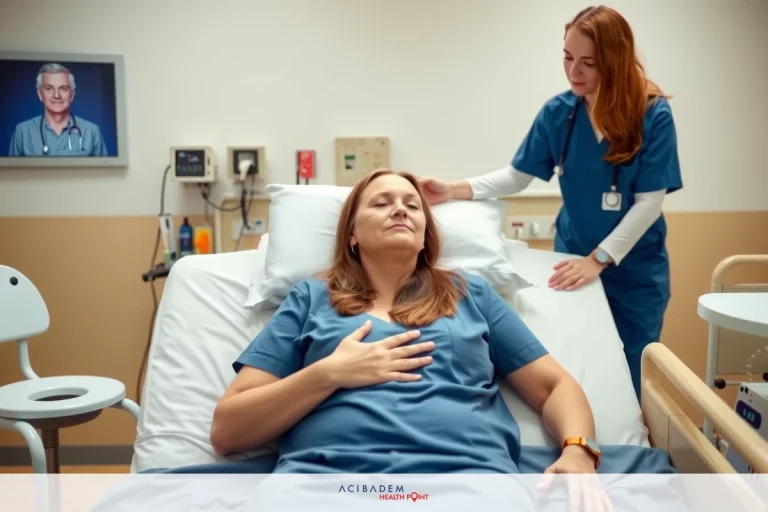
Lymphedema After Mastectomy Pictures: Causes and Effects
Lymphedema After Mastectomy Pictures: Causes and Effects Breast cancer treatment often involves procedures that affect the lymph nodes. This can lead to swelling in the arm, a condition that many patients face. Recognizing the early signs of this swelling is crucial for timely intervention.
Clinical images play a vital role in helping patients understand what to look for. These visuals show the progression from mild to severe cases, making it easier to identify changes. Comparing both limbs for asymmetry can also help in early detection.
Studies show that about 20% of patients develop arm swelling post-treatment. Using medical photography alongside text can significantly improve patient understanding. This combination ensures that patients are well-informed and can take proactive steps in their care.
Understanding Lymphedema After Mastectomy
The lymphatic system plays a critical role in maintaining fluid balance in the body. When this system is disrupted, it can lead to chronic swelling, a condition often seen after certain medical treatments. Recognizing how this happens is key to managing its effects.
What is Lymphedema?
Lymphedema is a condition where fluid builds up in the body due to compromised lymphatic drainage. This swelling is most common in the arms or legs. It occurs when the lymph nodes or vessels are damaged or removed, often during breast cancer treatment.
How Lymphedema Develops Post-Mastectomy
During a mastectomy, lymph nodes in the axillary area may be removed or treated with radiation. This disrupts the normal flow of lymph fluid. Over time, the fluid accumulates, leading to swelling. The risk varies depending on the type of surgery:
| Type of Surgery | Risk of Swelling |
|---|---|
| Sentinel Node Biopsy | 3-5% |
| Axillary Node Dissection | 10-20% |
Radiation therapy can also scar lymph vessels, further increasing the risk. Swelling may appear immediately after surgery or develop months later. Combined treatments like surgery and radiation raise the cumulative risk significantly.
Understanding these factors helps patients and healthcare providers take proactive steps to manage and reduce the impact of this condition.
The Lymphatic System and Its Role
The body’s lymphatic system is a complex network essential for health. It includes vessels, nodes, the spleen, and thymus. This system works tirelessly to maintain fluid balance and support immune function.
Function of the Lymphatic System
The lymphatic system filters over 10 liters of fluid daily. It removes waste and transports white blood cells to fight infections. The thoracic duct returns filtered lymph to the bloodstream, ensuring proper drainage.
This network also helps maintain fluid balance in tissues. Without it, waste and excess fluid can build up, leading to swelling. The system’s efficiency is crucial for overall health.
Impact of Lymph Node Removal
When lymph nodes are removed, the normal flow of lymph fluid is disrupted. This can block vessels and cause fluid accumulation. Removing more than 10 nodes significantly increases the risk of swelling.
Before surgery, the lymphatic pathways are clear and functional. After surgery, scar tissue or missing nodes can hinder drainage. Understanding these changes helps in managing recovery effectively. Lymphedema After Mastectomy Pictures: Causes and Effects
Causes of Lymphedema After Mastectomy
Understanding the causes of arm swelling post-surgery is essential for effective management. This condition often results from disruptions in the lymphatic system, which can occur during cancer treatment. Two primary factors contribute to this issue: surgical removal of lymph nodes and radiation therapy.
Surgical Removal of Lymph Nodes
During surgery, lymph nodes in the axillary area may be removed to prevent the spread of cancer. This procedure, known as axillary dissection, carries a higher risk of swelling compared to sentinel node biopsy. Studies show that axillary dissection increases the risk by up to four times.
Modern techniques, like sentinel node biopsy, have reduced swelling cases by 70%. However, removing multiple nodes can still disrupt lymphatic drainage, leading to fluid buildup. Tumor size and node involvement also play a role in determining the likelihood of complications.
Radiation Therapy and Its Effects
Radiation therapy, often used alongside surgery, can cause fibrosis in lymph vessels. This scarring typically develops 3-6 months post-treatment, further hindering fluid drainage. When combined with surgery, the cumulative risk of swelling increases significantly.
Infections can also trigger inflammation, worsening the condition. Understanding these factors helps patients and healthcare providers take proactive steps to minimize the impact of swelling.
Types of Lymphedema
Swelling in the arms or legs can vary in type and severity. Some cases are temporary, while others persist for months or even years. Understanding these differences helps in managing the condition effectively. Lymphedema After Mastectomy Pictures: Causes and Effects
Acute vs. Chronic Swelling
Acute swelling often appears suddenly and may resolve within weeks. For example, transient edema occurs in 28% of patients within six weeks of surgery. This type is usually reversible with proper care.
Chronic swelling, on the other hand, lasts three months or longer. It can lead to irreversible skin changes, especially in advanced stages. Early intervention is crucial to prevent progression.
Primary vs. Secondary Swelling
Lymphedema After Mastectomy Pictures: Causes and Effects Primary swelling is congenital, meaning it is present from birth due to abnormalities in the lymphatic system. It is less common and often affects both sides of the body.
Secondary swelling is caused by external factors, such as cancer treatments. This type is more prevalent and usually affects one side. Removing multiple lymph nodes increases the risk of bilateral swelling.
Swelling can also be categorized by its characteristics. Pitting edema leaves an indentation when pressed, while non-pitting edema does not. Recognizing these signs helps in diagnosing the condition accurately.
Understanding the progression from reversible to fibrotic stages is essential. Early stages respond well to treatment, but advanced cases may require long-term management. Awareness of these differences empowers people to take control of their health.
Symptoms of Lymphedema
Recognizing the signs of swelling early can make a significant difference in managing its effects. Early detection helps prevent complications and improves quality of life. Here’s what to look for.
Early Signs to Watch For
In the initial stages, subtle changes may indicate the onset of swelling. Common early signs include: Lymphedema After Mastectomy Pictures: Causes and Effects
- Tightness in rings or bracelets, making jewelry feel snug.
- Sleeves or clothing feeling tighter than usual on the affected arm.
- A slight heaviness or fullness in the hand or arm.
Measuring the circumference of both arms can also help. A difference of 2cm or more often indicates clinical swelling. Tools like tape measures, perometry, or bioimpedance are used for accurate assessment.
Severe Symptoms and Complications
If left untreated, swelling can progress and lead to more serious issues. Advanced symptoms include:
- Skin changes, such as thickening or a texture resembling peau d’orange (orange peel).
- Hyperkeratosis, where the skin becomes rough and scaly.
- Recurrent infections like cellulitis, which occur in 23% of untreated cases.
In rare instances, untreated swelling can lead to severe complications like lymphangiosarcoma. Monitoring symptoms and seeking timely care is crucial to avoid these risks.
Diagnosing Lymphedema
Accurate diagnosis is the first step toward effective management of swelling. A doctor will typically start with a detailed medical history and physical exam. This helps identify early signs and rule out other conditions.
Medical History and Physical Exam
During the exam, the doctor may measure the affected area to track changes. Pre-surgical baseline measurements are often used for comparison. An indentation test can assess pitting, where pressing the skin leaves a temporary mark.
Imaging and Diagnostic Tests
Advanced tools like bioimpedance spectroscopy detect subtle fluid changes. Imaging techniques such as CT or MRI can differentiate swelling from other issues like metastatic disease. Lymphoscintigraphy is another way to evaluate lymphatic flow.
Following NCCN guidelines, high-risk patients are screened regularly. Differential diagnoses, including DVT, lipedema, and cardiac edema, are also considered. Early and accurate diagnosis ensures timely intervention and better outcomes.
Treatment Options for Lymphedema
Effective management of swelling involves a combination of therapies tailored to individual needs. These treatments aim to reduce fluid buildup, improve mobility, and enhance quality of life. Here are the most effective approaches:
Compression Therapy
Compression therapy is a cornerstone of treatment. It uses specially designed garments like sleeves or stockings to apply pressure to the affected area. This helps improve fluid drainage and reduce swelling.
- Gradient compression garments (20-30mmHg) are often prescribed for consistent pressure.
- Pneumatic pump devices can be used for stubborn cases, offering adjustable compression levels.
Under the Lymphedema Treatment Act, Medicare covers these garments, making them accessible to many patients.
Manual Lymphatic Drainage
Manual lymphatic drainage (MLD) is a specialized massage technique. It involves gentle, rhythmic movements to stimulate lymph flow and reduce fluid buildup.
- MLD focuses on moving fluid from distal to proximal areas, ensuring proper drainage.
- This technique is often combined with other therapies for maximum effectiveness.
Studies show that MLD can significantly improve symptoms when performed by a trained therapist.
Exercise and Physical Therapy
Regular exercises are essential for managing swelling. They help improve circulation, strengthen muscles, and maintain mobility.
- Progressive resistance training is recommended to build strength without overexertion.
- Low-impact activities like swimming or yoga are ideal for reducing strain on the affected area.
Complete decongestive therapy, which includes exercises, can achieve up to 30% volume reduction in some cases. Lymphedema After Mastectomy Pictures: Causes and Effects
For severe or refractory cases, surgical options like the LYMPHA procedure or vascularized lymph transfers may be considered. These advanced treatments aim to restore lymphatic function and provide long-term relief.
Preventing Lymphedema
Taking proactive steps can significantly reduce the risk of developing swelling post-surgery. By focusing on post-surgical care and making specific lifestyle changes, patients can lower their chances of complications. Here’s how to stay ahead of potential issues.
Post-Surgical Care Tips
Proper care after surgery is essential to minimize swelling. Keep the affected area clean and moisturized to protect the skin and reduce the risk of infection. Avoid activities that expose the area to high heat, such as saunas or hot tubs.
- Use insect repellent to prevent bites that could lead to infection.
- Shave with precision to avoid cuts or irritation.
- Have blood pressure checks done on the unaffected arm.
Lifestyle Changes to Reduce Risk
Adopting healthy habits can further lower the risk of swelling. Maintain a healthy weight, as studies show a 40% risk reduction for those with a BMI under 25. A sodium-restricted diet, with less than 2g per day, can also help.
- Engage in safe exercises like swimming, yoga, or cycling.
- Use moisturizers daily, which can lower infection risk by 67%.
| Strategy | Benefit |
|---|---|
| Maintain BMI | 40% risk reduction |
| Daily moisturizers | 67% lower infection risk |
| Avoid high heat | Prevents fluid buildup |
Managing Lymphedema Long-Term
Daily routines and emotional support play a key role in managing chronic swelling. Consistent care and attention can significantly improve quality of life. This section explores practical strategies and mental health resources to help you stay on track.
Daily Care and Maintenance
Morning routines are essential for managing swelling. Start by elevating the affected limb for 15-20 minutes. This helps reduce fluid buildup and promotes better circulation. Self-bandaging techniques can also be effective. Use compression bandages to apply gentle pressure, ensuring proper drainage.
Clothing adaptations can make a big difference. Choose loose-fitting garments that accommodate swelling fluctuations. Here’s a quick guide:
| Clothing Type | Adaptation |
|---|---|
| Shirts | Elastic sleeves or adjustable cuffs |
| Pants | Stretchy waistbands |
| Shoes | Velcro straps for easy adjustments |
Emotional and Psychological Support
Living with chronic swelling can take an emotional toll. Support groups can provide a safe space to share experiences. Studies show that 89% of patients report improved quality of life with group support. Resources like the LSN helpline and Komen Financial Assistance Program are invaluable.
Addressing intimacy concerns is also important. Open communication with your partner can help navigate changes in your body. Mental health professionals can offer guidance tailored to your needs.
By combining daily care with emotional support, you can manage swelling effectively and maintain a positive outlook.
Exercises for Lymphedema Relief
Physical activity plays a vital role in reducing swelling and improving mobility. Incorporating specific exercises into your daily routine can help manage fluid buildup effectively. These activities are designed to enhance circulation and promote better drainage.
Recommended Movements
Certain movements are particularly beneficial for relieving symptoms. Wall crawls and active range-of-motion exercises are excellent for improving flexibility in the arm and shoulder. Diaphragmatic breathing techniques can also enhance thoracic duct flow by up to 15%.
- Wall crawls: Stretch and strengthen the arm and shoulder.
- Diaphragmatic breathing: Improves lymphatic flow and reduces tension.
- Progressive resistance bands: Start with yellow bands and progress to red for gradual strength building.
Benefits of Regular Exercise
Engaging in daily exercises offers numerous benefits. Studies show that supervised weightlifting reduces symptoms in 77% of patients. Regular activity can improve drainage by 30%, making it a cornerstone of effective management.
| Exercise Type | Benefit |
|---|---|
| Wall Crawls | Improves flexibility and strength |
| Diaphragmatic Breathing | Enhances lymphatic flow |
| Resistance Bands | Builds muscle without strain |
It’s important to avoid high-impact activities that may strain the affected area. Focus on low-impact options like swimming or yoga for safe and effective relief. Consistency is key to achieving long-term results.
Lymphedema and Quality of Life
Living with chronic swelling can reshape daily routines and emotional well-being. Many individuals face challenges in completing everyday tasks, which can affect their confidence and self-esteem. Understanding these impacts and adopting effective strategies can help improve overall quality of life.
Impact on Everyday Tasks
Swelling can make simple activities more difficult. For example, 62% of patients report challenges with clothing, such as tight sleeves or shoes. Compression sleeves have been shown to reduce task abandonment by 44%, making them a valuable tool for managing these issues.
Work-related tasks can also be affected. Typing fatigue and lifting restrictions are common concerns. Adaptive tools like electric can openers and voice assistants can help ease these limitations.
Practical Coping Strategies
Traveling with swelling requires extra planning. Familiarize yourself with TSA screening protocols to avoid delays. Packing compression garments and medications in carry-on luggage ensures they’re always accessible.
Advocacy plays a key role in raising awareness. Participating in events like Lymphedema Awareness Month can empower individuals and foster community support. Sharing patient success stories also highlights the importance of early intervention and proper care.
By addressing these challenges and adopting practical strategies, individuals can maintain their independence and improve their quality of life.
Taking Control of Your Health
Managing your health effectively starts with understanding your body and its needs. Early intervention is crucial to reduce the risk of complications and improve outcomes. By taking proactive steps, you can maintain a healthy lifestyle and ensure long-term well-being.
Here’s a 5-point action plan to help you stay on track: monitor changes in your body, maintain proper skincare, engage in regular exercise, follow a balanced diet, and advocate for your health. These steps, combined with professional care, can make a significant difference.
For additional support, consider reaching out to resources like the Komen Foundation or the National Lymphedema Network. They offer valuable guidance and tools to help you navigate your health journey. Don’t forget to schedule biannual clinical evaluations with your doctor to stay ahead of potential issues.
Remember, your health is manageable with the right treatment and mindset. By taking control, you can lead a fulfilling and empowered life.


