





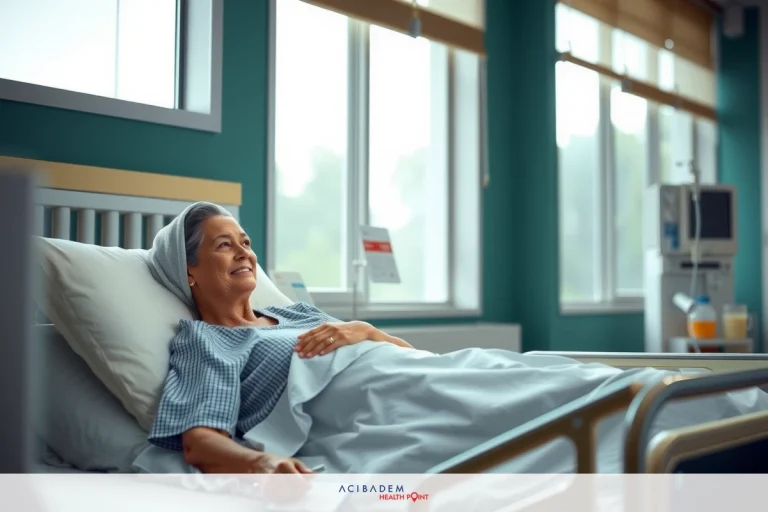
Lung cancer side effects causes and treatment
Lung cancer side effects causes and treatment Lung cancer remains one of the most challenging and prevalent forms of cancer worldwide, affecting millions each year. Its insidious nature often means symptoms develop gradually, making early detection difficult. Understanding the side effects, causes, and treatment options for lung cancer is essential for patients, caregivers, and healthcare providers to navigate this complex disease effectively.
The side effects of lung cancer can be both a direct result of the tumor itself and the treatments used to combat it. Common symptoms include persistent cough, chest pain, shortness of breath, wheezing, and unexplained weight loss. As the disease progresses, patients may experience fatigue, coughing up blood, and recurrent respiratory infections. These symptoms can significantly impair quality of life. Treatment side effects are equally impactful. Chemotherapy, for example, often causes hair loss, nausea, vomiting, fatigue, and a weakened immune system. Radiation therapy might lead to skin irritation and inflammation of the esophagus, resulting in swallowing difficulties. Targeted therapies and immunotherapy can also produce side effects like skin rashes, diarrhea, or liver problems. Recognizing and managing these effects is crucial to maintaining the patient’s well-being during treatment.
The causes of lung cancer are primarily linked to lifestyle factors, environmental exposures, and genetic predispositions. The most significant risk factor is smoking tobacco, which accounts for approximately 85% of lung cancer cases. Carcinogens present in cigarette smoke damage the DNA of lung cells, leading to mutations that can initiate cancer. However, non-smokers are also at risk due to exposure to secondhand smoke, radon gas, asbestos, air pollution, and occupational hazards. Genetic factors can influence susceptibility; some individuals inherit gene mutations that increase their vulnerability to lung cancer. A family history of lung cancer further elevates risk, even in non-smokers, suggesting a hereditary component.
Treatment options for lung cancer depend on the type and stage of the disease. Non-small cell lung cancer (NSCLC) and small cell lung cancer (SCLC) are the two main categories, each requiring different approaches. Early-stage NSCLC may be effectively managed with surgery to remove the tumor, often followed by chemotherapy or targeted therapy to eliminate residual cancer cells. Advanced NSCLC might involve systemic treatments like targeted drugs that inhibit specific mutations such as EGFR or ALK, or immunotherapy to boost the body’s immune response against cancer cells. SCLC, which tends to grow and spread rapidly, is usually treated with chemotherapy and radiation. In some cases, palliative care focuses on alleviating symptoms and improving quality of life, especially when curative options are limited. Emerging treatments, including personalized medicine and novel immunotherapies, are continually improving outcomes and offering hope to patients.
In conclusion, lung cancer’s side effects can be profound, but advances in understanding its causes and developing targeted treatments are helping improve prognosis and quality of life. Early detection remains vital, emphasizing the importance of regular screenings, especially for high-risk groups like smokers and those with a family history. Comprehensive care that addresses both the physical and emotional impacts of lung cancer is essential for optimal patient outcomes.


