





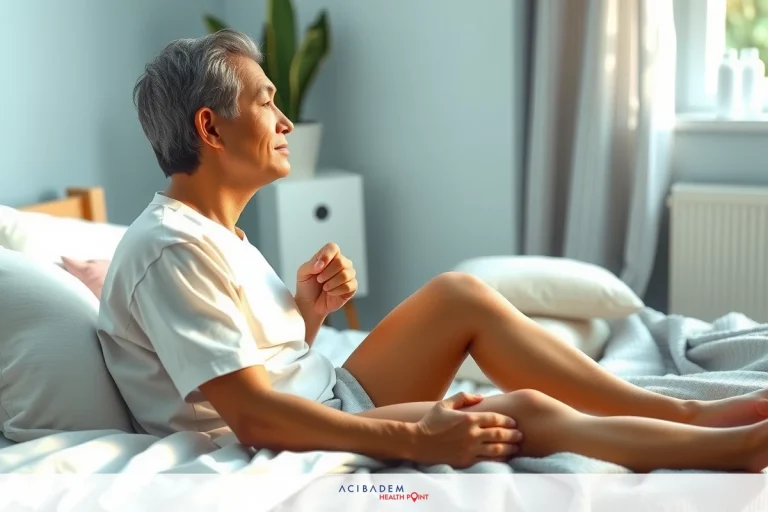
Lower Leg Heaviness – How to Handle It Effectively
Many people feel their legs are heavy, which can be uncomfortable. This feeling of weight and tiredness in the legs is common. It can come from different reasons, so it’s key to know what causes it and how it feels.
By understanding these, you can start to feel better. We’ll share ways to ease leg discomfort and boost your life quality. You’ll learn how to handle leg heaviness and when to see a doctor.
Understanding Lower Leg Heaviness
Knowing what causes lower leg heaviness is key to fixing it. This feeling can come from many reasons that affect our daily lives. By understanding these causes and symptoms, we can find the right help.
What Causes Lower Leg Heaviness?
There are many reasons for lower leg heaviness. Some common ones are:
- Poor circulation
- Prolonged sitting or standing
- Obesity
- Muscle fatigue
- Dehydration
- Chronic venous insufficiency
- Peripheral artery disease
These factors can make your legs feel heavy. It’s important to check your lifestyle and health. Some medical issues, like varicose veins or blood clots, need a doctor’s check-up.
Symptoms Associated with Lower Leg Heaviness
When you have lower leg heaviness, you might feel other symptoms. These can include:
- Swelling in the legs
- Aching sensation
- Fatigue or tiredness in the legs
- Cramps or spasms
- Pain while walking
It’s important to know these symptoms. They help you figure out if you need medical help. Understanding these signs can help you find relief and improve your leg health.
Lower Leg Heaviness – How to Handle It
Managing lower leg heaviness can be done with simple steps. These steps help you feel better and reduce discomfort. Knowing how to take care of yourself and wh
en to see a doctor is crucial.
Home Remedies for Relief
There are many home remedies for lower leg heaviness. These can help you feel better. Some effective options include:
- Elevating your legs regularly to improve circulation
- Engaging in regular physical activity to strengthen leg muscles and promote blood flow
- Practicing stretching and strengthening exercises to enhance flexibility
- Applying cold or warm compresses to affected areas for soothing relief
- Maintaining hydration to support overall vascular health
Using these remedies can greatly improve your comfort and well-being.
When to Consider Medical Attention
While many cases can be managed at home, knowing when to see a doctor is important. If you have persistent pain, swelling, or discoloration, seek medical help. Signs of infection like increased warmth or redness also mean it’s time to see a doctor. Being aware of these signs helps you take care of your leg health.
Preventing Future Discomfort in Your Legs
To avoid lower leg heaviness, taking proactive steps is key. Keeping a healthy weight is crucial, as extra pounds can strain your legs. Regular exercise, like walking, cycling, and swimming, boosts circulation and strengthens your legs.
Wearing comfortable shoes is also important. Choose supportive shoes over high heels or tight shoes to reduce leg stress. Taking short breaks to stretch or walk can also improve circulation and ease tension.
What you eat matters too. Drinking plenty of water and eating foods high in potassium and magnesium helps blood flow. These habits can help keep your legs healthy and reduce discomfort.


