





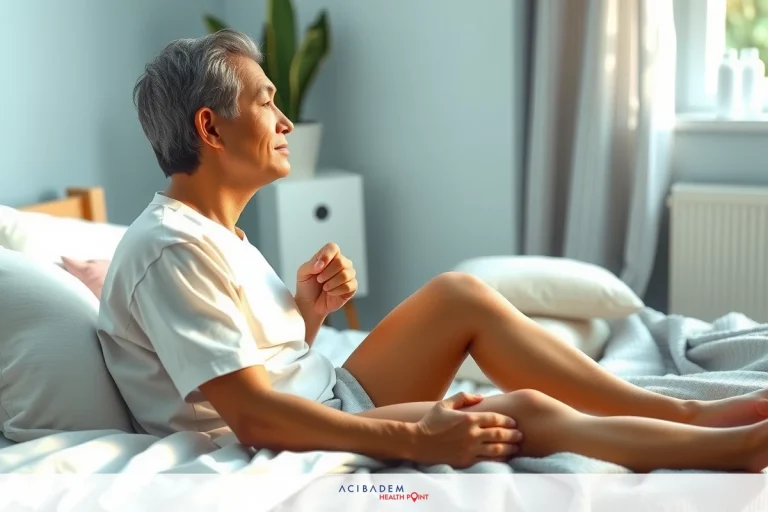
Lower Leg Heaviness: Explore Treatment Options
Lower leg heaviness is a common problem that affects many people. It can make everyday life harder. Finding the right treatment is key to feeling better.
There are many ways to tackle this issue. Improving blood flow and easing pain are important steps. This can help you move freely again.
This article will look at both doctor’s office treatments and things you can do at home. We aim to help you find relief from lower leg heaviness.
Understanding Lower Leg Heaviness
Lower leg heaviness can make daily activities tough. It affects how we feel overall. Knowing the signs can help tackle the root problems. This part looks at common symptoms and what might cause them.
Common Symptoms of Lower Leg Heaviness
People with lower leg heaviness might feel a few things. These symptoms can be mild or severe. Here are some common ones:
- Feeling of tightness in the lower leg
- Swelling, particularly around the ankles
- Fatigue after prolonged periods of standing or sitting
- Cramps, especially during physical activities
Knowing these symptoms helps find the right treatment.
Potential Causes of Leg Discomfort
Many things can make legs feel heavy. Some big reasons include:
- Poor circulation, which can lead to reduced blood flow
- Venous insufficiency, where veins struggle to send blood back to the heart
- Lifestyle factors such as prolonged sitting or standing
- Obesity, increasing pressure on leg veins
Fixing these issues is key to feeling better in your legs.
| Symptom | Description |
|---|---|
| Tightness | A constricting feeling in the lower leg, often uncomfortable. |
| Swelling | Unusual increase in leg size, frequently noticed around the ankles. |
| Fatigue | Weakness and lack of energy after sitting or standing for long periods. |
| Cramps | Sudden muscle contractions in the lower leg, which can be painful. |
Lower Leg Heaviness – Treatment Options
Managing lower leg heaviness requires looking into different treatment options. These can help reduce discomfort. Finding the right treatment can greatly improve life quality for those with this issue. There are non-invasive and natural remedies available. Knowing which method to use is key to effective relief.
Non-Invasive Treatments Available
Non-invasive treatments are a main way to tackle leg h
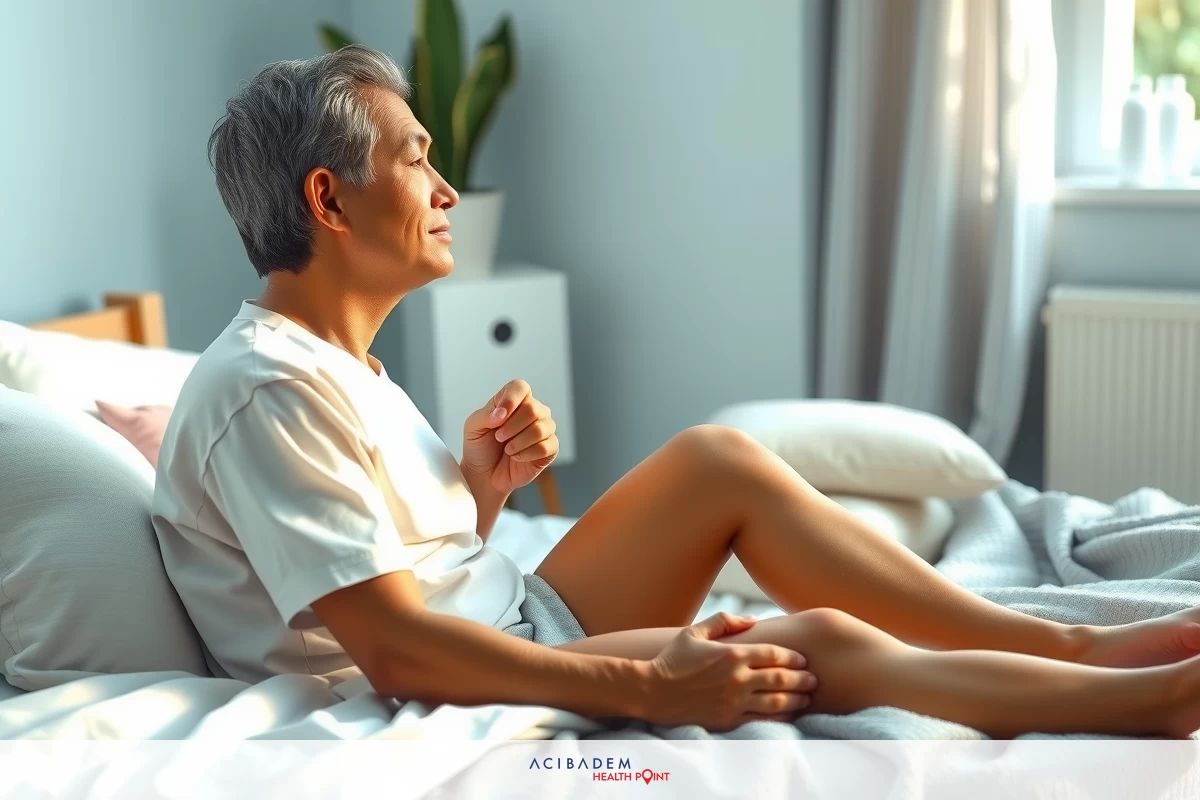
eaviness. They are usually safe and include:
- Physical therapy to strengthen leg muscles and boost circulation.
- Compression therapy with stockings or wraps to lessen swelling and pain.
- Making lifestyle changes like regular exercise and a balanced diet for better vascular health.
Using these non-invasive treatments can help lessen leg heaviness over time.
Home Remedies for Relief
For relief at home, several effective remedies can be added to daily routines. These include:
- Elevating the legs to improve circulation and reduce swelling.
- Applying cold compresses to the affected areas to lessen discomfort.
- Using herbal supplements like horse chestnut or ginger for circulation support.
Adding these home remedies to a regular routine can offer ongoing relief from leg heaviness.
When to Seek Professional Help
Knowing when to see a doctor for leg heaviness is crucial. You should consult a healthcare professional if you experience:
- Severe swelling or pain in the legs that doesn’t get better.
- Visible changes in skin color or temperature.
- Recurring episodes of leg heaviness that interfere with daily activities.
Seeking medical help early can lead to early diagnosis and treatment. This can prevent more serious conditions from developing.
Preventative Strategies for Leg Comfort
To keep your legs comfortable for a long time, it’s important to add good leg care to your daily life. Regular exercise is key to keeping blood flowing well. Try walking, swimming, or cycling for at least 30 minutes each day. This strengthens your leg muscles and helps blood circulation.
Drinking enough water is also vital for less leg heaviness. Staying hydrated boosts blood flow and muscle strength. Eating right and keeping a healthy weight also helps your legs. You might want to talk to a nutritionist for advice that fits your health needs.
Using ergonomic practices in your daily life can also help. Wear shoes that support your body’s natural shape. Take breaks to stand or stretch, especially when sitting for a long time. Raising your legs can also help reduce swelling and improve blood flow. These easy steps can make a big difference in how comfortable your legs feel.


