





Liver cancer treatment signs and symptoms
Liver cancer treatment signs and symptoms Liver cancer, also known as hepatocellular carcinoma, is a serious health condition that often remains undetected until it reaches an advanced stage. Recognizing the signs and symptoms early can be crucial for timely diagnosis and effective treatment. Unfortunately, liver cancer frequently develops silently, with many individuals experiencing minimal or no symptoms in the initial phases. As the disease progresses, however, certain indicators become more apparent, prompting individuals to seek medical attention.
One of the earliest signs of liver cancer can be persistent fatigue and a general feeling of weakness. These symptoms are often nonspecific and can be mistaken for other illnesses, which underscores the importance of awareness. As the tumor grows, individuals may notice unexplained weight loss, loss of appetite, or a feeling of fullness in the abdomen after eating only small amounts of food. These changes can be subtle at first but tend to become more pronounced over time.
Another common symptom is abdominal pain or discomfort. This may manifest as a dull ache or a sensation of fullness on the right side of the abdomen, where the liver is located. The pain might radiate to the shoulder or back and can worsen with movement or eating. Swelling or a noticeable mass in the abdomen can also develop as the tumor enlarges or if there is fluid accumulation, known as ascites.
Jaundice is a hallmark sign of liver problems, including liver cancer. It occurs when the liver’s ability to process bilirubin, a yellow pigment, becomes impaired. Jaundice presents as yellowing of the skin and the whites of the eyes, dark urine, and pale-colored stools. These changes often indicate that the disease has advanced but should prompt immediate medical evaluation.
Other signs may include easy bruising or bleeding due to the liver’s role in producing clotting factors. Patients might also experience itching, fever, or signs of anemia such as pallor and dizziness. In some cases, the development of varices—enlarged veins in the esophagus or stomach—can cause life-threatening bleeding episodes, serving as an additional warning sign of advanced liver disease.
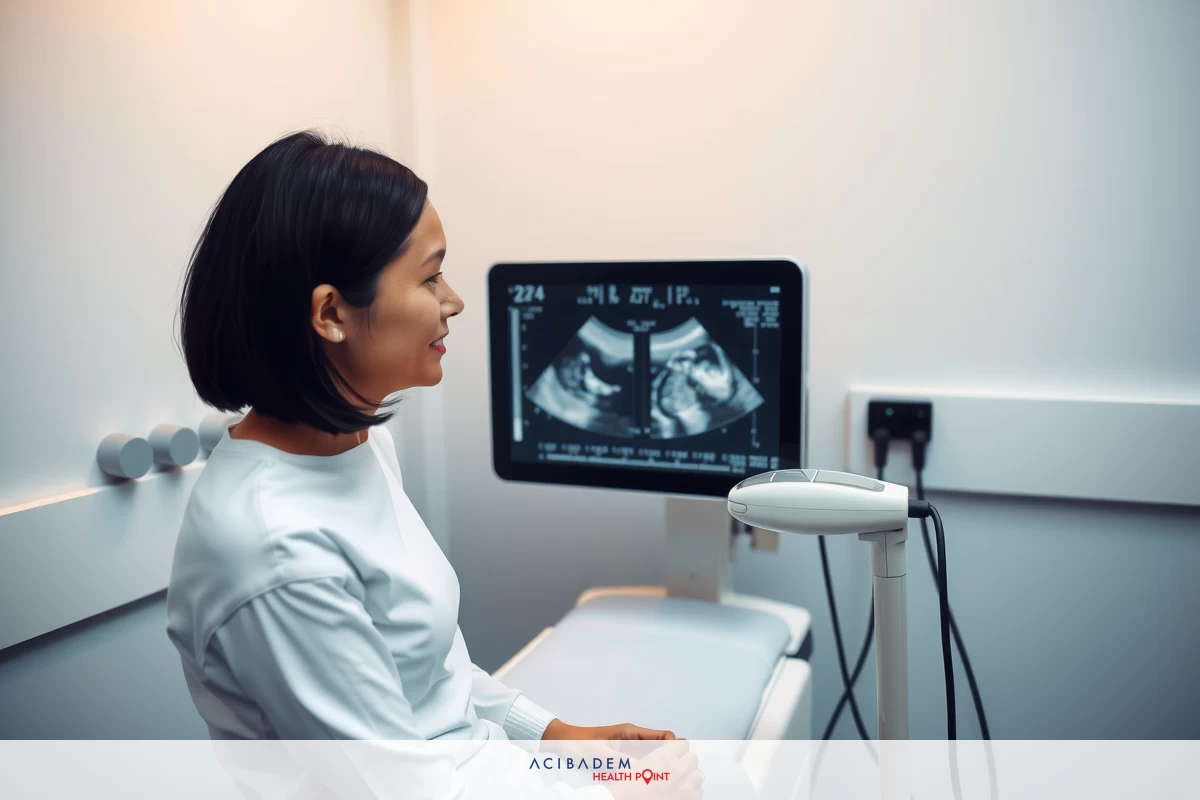
It is vital to keep in mind that many of these symptoms overlap with other liver conditions or gastrointestinal issues. Therefore, individuals experiencing persistent or worsening symptoms should seek medical advice promptly. Diagnostic tests such as ultrasound, CT scans, MRI, and blood tests, including alpha-fetoprotein (AFP) levels, help confirm the presence of liver cancer and assess its stage.
Early detection of liver cancer significantly improves the chances of successful treatment, which may include surgery, ablation therapies, targeted drugs, or liver transplantation. Regular screening is especially important for individuals at high risk, such as those with chronic hepatitis B or C infection, cirrhosis, or a family history of liver cancer.
Understanding the signs and symptoms of liver cancer empowers individuals and healthcare providers to act swiftly. While the disease can be aggressive and challenging to treat in advanced stages, early diagnosis offers the best hope for effective intervention and improved survival outcomes.


