





Insights into Pediatric Brain Tumor Survival Rates
Insights into Pediatric Brain Tumor Survival Rates Understanding survival rates for children with brain tumors is crucial for patients, families, and healthcare providers. It guides realistic expectations and informs treatment decisions. Here’s why these statistics matter.
We rely on reputable sources such as the American Brain Tumor Association, the National Cancer Institute, and the Journal of Clinical Oncology. These organizations highlight the progress in pediatric brain tumor treatments and demonstrate how improved therapies have significantly impacted outcomes.
This information provides an overview of various childhood brain tumors, including their diagnosis, treatment options, and current research efforts. It aims to deepen our understanding of pediatric brain cancer.
Overview of Pediatric Brain Tumors
Understanding pediatric brain tumors is crucial for parents, caregivers, and healthcare providers. This field focuses on brain cancers in children, which differ from adult tumors due to the distinct biological and pathological features of young brains. Insights into Pediatric Brain Tumor Survival Rates
Diagnosing these tumors is challenging and requires a specialist team. Children may experience headaches, nausea, vision issues, or behavioral changes. Early, accurate detection is crucial for effective treatment and improved recovery chances.
According to Pediatrics, understanding the various types of childhood brain cancers—such as medulloblastomas, gliomas, and ependymomas—is crucial. This knowledge enables doctors to develop more effective treatment strategies. Insights into Pediatric Brain Tumor Survival Rates
Organizations such as the Brain Tumor Foundation for Children and the World Health Organization provide vital information on the prevalence of pediatric brain tumors, treatment effectiveness, and ongoing research. Pediatric oncologists also contribute insights, highlighting the urgent need for improved therapies and support for affected children.
Categories of Pediatric Brain Tumors
Pediatric brain tumors vary widely, each with unique growth patterns and treatment approaches. Understanding these types enables doctors to develop more effective plans. This section covers three common tumor types, highlighting their biology, symptoms, and key facts, based on major research and reputable sources like the Children’s Oncology Group.
Medulloblastoma
Medulloblastomas are the most prevalent childhood brain tumors, typically developing in the cerebellum. They are aggressive and require intensive treatment. Advances in therapy—such as surgery, radiation, and chemotherapy—are improving outcomes, allowing doctors to better target different medulloblastoma subtypes.
Glioma
Pediatric gliomas vary from mild to severe, with prognosis depending on their type, grade, and location. High-grade gliomas are more challenging and require aggressive therapy. Organizations like the Pediatric Brain Tumor Consortium are actively researching improved treatments. Standard options include surgery, radiation, and chemotherapy, while advances in precision medicine are also enhancing care.
Ependymoma
Ependymomas originate in the lining of the brain and spinal cord, mostly affecting young children. Treatment typically involves surgery and radiation, but complete removal is often challenging due to their location. Developing new therapies is crucial for improving patient outcomes.
The table below highlights key facts about these three types of pediatric brain tumors.
| Tumor Type | Prevalence | Common Location | Primary Treatment | Survival Rate |
|---|---|---|---|---|
| Medulloblastoma | 20% | Cerebellum | Surgery, Radiation, Chemotherapy | 70-80% |
| Glioma | 45% | Various Brain Regions | Surgery, Radiation, Chemotherapy | 60-90% (Low-Grade) |
| Ependymoma | 10% | Ventricular System | Surgery, Radiation | 50-70% |
Early Diagnosis and Detection
Early detection of a child’s brain tumor is crucial for effective treatment. Recognizing symptoms like headaches, nausea, balance issues, and vision changes allows doctors to initiate prompt and appropriate care.
When a child exhibits these signs, a neurological assessment is the initial step. Doctors evaluate brain function by observing the child’s movements, thinking, and responses to identify any issues.
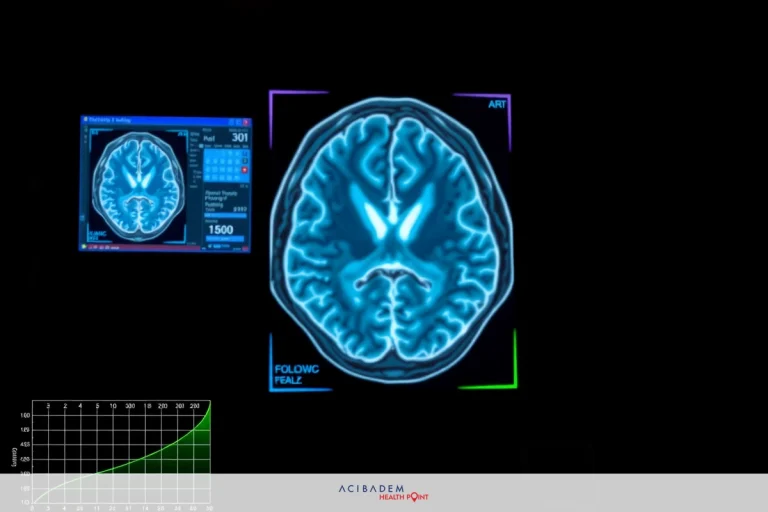
MRI scans are essential for examining the brain, providing detailed images of its structures. They help doctors locate and assess tumors accurately. Since MRI doesn’t involve harmful radiation, it is a safe imaging method.
Children’s Hospital of Philadelphia combines MRI scans with doctor assessments to diagnose issues accurately. This approach allows for personalized treatment plans, helping doctors identify the type and growth of brain tumors in each child.
In summary, the table below outlines the tools doctors use and their purposes.
| Diagnostic Tool | Advantages | Applications |
|---|---|---|
| MRI Imaging | High resolution, no ionizing radiation | Detecting tumor size and location, identifying tumor type |
| Neurological Assessment | Comprehensive evaluation of neurological function | Assessing motor skills, reflexes, and cognitive impacts |
| CT Scans | Quick imaging, useful in emergencies | Initial assessment when MRI is unavailable |
Insights into Pediatric Brain Tumor Survival Rates Prompt and accurate use of these methods ensures children receive appropriate treatment, highlighting the importance of early diagnosis for kids with brain tumors.
Elements Influencing Survival Outcomes
Childhood brain tumor survival rates vary based on factors such as the child’s age at diagnosis, tumor location and size, and genetic makeup. Understanding these helps doctors develop more effective treatment strategies.
Age at Diagnosis
A child’s age at diagnosis of a brain tumor is important. Very young children under three often have more aggressive tumors, while older children tend to have better chances of recovery due to growth and a stronger immune system.
Tumor Location and Dimensions
Tumor location and size impact survival; those in critical areas like the brainstem or thalamus are more difficult to remove. Larger tumors typically require more advanced treatment approaches.
Genetic Influences
Genes significantly influence the behavior and treatment response of brain tumors. Research has identified specific genetic mutations that worsen outcomes. Ongoing studies aim to understand how these genes impact survival, enabling doctors to tailor more effective, personalized treatments for children.
| Factor | Impact on Survival Rates |
|---|---|
| Age at Diagnosis | Less favorable in younger children, improves with age |
| Tumor Location | Critical in vital brain regions, better outcomes in non-vital areas |
| Tumor Size | Larger tumors have worse prognosis |
| Genetic Factors | Specific mutations linked to poorer survival |
Survival Rates for Pediatric Brain Tumors
Understanding how children with brain tumors progress is crucial. Organizations like the CDC and WHO highlight significant advances in treatment.
Recent data shows that more children with brain tumors are surviving longer due to advances in technology and improved treatments. This leads to better care and higher recovery rates for young patients.
This table displays survival rates for various brain tumor types, comparing overall averages with specific tumor categories.
| Brain Tumor Type | National Average Survival Rate | Specific Condition Survival Rate |
|---|---|---|
| Medulloblastoma | 70% | 75%-80% |
| Glioma | 50% | 55%-60% |
| Ependymoma | 60% | 65%-70% |
While these figures are encouraging for children battling brain cancer, there’s still progress to be made. Increased research and innovative treatments are essential to ensure complete recovery for these kids.
Recent Developments in Treatment
Recent advances in pediatric brain tumor treatment include less invasive surgeries, leading to shorter recovery times and improved outcomes for children.
Surgical Procedures
Innovative techniques such as endoscopic and image-guided neurosurgery are now used in pediatric brain procedures. These approaches reduce complications and enhance the accuracy of tumor removal.
Institutions such as Memorial Sloan Kettering Cancer Center are at the forefront of these advancements, enhancing the safety and accuracy of surgeries.
Chemotherapy and Radiation Therapy
New chemotherapy drugs for children have been developed that are more effective and cause fewer side effects, reducing long-term harm.
Innovative radiation methods, such as proton beam therapy, target cancer cells precisely, allowing children to maintain a better quality of life during treatment.
Emerging Immunotherapy and Experimental Therapies
Immunotherapy and emerging treatments show great promise by harnessing the immune system to combat cancer. Numerous clinical trials are currently evaluating t
heir effectiveness.
St. Jude Children’s Research Hospital and ClinicalTrials.gov are advancing pediatric cancer treatments through ongoing clinical trials. This continuous research offers hope for improved therapies for children with cancer.
Advances in research continually improve the fight against childhood cancer. Hospitals and research centers are at the forefront, offering new treatments that give hope for a brighter future for affected children and their families.
Understanding the Importance of Clinical Trials
Clinical trials are essential for advancing pediatric cancer research and providing children with brain tumors access to innovative treatments. Participating in these trials offers early availability of new therapies.
Participating in trials enhances our understanding of cancer and improves future treatments.
Safety is the top priority when joining a trial. The FDA and organizations like the National Cancer Institute enforce strict regulations and closely monitor the trials to protect children.
Parents considering clinical trials for their children should understand the benefits: early access to new treatments and close medical supervision. Each trial clearly explains its purpose, methods, and potential risks.
| Aspect | Description |
|---|---|
| Access to New Treatments | Early access to emerging therapies not yet available to the general public. |
| Safety Oversight | Continuous monitoring and stringent guidelines ensure participant safety. |
| Informed Consent | Families are provided with comprehensive details to make well-informed decisions. |
| Personalized Medical Care | Participants receive personalized attention from leading medical professionals. |
Websites such as ClinicalTrials.gov are valuable resources for locating clinical trials, aiding researchers in advancing pediatric cancer treatments and making significant progress in care.
Family Support Services and Resources
When a child is diagnosed with a brain tumor, families encounter numerous challenges, including medical, emotional, and financial struggles. Support groups can provide valuable assistance by connecting them with others who understand their experience.
Organizations such as the Cancer Support Community and the American Psychosocial Oncology Society provide extensive support through online and in-person services, educational resources, and counseling, helping families feel less isolated.
Supporting children with brain tumors through proper treatment is essential. Advocacy organizations inform families about their rights, available treatments, and financial assistance. The Pediatric Brain Tumor Foundation provides valuable support and resources to families in need.
Resources are available for families facing brain tumors, offering assistance with travel, school needs, and sibling support to ease the burden during difficult times.
| Resource Type | Organization | Services Provided |
|---|---|---|
| Emotional Support | Cancer Support Community | Support groups, counseling, and stress management workshops |
| Advocacy | Pediatric Brain Tumor Foundation | Patient advocacy, educational resources, and financial assistance |
| Psychosocial Support | American Psychosocial Oncology Society | Psychosocial services, professional counseling, and support networks |
Joining cancer support groups, advocacy efforts, and accessing brain tumor resources can significantly improve quality of life for both the child and their family, providing essential support and strength during challenging times.
Long-Term Care for Brain Tumor Survivors
Overcoming a brain tumor in children highlights advances in medicine and their resilience. However, recovery is just the beginning; ongoing care is essential to address the lasting physical, mental, and emotional impacts of the illness and its treatment.
Physical Therapy
Physical rehabilitation is essential for long-term care, helping children regain strength and mobility. They receive tailored therapies—physical, occupational, and speech—to address challenges from surgery or extended treatment.
Mental and Emotional Assistance
Restoring mental and emotional well-being is equally vital. Children may require assistance with thinking skills due to the tumor or treatment, such as exercises to boost memory and problem-solving. Counseling also plays a key role in helping kids and families manage their emotions. Organizations like the Brain Injury Association of America and the Child Mind Institute highlight the importance of this support for recovery and overall well-being.
Combining these elements into a care plan ensures children receive comprehensive support, benefiting them now and later.
| Long-Term Care Component | Key Services | Primary Benefits |
|---|---|---|
| Physical Rehabilitation | Physical Therapy, Occupational Therapy | Improved Mobility, Strength Recovery |
| Cognitive Rehabilitation | Neurocognitive Exercises | Enhanced Memory and Attention |
| Emotional Support | Psychological Counseling | Better Emotional Health |
Significance of Pediatric Oncology Experts
Pediatric oncology specialists are essential for treating children with brain tumors. Their expertise in pediatrics ensures they provide specialized, effective care for these complex cases.
Pediatric oncology specialists undergo extensive training to handle complex childhood cancers and continually update their knowledge to incorporate the latest treatments.
Pediatric neuro-oncologists are involved from the beginning, providing medical care and support to children and their families to help them navigate the challenges of cancer treatment.
A team of pediatric oncology experts, neurosurgeons, and radiologists collaborates to treat children with cancer. Their coordinated effort ensures comprehensive care, resulting in improved outcomes.
The table below highlights the main contributions and areas of focus for pediatric oncology experts.
| Specialist Type | Key Contributions | Areas of Focus |
|---|---|---|
| Pediatric Neuro-Oncologists | Diagnosis, treatment planning, ongoing medical management | Brain and spinal cord tumors, neurocognitive impacts, long-term follow-up care |
| Pediatric Surgeons | Surgical intervention, postoperative care | Resection of tumors, minimizing surgical risks, postoperative recovery |
| Radiologists | Imaging, diagnosis, interventional procedures | MRI, CT scans, image-guided biopsies |
| Radiation Oncologists | Radiation therapy planning and delivery | Targeted radiation treatments, minimizing exposure to healthy tissues |
Pediatric oncology specialists are essential for children with brain tumors, providing expert care that enhances treatment effectiveness and improves their quality of life. Insights into Pediatric Brain Tumor Survival Rates
Trends in Statistics and Survival Rates
Examining cancer statistics over the years reveals improvements in survival rates for children with brain tumors. Advances in treatment and early diagnosis in the US have significantly contributed to these positive outcomes, highlighting the impact of medical progress and early detection.
Past Records
In the past, children with brain tumors had low survival rates due to limited treatment options and difficulty in detection. Data from the SEER program highlights significant improvements in survival over time.
Insights into Pediatric Brain Tumor Survival Rates Since the late 1900s, survival rates have significantly improved due to advances in surgical techniques, chemotherapy, and radiation therapy.
Recent Trends in the U.S.
The outlook has significantly improved, with the American Society of Clinical Oncology and National Health Statistics Reports reporting notable increases in survival rates for children with brain tumors. Advances in treatment and early detection have been instrumental in these improvements.
Here’s a summary of how survival rates have evolved over the years:
| Time Period | 5-Year Survival Rate (%) |
|---|---|
| 1970-1980 | 50% |
| 1980-1990 | 60% |
| 1990-2000 | 70% |
| 2000-2010 | 75% |
| 2010-Present | 80% |
This data demonstrates significant improvements in survival rates, emphasizing the crucial impact of research and new technology in combating pediatric cancer.
Guidelines for Promoting Additional Research
Research into pediatric brain tumors is crucial for helping children overcome cancer. Everyone can contribute by raising awareness about the need for increased funding—through hosting events, sharing stories on social media, and participating in campaigns.
Fundraising plays a key role in making an impact. Partnering with organizations such as the National Brain Tumor Society and hosting events like charity runs and bake sales effectively support research funding.
Engaging with lawmakers is a key way to influence change. Supporting organizations like the American Cancer Society advocates for improved policies, and sharing success stories helps sustain momentum for more research.


