





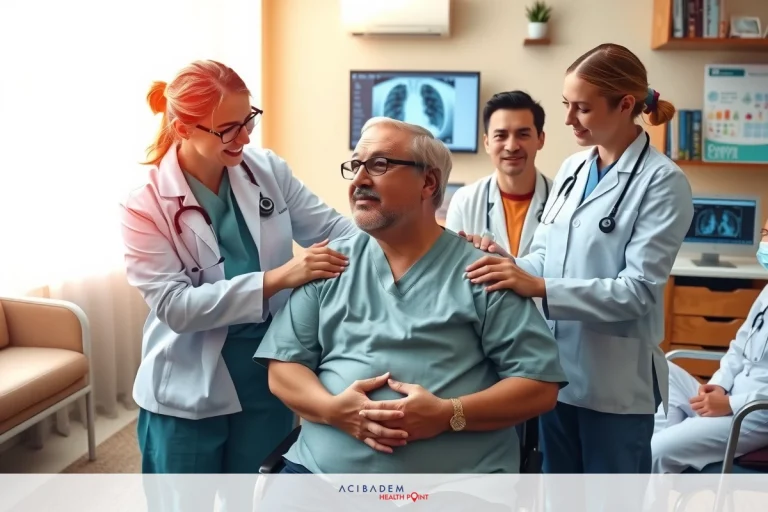
How To Cope With A Lung Cancer Diagnosis?
How To Cope With A Lung Cancer Diagnosis? Facing a lung cancer diagnosis can feel overwhelming. It’s natural to have many thoughts and questions running through your mind. You may wonder about the next steps, treatment options, or how life will change.Support from family and friends is vital during this time. Finding groups of people who share similar experiences can also help you feel less alone. Understanding emotions plays a key role in coping. It’s okay to feel sad or scared. Talking openly about feelings can offer relief and strength.
Healthcare teams are there for you every step of the way. They provide not just medical care but emotional support too. Knowing that you’re not alone makes all the difference on this journey.
What is lung cancer?
Lung cancer can be dangerous. It happens when cells grow out of control. These cells form a mass called a tumor. Not all tumors are cancerous though. Some are benign and don’t spread.
There are two main types: small cell and non-small cell lung cancer. Non-small cell is more common than small cell lung cancer. Knowing the type helps doctors choose the best treatment options for you.
Symptoms can include coughing, chest pain, and shortness of breath. Sometimes people may also feel tired or lose weight without trying to do so. Early signs might be mild but should not be ignored.
Diagnosis involves several steps like scans and biopsies to look at your lungs closely with these tools help in understanding how far it has spread if it has spread at all this information guides treatment plans which could involve surgery chemotherapy or other methods each case is unique.
Common Symptoms of Lung Cancer
Lung cancer often starts with a cough that doesn’t go away. This is one of the most common signs. It can be dry or produce phlegm. If you notice blood in your cough it’s time to see a doctor.
Chest pain is another symptom of concern. The pain might feel sharp or dull. It may get worse with deep breaths or coughing. Sometimes the pain spreads to the shoulder or back.
Shortness of breath can also signal lung cancer. You might find it hard to catch your breath even when resting. Simple tasks like walking up stairs can become challenging over time.
Unexplained weight loss and fatigue are other symptoms to watch for closely as they could indicate something serious going on inside your body if these issues persist without any clear reason consider seeking medical advice immediately. This step helps in early diagnosis and better treatment outcomes.
Emotional Impact of Diagnosis
A lung cancer diagnosis can bring many emotions. You may feel shock or disbelief first and then sadness or anger might follow. It’s normal to have these feelings. Everyone reacts differently.
Fear is also common when facing such news. Worries about the future and treatment options are part of this fear. Talking to someone you trust helps a lot in easing these worries.
Support groups offer great coping strategies for emotional impact. Sharing your story with others who understand can be comforting. You can join local or online groups for support.
Mental health should not be overlooked during this time as it plays a big role in overall well-being seeking professional help like therapy offers another avenue for managing complex feelings remember it’s okay to ask for help.
Support Systems and Resources
Support systems are crucial when coping with lung cancer. Family and friends can offer a strong support network. They provide emotional comfort and practical help during tough times.
Community resources also play a big role in your journey. Local hospitals often have support groups for patients where you can share experiences and gain insights from others facing similar challenges.
Online forums are another great resource. Many websites host communities of lung cancer patients. These platforms allow you to connect with people worldwide, sharing tips, stories, and advice on treatment options.
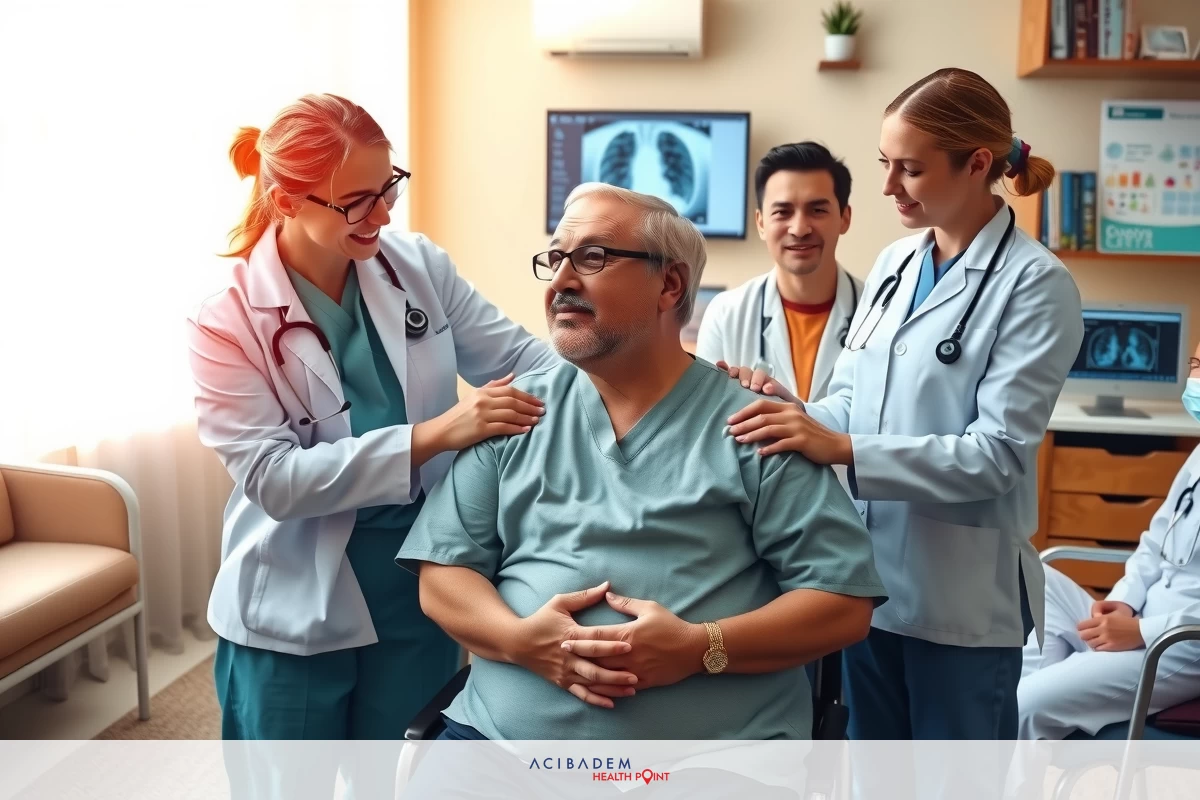
There are organizations dedicated to helping those with lung cancer as well these groups offer various services like counseling financial aid or information about the latest research. Staying connected to these resources helps ease the burden making it easier to focus on your health.
Treatment Options Available
When facing lung cancer knowing your treatment options is key. Surgery is one common choice. It involves removing the tumor from the lung. This option works best when cancer is caught early.
Chemotherapy uses drugs to kill cancer cells. These drugs can be taken by mouth or through an IV. Chemotherapy often requires multiple sessions over a period of time.
Radiation therapy uses high-energy rays to target and destroy cancer cells in specific areas this method might be used alone or with other treatments like surgery or chemotherapy it helps shrink tumors and relieve symptoms.
There are also newer treatments available such as targeted therapies these focus on specific genes or proteins involved in cancer growth. Another advanced option is immunotherapy which boosts your body’s natural defenses to fight off the disease every case is unique so discussing all choices with your healthcare team ensures you get the best plan tailored for you.
Frequently Asked Questions
[sc_fs_multi_faq headline-0=”h4″ question-0=” Q: What are the early symptoms of lung cancer?” answer-0=”A: Early symptoms often include a persistent cough, chest pain, and shortness of breath. If you notice these signs see a doctor.” image-0=”” headline-1=”h4″ question-1=”Q: Can lifestyle changes help in coping with lung cancer?” answer-1=”A: Yes adopting healthy habits like eating well and staying active can improve your overall well-being and mental health.” image-1=”” headline-2=”h4″ question-2=”Q: Are there support groups for lung cancer patients?” answer-2=” A: Many hospitals and online platforms offer support groups where you can connect with others facing similar challenges.” image-2=”” count=”3″ html=”true” css_class=””]

