





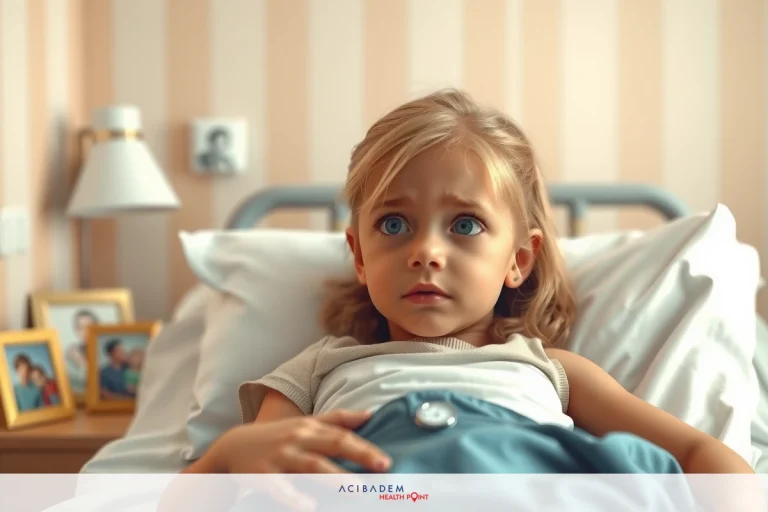
How Is Chemotherapy Used In Treating Childhood Heart Tumors?
How Is Chemotherapy Used In Treating Childhood Heart Tumors? Childhood heart tumors can be tough for families to face. Doctors often use chemotherapy to help treat these conditions. With the right approach chemo can target and shrink tumors. It doesn’t work alone and needs careful planning by health experts. Kids going through chemo need support from their loved ones.Getting the dose of medicine right in chemotherapy is key for success. Too much can harm a child’s growing body but too little might not stop the tumor growth. Nurses and doctors watch children closely during treatment sessions. They look out for side effects like hair loss or feeling sick which can be hard on young patients.
After finishing chemo kids have check-ups to see how well it worked. Families learn ways to help manage any lasting side effects together with medical teams. It takes time for kids to feel better after such intense therapy sessions are over.
Chemotherapy Overview
Chemotherapy is a key treatment for childhood heart tumors. It uses drugs to kill cancer cells and stop them from growing. The goal is to shrink the tumor or get rid of it completely. Doctors tailor chemo plans based on each child’s needs.
How Is Chemotherapy Used In Treating Childhood Heart Tumors? This treatment can be tough but it has been proven effective against cancer in kids. Chemotherapy attacks fast growing cells like those found in heart tumors. However, because it also affects healthy cells, doctors must find a balance with the dosage.
Kids receiving chemotherapy are monitored closely by their healthcare team. This ensures they get the best care while managing side effects that may arise during treatment. Their well-being and comfort are top priorities throughout this process.
After rounds of chemotherapy children undergo tests to see how their heart tumors have responded to the treatment. These tests help doctors decide if more chemo is needed or if other treatments should be considered as part of a comprehensive approach against childhood cancer.
Benefits of Chemotherapy
One major benefit of chemotherapy in treating childhood heart tumors is the potential for tumor shrinkage. This can mean surgery to remove the tumor might be less complex. A smaller tumor often allows for more precise surgical techniques. It also reduces the risk during an operation and improves recovery times. How Is Chemotherapy Used In Treating Childhood Heart Tumors?
Chemotherapy can sometimes bring about remission in children with heart tumors. Remission means that signs and symptoms of cancer are reduced or not detectable. For many families this offers a hope filled path forward after a frightening diagnosis. How Is Chemotherapy Used In Treating Childhood Heart Tumors?
Despite its side effects chemo’s ability to target cancer cells makes it a vital part of treatment plans. Advances in medicine have led to better ways to manage these side effects. Many kids who undergo chemotherapy maintain good quality of life during their treatment. How Is Chemotherapy Used In Treating Childhood Heart Tumors?
Another advantage is that chemo may reduce the need for radiation therapy which can be more harmful to

growing bodies. Avoiding or limiting radiation preserves healthy tissue and minimizes long-term health issues related to treatment exposure.
Chemotherapy Process
The chemotherapy process starts with a plan made by doctors who specialize in treating cancer. They choose the right drugs and dosages for each child’s specific needs. The type of heart tumor, its size, and how far it has spread all play a role. Sessions are then scheduled to give treatment over weeks or months.
Medications used in chemo can be given in different ways depending on what works best. Some kids might take pills while others get medicine through their veins at the hospital. The team makes sure that each session is as comfortable as possible for the child.
During chemotherapy nurses and doctors keep an eye on how children respond to treatment. They check for signs of the tumor shrinking and watch out for any side effects from medications. It’s important they know early if adjustments need to be made to the treatment plan.
Side Effects and Management
Chemotherapy for childhood heart tumors can cause side effects like nausea. This discomfort can affect a child’s appetite and mood. Doctors have effective medicines to help manage this symptom allowing kids to eat better and feel more at ease.
Hair loss is another common side effect of chemotherapy that affects children emotionally. Support groups and counseling are available to help young patients cope with changes in their appearance. Hospitals often provide resources such as wigs or hats designed for children.
Fatigue is frequently reported by those undergoing chemo treatments. It’s important for these kids to get plenty of rest between sessions. Parents are encouraged to create a calm home environment that promotes relaxation and sleep. Supportive care during chemotherapy also includes managing pain from the treatment or tumor itself. Pain management specialists work with the cancer treatment team to keep children as comfortable as possible.
Lastly good hygiene practices are crucial in preventing infections during chemotherapy when immune systems might be weaker than usual. Families receive guidance on how best to protect their child from illness including proper handwashing techniques and avoiding crowded places when necessary.
Recovery and Follow-Up
Once chemotherapy is complete the recovery phase for children with heart tumors begins. This period is crucial to help their bodies heal and gain strength. Parents are given specific guidelines on nutrition and physical activity suited to support recovery.
Follow-up care involves regular check-ups to monitor the child’s health after treatment. These visits are key in detecting any changes early on. They also allow doctors to address any concerns that might arise post- chemotherapy.
Health monitoring becomes part of routine life during the recovery phase. It includes blood tests and imaging scans as needed. These tests help ensure that the heart tumor has responded well to the chemotherapy.
Consultations with specialists continue even after chemo ends. This multidisciplinary team approach ensures comprehensive care for each child’s unique needs moving forward. Emotional support remains a significant aspect of follow-up care for young patients and their families. Psychologists or counselors may be involved in helping them adjust back into daily life post-treatment addressing any challenges they face along this journey. How Is Chemotherapy Used In Treating Childhood Heart Tumors?
Frequently Asked Questions
[sc_fs_multi_faq headline-0=”h4″ question-0=”Q: What is chemotherapy?” answer-0=”Chemotherapy is a type of cancer treatment that uses drugs to destroy cancer cells.” image-0=”” headline-1=”h4″ question-1=”Q: How long does chemotherapy last for childhood heart tumors?” answer-1=”The length of chemotherapy depends on the individual case but it often spans several months.” image-1=”” headline-2=”h4″ question-2=”Q: Can children go to school during their chemotherapy treatment?” answer-2=”Many children can attend school but it may depend on their overall health and side effects they are experiencing.” image-2=”” count=”3″ html=”true” css_class=””]

