





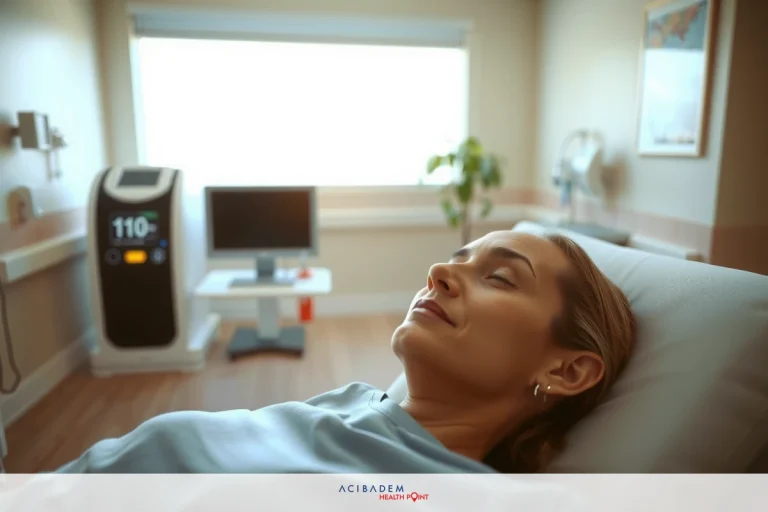
How Effective Is Radiation Therapy For Uveal Melanoma?
How Effective Is Radiation Therapy For Uveal Melanoma? Radiation therapy has become a common option for treating eye cancer. It uses high energy rays to target and destroy cancer cells. Uveal melanoma, a rare type of eye cancer, often responds well to this treatment. Doctors choose it because it can save eyesight while fighting the tumor.Many patients with uveal melanoma face their diagnosis with hope due to advances in radiation therapy. With precise targeting the damage to surrounding healthy tissue stays minimal. Recovery times may vary but many return to daily activities soon after treatment.
Talking about results success rates are encouraging for those choosing radiation over other methods. Each case differs and outcomes depend on various factors like tumor size and location. Patients should discuss options with their doctor for personalized advice.
Benefits of Radiation Therapy
Radiation therapy stands out as a powerful treatment for uveal melanoma. It helps patients maintain vision while controlling cancer growth effectively. This approach often means no need for surgical removal of the eye. Patients value this benefit as it can mean a better quality of life post treatment.
The precision with which radiation therapy targets tumors is one of its key advantages. Doctors use advanced imaging to focus on the cancer cells accurately. This reduces harm to nearby healthy tissue and lowers side effects significantly. For those worried about surgery this method offers an appealing alternative.
Another plus is that radiation therapy sessions are usually quick and non-invasive. Most people can have them done in outpatient settings without overnight stays at the hospital. The convenience allows individuals to continue their daily routines with minimal interruption which is highly beneficial.
Post treatment recovery times tend to be shorter compared to other treatments for eye cancer. Many find they can get back to work or enjoy leisure activities soon after their sessions end. Discussing these benefits with healthcare providers helps patients make informed decisions about managing uveal melanoma.
Side Effects to Consider
While radiation therapy is an effective treatment for uveal melanoma it comes with potential side effects. It’s important for patients to know what these may be before starting treatment. Some common side effects include fatigue which can make daily tasks feel more challenging. There might also be some discomfort or redness in the treated area.
One specific side effect of eye related radiation is a risk of developing cataracts. This condition can lead to blurred vision and if it occurs may require surgery to correct. Another possible outcome is dry eye syndrome causing irritation and a gritty feeling in the eyes that often needs ongoing management.
Radiation retinopathy is another concern that could develop months or years after treatment. This condition affects the blood vessels in the retina and can compromise vision over time. Regular check ups are crucial for catching such issues early when they’re more manageable.
Lastly changes in eyelid function or appearance are sometimes reported by patients undergoing radiation therapy for uveal melanoma. These alterations could affect how well the eyelids protect and moisturize the eye surface. Any concerns about these should be discussed with your healthcare provider who can offer

solutions or treatments as needed.
Treatment Success Rates
The success rates for radiation therapy in treating uveal melanoma are quite promising. Studies show that this treatment effectively controls the tumor growth in many cases. Most patients experience a halt in the progression of their eye cancer after undergoing radiation therapy. This is reassuring news for those considering this option.
It’s worth noting that early detection significantly boosts the effectiveness of radiation therapy. When caught at an early stage, uveal melanoma can be treated more successfully, with better outcomes expected. Patients often keep their vision and return to everyday life without major disruptions following treatment.
However it’s important to remember that every individual case is unique. Some factors like tumor size and location can influence the results of radiation therapy for uveal melanoma. Your doctor will discuss what success might look like for you based on your specific situation and how best to achieve it.
Patient Experience Insights
Patients who have undergone radiation therapy for uveal melanoma often share valuable insights. Many report a sense of relief as the non-invasive nature of the treatment reduces stress. The targeted approach provides reassurance that healthy parts of the eye are preserved. Those treated appreciate the relatively quick and painless procedure.
Follow up care is an essential part of the patient experience post radiation therapy. Regular check ups help monitor health and catch any changes early on. Patients value open communication with their doctors during these visits ensuring any concerns are addressed quickly.
Some individuals may notice effects on their vision following treatment but find them manageable. With support from healthcare teams they adapt to changes and maintain a good quality of life. Techniques like wearing sunglasses or using eye drops become part of their daily routine to manage symptoms.
Adjusting to life after radiation therapy can involve emotional ups and downs for patients with uveal melanoma. Support groups provide comfort offering spaces where experiences can be shared openly among peers facing similar challenges.
Finally most patients express gratitude towards advances in medical technology that make such treatments possible. Their stories underscore not just survival statistics but also living well after treatment.
Consulting Your Insurance Company
Before starting radiation therapy for uveal melanoma it’s crucial to consult your insurance company. Understanding what treatments are covered can help you plan financially. Coverage varies widely among different providers and policies. It is important to get clear information directly from your insurer.
Begin by asking about the specific coverage terms related to eye cancer treatment. Some plans cover radiation therapy fully while others may only offer partial coverage. You might also need prior authorization before beginning treatment so check on that process.
Keep in mind that some insurance plans have out of pocket maximums or deductibles that affect costs. Knowing these details ahead of time allows you to budget accordingly for your treatment journey. Sometimes supplemental insurance or patient assistance programs can help with expenses not covered.
Documentation is key when dealing with health insurance matters. Keep detailed records of all communications and any paperwork provided by your healthcare team related to the treatment plan. This will be useful if there are disputes or questions about claims later on.
Frequently Asked Questions
How long does radiation therapy for uveal melanoma typically take?
The duration of the treatment can vary but is usually completed in several sessions over one to two weeks.
Can I drive myself home after receiving radiation therapy treatments?
It depends on how you feel post treatment. Some people may be able to drive while others might need someone else to drive them.
Is there any special care required at home after undergoing radiation therapy for eye cancer?
Yes your healthcare team will provide specific instructions which may include using eye drops or protecting your eyes from sunlight.

