






How Does Targeted Therapy Differ From Chemo?
How Does Targeted Therapy Differ From Chemo? Targeted therapy is a cancer treatment that attacks specific features of cancer cells. It works differently than chemotherapy which affects all rapidly dividing cells. With targeted therapy only the growth and spread of cancer are focused on. This means normal cells are less likely to be harmed.Chemotherapy has been a common choice for treating many types of cancer for years. Unlike targeted therapy it does not distinguish between cell types. Both therapies have their own benefits and drawbacks based on the patient’s condition.
Patients often wonder about the differences between these treatments when making decisions with their doctors. Knowing what each option entails helps in choosing the best approach for treatment. Doctors can explain more about how each method works and its effects.
Mechanism of Action
Targeted therapy works by identifying specific genes or proteins found in cancer cells. These genes and proteins are what make the cancer grow and spread. Once identified targeted therapy drugs home in on these features to block their effects. This stops the growth of cancer or kills it entirely.
Chemotherapy takes a broader approach compared to targeted therapy’s precision strike. It uses powerful chemicals that kill fast-growing cells indiscriminately. Because chemotherapy attacks all rapidly dividing cells healthy ones can be affected too. This is why side effects with chemotherapy can be more intense.
The differences in treatment mechanisms have important implications for patients. Targeted therapies often result in fewer side effects due to their specificity. However not all cancers have identifiable targets for these treatments to work effectively.
Understanding how each type of treatment functions helps you grasp their impact on the body during cancer care. The choice between targeted therapy and chemotherapy depends on many factors including the type of cancer and its stage.
Side Effects
Targeted therapy is known for its precision in treating cancer which often leads to fewer side effects. The drugs used in targeted therapy focus on the cancer cells and leave most healthy cells untouched. Patients usually experience less severe symptoms as a result of this selective approach. Some common side effects may include skin problems, high blood pressure, or fatigue.
Chemotherapy’s approach is much less discriminant than targeted therapies affecting both sick and healthy cells. This can lead to a wide range of side effects that are typically more pronounced. Hair loss, nausea, vomiting, and an increased risk of infection are among the more commonly reported issues with chemotherapy treatments.
One key difference between these two treatments lies in their impact on the patient’s quality of life during treatment. While both therapies have their own sets of challenges those undergoing chemotherapy might face tougher days due to harsher side effects. It’s important for patients to discuss these potential impacts with their healthcare providers.
Managing the side effects effectively is crucial regardless of whether one undergoes targeted therapy or chemotherapy. Healthcare teams work closely with patients to mitigate these unwanted reactions through
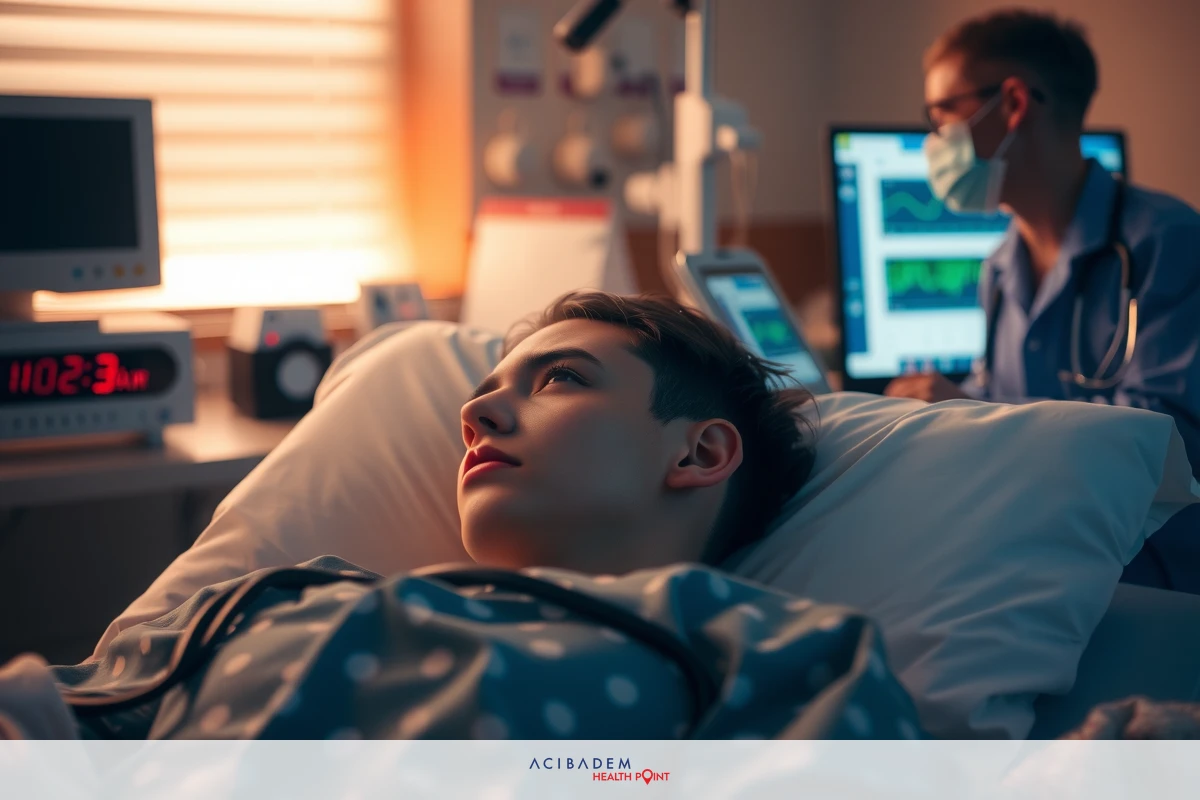
medications and supportive care strategies tailored specifically for each individual’s needs.
Effectiveness
The effectiveness of targeted therapy can be quite high for certain types of cancer. These therapies are designed to attack specific parts of cancer cells. For cancers with well-defined targets this form of treatment can work very well. It may slow down or even stop the growth of tumors.
Chemotherapy has proven effective over many years and across various types of cancer. Its ability to rapidly kill dividing cells makes it a strong option for widespread disease. However its general approach means it might not always be as effective against certain cancers.
A direct comparison between targeted therapy and chemotherapy is complex due to different factors at play. The type and stage of cancer, along with individual patient characteristics, influence which treatment is more effective. Always talk with your doctor about which method might work best for you based on your unique situation.
Cost Considerations
Targeted therapy is often more expensive than chemotherapy. The cost of developing these precise drugs is high and that can affect their price. Insurance companies may cover some or all of the costs but this varies widely. Patients should check with their insurance providers to understand their coverage.
Chemotherapy has been around for a longer time and tends to be less costly in comparison. Generic versions of chemotherapy drugs also help keep prices down for patients. However the total cost can still be significant when considering the full course of treatment.
The overall expense related to cancer treatment isn’t just about the drugs themselves. Both targeted therapy and chemotherapy come with additional costs from supportive care needs like managing side effects. Frequent doctor visits and potential hospital stays add to the financial burden as well.
When evaluating cost considerations it’s important not only to think about drug prices but also long-term outcomes. If a targeted therapy offers better survival rates or quality of life it might justify higher upfront costs in some cases. These are discussions patients need to have with their healthcare team.
Patients must also consider indirect costs such as lost work time or travel expenses for treatments when comparing options. Financial counselors at cancer treatment centers can help navigate these complex decisions by providing valuable insights into cost management strategies available for both therapies.
Supportive Care
Supportive care is crucial for patients undergoing any form of cancer treatment. It includes a range of services that help manage side effects and maintain quality of life. Whether one chooses targeted therapy or chemotherapy supportive care is tailored to individual needs. Its goal is to minimize discomfort and support overall well-being.
For those on targeted therapy supportive care might focus on managing specific issues like skin reactions or fatigue. Healthcare teams work with patients to ensure they have the right treatments and resources in place. This specialized attention can make a big difference in how patients feel day-to-day.
In the context of chemotherapy supportive care often addresses more acute side effects such as nausea or infections. Nutritionists, therapists, and other specialists are part of this comprehensive approach to patient care. They aim to keep patients as comfortable and healthy as possible during their treatment journey.
The importance of mental health cannot be overlooked in cancer treatment regimens either. Both therapies can take a toll on emotional well-being. Psychologists and counselors provide essential support here helping patients cope with the stresses associated with their diagnosis and treatment.
Lastly palliative care may also play a role within supportive services regardless of the primary treatment method chosen. It helps manage symptoms especially when they are severe or persistent throughout targeted therapy or chemotherapy courses. Palliative experts offer another layer of comfort-oriented care that benefits many cancer fighters significantly.
Frequently Asked Questions
What cancers are best treated with targeted therapy?
Targeted therapy is most effective for cancers with specific genetic mutations. Consult your doctor to see if it's right for you.
Can chemotherapy and targeted therapy be used together?
Yes in some cases doctors prescribe both to treat cancer more effectively. It depends on the individual treatment plan.
Are the side effects of targeted therapy less severe than those of chemotherapy?
Generally, because targeted therapy is more focused, it may lead to milder side effects compared to chemotherapy.

