How Does Pet Scanning Help In Diagnosing Pcnsl?
How Does Pet Scanning Help In Diagnosing Pcnsl? How Does Pet Scanning Help In Diagnosing Pcnsl? When doctors need to find out what’s going on inside your brain they often turn to a special scan called PET. It helps them see if there’s anything that shouldn’t be there like signs of a disease named PCNSL. With the help of some safe radioactive sugar the scan shows bright spots where cells are more active than normal.Imagine going to a doctor and getting pictures taken of your brain with a camera that can see energy from cells. That’s what happens during PET scanning for PCNSL diagnosis. The body works by using energy and this scan picks up which parts use more helping doctors spot problems early.
Doctors love how well PET scans work in finding diseases hidden inside the brain. They give very clear pictures that make it easier for them to help patients quickly. By looking at these images they can tell if someone has PCNSL or another health problem without having to do something tough like surgery.
Benefits of PET Scanning
PET scanning is a powerful tool in medical imaging. It’s known for its accuracy, which is crucial when diagnosing PCNSL, a type of brain lymphoma. The detailed images it provides lets doctors see exactly where the problem areas are. This level of detail helps ensure that treatment can be as effective as possible.
One major benefit of PET scanning for PCNSL is the early detection it offers. Catching diseases early often means better outcomes for patients. Since PET scans show how cells use energy they can detect cancer before it shows up on other tests. This gives patients and their families hope and more options.
In diagnosing conditions like PCNSL doctors look for precision and clarity from medical imaging techniques. PET scanning stands out because it doesn’t just show what parts of the brain look like but also how they’re working differently than normal areas do. That insight alone has transformed how we approach brain health.
Another plus with PET scans? They are less invasive than traditional methods used to diagnose problems in the brain such as biopsies or surgery. With just an injection of a safe radioactive substance doctors get all the data they need without putting you through too much discomfort or risk.
Procedure of PET Scan
Getting ready for a PET scan is straightforward. Before the scan you’ll be asked not to eat for a few hours; this ensures clear images. Once at the medical center you will get an injection containing a radioactive tracer. This tracer is safe and will travel through your body.
The tracer has a special job: it lights up areas in your brain that are working hard. After waiting for the tracer to spread through your body, which takes about an hour, you lie down on the scanning table. The machine itself looks like a large donut and remains still while you pass slowly through its center.
During the PET scan detailed pictures are taken by detectors within the machine. These detectors pick up signals from the tracer in your brain. Unlike MRI or CT scans that show structures PET scans reveal how tissues and organs are functioning. It is a major difference when diagnosing PCNSL.
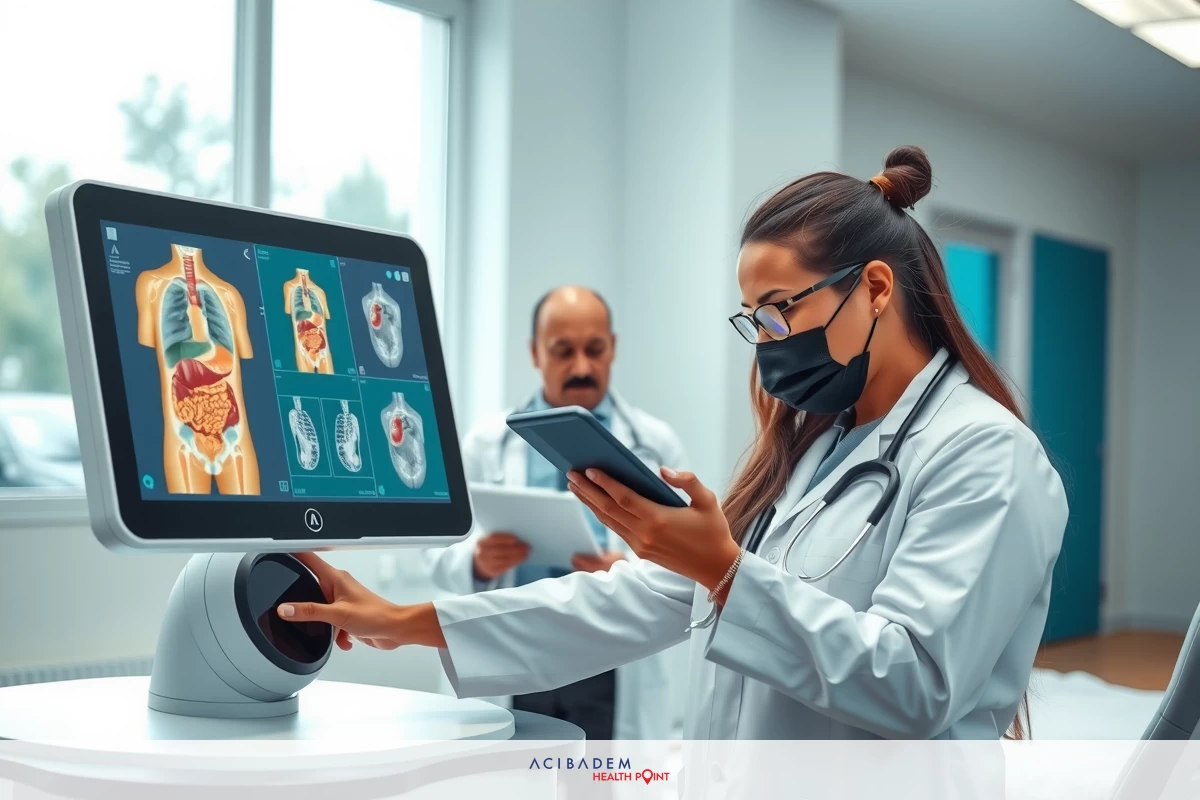
Afterwards there’s no need to stay at the clinic; most people can go home right away. Your results will go to your doctor who then reads them with great care. They look for bright spots where high levels of activity suggest PCNSL might be present. This helps pinpoint exactly what’s happening inside your brain.
Each step of this procedure contributes to creating highly informative images used in diagnosing conditions like PCNSL accurately and quickly compared to other imaging techniques.
Interpreting PET Scan Results
When a PET scan is done the images created are like a map of your brain’s activity. Bright spots on this map can tell doctors where cells are very active. Since PCNSL involves fast-growing cells these areas ‘glow’ due to more tracer buildup. Your doctor studies these patterns carefully to spot any signs of PCNSL.
The interpretation of these results takes skill and knowledge. Doctors compare your scan with what’s normal to find anything unusual. They look at the shape, size, and location of bright spots in the brain. By doing this they can often tell if it’s PCNSL or something else less serious.
Finally understanding how far PCNSL has spread is key for treatment plans. The scan shows just how much area is affected inside your brain by lighting up regions involved in the disease. This information helps decide the best way forward to take care of you and keep you healthy.
Cost Considerations
The cost of a PET scan is influenced by various factors. It’s not just the scan itself but also the radioactive tracer that adds to the price. The facility where you get scanned can make a difference too as some charge more than others. Your location can affect pricing as well with costs varying across different regions.
Insurance coverage plays a big role in managing these expenses. Most health insurance plans will cover PET scans if they’re deemed necessary for diagnosis. However it’s important to check your policy specifics and confirm what part of the cost your insurance will pay for.
There may be additional out-of-pocket costs even with insurance helping out. Deductibles and co-pays are common features of many plans which you need to consider beforehand. Always ask your healthcare provider or insurer about potential extra fees so there are no surprises later on.
If you don’t have insurance or your plan doesn’t fully cover PET scanning payment options may be available from the imaging center or hospital offering this service. Some offer sliding scales based on income or payment plans to help manage costs better.
Lastly comparing prices between facilities might save money without compromising care quality. Hospitals and independent centers both provide PET scans but might do so at different price points due to overheads.
Preparing for a PET Scan
Before a PET scan you’ll need to follow specific steps to make sure everything goes smoothly. Start by telling your doctor about any medicines you take because some might affect the test. It’s also important to discuss any recent illnesses or medical conditions and if there’s a chance you could be pregnant.
On the day before your appointment avoid strenuous exercise as it can change how your body absorbs the tracer. You should also eat low-carbohydrate meals and skip drinks with sugar in them. These small changes help improve the accuracy of your PET scan results.
A few hours before the scan, you will have to stop eating entirely. However, drinking water is fine and even encouraged. If you’re diabetic managing blood sugar levels is key since high levels can interfere with the tracer used during PET scanning. Your healthcare team will give personalized advice based on your health status.
When it’s time for your appointment wear comfortable clothes without metal fasteners like zips or buttons which can disrupt imaging machines. Jewelry and other metal accessories should be left at home as well for this reason. They could distort images leading to less accurate diagnostic outcomes from the procedure.
After arriving at the facility where you’ll get scanned there may be paperwork to complete so allow extra time for this step. Following all these guidelines ensures that when doctors use PET scanning in diagnosing PCNSL or assessing brain function using medical imaging techniques. They have reliable information from which they can draw conclusions about patient health effectively.
Frequently Asked Questions
What is PET scanning used for in medical diagnosis?
PET scanning helps doctors see how organs and tissues inside the body are working. It's often used to detect cancer, heart problems, brain disorders, and more.
Can PET scans diagnose all types of brain conditions?
While PET scans are useful for many brain conditions they're especially good at finding diseases that change cell activity like PCNSL.
How long does a typical PET scan take?
The actual scanning process usually takes about 30 minutes but expect to be at the facility for two to three hours including prep time.