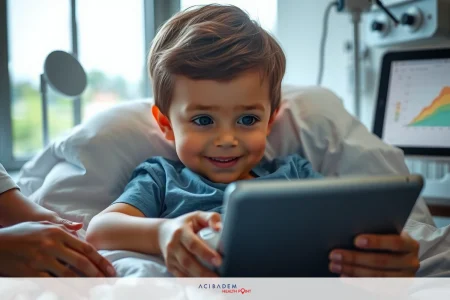
How Does At/rt Affect Cognitive Development In Children?
How Does At/rt Affect Cognitive Development In Children? Every child grows and learns at their own pace and understanding how AT/RT impacts that growth is key. When a child faces an illness like AT/RT many parents worry about how it might influence their learning abilities. Studies show that early treatment can help manage the effects on brain function. Families often find comfort knowing there are ways to support their child’s cognitive health.Doctors work hard to offer care for kids with conditions affecting their brains. With each new research piece better methods emerge to aid these young patients’ development. Children are resilient, and with proper medical attention, they can continue to learn and thrive despite health challenges.
Support networks play a big role in helping families navigate through difficult times of illness. Schools and special programs also contribute greatly to maintaining normalcy for children affected by complex diseases like AT/RT. It’s heartwarming to see communities come together for the wellbeing of every child facing such hurdles.
Symptoms of AT/RT
AT/RT, or atypical teratoid/rhabdoid tumor, is a rare but serious condition in children. The symptoms can vary widely making early diagnosis challenging. Often the first sign is a change in behavior or development. Parents may notice their child has trouble with tasks they once found easy.
Headaches are a common symptom that many affected children experience. They may be strong and occur often causing discomfort for the child. Alongside headaches nausea or vomiting without a clear cause can also be an indicator of AT/RT. It’s important for these signs to prompt further medical evaluation.
As the tumor grows within the brain it can impact cognitive development and motor skills. This might show up as problems with walking or holding objects steady in little hands. Speech difficulties are another issue that might arise as part of this disease’s impact on growth.
In some cases changes in eyesight have been reported by parents and studied by doctors. Children might suddenly struggle to see clearly or have unusual eye movements. Both potential clues pointing towards AT/RT diagnosis needs attention from professionals who understand how such symptoms affect kids’ health.
Treatment Options
Treating AT/RT in children requires a carefully tailored approach. The unique needs of each child demand personalized therapy plans. Doctors often start with surgery to remove as much of the tumor as possible. This critical first step can reduce symptoms and improve quality of life.
After surgery radiation therapy may be used to target any remaining cancer cells. Although challenging this treatment helps to prevent the tumor from returning. It’s one part of a broader strategy that includes monitoring for cognitive development impacts during recovery.
Chemotherapy is another cornerstone in managing AT/RT in young patients. These powerful medicines are selected based on their effectiveness against pediatric brain tumors. The goal is always to strike a balance between treating the illness and preserving childhood growth.
In recent years new options have started to emerge from ongoing studies into AT/RT treatments. Trials with targeted therapies show promise for lessening long term effects on children’s brains while fighting cancer
cells effectively.
Supportive Care
Support for children with AT/RT goes beyond medical treatment. Emotional and social care are just as key for their wellbeing. A team that includes psychologists and counselors can offer this support. They help kids understand what’s happening in a way they can grasp. This care also extends to the whole family who often need guidance during tough times.
A child’s life should have play and learning even when they face illness like AT/RT. Hospitals provide special spaces where kids can be kids even on hard days. Child life specialists work closely with these young patients to keep their spirits up through games and education tailored to each child’s needs.
Support groups bring together families dealing with similar challenges due to AT/RT. These groups create a community of shared experience and understanding that is invaluable. Here parents find others who truly ‘get it’, offering a shoulder to lean on or practical advice from those who’ve walked the same path before them.
Recovery and Follow Up
Recovery from AT/RT treatment is a journey that requires consistent follow up. Regular check ups allow doctors to monitor the child’s progress closely. These visits often include scans to watch for signs of the tumor returning. Doctors also assess how the treatments have affected cognitive development over time.
During recovery tracking a child’s milestones is vital for understanding their needs. Physical therapy may be part of this process if motor skills were impacted by treatment. Speech therapists might work with children who need help regaining communication abilities enhancing their quality of life as they recover.
The role of follow up care extends to watching for late effects from chemotherapy or radiation therapy. Some impacts on cognitive development might not show until years later so ongoing monitoring is crucial. Health teams are always alert for changes in learning pace or behavior that signal a need for further support.
Neuropsychological evaluations play an important part in assessing long term outcomes after AT/RT treatment. These assessments give detailed insights into how a child’s brain functions post therapy guiding future educational support plans tailored specifically to them.
Lastly continued research studies contribute essential data about recovery trends among children treated for AT/RT. Participation in such studies can provide families with access to new therapies aimed at reducing the impact on cognitive development.
Frequently Asked Questions
Q: What is AT/RT and how does it affect children?
A: AT/RT, or atypical teratoid/rhabdoid tumor, is a rare brain tumor that can impact a child's cognitive development. It often requires intensive treatment.
Q: Can early detection of AT/RT improve outcomes for children?
A: Yes, the earlier AT/RT is detected, the sooner treatment can begin, which may improve long term health and developmental outcomes.
Q: Are there specific therapies to help with cognitive development after an AT/RT diagnosis?
A: There are therapies designed to support cognitive development in children after an AT/RT diagnosis. These include educational interventions and rehabilitation services. Please note that the answers provided are for informational purposes only and do not constitute medical advice.