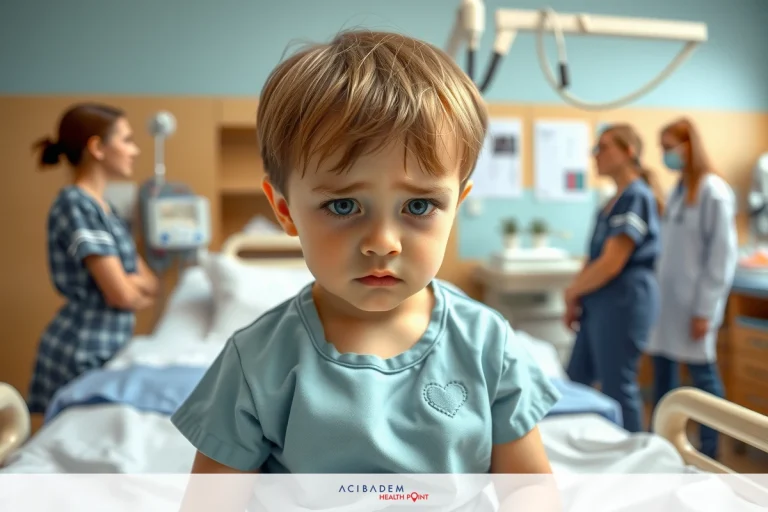
How Does A Heart Tumor Affect A Child’s Ability To Exercise?
How Does A Heart Tumor Affect A Child’s Ability To Exercise? Heart tumors can be rare in children, but when they occur, their impact on health and activities is big. Kids love to run around and play so it’s hard when something stops them from being active. If your little one has a heart tumor you might have many questions about what they can do safely. Doctors are your best source for advice on safe levels of activity for your child. It’s always good to talk with them about any concerns or plans for physical exercise.Discovering that exercise may be tough for a child with a heart tumor is quite an adjustment. Physical activity is important for kids as it helps in growth and staying healthy. When dealing with such medical conditions the right balance must be found to keep things okay. Parents often learn new ways to help their children stay happy and fit within safe limits.
Knowing more about how heart tumors affect kids can ease worries about their well-being during exercise. Every child wants to play and feel normal among friends. With care from family and guidance from doctors these young ones can still enjoy much of what childhood offers despite their condition.
Symptoms of Heart Tumor in Children
Children with a heart tumor may feel tired more quickly than their peers. It’s not just the normal kind of tired from playing hard. This fatigue can come on fast even with light activity or exercise. Their hearts have to work harder which makes them get worn out sooner.
You might notice that your child is short of breath after simple games. They could be running a little and suddenly need to stop for air. This happens because the heart tumor impacts how well their heart works. The heart struggles to pump enough blood during exercise causing breathing problems.
Another symptom can be chest pain or discomfort in your child which isn’t common for kids usually. If they complain about this pain when moving around it’s important to see a doctor right away. Chest pains are always worth checking out especially if linked with exercise.
Swelling in the legs or belly area can also point toward a heart issue like a tumor in children. These signs show up when something’s not right with how the body handles fluids due to the impacted circulation system caused by a heart tumor.
Effects on Exercise Performance
A heart tumor can make a child’s heart work less well during exercise. Their hearts may not pump blood as it should when they are active. This means their muscles don’t get enough oxygen which is key for running and playing. As a result kids might seem weaker or slower than usual.
When children with a heart tumor try to be active they might feel dizzy or lightheaded. These feelings can come up because the brain isn’t getting its normal blood flow during harder play times. It’s important for these kids to go slow with physical activity and listen to their bodies.
Some children may find that their heartbeat feels strange or very fast after only light exercise. A regular rhythm is thrown off by how the tumor affects the heart’s function. Kids could feel scared about this change in their heartbeat so calm support helps a lot.
Lastly recovery time after being active is often longer for kids with a heart tumor. They need more breaks and rest
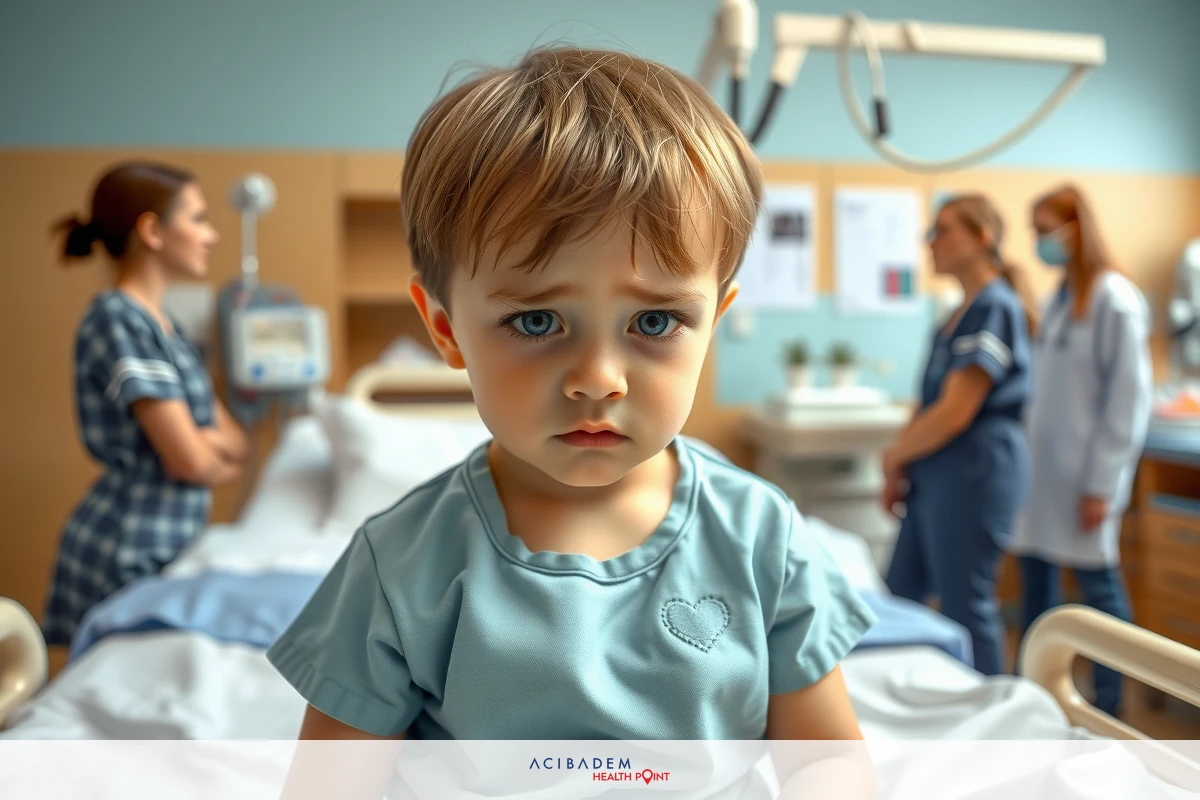
periods between activities than other children do. Parents and coaches can help by planning shorter sessions of play that have lots of rest moments built-in.
Treatment Options
There are several ways doctors can treat a heart tumor in children. Surgery is one common method if the tumor is in a place where they can remove it safely. After surgery kids might need medicine to help their hearts heal and work better. The type of treatment depends on how big or serious the tumor is.
Another option could be radiation therapy or chemotherapy especially if surgery isn’t possible. These treatments aim to shrink the tumor without needing a surgical procedure. They may have side effects so doctors watch kids closely during this time.
Some children with heart tumors get special care plans that include both medical treatment and lifestyle changes. Doctors often talk about safe exercise levels and good eating habits as part of these plans. With careful monitoring many kids continue to lead full lives while they manage their condition.
Recovery and Rehabilitation
After treatment for a heart tumor children often begin a period of recovery. This time allows the body to heal from any procedures or therapies they underwent. Doctors check on how the heart is doing with tests like echocardiograms or MRIs. The pace of recovery varies from child to child and depends on many factors.
Rehabilitation starts once doctors say it’s okay after initial recovery. A team that may include physiotherapists and occupational therapists works with the child. They create exercises that are safe and suitable for the young patient’s condition. Each step in rehab aims to build strength without overworking the healing heart.
During rehabilitation kids learn how to do daily activities safely again. Therapists help them find ways to move around that don’t put too much stress on their hearts. Simple tasks are reintroduced gradually helping children regain independence at their own speed.
Monitoring by healthcare professionals continues throughout rehabilitation. Regular visits let doctors track progress and make sure everything is going as expected. If there are setbacks or if something isn’t working well they adjust plans quickly.
As part of long-term care lifestyle changes might be recommended too during this phase. Good nutrition plays a big role in keeping a recovering heart healthy alongside appropriate exercise routines established during rehab sessions with guidance tailored individually for each child’s specific needs post-treatment.
Supportive Care and Resources
Supportive care for families with a child facing a heart tumor is vital. It includes emotional support, education about the condition, and ways to cope. Hospitals often have teams that provide this type of care to help families during difficult times. They work to ensure that parents understand what’s happening at every step.
Resources are available beyond the hospital setting. Many communities offer groups where families can meet others in similar situations. Sharing experiences with other parents who know what you’re going through can be comforting. These groups often provide practical advice on daytoday challenges.
Educational materials specifically designed for children and their siblings are part of these resources. These tools help explain what a heart tumor is and how it affects health in words kids can understand.
Understanding the situation can make it less scary for them especially when changes happen like not being able to exercise as before.
Financial counseling services may also be offered by hospitals or charitable organizations. Medical treatments can be costly so knowing how to manage expenses helps reduce stress for many families dealing with a heart tumor in a child.
Frequently Asked Questions
[sc_fs_multi_faq headline-0=”h4″ question-0=” Q: Can a child with a heart tumor still exercise? ” answer-0=”A: It depends on the individual case and what doctors advise. Some may have to limit activity while others might be able to do light exercises.” image-0=”” headline-1=”h4″ question-1=”Q: What types of activities are safe for children with heart tumors? ” answer-1=”A: Safe activities usually include those that don’t raise the heart rate too much. Walking or gentle stretching can be good options.” image-1=”” headline-2=”h4″ question-2=”Q: How soon after treatment can a child return to physical activities?” answer-2=”A: Recovery time varies for each child. Doctors will monitor their health and give guidance on when it’s safe to start exercising again. The answers provided here are for informational purposes only and do not constitute medical advice. ” image-2=”” count=”3″ html=”true” css_class=””]