





Guidelines for Pediatric Brain Tumor Survivorship
Guidelines for Pediatric Brain Tumor Survivorship When a child is diagnosed with a brain tumor, treatment is just the beginning. A post-treatment plan is essential for their recovery and long-term well-being.
According to organizations like the American Cancer Society and the Children’s Oncology Group, continuous follow-up is essential. We aim to provide comprehensive guidance for children who have overcome brain cancer, addressing both their physical health and emotional well-being.
Our aim is to highlight key aspects of a brain cancer survivorship program for children, helping caregivers and doctors support their recovery and promote healthy living. Guidelines for Pediatric Brain Tumor Survivorship
Overview of Pediatric Brain Tumors
Pediatric brain tumors differ from adult ones in complexity. This section will outline the various types, symptoms, and early diagnosis methods for childhood brain tumors.
Categories of Childhood Brain Tumors
Children can develop both benign and malignant brain tumors. The most common types include: Guidelines for Pediatric Brain Tumor Survivorship
- Medulloblastoma: Aggressive tumors in the cerebellum that impair balance and coordination.
- Gliomas, such as astrocytomas, ependymomas, and glioblastomas, can occur throughout the brain and spinal cord.
- Ependymoma: Tumors located in the ventricular lining or spinal cord’s central canal that may obstruct cerebrospinal fluid flow.
Understanding these types enables doctors to provide appropriate treatment and care tailored to each child.
Typical Symptoms and Diagnostic Methods
Recognizing brain cancer symptoms in children is crucial for early intervention. Watch for headaches, nausea, vomiting, vision or balance problems, seizures, behavioral changes, and declining school performance.
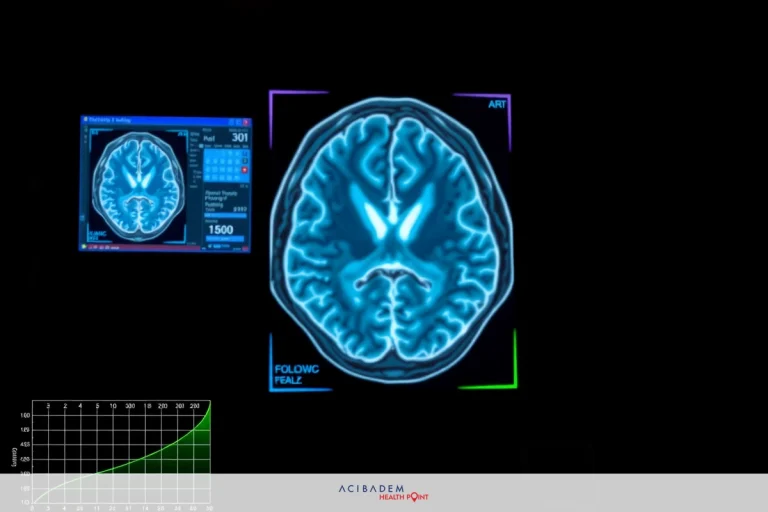
To diagnose childhood brain tumors, doctors perform a thorough examination and use imaging tests such as MRI and CT scans to determine the tumor’s location, size, and impact on the brain. A biopsy may be necessary to identify the tumor type and guide treatment decisions.
Institutions such as Johns Hopkins Medicine and Mayo Clinic follow these procedures to precisely diagnose and treat pediatric brain tumors.
The Significance of Survivorship Care
Children who recover from brain cancer require ongoing, specialized care to maintain their health. A dedicated team ensures they receive regular check-ups and support for all aspects of their well-being.
Post-Appointment Medical Checkups
Regular check-ins are essential for detecting new concerns and managing health. Children see specialists, undergo scans, and consult experts. The American Academy of Pediatrics emphasizes the importance of following a structured plan for optimal health.
Ongoing Health Surveillance
Monitoring for long-term health issues such as hormonal imbalances, cognitive challenges, and emotional difficulties is crucial. Organizations like The Brain Tumor Foundation and St. Jude Children’s Research Hospital offer programs for this. Regular screenings enable early detection and treatment, improving quality of life for survivors.
Interdisciplinary Care Teams
Treating children with brain tumors requires a coordinated team that supports their physical health, emotional well-being, and social development throughout their cancer journey.
The Role of Oncologists
Guidelines for Pediatric Brain Tumor Survivorship Oncologists play a vital role in caring for children who have overcome cancer. They monitor their health, manage treatment-related issues, and collaborate with other specialists to ensure comprehensive, personalized care.
Role of Pediatric Neurologists
Pediatric neurologists play a crucial role in caring for children with brain tumors. They assess and address cognitive and motor issues post-treatment, helping kids recover and thrive by effectively managing neurological problems.
Assistance from Social Workers and Psychologists
Social workers and psychologists play a vital role for children overcoming cancer. They support kids and their families in managing emotional challenges, provide counseling, and address social impacts, ensuring comprehensive care.
| Team Member | Primary Role | Key Contributions |
|---|---|---|
| Oncologists | Medical Monitoring | Ensure remission, manage late effects, coordinate with specialists |
| Pediatric Neurologists | Neurological Care | Evaluate and treat cognitive and motor function issues |
| Social Workers | Emotional and Social Support | Provide counseling, help navigate social impacts |
| Psychologists | Mental Health Support | Offer emotional assistance, counseling services |
The Dana-Farber/Boston Children’s Cancer and Blood Disorders Center exemplifies the importance of teamwork, uniting oncologists, neurologists, social workers, and psychologists. This collaborative approach ensures personalized care that supports each child’s recovery and long-term well-being.
Dietary Recommendations for Survivors
Proper nutrition is essential for children recovering from brain tumors. A balanced diet and adequate hydration support healing and overall health. Here are some dietary tips to help them stay nourished.
Tips for Maintaining a Balanced Diet
A healthy diet is essential for recovery and should include a variety of foods. The Academy of Nutrition and Dietetics recommends:
- Consume a minimum of five servings of fruits and vegetables daily to obtain essential vitamins and antioxidants.
- Opt for whole grains such as brown rice and whole wheat bread to boost your energy.
- Lean Proteins: Incorporate chicken, fish, beans, and legumes to support muscle recovery and boost immunity.
- Opt for low-fat or plant-based dairy to boost calcium and vitamin D for healthy bones.
The Significance of Staying Hydrated
Adequate hydration is essential for children who have had cancer, supporting key bodily functions and recovery. The American Society for Parenteral and Enteral Nutrition offers these helpful tips:
- Hydration: Children should consume 1–1.5 liters of water daily, while older kids need around 2 liters, depending on their age and activity level.
- Hydrating Foods: Incorporate soups, watermelon, and celery into meals to boost hydration.
- Skip sugary beverages like soda, as they can dehydrate and harm their health.
Prioritizing proper nutrition and adequate hydration supports children in overcoming brain tumors and maintaining good health. A balanced diet and proper hydration are essential for their recovery and well-being.
Focusing on Cognitive and Emotional Well-being
Children who survive brain tumors frequently encounter significant cognitive and emotional difficulties. The tumor type and treatment methods greatly influence their well-being. Providing comprehensive support is essential for their recovery.
Effects of Brain Tumors on Cognitive Development
Brain tumors and their treatments can impair learning and memory. Research in the Journal of Pediatric Oncology Nursing indicates that children may have difficulty focusing, processing information quickly, and solving problems.
They require specialized assistance to recover and stay on course, which is vital for their development and daily functioning.
Therapeutic Approaches
Supporting children with brain tumors requires specialize
d care. Cognitive rehabilitation is essential for improving their memory, focus, and problem-solving skills.
Therapy and counseling are essential for managing anxiety and depression associated with brain tumors. Pediatric cancer programs often combine various evidence-based therapies, such as those used at institutions like Texas Children’s Hospital.
This method enhances children’s thinking skills and boosts their inner resilience. It focuses on complete recovery and strengthening their mental and emotional well-being.
The Importance of Exercise in the Recovery Process
Physical activity is essential for children who have had brain tumors, boosting their strength and supporting mental health. The American College of Sports Medicine recommends tailored exercise programs for young cancer survivors.
Suggested Physical Exercises
Engaging in organized physical activities benefits children’s development. Here are some effective options:
- Light aerobic exercises such as walking or swimming
- Resistance band strength exercises
- Stretching or yoga routines for increased flexibility
These exercises improve heart health, build muscle strength, and increase flexibility, making them especially beneficial for children recovering from brain tumors.
Adaptive Sports and Fitness Activities
Adaptive sports support children with brain tumors. Facilities like the Children’s Hospital of Philadelphia offer specialized classes and assistance.
Children can participate in adapted sports suited to their abilities, such as wheelchair basketball, seated volleyball, and modified cycling.
| Activity Type | Benefits | Example Programs |
|---|---|---|
| Aerobic | Enhances cardiovascular health | Children’s Hospital of Philadelphia’s Swimming Program |
| Strength Training | Builds muscle strength | YMCA’s Resistance Band Classes |
| Flexibility | Improves range of motion | Specialized Yoga for Kids |
Participating in adaptive sports boosts kids’ pride and confidence, which plays a key role in their improvement.
In brief, exercise programs are essential for children recovering from brain tumors. Leading medical centers endorse these activities to aid both kids and their families in the healing process.
Academic Assistance for Children Surviving Brain Tumors
Supporting children who have had brain tumors to return to school is essential. Developing an educational plan enables them to succeed academically despite their challenging experiences.
Personalized Education Plans (PEPs)
Each child recovering from a brain tumor has unique learning needs. An Individualized Education Plan (IEP) is essential, as it establishes personalized goals and support. Teachers, parents, and specialists collaborate to ensure the IEP effectively meets the child’s needs.
School-Based Accommodations
Schools support children who have had cancer by offering extended test times, simplified homework, or assistive technology. They follow guidance from the National Association of Special Education Teachers to ensure these students receive the necessary assistance to succeed.
| Support Strategy | Description |
|---|---|
| Extended Time for Exams | Provides additional time to complete tests, accommodating cognitive and physical challenges. |
| Modified Assignments | Adjusts homework requirements to suit the student’s learning pace and capacity. |
| Assistive Technology | Incorporates tools like speech-to-text programs or laptops to aid learning. |
| Flexible Scheduling | Allows breaks during classes for rest or medical needs, ensuring student wellbeing. |
| Specialized Instruction | Offers additional, focused teaching sessions based on individual learning needs. |
| Peer Support Programs | Encourages social interaction and support through buddy systems and group activities. |
Collaboration among teachers, parents, and doctors ensures children with brain tumors receive the necessary educational support. With proper planning, schools can help these students succeed and enjoy fulfilling lives.
Overcoming a pediatric brain tumor impacts the entire family, not just the patient. Recovery involves more than medical treatment; it requires a comprehensive plan addressing social and family adjustments. Including family counseling for survivors can support better coping and overall well-being.
Family Support Networks: Strong family support is essential. Open communication ensures everyone feels heard and valued, fostering positive moments and reducing stress for the survivor’s health journey.
Family counseling for cancer survivors is highly beneficial. Counselors understand the unique challenges faced by families of children with brain tumors and provide support and strategies to manage various emotions. Guidelines for Pediatric Brain Tumor Survivorship
Reestablishing Social Ties: Reconnecting socially is crucial, as survivors might have become isolated during treatment. Re-engaging with friends, school, and community helps restore a sense of normalcy. Families can support this by organizing social activities and encouraging participation.
Guidelines for Pediatric Brain Tumor Survivorship Organizations such as the American Family Therapy Academy and the Pediatric Brain Tumor Foundation provide additional support by connecting families with specialists experienced in managing life during and after a pediatric brain tumor, strengthening family resilience.
| Strategy | Benefit | Resources |
|---|---|---|
| Family Counseling for Cancer Survivors | Improves family communication and coping mechanisms | Licensed family therapists |
| Rebuilding Social Connections | Facilitates reintegration into social settings | Community events and social activities |
| Family Support Systems | Creates a supportive environment for the survivor and family members | American Family Therapy Academy, Pediatric Brain Tumor Foundation |
Guidelines for Pediatric Brain Tumor Survivorship
A solid plan enables children with brain tumors to lead fulfilling lives by including routine doctor appointments, monitoring their health, and addressing their emotional well-being.
Doctors and social workers collaborate to provide the best support for children’s needs.
Eating well and staying active are essential. The plan offers advice on nutrition and exercise to support children’s health, while sports and activities designed for kids improve their physical well-being.
Supporting children in staying on top of schoolwork is essential. This involves creating tailored learning plans and seeking appropriate assistance when necessary.
Providing long-term support for survivors is essential. The National Cancer Institute and leading children’s hospitals have programs in place to ensure children receive comprehensive care for their physical, mental, and emotional well-being.


