





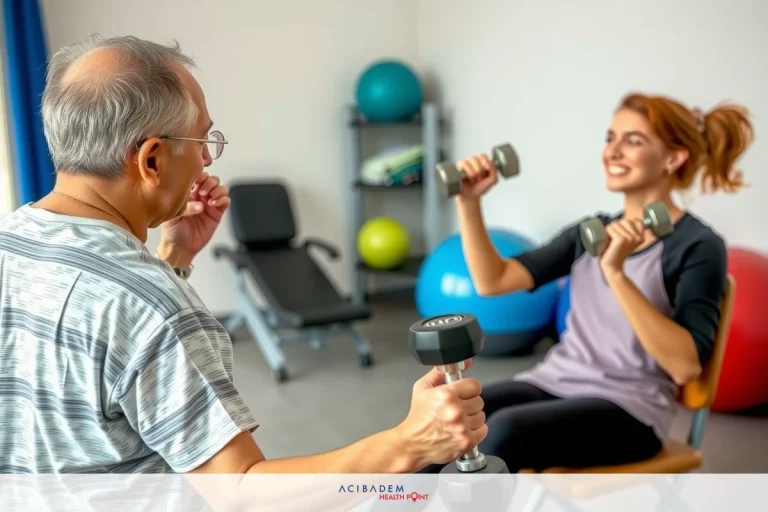
Effective Treatments for Lower Back Stiffness
Many people struggle with lower back stiffness, which can really disrupt their day. Finding the right treatment is key to feeling better and moving more easily. There are several ways to tackle this problem, like physical therapy, stretching, and other alternative methods.
We’ll dive into each of these options in this article. Our goal is to give you the information you need to tackle lower back stiffness head-on.
Understanding Lower Back Stiffness: Causes and Symptoms
Lower back stiffness can really affect your daily life. It’s important to know what causes it and what symptoms to look out for. This knowledge helps you figure out what might be making your back hurt.
Common Causes of Lower Back Stiffness
There are many reasons why your lower back might feel stiff. Sitting poorly for long times can make your muscles tight and sore. Problems with your discs, like herniation, can also cause pain. Arthritis and other diseases can make your spine inflamed, leading to stiffness.
The American Academy of Orthopaedic Surgeons says good posture is key. They believe bad posture can make back problems worse.
Identifying Symptoms of Lower Back Stiffness
If you have lower back stiffness, you might notice a few things. Your back might feel sore and tight, making it hard to move. You might also feel pain that goes down your legs. Spotting these signs is the first step to getting help.
Lower Back Stiffness – Treatment Options
Managing lower back stiffness requires a mix of physical therapy, exercises, and alternative treatments. Each method has its own benefits and can be adjusted to fit individual needs. This helps improve pain management and mobility.
Physical Therapy Techniques
Physical therapy aims to restore function and ease pain in the lower back. It uses manual therapy, ultrasound, and strengthening exercises. A good physical therapist creates a plan that boosts flexibility and cuts down pain, aiding in recovery.
Exercise Regimens to Alleviate Stiffness
Regular exercise is key in fighting lower back stiffness. Activities like walking, swimming, and stretching help a lot. Studies show that stretching the hamstrings and lower ba
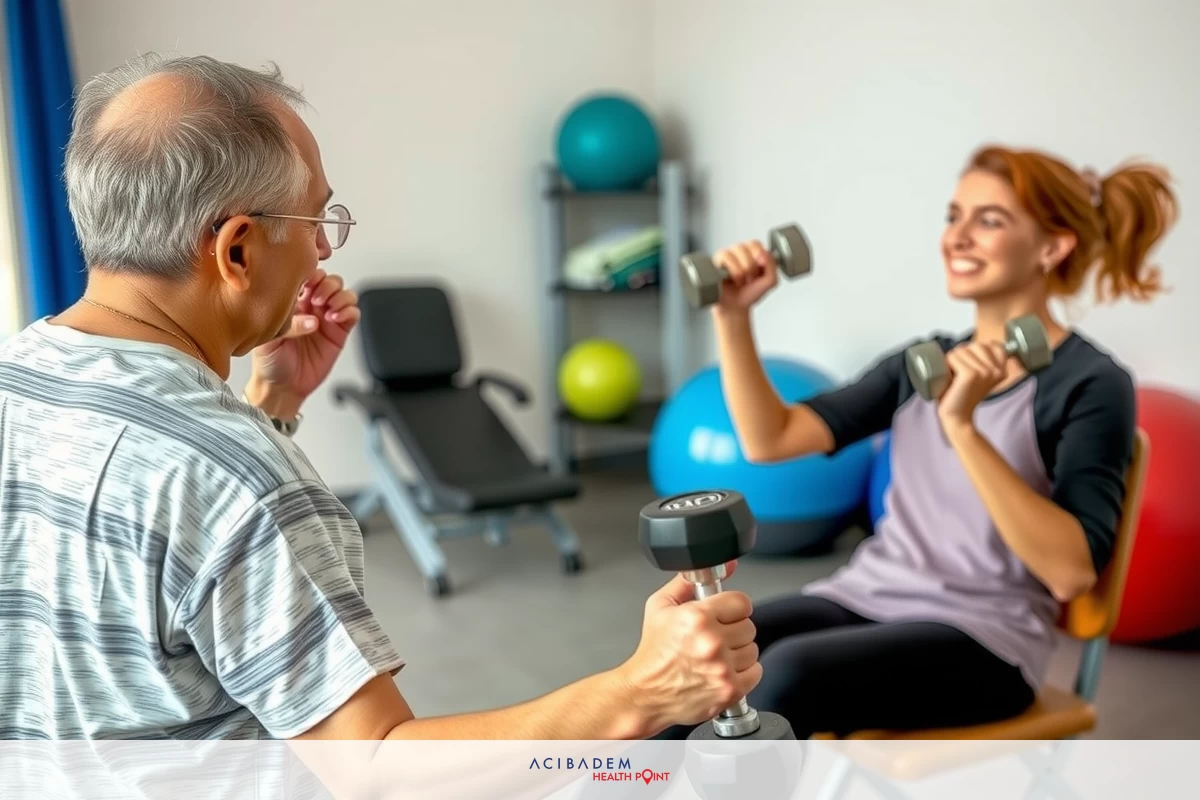
ck improves flexibility and eases pain. Exercise is a core part of getting better.
Alternative Therapies for Pain Relief
Looking into alternative treatments can also help with lower back stiffness. Options like acupuncture, chiropractic care, and massage can work well with traditional methods. These treatments can help relax and reduce pain, giving more ways to handle back pain.
Preventive Measures for Lower Back Stiffness
To prevent lower back stiffness, we need to change our lifestyle and use ergonomic practices. Keeping the right posture is key, whether sitting or standing. This helps avoid putting too much strain on the back.
Ergonomic chairs and workstations are very helpful. They make sitting and working more comfortable. This is true for both work and home.
Adding exercises and stretches to your day is also important. Walking, swimming, and cycling improve flexibility and strengthen the core. This helps support the spine.
Yoga and Pilates are great for back health too. They help improve mobility and reduce tension in the back.
Being active and keeping a healthy weight is also vital. Excess weight puts too much pressure on the spine. This can cause stiffness and pain.
Creating a routine that includes physical activity is beneficial. Being mindful of what we eat also helps. These steps can improve our back health for the long term.


