





Effective Shin Splints Treatment Options
Shin splints, also known as medial tibial stress syndrome, are a big problem for athletes and active people. This includes runners, dancers, and military personnel. Finding the right treatment is key to feeling better and getting back to what you love.
Recovering from shin splints can be tough. The pain can really hold you back. But, with the right approach, you can manage your pain and avoid it in the future. This article will look at different ways to treat shin splints, helping you on your path to recovery.
Understanding Shin Splints
Shin splints are common among athletes and active people. Knowing what shin splints are helps in treating the pain.
What Are Shin Splints?
Shin splints, also known as medial tibial stress syndrome, cause pain in the shin. This pain comes from inflammation in the muscles, tendons, and bone around the tibia. Running or jumping a lot often leads to this problem.
Causes and Risk Factors
Many things can cause shin splints. High-impact activities and sudden changes in intensity or duration are big culprits. Wearing the wrong shoes and not warming up properly also play a role. Anatomical issues like flat feet or lack of flexibility can make you more likely to get shin splints.
Symptoms of Shin Splints
It’s important to know the signs of shin splints. You might feel dull pain, tenderness, and soreness in the lower leg. This pain gets worse when you’re active and better when you rest. Spotting these symptoms early helps manage the condition and avoid more problems.
Shin Splints – Treatment Options
Managing shin splints requires a mix of strategies. Rest and adjusting physical activities are key. Options include physical therapy and orthotics to help with symptoms and support.
Rest and Activity Modification
Rest is essential for healing shin splints. Stopping activities that cause pain lets muscles and tissues recover. Switching to low-impact activities like swimming or cycling helps keep fitness without pain.
Gradually increasing workout intensity is also important. This lets the body adjust to higher demands safely.
Physical Therapy and Stretching Exercises
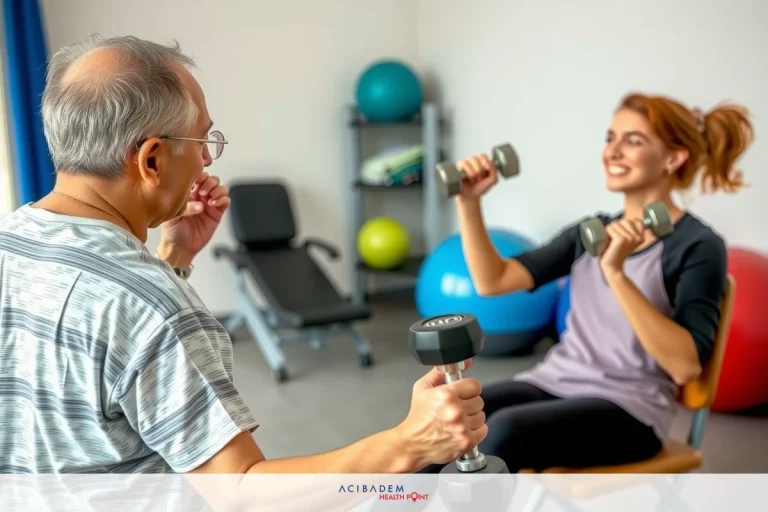
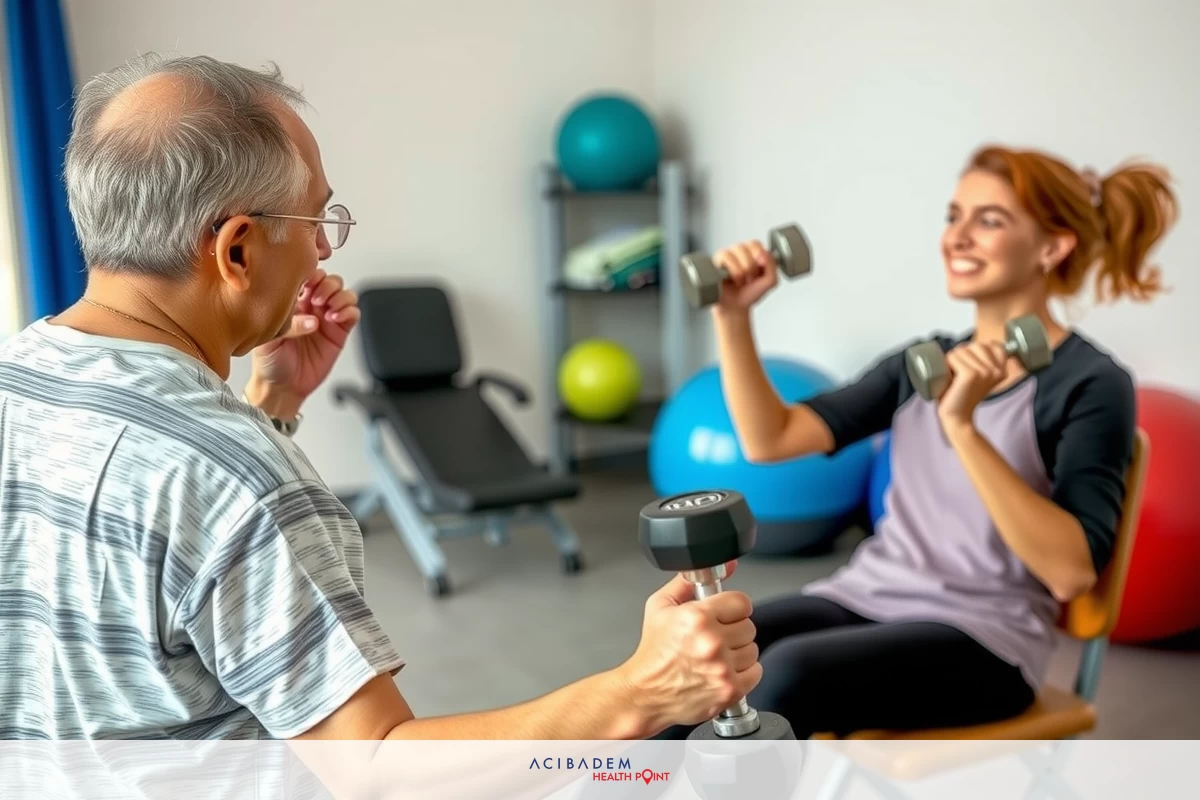
Physical therapy for shin splints is very helpful. A therapist can create a plan to strengthen and stretch muscles. This includes exercises for the calves, shins, and feet to improve flexibility and stability.
A well-balanced program can prevent future problems and improve sports performance.
Use of Orthotics and Proper Footwear
Orthotics can greatly support the feet and improve alignment. Custom insoles correct biomechanical issues, helping posture during activities. Choosing the right shoe
s is also critical.
Shoes with good cushioning and stability reduce stress on the shins. This helps prevent more injuries.
Alternative Treatments for Shin Splints
There are ways to treat shin splints beyond the usual methods. These alternatives help reduce pain and swelling. They also aid in recovery. Ice therapy, pain relief pills, and massage can help those with shin splints feel better.
Ice Therapy and Compression
Ice therapy is key in treating shin splints. It reduces swelling and numbs pain. After exercising, use ice packs for 15–20 minutes to ease pain.
Wearing compression sleeves with ice therapy helps too. These sleeves reduce swelling and improve blood flow.
Over-the-Counter Pain Relief
For shin splint pain, over-the-counter drugs like ibuprofen and naproxen are good. They help manage pain. Always follow the dosage instructions.
If pain doesn’t go away, talk to a doctor. They can help manage pain with other treatments.
Massage Therapy and Foam Rolling
Massage can help with muscle tightness in shin splints. It makes muscles more flexible and less sore. Professional massages are great for this.
Self-myofascial release with foam rolling is also helpful. It eases muscle tightness. Both massage and foam rolling are important for recovery.
Prevention Strategies for Shin Splints
To prevent shin splints, start with a good warm-up. Dynamic stretches before exercise boost flexibility and prepare muscles. These stretches also improve blood flow and reduce stiffness, helping avoid injuries.
Strength training is also key. It strengthens lower leg muscles and improves core stability. This helps maintain good form and gradually increases workout intensity, preventing shin splints from overuse.
Remember to include rest days in your schedule. This allows your body to recover fully. Also, choose soft, even surfaces for training to reduce impact on your shins. Wearing the right shoe is important too, as it can help prevent shin splints.


