





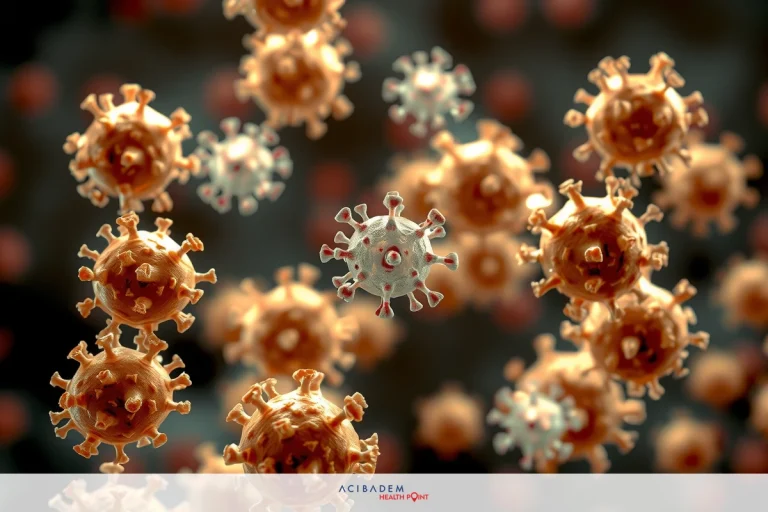
Dendritic Cell Vaccine Therapy Patient Guide
Dendritic Cell Vaccine Therapy Patient Guide If you or someone close is considering dendritic cell vaccine therapy it’s important to get a clear picture of what it involves. Doctors use your immune system cells and train them to fight cancer better with dendiritic cell vaccines. It may sound complex but think of it as giving superpowers to the good guys in your body.Understanding how dendritic cell vaccine therapy works can bring peace of mind during decision making times. Your doctors will take some cells from your body and then give them special training outside before putting them back in. Once back inside, they’re like elite soldiers ready to target cancer cells, aiding in the battle against illness.
If you wonder about the benefits that come with dendritic cell vaccine therapy there are several worth noting. This form of immunotherapy is tailored just for you targeting specific characteristics found only in your cancer cells. Side effects also tend to be fewer compared with other treatments out there making it a potentially safer option while fighting tough battles against disease.
What is Dendritic Cell Vaccine Therapy?
Dendritic cell vaccine therapy is a form of immunotherapy. It’s an innovative treatment designed to boost your immune system. In this therapy dendritic cells play a key role because they send signals to other immune cells. When trained properly these cells can help the body fight diseases like cancer.
In simple terms doctors take some of your blood and isolate the dendritic cells from it. These are then exposed to substances that resemble the cancer you’re fighting. This process ‘educates’ them about what they need to attack in your body. The goal here is for these educated dendrites to teach your immune system how to kill cancer.
Once these dendritic cells are ready they’re injected back into your body as part of vaccine therapy. They travel through your bloodstream and connect with other immune fighters like T-cells. By sharing their ‘knowledge’ they trigger a stronger response against cancer cells which helps in treating disease.
For those seeking new ways to tackle their health challenges this kind of patient guide information can be invaluable. Remember though; while it holds great promise not all treatments work for everyone equally well. So always consult healthcare professionals before deciding on any course of treatment including dendritic cell vaccine therapy.
How Does Dendritic Cell Vaccine Therapy Work?
Dendritic cell vaccine therapy starts with a simple blood draw from the patient. This sample goes to a lab where technicians select out the dendritic cells which are key to your immune response. These cells have one job: to teach your immune system about threats such as viruses or cancer cells.
In the lab these dendritic cells get exposed to parts of cancer cells or proteins associated with cancer. It’s a way for them to ‘learn’ and ‘remember’ what harmful cells look like in your body. This process is important; it ensures that when they return to your bloodstream they know exactly who the enemy is.
Once training is complete these educated dendrites are put back into you through an injection. Once inside they make their way around your body using blood vessels as highways to reach various destinations. At each stop they share their knowledge with T-cells.
The final step happens within you; triggered by this new information from dendritic cells T-cells spring into action
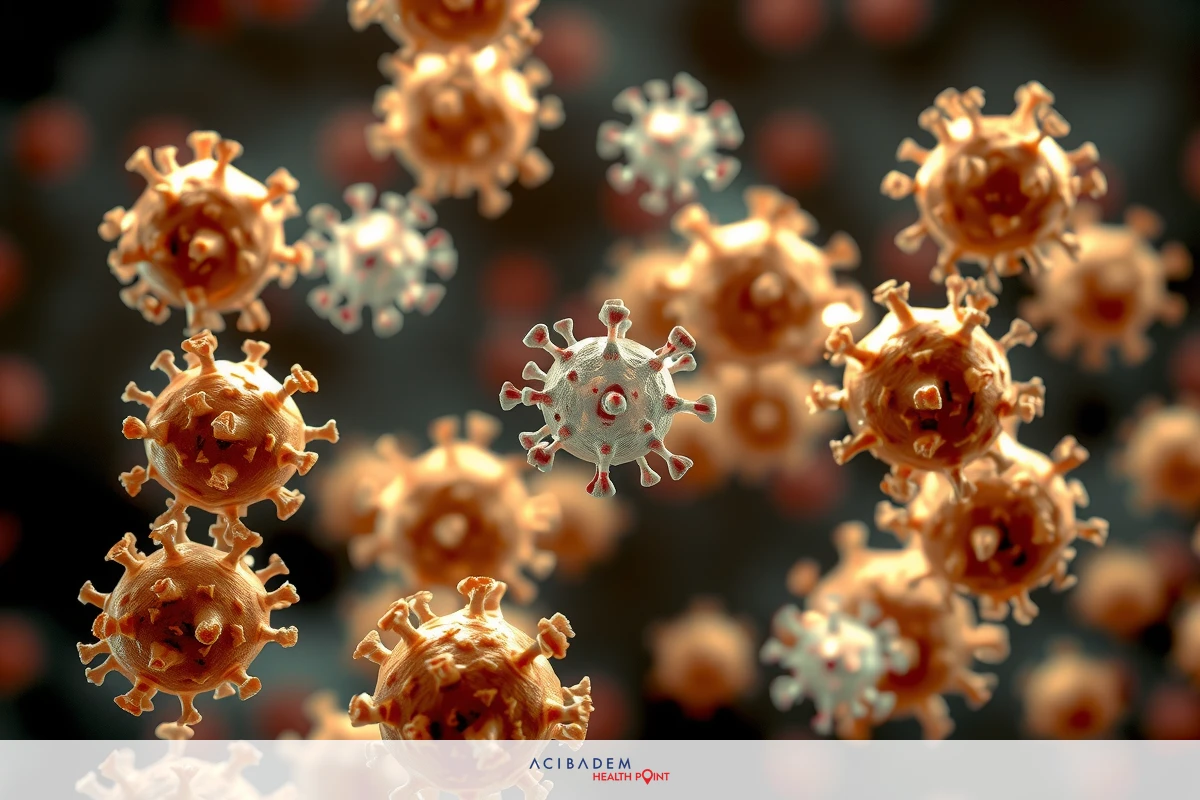
against cancer cells. They multiply and hone in on tumors much more effectively than before
treatment was given ensuring better results for patients undergoing immunotherapy treatments like this one.
Benefits of Dendritic Cell Vaccine Therapy
Dendritic cell vaccine therapy offers a personalized approach to fighting cancer. Unlike other treatments that are one-size-fits-all this method is tailored specifically for you. Your own cells are used in the process making it unique to your immune system and its needs. It’s like getting a custom-made suit; it just fits better.
One major benefit is the potential for fewer side effects compared with traditional therapies. Since the treatment uses your own cells your body is less likely to reject them or react badly. This can mean an easier time during treatment with less discomfort and downtime. Feeling more like yourself during treatment isn’t just good for your mood; it helps in recovery.
Dendritic cell vaccine therapy can work alongside other cancer treatments. It often complements surgery, radiation, or chemotherapy by targeting any remaining cancer cells post-treatment. With every tool at your disposal working together seamlessly beating cancer becomes a team effort.
Side Effects and Considerations
While dendritic cell vaccine therapy is generally well-tolerated there can be side effects. Most patients experience only mild reactions at the injection site such as redness or a slight pain. Sometimes, you may feel flu-like symptoms including fever, chills, or fatigue which typically don’t last long. It’s your body responding to the activation of your immune system.
It’s important to discuss any current health conditions with your doctor beforehand. Certain underlying issues might affect how well you can receive this type of immunotherapy treatment. Your overall health status plays a role in both the effectiveness of the therapy and how you handle side effects.
Allergic reactions are rare but possible when dealing with biological treatments like this one. If you have known allergies, especially to medications or vaccines, inform your healthcare provider immediately. This way they can monitor you closely after administering the dendritic cell vaccine.
Prior treatments for cancer may also influence how well dendritic cell vaccine therapy works for you. Be sure to give a full history of previous therapies so that your doctors can plan. They’ll want to ensure that this new treatment complements what has been done before without causing complications.
Finding Dendritic Cell Vaccine Therapy Providers
To find providers offering dendritic cell vaccine therapy start with your oncologist. They can refer you to specialized centers that have the right facilities for this type of treatment. Many times these will be located in larger hospitals or clinics focused on cancer care and research.
Researching online is another good step to take when looking for healthcare providers. Look for reputable sources and patient reviews which often provide insights into their experiences. Remember to check if the clinic has proper accreditation and a team experienced in immunotherapy treatments.
When considering a provider ask about their track record with dendritic cell vaccine therapy specifically. It’s important they have experience since it’s a more recent development in cancer treatment options available today. How many patients have they treated? What outcomes did those patients see?
Insurance coverage is an essential consideration as well; immune-based therapies like this one can be costly without support from insurance companies. Before making any decisions contact your insurance company to understand what kind of financial help you might expect if you choose this route for your care plan going forward.
Frequently Asked Questions
What exactly are dendritic cells?
Dendritic cells are a type of immune cell that help the body recognize and fight infections and diseases including cancer.
Is dendritic cell vaccine therapy painful?
Most patients report only minor discomfort at the injection site similar to what you might feel with any other vaccine.
How long does it take to see results from this immunotherapy treatment?
It varies by patient but some may see an improvement in their condition within weeks or months after starting treatment.

