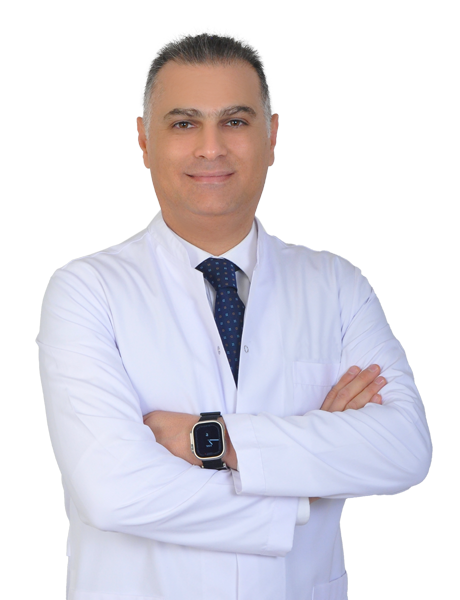
Keeping your vascular health in check is key to feeling good. Vascular specialists are doctors who deal with blood vessel problems all over the body. They help patients with vascular diseases and stop serious issues. Vascular doctors get a lot of education and training.
Keeping your vascular health in check is key to feeling good. Vascular specialists are doctors who deal with blood vessel problems all over the body. They help patients with vascular diseases and stop serious issues.
Vascular doctors get a lot of education and training. They are certified and know how to handle many vascular problems. They give detailed care for different conditions.
They handle everything from varicose veins to serious issues like peripheral artery disease and aortic aneurysms. They use the latest tools and treatments to improve health. If you’re at risk or have vascular diseases, seeing a vascular doctor is important.
Vascular doctors use both simple and complex treatments to help patients. They work hard to improve blood flow and quality of life. They keep up with new vascular care advances, helping many people.
What is a Vascular Doctor?
A vascular specialist, also known as a vascular doctor, is a medical expert. They focus on diagnosing and treating blood vessel conditions. These include arteries, veins, and lymphatic vessels, key for blood circulation and health.
Vascular doctors handle many arterial conditions and venous disorders. This includes diseases like peripheral artery disease and varicose veins. They also deal with peripheral vascular disorders that affect limb blood flow.
Specialization in Vascular Health
Vascular specialists work with the blood vessels that carry blood to and from the heart. They use advanced tools and techniques to treat vascular diseases. Their areas of focus include:
| Area of Specialization | Description |
|---|---|
| Arterial Conditions | Diagnosing and treating diseases of the arteries, such as peripheral artery disease and carotid artery stenosis |
| Venous Disorders | Managing conditions related to the veins, including deep vein thrombosis and chronic venous insufficiency |
| Aortic Diseases | Treating aneurysms and dissections of the aorta, the body’s largest artery |
| Vascular Trauma | Managing injuries to blood vessels caused by accidents or violence |
Education and Training Requirements
To become a vascular specialist, one needs a lot of education and training. First, they must finish a four-year undergraduate degree. Then, they go to medical school to get a Doctor of Medicine (MD) or Doctor of Osteopathic Medicine (DO) degree.
Next, they do a five-year general surgery residency. This gives them experience in surgery and patient care. After that, they complete a one- to two-year fellowship in vascular surgery. Here, they learn more about vascular diseases and treatment methods.
After finishing their fellowship, they can get certified by the American Board of Surgery in vascular surgery. This shows they are experts in their field.
Common Vascular Conditions Treated by Vascular Doctors
Vascular doctors are experts who deal with many blood vessel issues. They treat conditions like peripheral artery disease, carotid artery disease, and more. These include varicose veins and venous insufficiency.
Peripheral Artery Disease (PAD)
Peripheral artery disease happens when leg arteries narrow or block. This reduces blood flow. Symptoms include leg pain, numbness, and slow-healing wounds.
Smoking, diabetes, and high blood pressure increase the risk of PAD.
Carotid Artery Disease
The carotid arteries carry blood to the brain. When they narrow or block, it raises stroke risk. Symptoms include weakness, numbness, and vision loss.
Vascular doctors use imaging tests to find and treat carotid artery disease.
Abdominal Aortic Aneurysm (AAA)
An AAA is a bulge in the aorta, the main artery. If it ruptures, it’s very dangerous. Many AAAs have no symptoms, so screening is key for those at risk.
Vascular doctors watch AAAs and may suggest surgery if it gets too big.
| Risk Factors for AAA | Screening Recommendations |
|---|---|
|
|
Varicose Veins and Venous Insufficiency
Varicose veins are twisted, enlarged veins in the legs. They happen when vein valves weaken. Symptoms include aching, swelling, and visible veins.
Vascular doctors treat varicose veins with various methods. This includes compression stockings and procedures like sclerotherapy or endovenous laser therapy.
Diagnostic Tools Used by Vascular Specialists
Vascular specialists use advanced tools to check blood vessel health. These tools give detailed views of blood vessels. This helps find problems early and treat them right.
Duplex ultrasound is a key tool. It mixes ultrasound with Doppler tech. This lets doctors see blood flow and find issues like blockages. It’s great for checking on conditions like peripheral artery disease.
Computed tomography angiography (CTA) and magnetic resonance angiography (MRA) are also used. They give detailed 3D images of blood vessels. CTA uses X-rays and dye, while MRA uses magnetic fields. Both are key for spotting complex problems like aneurysms.
The right tool depends on the problem and the patient’s health. These advanced tools help vascular specialists find and fix vascular issues. They make sure patients get the best care for their blood vessels.
Endovascular Procedures Performed by Vascular Doctors
Vascular doctors use minimally invasive endovascular procedures to treat many vascular conditions. These methods are effective and have shorter recovery times. They also have less risk compared to open surgeries. Common procedures include angioplasty, stenting, atherectomy, and endovascular aneurysm repair (EVAR).
Angioplasty and Stenting
Angioplasty and stenting treat narrowed or blocked arteries. This is often needed for peripheral artery disease (PAD) or carotid artery disease. A tiny balloon is used to widen the artery during angioplasty. Then, a stent is placed to keep it open.
| Procedure | Purpose | Recovery Time |
|---|---|---|
| Angioplasty | Widen narrowed arteries | 1-2 days |
| Stenting | Keep arteries open after angioplasty | 1-2 days |
Atherectomy
Atherectomy removes plaque buildup from arteries. It uses a small catheter with a cutting device. This method can be used alone or with angioplasty and stenting.
Endovascular Aneurysm Repair (EVAR)
EVAR is a less invasive option for abdominal aortic aneurysms (AAA). It involves placing a stent graft inside the aneurysm. This prevents it from rupturing. EVAR has a shorter recovery time and lower risk of complications compared to traditional AAA repair.
Vascular Surgery: When Is It Necessary?
Vascular doctors often start with non-invasive treatments and lifestyle changes. But sometimes, vascular surgery is needed. This happens when other treatments don’t work well enough. Here are some common surgeries vascular surgeons do:
Bypass Surgery
Bypass surgery creates a new path for blood flow around blocked or narrowed arteries. It’s used for conditions like peripheral artery disease (PAD) or coronary artery disease (CAD). The surgeon uses a graft to reroute blood flow, improving circulation.
Carotid Endarterectomy
Carotid endarterectomy removes plaque from the carotid arteries in the neck. These arteries carry blood to the brain. When they’re narrowed or blocked, the risk of stroke goes up. The surgeon removes the plaque to restore blood flow.
Vein Stripping and Phlebectomy
Vein stripping and phlebectomy treat varicose veins in the legs. Vein stripping removes the damaged vein through small cuts. Phlebectomy removes smaller varicose veins through tiny skin punctures. These surgeries are for when other treatments don’t help with pain, swelling, and skin changes.
Your vascular doctor will check your condition and medical history to decide if surgery is right for you. They’ll talk about the risks and benefits and what recovery is like. Working with your vascular specialist helps you make the best treatment choice for your health.
Importance of Regular Check-ups with a Vascular Doctor
Keeping your vascular health in top shape is key to feeling good and living long. Getting regular check-ups with a vascular doctor is a smart move. These visits are important for preventive care and catching vascular problems early.
At a routine check-up, your vascular doctor will check your health. They’ll do physical exams, look at your medical history, and run tests. This helps spot early signs of vascular disease, like PAD, carotid artery disease, or AAA.
Seeing a vascular doctor regularly is very important. Many vascular problems start slowly and don’t show symptoms until they’re serious. Early detection lets your doctor create a plan to manage the issue. This can prevent strokes, heart attacks, or losing a limb.
| Vascular Condition | Early Detection Benefits |
|---|---|
| Peripheral Artery Disease (PAD) | Lifestyle changes and meds to boost blood flow and avoid critical limb ischemia |
| Carotid Artery Disease | Early action to lower stroke and brain decline risks |
| Abdominal Aortic Aneurysm (AAA) | Monitoring and surgery if needed to stop a deadly rupture |
| Varicose Veins and Venous Insufficiency | Managing symptoms and avoiding skin problems and ulcers with treatments |
Regular visits also let you talk about how to keep your vascular health great. Your doctor can help you with diet, exercise, stress management, and quitting smoking. These steps help your blood vessels work better and lower disease risk.
Risk Factors for Vascular Disease
Many factors can raise the chance of getting vascular disease. Knowing these risks is key to spotting problems early and managing them well.
Age and Family History
As we get older, our risk of vascular disease goes up. This is because our arteries can get clogged with plaque over time. If your family has a history of vascular disease, your risk is higher too.
Lifestyle Factors: Smoking, Diet, and Exercise
Our lifestyle choices greatly affect our vascular health. Smoking harms blood vessels and raises the risk of blood clots. Eating too much bad fat and salt can also clog arteries. But, staying active helps keep blood flowing well and lowers blood pressure.
Underlying Health Conditions
Some health issues can make vascular disease more likely. These include:
| Condition | Impact on Vascular Health |
|---|---|
| Diabetes | High blood sugar can harm blood vessels and nerves, raising the risk of poor circulation. |
| High Blood Pressure | High blood pressure can damage arteries, leading to aneurysms and atherosclerosis. |
| High Cholesterol | Too much cholesterol can form plaque in arteries, narrowing them and causing disease. |
Preventive Measures to Maintain Vascular Health
It’s important to take steps to keep your blood vessels healthy. This helps avoid serious problems like peripheral artery disease and aortic aneurysms. By making lifestyle changes, you can keep blood flowing well and avoid vascular issues.
Adopting a Healthy Lifestyle
Living a healthy lifestyle is key to good vascular health. Activities like brisk walking, swimming, or cycling boost blood flow and lower blood pressure. Try to exercise for at least 30 minutes, five days a week.
Eating right is also vital. Eat lots of fruits, veggies, whole grains, lean proteins, and healthy fats. Cut down on fats, salt, and sugars. Staying at a healthy weight through diet and exercise helps a lot.
Quitting smoking is another big step. Smoking harms blood vessels and raises the risk of blood clots. If you smoke, ask your doctor for help quitting.
Managing Chronic Conditions
It’s important to manage chronic conditions like diabetes and high blood pressure. These can damage blood vessels and lead to serious problems.
If you have diabetes, work with your doctor to control your blood sugar. This might involve medication, diet, and exercise. For high blood pressure, monitor your numbers closely and make lifestyle changes. High cholesterol can be managed with diet, exercise, and sometimes medication.
By being proactive, living healthy, and managing chronic conditions, you can lower your risk of vascular problems. This helps keep your blood vessels healthy for a long time.
Choosing the Right Vascular Doctor
Finding the right vascular doctor is key. You need someone who is both qualified and experienced. This ensures you get the best care for your vascular health.
Qualifications and Experience
Qualifications and experience are critical. Look for a doctor who is board-certified in vascular medicine. They should have the right training for your condition.
Also, check if they have experience with procedures like angioplasty or bypass surgery. This is important for your specific needs.
Patient Reviews and Testimonials
Don’t forget to read patient reviews and testimonials. They offer a real look at a doctor’s skills and care. Online reviews and recommendations from others can help you find the right doctor.
By looking at qualifications, experience, and patient feedback, you can choose wisely. This way, you’ll find a doctor who creates a treatment plan just for you.
FAQ
Q: What is the role of a vascular doctor in maintaining vascular health?
A: A vascular doctor helps diagnose and treat blood vessel problems. They use advanced tools to care for arteries, veins, and lymphatic systems. This helps prevent and manage diseases related to blood vessels.
Q: What education and training are required to become a vascular doctor?
A: To be a vascular doctor, you need a four-year college degree and four years of medical school. After that, you do a five-year surgery residency and two years in vascular surgery. You also need to get certified to practice.
Q: What are some common vascular conditions treated by vascular doctors?
A: Vascular doctors treat many blood vessel issues. This includes PAD, carotid artery disease, and varicose veins. They also handle diabetes-related vascular problems like foot ulcers and nerve damage.
Q: What diagnostic tools do vascular specialists use to assess vascular health?
A: Vascular specialists use non-invasive tests like duplex ultrasound and CT angiography. These tools help them see blood vessels and find problems. This way, they can choose the best treatment.
Q: What are some minimally invasive procedures performed by vascular doctors?
A: Vascular doctors do many non-surgical treatments. This includes angioplasty and stenting to open arteries. They also do EVAR to fix aortic aneurysms with a stent graft.
Q: When is vascular surgery necessary?
A: Vascular surgery is needed when non-surgical treatments don’t work. Doctors perform bypass surgery and carotid endarterectomy. They also do vein stripping for varicose veins.
Q: How often should I see a vascular doctor for check-ups?
A: Check-up frequency varies based on your health and risk factors. People with a family history or certain conditions should see a doctor yearly. Those with vascular diseases might need more visits.
Q: What are some risk factors for developing vascular disease?
A: Many things can raise your risk of vascular disease. These include age, family history, smoking, and unhealthy habits. Managing these risks can help prevent vascular problems.
Q: How can I maintain good vascular health?
A: Good vascular health comes from a healthy lifestyle. This means exercising, eating well, and avoiding smoking. Managing conditions like diabetes and high blood pressure is also key.
Q: What should I consider when choosing a vascular doctor?
A: When picking a vascular doctor, look at their qualifications and experience. Choose a board-certified specialist with a good track record. Reading reviews can also help you make a decision.