





Cancer survival cure for women
Cancer survival cure for women Cancer remains one of the most formidable health challenges faced by women worldwide. Advances in medical research and technology have significantly improved survival rates, transforming what was once a grim diagnosis into a more manageable condition for many. While a definitive “cure” for all types of cancer is still elusive, ongoing developments offer hope for better outcomes and, in some cases, complete remission.
Early detection plays a crucial role in increasing the chances of survival. Screening methods such as mammograms, Pap smears, and genetic testing have become vital tools for identifying cancers at an early, more treatable stage. For example, breast cancer, one of the most common types among women, has seen survival rates improve dramatically thanks to early diagnosis and targeted therapies. Women who detect the disease early often have more treatment options and a higher likelihood of complete remission.
Treatment approaches have evolved to become more personalized, integrating surgery, radiation therapy, chemotherapy, immunotherapy, and targeted drug treatments. The goal is not only to eradicate the cancer but also to minimize side effects and preserve quality of life. Targeted therapies, in particular, have revolutionized cancer treatment by focusing on specific genetic mutations within cancer cells, making treatments more effective and less harmful to healthy tissue.
Immunotherapy has emerged as a promising frontier in cancer cure efforts. It leverages the body’s immune system to recognize and attack cancer cells more effectively. For women with certain types of cancers, such as melanoma or lung cancer, immunotherapy has resulted in durable responses and long-term remission. Research is ongoing to expand its application to other cancers, including ovarian and breast cancers.
Advances in genomics and personalized medicine are also critical in the pursuit of cures. By understanding the genetic makeup of individual tumors, doctors can tailor treatments to target specific vulnerabilities, increasing the likelihood of success. This approach has led to the development of precision medicines that are more effective and less toxic.
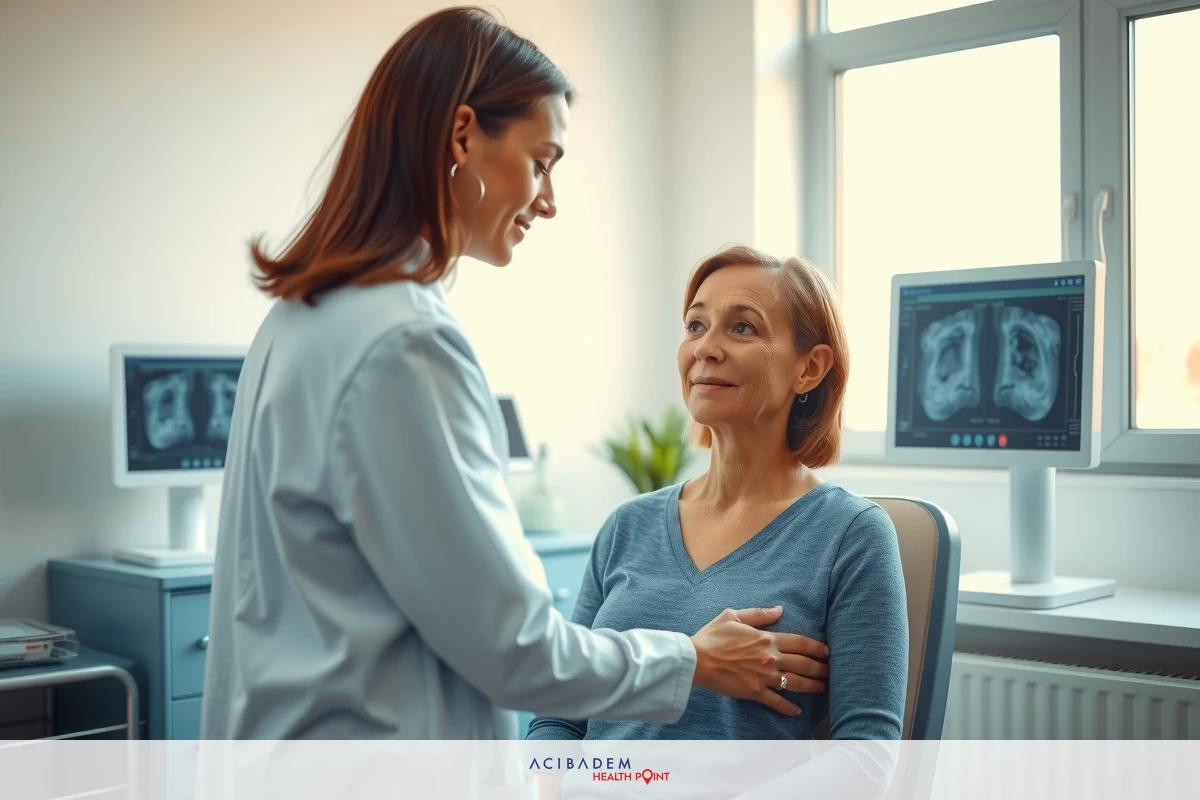
Supportive care and lifestyle modifications are also essential components of the cancer survival journey. Maintaining a healthy diet, regular exercise, and mental health support can improve overall resilience and help women cope better with treatment and recovery.
While a universal cure for all cancers remains a goal for researchers worldwide, the combination of early detection, personalized treatments, immunotherapy, and ongoing research continues to improve survival rates. Collaboration among scientists, healthcare providers, and patients is crucial in transforming cancer from a deadly disease into a manageable condition or even a curable one in many cases.
In summary, the landscape of cancer treatment for women is rapidly changing, offering increased hope for survival and cure. Continued investment in research and embracing innovative therapies are vital steps toward achieving a future where cancer can be fully cured for women everywhere.


