





Cancer risk early signs causes and treatment
Cancer risk early signs causes and treatment Cancer is a complex group of diseases characterized by uncontrolled growth and spread of abnormal cells within the body. Recognizing the early signs of cancer can significantly improve the chances of successful treatment and survival. Although symptoms vary depending on the type and location of the cancer, some common early indicators include unexplained weight loss, persistent fatigue, and changes in the skin or bodily functions. For instance, a new lump or thickening in the breast or testicles, a sore that doesn’t heal, or unusual bleeding should prompt medical evaluation. Additionally, persistent coughing, hoarseness, or difficulty swallowing may be warning signs of respiratory or gastrointestinal cancers.
Understanding the causes of cancer is essential for prevention and early intervention. While the exact cause of many cancers remains unknown, several risk factors have been identified. Genetic predisposition plays a role, with inherited mutations increasing susceptibility to certain cancers. Environmental exposures such as tobacco smoke, excessive alcohol consumption, and exposure to carcinogens like asbestos or certain chemicals also significantly raise risk. Lifestyle choices, including poor diet, lack of physical activity, obesity, and prolonged sun exposure, can contribute to the development of skin cancers. Viral infections like human papillomavirus (HPV) and hepatitis B and C are linked to cancers such as cervical and liver cancer. It’s important to note that cancer is usually caused by a combination of genetic, environmental, and lifestyle factors rather than a single cause.
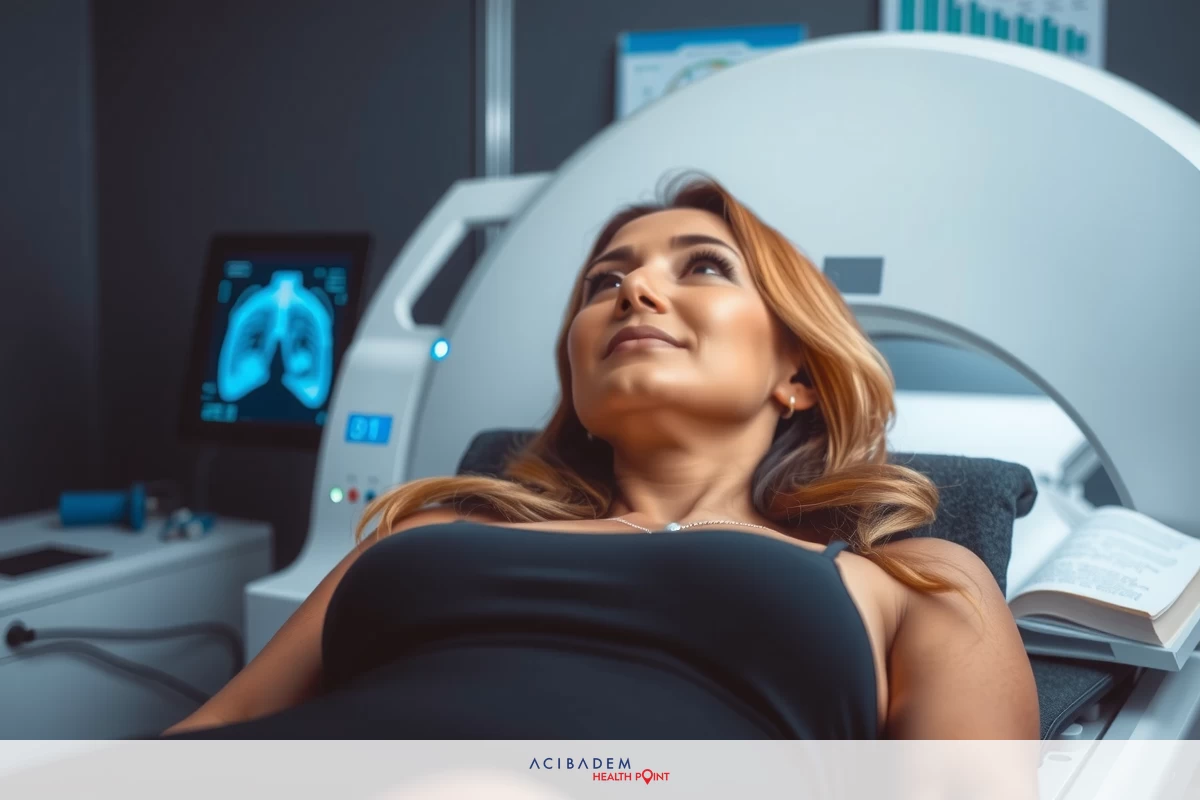
Treatment options for cancer depend on the type, stage, and location of the disease, as well as the patient’s overall health. Common approaches include surgery, chemotherapy, radiation therapy, immunotherapy, targeted therapy, and hormone therapy. Surgery aims to remove the tumor and surrounding tissue, often providing the best chance for cure if detected early. Chemotherapy involves the use of drugs to kill cancer cells or halt their growth, often used in conjunction with other treatments. Radiation therapy employs high-energy rays to destroy cancer cells in specific areas. Immunotherapy boosts the immune system’s ability to recognize and attack cancer cells, offering hope for advanced cases. Targeted therapies are designed to interfere with specific molecules involved in cancer growth and progression, minimizing damage to normal cells.
Early detection and treatment are crucial for improving outcomes. Regular screenings such as mammograms, Pap smears, colonoscopies, and skin checks can identify cancers at an early, more treatable stage. Public education on awareness and risk factors plays a vital role in prevention. Leading a healthy lifestyle—maintaining a balanced diet, exercising regularly, avoiding tobacco, limiting alcohol intake, and protecting skin from the sun—can reduce cancer risk significantly.
While a cancer diagnosis can be overwhelming, advancements in medical research continue to improve the prognosis for many patients. Early signs should never be ignored, and prompt consultation with healthcare professionals can lead to early intervention. With ongoing treatment innovations and increased awareness, many individuals live longer, healthier lives despite a cancer diagnosis.


