Can You Eat Oatmeal After Bariatric Bypass Surgery?
Can You Eat Oatmeal After Bariatric Bypass Surgery? Bariatric bypass surgery is a significant procedure that alters the digestive system to aid in weight loss. Following this procedure, patients must adapt their eating habits to accommodate changes in their digestive process. A nutritious and balanced diet is crucial for recovery and long-term health. This includes understanding what foods are beneficial and how they should be consumed.Oatmeal is one food that may be considered for inclusion in a post-operative diet. It has many health benefits and can be easily prepared and digested. However, it’s important to understand how and when to incorporate oatmeal into your diet after bariatric bypass surgery. This article provides guidance on this topic, aiming to help you make informed dietary choices following your procedure.
Post-Operative Diet and Healthy Eating
Following bariatric bypass surgery, it’s crucial to follow a well-planned post-operative diet. This is not only essential for promoting healing and recovery but also for facilitating weight loss and preventing potential complications such as dumping syndrome, a condition where food moves too quickly from your stomach to your duodenum. The post-operative diet typically progresses from clear liquids to pureed foods, then soft foods, and finally more regular foods over several weeks or months, depending on the individual’s tolerance and recovery.
Adopting healthy eating habits plays an integral role in this journey. Portion control is paramount due to the reduced size of the stomach after surgery. Consuming small, frequent meals rather than three large meals can help manage hunger and ensure the body gets necessary nutrients without causing discomfort. Chewing food thoroughly and eating slowly can also aid digestion and absorption of nutrients.
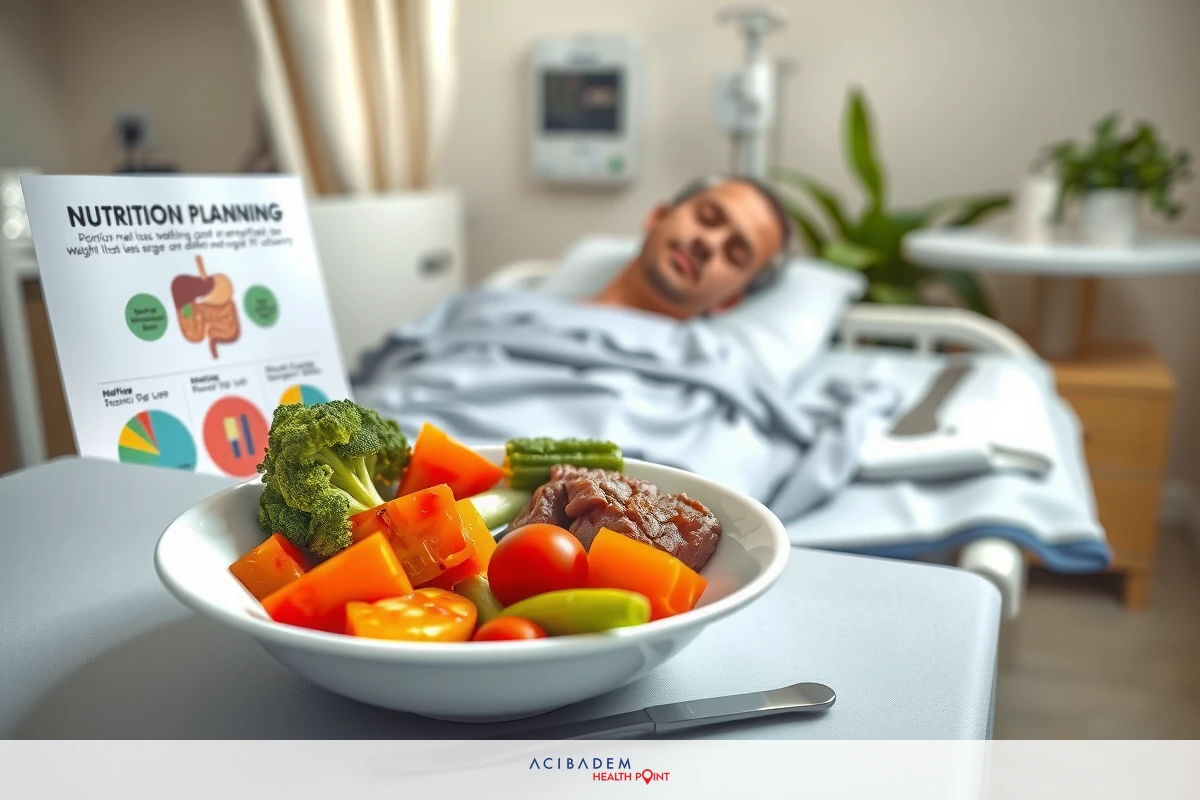
In terms of dietary recommendations, it’s vital to focus on protein-rich foods as they support wound healing and tissue repair. Likewise, hydration should be prioritized, but beverages should be consumed separately from meals to prevent filling up on liquids and not having room for nutrient-dense foods. Moreover, limiting high-sugar and high-fat foods can help avoid complications while also supporting weight loss goals.
While these general guidelines provide a foundation for healthy eating after bariatric bypass surgery, it’s important to remember that everyone’s body responds differently. Regular follow-ups with a healthcare provider or a dietitian are recommended to monitor progress and make necessary adjustments to the diet plan.
Incorporating Oatmeal into Your Diet
Adding oatmeal to your post-bariatric bypass surgery diet can offer numerous health benefits. Oatmeal is a rich source of dietary fiber, which aids in digestion and helps you feel fuller for longer, assisting in weight management. It also contains essential nutrients such as vitamins, minerals, and antioxidants that support overall health. As a complex carbohydrate, it provides sustained energy without causing a rapid spike in blood sugar levels.
However, it’s crucial to introduce oatmeal into your diet gradually. After bariatric bypass surgery, your body needs time to adjust to digesting different types of food. Starting with a small portion of soft-cooked oatmeal can help determine your digestive system’s tolerance level. It’s also advisable to consume it separately from liquids, as this will prevent you from feeling too full too quickly and help ensure you are getting the necessary nutrients from your meal.
The way you prepare oatmeal also matters. Opt for plain oats instead of pre-packaged flavored varieties, which often contain added sugars and may lead to discomfort or dumping syndrome. To enhance flavor without adding unnecessary calories or sugar, consider adding protein-rich Greek yogurt or a sprinkling of nuts and seeds for added texture and nutritional benefits. Always remember that while oatmeal can be a beneficial addition to a post-operative diet, it should be part of a balanced diet that includes a variety of foods to meet all nutritional needs.
Frequently Asked Questions
Can I eat oatmeal immediately after bariatric bypass surgery?
It is generally recommended to start with a clear liquid diet immediately after surgery and gradually progress to soft foods. Oatmeal is typically introduced during the pureed food stage, which usually occurs a few weeks after the procedure. It's important to follow your healthcare provider's recommendations and guidelines regarding the timing of introducing oatmeal into your diet.
Should I choose instant oatmeal or traditional oats?
Traditional rolled oats or steel-cut oats are preferable over instant oatmeal. Instant varieties often contain added sugars and may lack the same amount of fiber and nutrients as their less processed counterparts. Opting for traditional oats allows you to have better control over the ingredients and avoid unnecessary additives.
Can oatmeal cause dumping syndrome?
Oatmeal, when consumed in moderation and according to your healthcare provider's guidelines, is unlikely to cause dumping syndrome. Dumping syndrome is more commonly associated with consuming large quantities of high-sugar foods or beverages. However, individual tolerances can vary, so it's important to listen to your body and make adjustments to your diet as needed.