





Can Retinoblastoma Be Completely Cured?
Can Retinoblastoma Be Completely Cured? Retinoblastoma is a type of eye cancer that starts in the retina which is vital for vision. It mainly affects young children and can be found in one or both eyes. With early diagnosis and proper treatment chances of beating this disease are quite high.Doctors have several ways to treat retinoblastoma including chemotherapy, radiation therapy, and laser treatments. Each method aims to remove or kill cancer cells while saving as much sight as possible. Patients and their families get support from medical teams throughout the journey.
It’s important to talk with your doctor about all treatment options available for retinoblastoma. They will help you understand what to expect during therapy. Support groups also offer comfort and information for those dealing with retinoblastoma.
Treatment Options
Retinoblastoma is a condition that demands careful treatment planning. The goal is often to cure the cancer while preserving vision. A team of specialists will tailor the treatment based on individual needs.
Several options are available for treating retinoblastoma effectively. Chemotherapy can shrink tumors making them easier to manage or remove. This approach often serves as a first step before considering other treatments.
Laser therapy and cryotherapy are two additional methods used to destroy smaller tumors directly on the retina. These treatments use heat or cold to target cancer without harming surrounding tissues too much. They work best when retinoblastoma is caught early.
Advanced cases may require surgery, such as enucleation, where the affected eye is removed to prevent cancer from spreading further. It’s a tough decision but one that can significantly improve prognosis if necessary.
Prognosis Insights
Understanding the prognosis for retinoblastoma is critical for patients and families. It gives a glimpse into the expected outcome of the disease. Factors like tumor size, location, and whether cancer has spread influence this outlook.
Early detection typically leads to a better prognosis in retinoblastoma cases. When caught before spreading beyond the eyes most children can beat it. This success rate drops if cancer moves to other body parts.
Even with a good initial response to treatment long-term follow-up is crucial. Doctors watch for signs of recurrence or late effects from therapy over time. This monitoring helps catch any issues quickly and adjust care as needed.
Advancements in treatment have improved survival rates over recent years significantly. Most children with retinoblastoma now go on to lead full lives post-treatment. Still, each case is unique, so individual prognosis may vary greatly depending on various factors.
Supportive Care
Supportive care plays a key role in retinoblastoma treatment. It helps patients and families deal with the stress of illness. This type of care covers emotional, social, and practical needs during therapy.
A team of caregivers provides support beyond medical treatments alone. They offer resources for mental health and coping strategies for both patients and relatives. Good supportive care can make the journey through treatment much smoother.
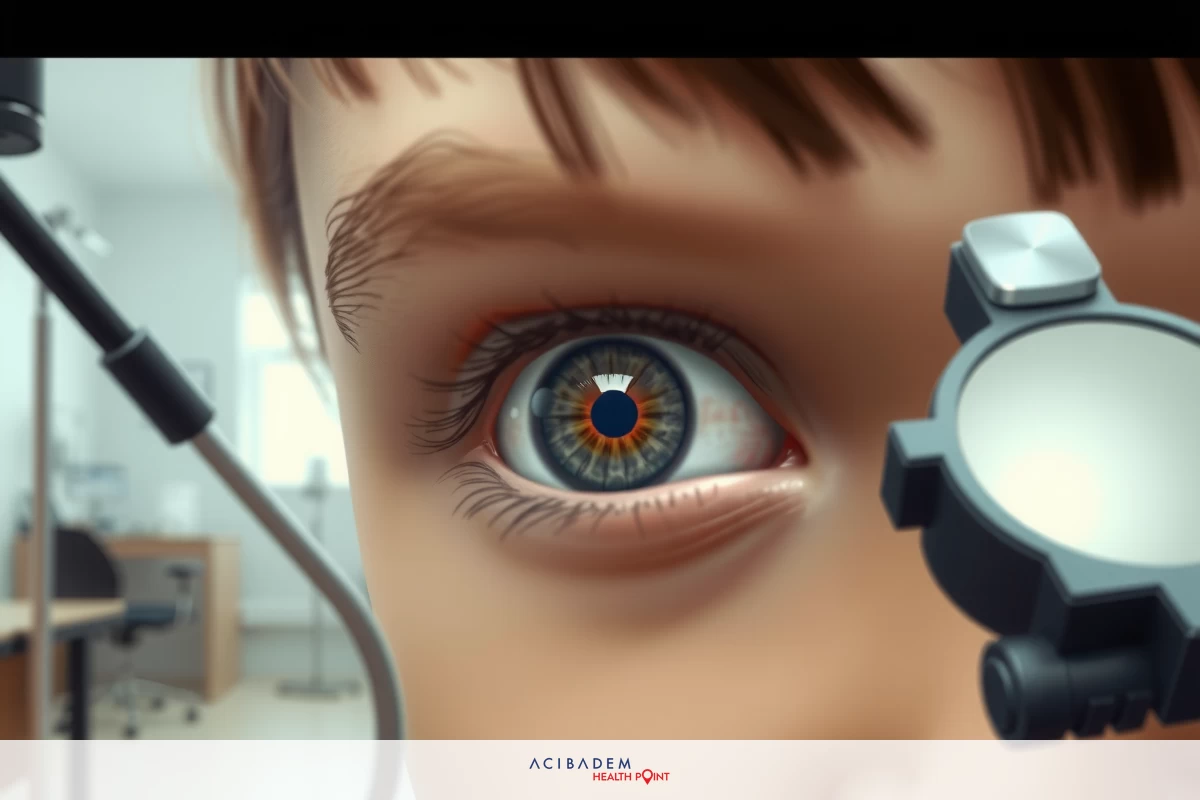
Often specialists like counselors or child life experts are part of this team as well. They work to ensure that young patients understand what’s happening in a kind way. Their job is to keep spirits up while facing challenges related to retinoblastoma treatment.
Research Advances
The field of retinoblastoma research is constantly evolving bringing new hope. Scientists are making strides in understanding how this cancer develops and behaves. Such knowledge is crucial for designing more effective treatments.
One area of progress is in the realm of genetic testing and personalized medicine. By identifying specific genes linked to retinoblastoma doctors can better predict treatment outcomes. This approach paves the way for tailored therapies that are more precise.
Drug development has also seen significant advances with targeted therapies now being explored. These drugs aim to attack cancer cells without harming healthy tissue as much as traditional chemotherapy does. It’s an exciting step towards more efficient treatments with fewer side effects.
Researchers are not only looking at curing but also preventing long-term complications from treatment itself. Efforts are underway to develop methods that minimize damage to children’s developing eyes and bodies during therapy which might have lasting impacts on their quality of life.
Finally collaboration across international borders has resulted in large-scale studies sharing data about retinoblastoma cases worldwide. Through these partnerships, experts gain a broader view of this disease, helping them identify patterns and improve global care standards for patients everywhere.
Patient Resources
For those facing retinoblastoma a wealth of patient resources is available. Hospitals often provide information packets and access to support groups for families. These resources aim to educate and offer comfort during challenging times.
Online platforms also serve as valuable tools for patients and caregivers alike. Websites dedicated to retinoblastoma share the latest research, treatment options, and stories from survivors which can be incredibly uplifting. They are designed to be user-friendly with easy-to-understand language.
Nonprofit organizations play a critical role in offering help outside of medical settings too. Many offer financial assistance programs for those struggling with treatment costs or related expenses.
Local community services can provide practical support like transportation or home care aid as well. It’s important for families dealing with retinoblastoma not to overlook these forms of assistance. Because that can greatly ease daily burdens while battling illness.
Lastly connecting with other families who have experienced similar journeys offers personal insight that professional advice cannot match sometimes. Peer networks foster environments where one can share fears, ask questions openly, and find genuine understanding from someone who has walked a similar path before them.
Frequently Asked Questions
Q: What are the first signs of retinoblastoma?
A: The most common sign is an unusual white reflection in the pupil called leukocoria. Other signs include eye redness, swelling, or trouble seeing.
Q: Can retinoblastoma spread to other parts of the body?
A: Yes, like many cancers, retinoblastoma can spread (metastasize) if not treated early on. It typically spreads to nearby tissues and can reach other areas via blood vessels.
Q: How effective is treatment for retinoblastoma?
A: Treatment effectiveness depends on various factors such as the tumor's size and location. Early-stage retinoblastoma has a high cure rate with appropriate treatment. The answers provided here are for informational purposes only and do not constitute medical advice.

