





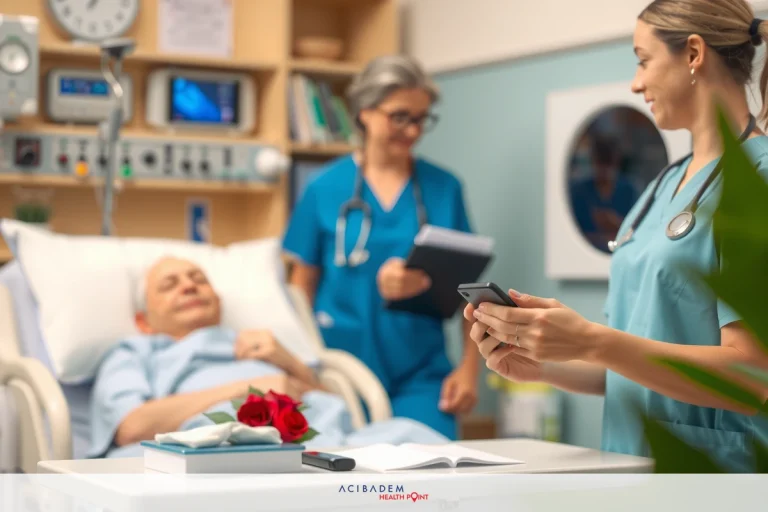
Can Radiation Therapy Be Effective Without Chemotherapy?
Can Radiation Therapy Be Effective Without Chemotherapy? Radiation therapy is a treatment that can help people with cancer. It uses high energy to kill cancer cells or slow their growth. Doctors often use it together with chemotherapy which is drug treatment. But sometimes doctors may suggest using only radiation therapy.Patients might wonder if they can skip chemotherapy and just have radiation. It’s important to talk with your doctor about what’s best for you. Your health and the type of cancer you have will guide this choice. Both treatments aim to fight cancer but work in different ways.
Knowing when radiation alone is enough could be good for patients. Side effects from chemotherapy can be hard on the body. If radiation therapy can control the cancer without these side effects it might be a better option for some patients.
Benefits of Radiation Therapy
Radiation therapy is a strong tool in the fight against cancer. It targets tumors with precision sparing healthy tissue. This focus helps to reduce damage to the body’s good cells. The effectiveness of radiation can be seen in its ability to shrink tumors.
For some cancers radiation therapy may be all that’s needed. When used alone it allows patients to avoid chemotherapy side effects. These side effects often include fatigue and nausea. Avoiding them can lead to a better quality of life during treatment.
Another advantage of radiation therapy is its schedule flexibility. Treatments are usually quick and done on an outpatient basis. This means less time at the hospital for patients undergoing treatment. They have more freedom compared to those who need regular chemotherapy sessions.
Lastly radiation therapy has advanced over the years thanks to technology improvements. New techniques allow doctors to deliver higher doses that are more effective against cancer cells while reducing risks even further than before.
Considerations for Standalone Radiation Therapy
Choosing radiation therapy without chemotherapy is a big decision. It’s essential to look at the cancer type and stage first. Your doctor may suggest standalone radiation if the cancer is contained. The goal of treatment will shape this choice like aiming for cure or control.
The patient’s overall health also plays a role in deciding on radiation alone. Strong health can make you a better candidate for just radiation therapy. If your body might not handle chemotherapy well doctors often consider it safer to avoid it. Radiation then becomes the main form of attack against the cancer cells.
Doctors also think about how quickly they need to treat the cancer when considering options. If quick action is needed standalone radiation could start sooner than chemotherapy combinations would allow because it requires less prep time. This speed can be key in preventing further spread of disease within the body.
Personal life and work must be thought about when choosing treatments too. Radiation schedules are often easier to manage with daily routines than those required by chemotherapy regimens that could lead to more

days off work or away from family due to feeling unwell after sessions.
Patient Experiences with Radiation Therapy
Many patients have shared their stories about radiation therapy. They talk about the ease of going in for treatment and heading straight home. Most find the process less daunting than they expected. Sessions are quick which means less disruption to daily life. Patients often feel more in control when they can maintain their routines.
Others highlight personal victories during their radiation therapy journey. One common theme is the relief from avoiding chemotherapy’s side effects. People tell of having more energy and fewer sick days making it easier to keep up with family activities or work commitments.
Some testimonials focus on the support they received from healthcare teams during radiation treatments. Feeling cared for and informed at every step made a big difference to them. It helped ease any fears about not using chemotherapy alongside radiation therapy. These positive experiences can reassure others who may be facing similar choices.
Side Effects of Radiation Therapy
Radiation therapy, like all treatments, can have side effects. These often depend on the treatment area and dose size. Common side effects include skin changes, fatigue, and mild swelling. Most are temporary and end a few weeks after treatment stops.
It’s important to manage these side effects properly. Skin in the treated area may become red or sensitive much like a sunburn. Using gentle soaps and creams can help ease discomfort here. Your doctor will recommend specific products that won’t irritate your skin.
Fatigue is another common issue during radiation therapy sessions. It occurs because your body uses energy to heal itself from the radiation exposure. Getting plenty of rest is key; also try to eat well-balanced meals for more energy.
Some patients might experience loss of appetite as well. Nutritionists suggest eating small but frequent meals throughout the day when this happens. They also advise including foods high in protein and calories to maintain strength during therapy.
Frequently Asked Questions
Q: Can radiation therapy be used as the only treatment for cancer?
A: Yes, in certain cases, radiation therapy may be enough to treat cancer effectively.
Q: How do doctors decide if I need chemotherapy along with radiation therapy?
A: Doctors look at your type of cancer, its stage, overall health, and goals for treatment.
Q: What are the main benefits of choosing standalone radiation therapy over combined treatments?
A: The key benefits include fewer side effects and a more manageable schedule with daily life.

