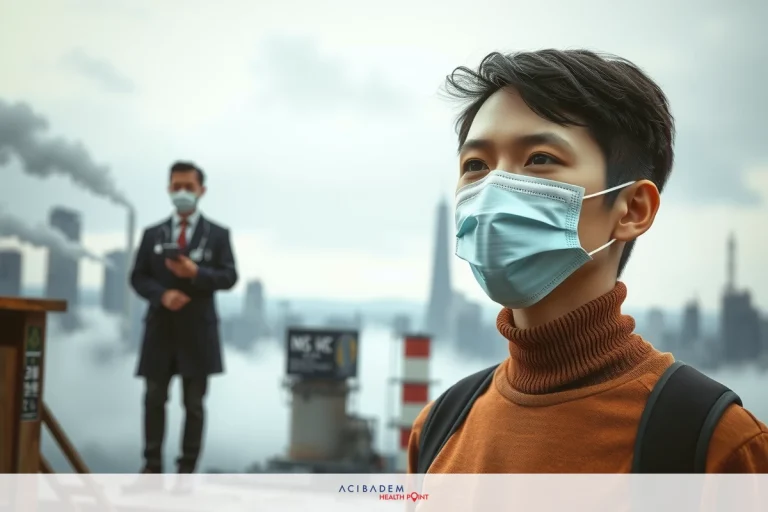
Can Pollution Cause Lung Cancer?
Can Pollution Cause Lung Cancer? Pollution is a big problem for our planet and our health. It comes from cars, factories, and many other sources. Doctors say it can make us sick in many ways. Some people worry that dirty air might even lead to lung cancer.Many studies have looked at how bad air affects our lungs. They find that some things in the air are not good for us. These harmful bits can get deep into our lungs when we breathe them in. Over time they may damage cells and increase the chance of getting cancer.
It’s important to know about these risks so we can protect ourselves. Clean air means better health for everyone. You should talk to your doctor if you have concerns about pollution and your health.
Types of Pollution
Pollution is all around us affecting the air we breathe and the water we drink. It comes in many forms that can harm our health and environment. Air pollution might be the most talked about type when it comes to lung cancer. This kind includes smoke from cars and dust from construction sites.
Then there’s water pollution which often goes unseen but can be just as harmful. It happens when waste gets into rivers, lakes, or oceans. Chemicals from factories or oil spills are common causes of this problem. These toxins can hurt fish and plants that live in water.
We must also talk about soil pollution which affects what grows on land. Harmful chemicals can get into the ground from trash or pesticides used in farming. This kind of pollution makes it hard for plants to grow well and can ruin food we eat.
Last up is noise pollution, less visible but still bad for us. Loud sounds come from things like traffic or machines at work. Too much noise isn’t just annoying; it can stress people out and even make them sick over time. Each type of pollution plays a part in harming our health and environment alike. By knowing more about these types we take a step toward cleaner air and water for everyone’s sake.
Effects on Respiratory System
Pollution has a direct impact on our breathing. When we inhale pollutants enter our lungs and can cause harm. These tiny particles and gases irritate the airways of the respiratory system. Over time this irritation may lead to serious health problems like lung cancer.
The quality of air is vital for healthy lungs. In places with lots of pollution people often have more lung issues. They might cough or wheeze because their bodies are trying to get rid of bad stuff in the air. Kids and older adults are especially at risk here. Long term exposure to polluted air can damage lung tissue. This makes it harder for your body to take in oxygen and keep you going strong. The result? You could feel tired more easily and have trouble doing everyday things like walking or climbing stairs.
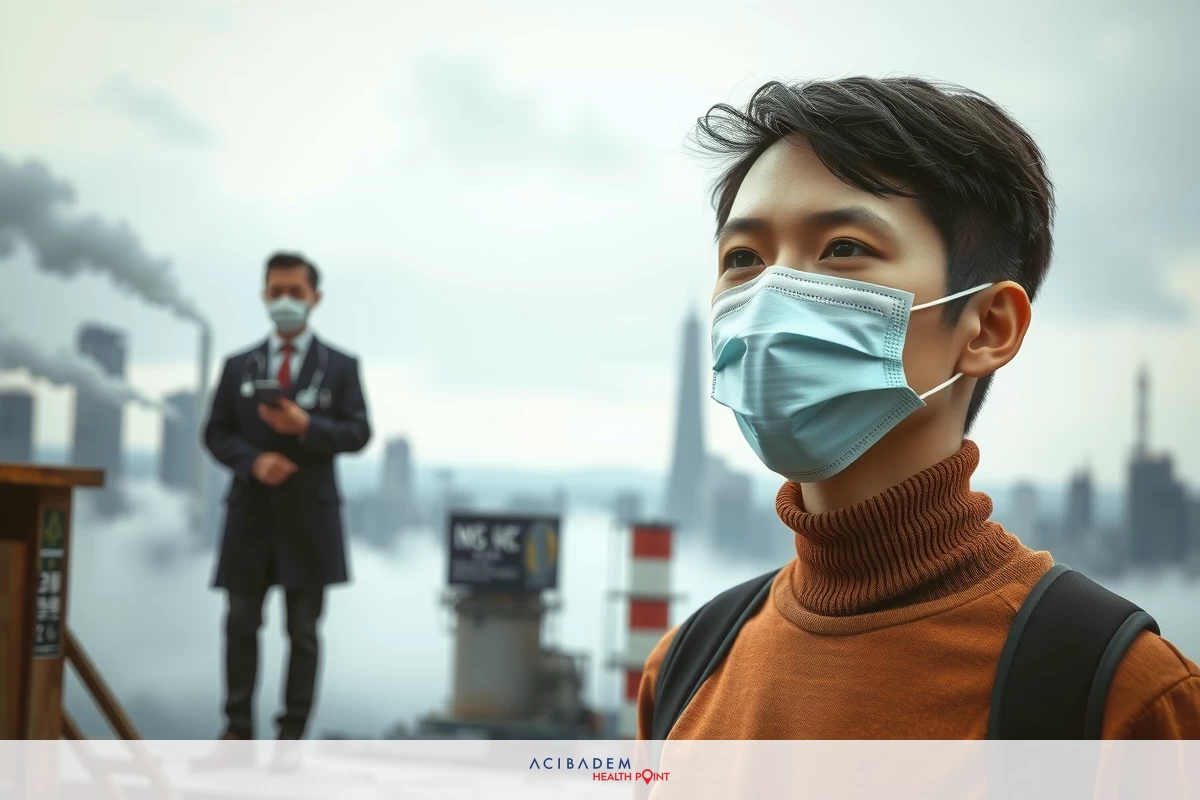
Some chemicals found in pollution can even change cells in your lungs after many years. These changes might not be good ones. They could start turning normal cells into cancerous ones without you knowing it right away. Keeping an eye on how much dirty air we breathe is key to staying healthy longer term. If you’re worried about your breathing seeing a doctor is always a smart move for peace of mind and better health overall.
Preventive Measures
Taking steps to breathe cleaner air can make a big difference for your health. For starters try to stay away from places with lots of smoke or fumes. If you bike or walk choose paths that are far from heavy traffic. This helps you avoid breathing in too many car exhausts.
At home keeping the air clean is also important. Use fans and open windows to let fresh air come inside. Plants can help clean the air. They’re like nature’s own air filters. And don’t forget about regular dusting and vacuuming; it keeps harmful particles out of your space.
When it comes to healthy habits think about what products you use every day. Some cleaning supplies or paints give off bad chemicals into the air around us. Look for ones that say ‘low VOC’ on the label. These are kinder to our lungs and environment. Small changes in our daily life can add up to less pollution in our bodies over time. By making good choices now we all do our part for cleaner air tomorrow.
Seeking Medical Advice
When it comes to health advice from doctors is key. If you’re worried about pollution and your lungs make an appointment for a check up. Your doctor can test how well your lungs are working and look for any problems. It’s important to catch issues early before they get bigger.
A healthcare professional can guide you on ways to protect yourself from dirty air. They may suggest wearing masks or using air purifiers at home or work. These steps could be especially helpful if you live in a busy city with lots of pollution. Doctors have the latest info on how environment affects our health. They know all about the signs that show up when bad air starts causing trouble inside us. With their help tracking changes over time is easier and more accurate.
Sometimes they might recommend tests that screen for lung cancer as part of regular care. This can give peace of mind or help find cancer early when treatment works best. Remember insurance coverage often includes these types of health checks. It’s worth asking yours what they cover. Lastly don’t forget that medical advice is not just for when you feel sick already. Regular visits help keep watch over your overall wellbeing in this world full of pollution risks around us every day.
Frequently Asked Questions
Q: Can wearing a mask reduce my risk of lung cancer from pollution?
A: Wearing a mask, especially in high pollution areas, can filter out harmful particles and lessen your exposure.
A: Regular check ups are important. Talk to your doctor for a schedule that fits your health needs and local environment.
Q: Are there any specific foods or diets that protect against the effects of pollution?
A: Eating plenty of fruits and vegetables rich in antioxidants may help protect your cells from damage caused by pollutants.