





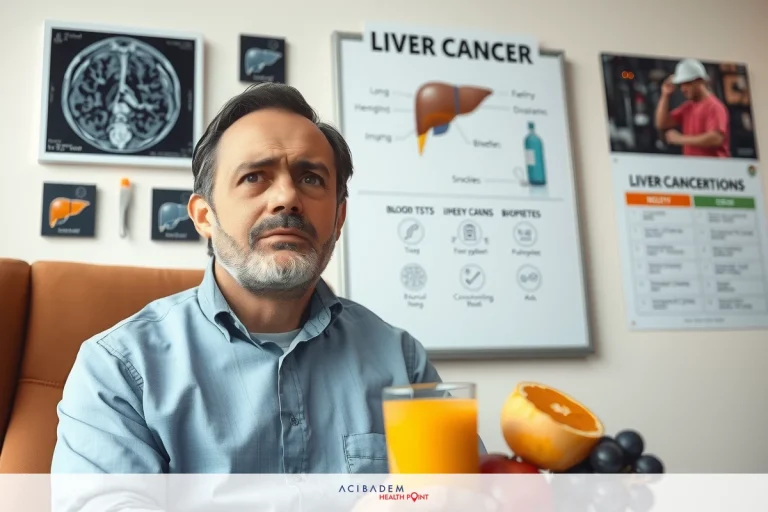
Can Liver Cancer Be Asymptomatic?
Can Liver Cancer Be Asymptomatic? Sometimes people with liver cancer do not have symptoms. It can grow quietly in your body without any signs. Doctors may find it when you get tests for other problems. If you feel fine you might wonder if you could still have liver cancer. That’s why knowing how it can hide is key.Doctors look for many things to see if someone has liver cancer. They check your history and use special tests. If they catch it early treatment might work better. You should talk to them if you’re worried about risks or anything unusual with your health. Your insurance company can also help figure out what services they cover.
Liver cancer doesn’t always make a person feel sick right away. Symptoms like weight loss or feeling tired may start later on as the disease grows inside the body. Regular check-ups important for catching potential issues early before they develop further.
Signs and Symptoms
Liver cancer may not always show symptoms at first. This can make diagnosis a bit tricky. When signs do appear they might include pain in the upper abdomen or right shoulder blade area. Some people also feel swollen in their belly or notice a lump on the side of their liver.
Jaundice is another symptom that can emerge with liver cancer. It makes your skin and eyes turn yellow. Other signs are less specific to liver cancer but still important like feeling very tired or losing weight without trying. These changes happen because the liver isn’t working as it should.
If you have these symptoms your doctor will want to test for liver cancer. They might use blood tests, scans, and other methods to look inside your body. Finding out if these signs mean you have liver cancer is important because it helps decide what treatment you need.
Sometimes other health issues can cause similar symptoms to those of liver cancer. That’s why getting checked out by a healthcare professional is important when you notice any new or odd feelings in your body. They’ll work with you to get to the bottom of what’s causing them and how best to treat whatever they find.
Risk Factors
Certain things can raise your chances of getting liver cancer. Doctors call these “risk factors.” Long-term hepatitis, both B and C types, is a big one because it harms the liver over time. Drinking too much alcohol for years is another risk factor that damages this organ. Being very overweight or having diabetes also puts stress on the liver.
Some risks are linked to where you live or your job. For example, if you’re around harmful chemicals often, like in some factories, it could affect your liver’s health. Another risk factor is if there’s a history of liver cancer in your family making regular checks important.
It’s not just about health issues either; lifestyle choices play a part too. Smoking cigarettes can add to the risk of many cancers including those in the liver. Eating lots of foods with aflatoxins—poisons from mold that grows on crops like corn and peanuts—is risky as well.
Understanding these risks helps doctors spot who might get sick before symptoms show up. If they see someone with several risk factors they’ll keep an even closer eye on them for any signs of trouble through regular check-ups and tests.
Diagnostic Procedures
When checking for liver cancer doctors have several tools they can use. Blood tests are often the first step to look for signs of liver problems. They check for certain markers that might suggest cancer is present. If those markers are high more tests will follow to get a closer look.
Imaging tests give doctors pictures of your liver. Ultrasound is a common choice because it’s quick and painless. But sometimes they may need detailed images from CT scans or MRIs to see the size and shape of tumors clearly. These scans help in planning treatment if there’s a diagnosis.
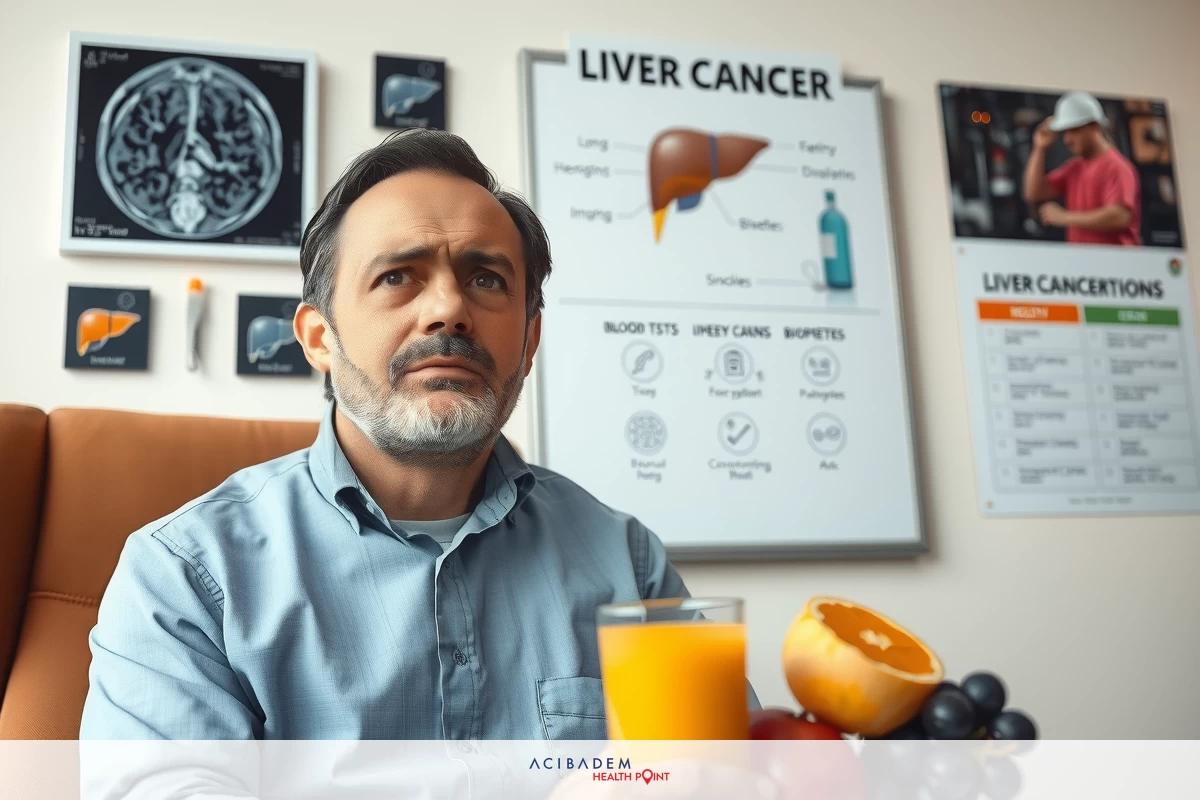
A biopsy is when a doctor takes a small piece of tissue from your liver to test it. This procedure confirms whether or not you have cancer after other tests show something might be wrong. It’s done with care so that you stay safe while getting accurate results which can guide your treatment plan forward effectively if needed.
Treatment Options
Treatment for liver cancer depends on how early it is found. Surgery can remove small tumors if they’re caught in time. This could mean taking out part of the liver but it can often grow back healthy tissue after surgery. For larger or more spread-out cancers other methods might be needed.
Radiation therapy uses high-energy rays to kill cancer cells or shrink tumors. It targets the bad areas while trying to save healthy parts of your liver. Sometimes doctors use this before or after surgery or as the main way to treat the cancer if it can’t be removed.
Chemotherapy is another option where drugs are used to destroy cancer cells throughout your body. These powerful medicines have side effects but are improving all the time with research helping patients cope better during treatment and work towards recovery.
Prevention Tips
Lowering your risk of liver cancer starts with a healthy lifestyle. Avoid heavy drinking because it can hurt your liver over time. If you smoke quitting is one of the best things you can do for your health as it reduces risks not just for liver cancer but many diseases.
Getting vaccinated against hepatitis B offers protection that can last a lifetime. It’s especially important if you work in healthcare or are exposed to blood often. For those at high risk regular screening for hepatitis C is also key since chronic infection can lead to liver cancer.
Watching what you eat matters too. Foods contaminated with aflatoxins should be avoided; these toxins are found in improperly stored grains and nuts. Eating fresh well-cooked meals helps avoid this problem and provides better nutrition for overall health including your liver’s wellbeing.
Can Liver Cancer Be Asymptomatic? :Frequently Asked Questions
Can liver cancer develop without symptoms?
Yes, liver cancer can be asymptomatic, especially in the early stages. It is often silent until it becomes more advanced.
What should I do if I think I have risk factors for liver cancer?
If you believe you're at risk for liver cancer talk to your doctor about screening options to aid in early diagnosis and potential treatment plans.
How is liver cancer diagnosed if there are no symptoms?
Liver cancer may be detected during routine check-ups or through imaging tests like ultrasounds or CT scans ordered for other medical reasons.
