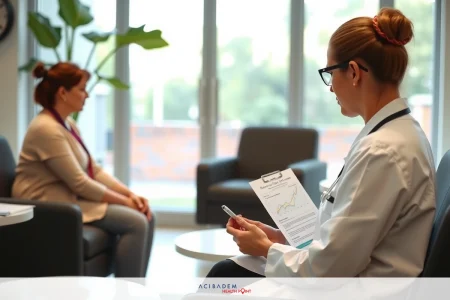
Can Ependymoma Be Prevented?
Can Ependymoma Be Prevented? Ependymoma is a type of brain tumor that affects people across various age groups. It can be hard to predict who will develop it, and currently, there are no sure ways to prevent it. Experts suggest that certain lifestyle choices might help reduce the risk of tumors like ependymoma. Maintaining a balanced diet and regular exercise could positively impact overall health.Many factors contribute to the likelihood of developing ependymoma including genetics and environment. While you cannot change your genes being aware of environmental risks may help in prevention efforts. Regular check-ups with your doctor are important for staying on top of your health.
Raising awareness about ependymoma is vital for early detection and prevention strategies. By educating oneself about potential symptoms and treatments individuals can better advocate for their health needs. If concerned about personal risk factors or symptoms consulting a healthcare provider is always recommended.
Healthy Lifestyle Choices
Eating well is key to health and might help with ependymoma prevention. A diet rich in fruits, vegetables, and whole grains provides vitamins and nutrients. These foods can protect the body’s cells from damage. While no food can prevent brain tumors alone a healthy diet supports overall well-being.
Exercise also plays an important role in maintaining good health. Regular physical activity boosts the immune system and helps control weight. It could indirectly lower the risk of developing various diseases including some types of tumors. Even moderate exercise like walking or swimming makes a difference.
Stress management is another strategy that may contribute to preventing ependymoma. High stress levels can affect your body in many ways possibly weakening its defenses against illnesses. Techniques such as deep breathing, meditation, or yoga are helpful for keeping stress at bay.
Sleep is crucial for good health too. It lets your brain rest and repair itself each night. Most adults need about seven to eight hours of sleep per day for optimal function. Making sure you get enough quality sleep could be part of an effective prevention plan against health issues like brain tumors.
Environmental Factors
Exposure to certain environmental factors may impact the risk of developing ependymoma. Studies are looking into how pollution might affect our health including brain health. Clean air is important for everyone and reducing pollution can have many benefits. It’s wise to avoid areas with high levels of industrial pollutants if possible.
Radiation is another environmental concern that could influence ependymoma risk. Medical radiation, like CT scans, is sometimes necessary but should be used judiciously. Natural sources of radiation also exist although they are less easy to control. Minimizing unnecessary exposure whenever feasible is a practical prevention strategy.
Some occupations involve higher risks due to exposure to hazardous substances. If you work in such environments following safety guidelines is crucial for protection against health risks. Personal protective equipment can reduce direct contact with harmful agents which may contribute to tumor development.
Everyday choices can help limit your exposure to potentially harmful chemicals at home and outside. Opting for

natural cleaning products over those with strong chemicals helps reduce household toxins. Choosing foods without pesticides or additives also reduces ingestion of unwanted substances that could affect brain
tumor risks like ependymoma.
Genetic Predisposition
Family history can be telling when it comes to health issues like ependymoma. If a close relative has had a brain tumor being vigilant is key. This doesn’t mean you’ll get the same illness but it’s good to be aware. Genetics play a role in our health though they’re not the whole story.
Knowing your family’s medical past helps doctors give better advice on prevention strategies. They might suggest more regular check-ups or specific tests for early detection. While we can’t change our genes knowing about them empowers us with choice and action. It’s about taking what we know and using it to live healthier lives.
If genetic risk factors are present don’t feel disheartened. There are ways to stay proactive about your health. Maintaining open communication with healthcare providers is vital in these cases. They can guide you through lifestyle choices that may counteract potential risks associated with genetics and ependymoma development.
Regular Health Check-ups
Routine health screenings are a cornerstone of preventive healthcare. They can catch issues before symptoms appear which is crucial for conditions like ependymoma. Early detection often means more treatment options and better outcomes. Setting up regular appointments with your doctor is an important step.
During check-ups doctors can look for signs that might point to brain tumors. Screenings aren’t always specific to ependymoma but monitor overall brain health. If there’s a reason for concern further tests can be done quickly. This proactive approach could make all the difference in prevention and early treatment strategies.
Consultation with healthcare professionals provides personalized medical advice. They take into account your family history, lifestyle, and other risk factors for diseases such as ependymoma. Their knowledge helps them guide you on how best to maintain your health or follow up on warning signs.
Healthcare providers also keep track of new research and advancements in preventing illnesses like brain tumors. During consultations they can share the latest findings relevant to your situation. Information from trusted sources supports informed decisions about health practices and screening schedules.
Technological advances have improved the accuracy of diagnostic methods over time making screenings more reliable than ever before. This includes MRI scans used in detecting brain abnormalities including those indicative of ependymoma. These tools are invaluable assets in our collective effort towards effective prevention strategies against serious health issues.
Promoting Awareness
Raising awareness about ependymoma is critical to early detection and prevention. When people know what symptoms to look for they can seek help sooner. Education on this brain tumor’s signs could lead to quicker diagnoses and better health outcomes. It’s important that information about ependymoma reaches a wide audience.
Community events are great ways to spread knowledge about brain tumors like ependymoma. They bring together individuals who share their experiences and learn from each other. These gatherings can also provide support for those affected by the disease or its treatment processes. The power of community effort in raising awareness cannot be overstated.
Advocacy plays a key role in promoting understanding of health issues such as ependymoma. Advocates work hard to make sure accurate information is available and policies support research efforts. Their goal is often to ensure patients have access to quality care and the latest advances in treatment strategies.
Educational materials should be clear, factual, and easily accessible for everyone interested in learning more about preventing brain tumors like ependymoma. Brochures, websites, and seminars can all serve as valuable resources for educating the public on this topic. Making these tools available helps empower individuals with knowledge that could save lives.
Lastly, professionals within healthcare settings must also take part in spreading awareness by speaking up about prevention methods when possible. Doctors, nurses, teachers – anyone involved directly or indirectly with health education has an opportunity here.
Frequently Asked Questions
Can changing my diet help prevent ependymoma?
Eating a balanced diet contributes to overall health, which may help reduce the risk of developing various conditions, including brain tumors. However there's no specific diet known to prevent ependymoma.
Are regular brain scans necessary for early detection of ependymoma?
Regular brain scans are not typically recommended for people without symptoms or increased risk factors. It's best to consult with your healthcare provider about your individual needs.
How can I get involved in advocacy for ependymoma awareness and prevention?
You can join local support groups, participate in community events focused on brain tumor awareness, or connect with national organizations that focus on research and advocacy efforts.