





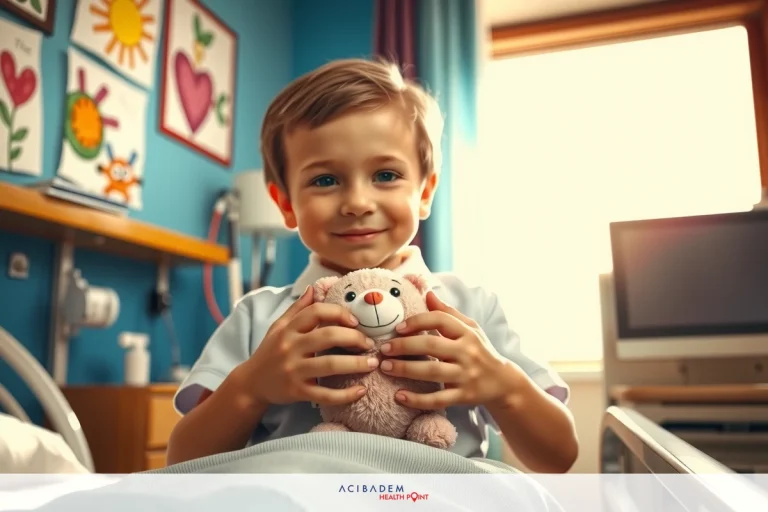
Can Childhood Heart Tumors Lead To Heart Transplants?
Can Childhood Heart Tumors Lead To Heart Transplants? Children with heart tumors often face big health challenges. Doctors look at each child’s case to see if a transplant is needed. Heart transplants can save lives but they are not always the right choice. Families and doctors work together to choose the best care for their little ones.Heart surgery for children has grown better over time. New ways of doing things help young patients heal faster. Kids who get new hearts have a chance at a full life ahead. Their families find hope in these medical advances.
Many factors come into play when deciding on a transplant for kids with heart problems. The child’s health, age, and how bad the tumor is all matter. It’s important that kids who need it get good care quickly.
Diagnosis of Childhood Heart Tumors
Doctors start by asking about the child’s health and any signs they’ve seen. They use tests like echo, EKG, or MRI to find heart tumors in kids. The medical team may also take a small piece of the tumor to study it more. This helps them figure out the best way to treat the child.
Treating childhood heart tumors can vary based on what type they are. Some need surgery right away to remove them safely. Others might get medicine first to try and shrink the growths down. Each kid gets a plan that is made just for their own needs.
Not all children with heart tumors will need transplants as a treatment option. Regular checks help doctors see if the tumor affects how the heart works over time. There is risk of harm or other treatments don’t work then transplant talk begins.
After diagnosis families learn about caring for a child with a heart tumor at home. They’ll know when to call for help and how best to support their child day to day. It’s important they feel ready and informed no matter what care their little one needs.
Heart Transplant Considerations
When a child has a heart tumor doctors think hard about the need for a transplant. They check how well the child’s heart is working and if it’s getting worse. The team looks at other health issues that could make surgery harder or riskier. It’s key to know if the child’s body would accept a new heart.
The age of the child plays a big part in deciding on transplants. Young bodies can heal quickly but they also face unique challenges with major surgery. The medical team must be sure that benefits of a transplant are greater than its risks. So they start planning the complex steps needed for transplant surgery.
Before saying yes to this big operation families talk with many experts. These include surgeons, nurses, social workers and often more specialists. They all share info to help parents understand what lies ahead after surgery. Approved for transplant kids get placed on a waiting list for donor hearts which can take time. While waiting their health gets watched very closely by their care team around the clock because changes can happen fast.
Recovery Process After Heart Transplant
Once surgery is over the child starts their recovery in a special care unit. Here they get round the clock attention

from doctors and nurses who check on them often. The goal is to make sure the new heart works well and the body accepts it. Kids may feel tired or sore at first but slowly they begin to feel better.
During this time kids learn how to take medicines that help keep their new heart healthy. It’s important for them to avoid getting sick since their immune system is weaker after surgery. Parents are taught how to clean wounds and watch for signs of infection or rejection which are key parts of healing safely at home.
As children get stronger play therapy and other fun activities start to become part of their day again. They’ll see friends from school soon too but need some time before going back full time. Little by little life gets more normal as each day passes post-surgery with every step forward marking progress towards a full recovery.
Support Systems for Families
Dealing with a child’s heart tumor can be hard on the whole family. It helps to have people who understand and offer support when needed. Many hospitals have teams that help families cope with stress during this time. They give useful advice about care at home after leaving the hospital.
Support groups are a place where parents can talk about what they’re going through. Here they meet other families facing similar challenges which often brings comfort. Sharing stories and tips is common in these groups and it makes folks feel less alone.
Social workers play a big role in providing resources to families. They guide them through paperwork for medical care and find ways to ease financial worries if possible. These experts also know how important mental health is so they suggest counseling if it seems like a good idea. Online communities have become another kind of support system nowadays. Parents find quick answers from others online sometimes even late at night or early morning hours when most offices are closed.
Frequently Asked Questions
Q: What are the signs that a child might have a heart tumor?
A: Signs can include chest pain, trouble breathing, and feeling very tired. Some kids may faint or have a fast heartbeat.
Q: How do doctors decide if a child needs a heart transplant?
A: Doctors look at how bad the tumor is and if it's hurting the heart's work. They think about the child’s overall health.
Q: What is life like for children after getting a new heart?
A: Kids take medicine to prevent rejection and see their doctor often. Many go back to school and play with friends as they get better.
