





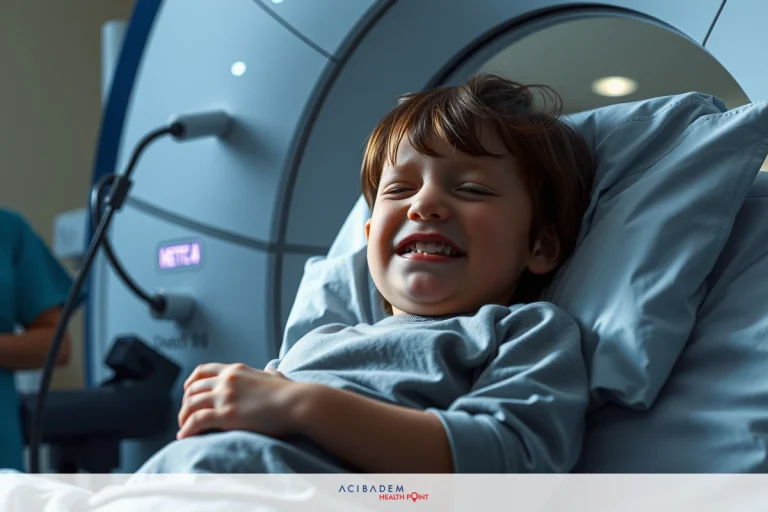
Can Childhood Heart Tumors Cause Dizziness?
Can Childhood Heart Tumors Cause Dizziness? When a child feels dizzy parents often worry about the cause. It’s not always clear why it happens. Sometimes heart tumors in kids can lead to that feeling. Doctors look for many signs before saying if a tumor is the reason.Many families face stress when dealing with health problems in children. Learning about possible causes of dizziness brings some relief. Information helps parents make good choices for their kid’s care.
Doctors and nurses work hard to help sick children feel better. They use their skills to find out what causes symptoms like dizziness. When they think a heart tumor might be why they talk with families about what steps to take next.
Symptoms of Childhood Heart Tumors
Childhood heart tumors are rare but serious. They can cause symptoms that worry parents a lot. Dizziness is one symptom kids might feel. It’s not the only sign but it’s important to notice. Sometimes children with heart tumors get tired fast. Their hearts work hard and can’t pump blood like they should. This makes them feel weak or short of breath when playing.
Kids may also have chest pain or a fast heartbeat. These signs can be scary for both kids and parents. If you see these in your child talk to a doctor soon. Swelling in legs or ankles could happen too because of how the tumor affects the heart. Weight gain without eating more is another possible sign that needs a check-up right away.
Diagnosis and Treatment
To diagnose heart tumors in children doctors start with a check-up. They ask about the child’s health and any symptoms like dizziness. Then they do tests that look at how the heart works. These tests can show if there is a tumor.
One common test is an echo short for echocardiogram. This test uses sound waves to make pictures of the heart. It shows how big the heart is and how it moves when it beats. The echo helps doctors see if there’s anything abnormal. Sometimes more tests are needed to find out what’s causing problems. MRI or CT scans give clearer images of inside the body than echoes do. Doctors use these images to get a closer look at the heart.
If doctors find a tumor they talk about treatment options with families. Surgery might be one way to treat it; this means removing the tumor from the child’s heart safely. Other treatments could include medicine or close monitoring by health care professionals.
Support for Families
Families dealing with childhood heart tumors need strong support. It’s a tough time but you’re not alone. Many groups exist to help families like yours. They offer advice and connect you with other parents who understand.
Hospitals often have teams to assist beyond medical care. These professionals guide you through each step of the journey. They can help explain what dizziness and other symptoms mean for your child.
Online forums and local support groups are great places to share experiences too. Talking with others in similar situations brings comfort and practical tips. Resources from these communities can make a big difference in coping day-to-day.
Prevention and Awareness
Preventing childhood heart tumors begins with understanding the risks. While many factors are beyond control some lifestyle choices can help. Encouraging a healthy diet and regular exercise benefits overall heart health. It’s key to start these habits early in children’s lives.
Raising awareness about childhood heart tumors is also crucial. When more people know about the signs, like dizziness, they act faster. Early action can lead to better outcomes for kids who are sick. Doctors and researchers keep looking for ways to prevent these illnesses. They study family history and genetics to find patterns that might predict risk. This research could lead to new strategies for prevention in the future.
Schools can play a part by educating students on body health and illness signs. Lessons on what symptoms like unusual tiredness or chest pain mean empower kids to speak up if they’re not feeling well. Community events like walks or runs bring attention to childhood heart diseases. These activities spread the word and show support for affected families while promoting good health practices among participants.
Frequently Asked Questions
Q: Can childhood heart tumors be found early?
A: Yes with regular check-ups and if parents watch for signs like dizziness or chest pain.
Q: What are the first steps if I suspect my child has a heart tumor?
A: Talk to your child's doctor. They will guide you on tests needed to find out what might be wrong.
Q: Are there treatments that can cure childhood heart tumors?
A: Treatment depends on the tumor type. Many can be treated with surgery, medicine, or other methods doctors suggest.
