Are Follow-ups Needed After Lip And Oral Cavity Cancer Treatment?
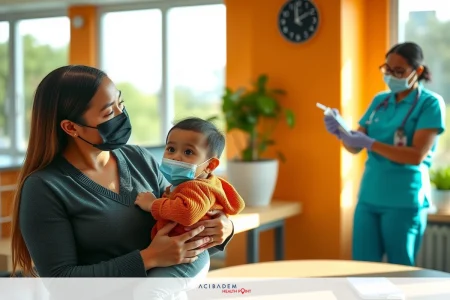
Are Follow-ups Needed After Lip And Oral Cavity Cancer Treatment? After you finish treatment for lip and oral cavity cancer your doctor will want to see you often. Your health is their top concern so they’ll check to make sure the cancer hasn’t come back. They also keep an eye out for any side effects from the treatment that might still be bothering you.Your visits become less frequent over time if all goes well. Yet it’s important to stay on top of these follow- up sessions without fail. Each visit gives you a chance to talk about new symptoms or worries that might need attention. Your doctor wants to help with any changes in your health as soon as possible.
During each check-up your doctor may do tests or look at scans of your mouth and lips. These checks are part of making sure everything looks good inside and outside where the cancer was before. Keeping up with regular visits helps catch any problems early when they’re easier to deal with.
Frequency of Follow-Up Visits
After treatment for lip and oral cavity cancer the first step is setting a follow-up schedule. Your doctor will likely want to see you every few months at first. As time passes without any signs of cancer returning these visits may spread out more. It’s key to go to all your check-ups even if you feel fine.
The necessity for frequent monitoring in the early stages can’t be overstressed. In this period doctors are most watchful for any sign of recurrence or side effects from treatment. These regular follow-ups ensure that if there’s an issue it gets caught quickly and managed effectively.
As years pass by with good health reports your doctor might reduce the frequency of your visits. This adjustment is based on long-term success rates and how well you’re doing after treatment for lip or oral cavity cancer. Remember though having fewer appointments doesn’t mean post-treatment care isn’t necessary anymore.
It’s important to know what happens during these follow-up checks as well. Your healthcare team will do exams ask about symptoms and discuss how you’re feeling overall. They use this info along with possible scans or tests to keep track of your recovery progress after lip cancer or oral cavity cancer treatment.
Tests and Screenings
When you go for your follow-ups after lip or oral cavity cancer treatment tests are routine. These screenings help doctors check if the cancer has come back or spread. They also look for any new cancers that might have developed. Diagnostic tests can include imaging scans like MRIs or CTs.
Your doctor may use a scope to get a closer look at where the cancer was treated. This is done carefully and with your comfort in mind. The goal is to spot any changes early on when they’re easier to treat. Sometimes biopsies are taken during these exams if there’s something unusual seen.
Besides looking for signs of cancer health assessments focus on how well you’re healing from treatment. Your team will ask about eating habits, pain levels, and general well-being during these visits. It’s all part of ensuring you’re recovering as expected.
Cancer surveillance isn’t just about finding problems but also preventing new ones before they start. Regular dental exams are important too since treatments can affect your teeth and gums down the line. Keeping up with all kinds of screenings is a key part of staying healthy after beating lip or oral cavity cancer.
Managing Side Effects
After beating lip or oral cavity cancer you might still face side effects from the treatment. These can range from discomfort in your mouth to changes in how food tastes. Your doctor will give advice on managing these symptoms and improving your quality of life. There are medicines and therapies that can help ease pain and heal tissue.
Supportive care is there to help you cope with any ongoing issues after treatment ends. For example, if you have trouble swallowing, a speech therapist could provide exercises for improvement. Nutritionists can also suggest foods that are easier to eat if chewing becomes difficult for you.
Keeping up with follow-ups is important because it lets your team track any side effects that linger. They’ll adjust your symptom management plan as needed over time based on what works best for you. Always let them know about new or worsening symptoms so they can offer the right supportive care quickly.
Emotional Well-Being
Battling lip and oral cavity cancer affects more than just your physical health. It also has a big impact on mental and emotional well-being. After treatment it’s common to feel a range of emotions from relief to anxiety about the future. Talking with a counselor or joining support groups can be beneficial.
Your medical team knows that psychological health is part of your recovery journey. They may recommend stress-relief techniques like meditation or deep-breathing exercises. These coping strategies help manage fears related to cancer coming back or dealing with changes in appearance.
Building a strong support network plays an important role in maintaining positive mental health post- treatment. Family, friends, and fellow survivors offer understanding and encouragement when you need it most. Don’t hesitate to reach out for emotional support whenever you’re feeling low.
Follow-ups are not only for checking physical symptoms but also for discussing any emotional struggles you face. Your doctors can connect you with resources geared towards improving psychological well-being during this time. They might suggest therapy sessions specifically tailored for cancer survivors.
Consulting Your Insurance Provider
Dealing with healthcare expenses after lip and oral cavity cancer treatment can be overwhelming. It’s important to talk to your insurance provider about what costs they cover. They can explain the specifics of your policy including any deductibles or copays for follow-up care. Early discussions with them can prevent surprises on bills later.
Understanding your insurance coverage is key to managing finances during this time. Make a list of questions before calling like asking about limits on certain services or treatments. Knowing these details helps you plan ahead for out-of-pocket costs related to necessary follow-ups.
Sometimes policies change so regular check-ins with your insurer are a good practice. Keep yourself updated on any new benefits or changes that could affect your post-treatment care access and expenses. This way you’ll make the most out of the financial assistance provided by your policy.
If you find gaps in coverage for specific aspects of follow-up care don’t lose hope. Ask your insurance representative about supplementary plans or riders that might offer additional benefits suited to your needs. They may also guide you towards programs designed to aid cancer survivors financially.
Frequently Asked Questions
How long will I need follow-up care after lip or oral cavity cancer treatment?
The length of time for follow-up care varies. It often depends on the type and stage of your cancer as well as your overall health.
What should I expect during my follow-up visits for lip cancer survivorship?
Expect a physical exam, discussion about any new symptoms, and potential tests or scans to monitor your recovery process.
Are there specific signs I should watch for during oral cavity cancer recovery?
Yes, watch for changes in speech, swallowing, weight loss, pain levels, or any new lumps in the neck area. Report these to your doctor immediately.