





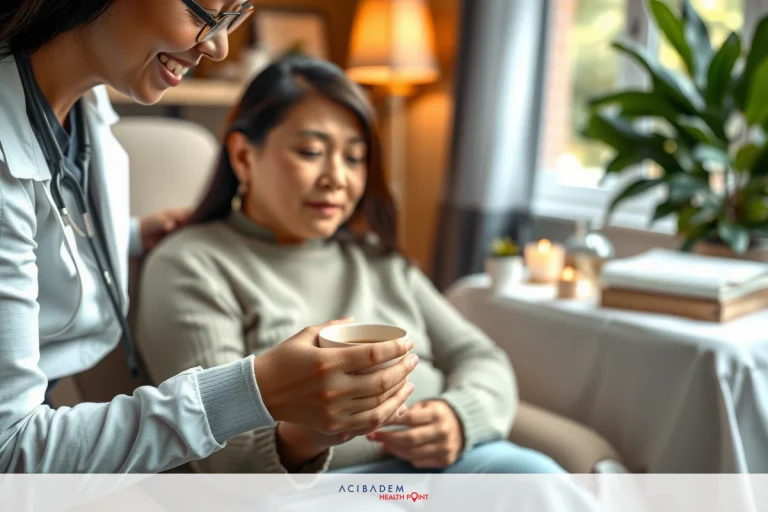
Are Alternative Therapies Helpful In Palliative Care?
Are Alternative Therapies Helpful In Palliative Care? Are Alternative Therapies Helpful In Palliative Care? Alternative therapies offer comfort to those facing tough health challenges. People often find relief outside of standard medical treatments. Many folks seek these methods for a sense of control over their care. It’s about finding peace and managing symptoms better.Palliative care aims to ease pain and improve quality of life. It supports patients through serious illnesses. Doctors, nurses and family work together in this approach. Alternative methods can be part of that team effort.
Patients sometimes worry about the effects of regular medicine on their bodies. They look for gentler options with fewer side effects. These different choices can help them feel more at ease during treatment.
Benefits of Alternative Therapies
Alternative therapies can bring many benefits to palliative care patients. They often help ease the pain and reduce stress. This relief is important because it helps patients feel more comfortable. It’s about adding to their quality of life when they need it most.
These therapies can include things like massage, acupuncture and music therapy. Each one offers a unique way to help people relax and find comfort. For someone in palliative care feeling relaxed can make all the difference. It allows them to focus on enjoying time with loved ones.
Palliative care aims not just at physical well-being but emotional health. Alternative therapies address both these needs in gentle ways. Patients appreciate having options that don’t always involve medicine or procedures.
Often these helpful approaches give control back to those getting treatment. People like choosing what feels right for them during tough times. Knowing there are choices out there brings hope and reassurance as they navigate their journey.
Types of Alternative Therapies
Many types of alternative therapies can be part of palliative care. Massage therapy is one such option helping to reduce pain and tension. It’s a hands-on way for patients to feel immediate relief in their muscles and joints. This kind of touch can also bring a sense of human connection that comforts.
Aromatherapy uses scents to help improve mood and lower stress. Essential oils from plants are the main tools here. When breathed in or applied to the skin they can create feelings of calmness or even boost energy levels.
Acupuncture is an ancient practice where thin needles stimulate specific body points. The goal is often pain reduction and better balance within the body systems. Many find this method helpful for managing symptoms like nausea or headaches.
Guided imagery involves creating calming pictures in your mind with guidance. This form of therapy encourages relaxation by focusing thoughts away from illness. It’s a simple yet powerful tool that promotes mental wellness alongside physical health.
Integration with Traditional Medicine
Combining alternative therapies with traditional medicine can offer the best care. This blend is often called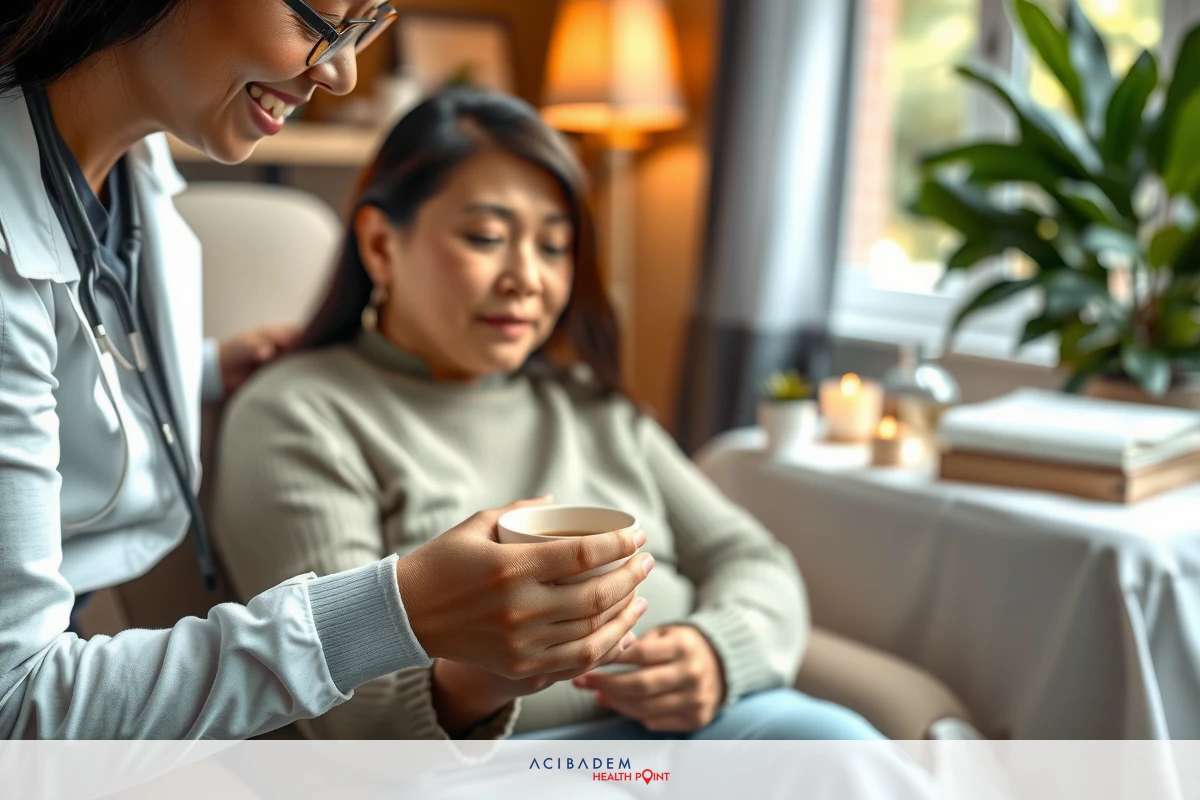 integrative medicine. It lets patients enjoy modern medical advances while also using other healing practices. These combined efforts aim to treat the whole person not just the illness.
Doctors and nurses in palliative care know each patient is unique. They work to find the right mix of treatments for each individual’s needs. Alternative therapies like meditation or yoga can fit well into this plan. These practices help manage stress which supports overall treatment goals.
Patients and healthcare teams talk together about adding these helpful options to care plans. They look at what’s safe and what might improve quality of life during treatment. With this teamwork, people facing serious illnesses often feel more supported on all sides.
Patient Testimonials
Listening to patient stories can be very insightful. Many share how alternative therapies improved their experience with palliative care. These personal accounts often highlight the relief felt from non-traditional treatments. It’s common to hear about reduced pain and increased peace of mind.
One testimonial might describe the calming effect of music therapy during hard times. Patients find melodies that bring back good memories or soothe them when they’re uneasy. This form of therapy is a simple joy that uplifts spirits when it’s needed most.
Another story could focus on how reiki, a type of energy healing, brought comfort. Despite initial skepticism patients frequently report feeling more relaxed after sessions. They appreciate this touch-free treatment and its gentle approach to easing discomfort.
Yoga testimonials often talk about gaining flexibility and breath control which help with stress management and physical discomfort alike. The slow movements paired with deep breathing are helpful tools for many in palliative care.
Research and Evidence
Scientific studies give us information about how alternative therapies can help. They look at the effects of these treatments on palliative care patients. Research shows that some therapies do make a positive difference. These findings are key for doctors when they suggest care options.
Evidence points to massage therapy as a way to lessen pain and anxiety. Studies note that this type of therapy also improves sleep quality in palliative care patients. Better sleep leads to better days something everyone values.
Acupuncture has been studied quite a bit . The research indicates it helps reduce nausea caused by chemotherapy treatments. This is helpful for those who want fewer side effects from their cancer care.
In the case of aromatherapy studies report an improvement in mood among users. Essential oils seem to have an impact on emotional well-being during difficult times in treatment. It’s one more tool patients can use as they seek comfort.
Frequently Asked Questions
Can alternative therapies be used as a replacement for traditional medicine?
No, they are generally used to complement traditional treatments, not replace them. Always consult with healthcare providers before making changes.
Are alternative therapies safe for everyone in palliative care?
Most are considered safe but it's important to discuss with your medical team to ensure they fit your specific health needs.
How do I know which alternative therapy is best for me?
It depends on individual preferences and conditions. Healthcare professionals can help guide you based on your symptoms and treatment goals.
