
Modern medicine is changing fast, helping patients get better care around the world. The United States is a leader in clinical excellence and new ideas. It’s key for those recovering from brain injuries to have access to the latest technology.
We’re all about giving top-notch care. We make sure every patient gets the newest medical science. Our use of advanced tools means we can do things that were once thought impossible. This is how we help patients from everywhere.
Finding the right place for treatment is very important. We focus on patient-centered outcomes by using both expert doctors and the latest tech. This way, people can get back to living their lives on their own terms.
Key Takeaways
- The United States offers premier access to advanced medical technologies for international patients.
- Institutional commitment to innovation significantly improves recovery outcomes.
- Selecting a facility with a focus on high-tech care is vital for neurological healing.
- Patient-centered strategies ensure that individual needs remain the primary focus of treatment.
- Global travelers benefit from the seamless integration of clinical expertise and modern infrastructure.
The Evolution of Stroke Rehabilitation in the United States
For decades, research has changed how we treat stroke rehabilitation in the U.S. Before, recovery plans were simple and focused on just keeping patients stable. They didn’t aim to bring back complex motor skills.
Now, we use evidence-based, high-intensity interventions that focus on brain plasticity. This means we help the brain adapt and heal through active, specific training. This change marks a big step forward in caring for our patients.
Thanks to deep research, we’ve seen big improvements in patient recovery. Today’s stroke rehabilitation combines advanced tests with tailored therapy. This ensures each patient gets the best care possible, based on the latest medical knowledge.
The table below shows how therapy has changed over the years:
| Era | Primary Focus | Outcome Goal |
|---|---|---|
| Mid-20th Century | Passive Care | Basic Mobility |
| Late 20th Century | Standardized PT | Functional Independence |
| Modern Era | High-Intensity Robotics | Neurological Restoration |
The growth of stroke rehabilitation shows our move towards precision medicine. With new tech and expert care, we’re exploring new recovery possibilities. Our commitment to research is key to our goal of top-notch medical support.
Why International Patients Choose the US for Neuro Recovery
Why do patients from around the world choose the United States for their complex neuro recovery journeys? The answer is simple. It’s because of the top-notch clinical expertise, advanced facilities, and focus on patient care. International patients pick the US for its strict stroke rehabilitation standards. These standards ensure safety and effectiveness at every treatment stage.
American medical institutions stand out because of their multidisciplinary care teams. These teams include neurologists, physical therapists, occupational therapists, and speech-language pathologists. They work together to address every part of a patient’s health. This approach helps patients regain their independence more fully.
Access to cutting-edge diagnostic tools is a big reason why global patients choose the US. Many American facilities use advanced imaging and neuro-mapping technologies. These tools help doctors create detailed neuro recovery plans. These plans focus on specific areas of the brain affected by injury.
Regulatory compliance and openness give families traveling from abroad peace of mind. The US has strict rules to ensure medical practices are top-notch. This means stroke rehabilitation follows the highest quality and ethics standards. Patients can then focus on healing, knowing they’re in a safe and regulated place.
The US’s global reputation in healthcare is based on innovation and excellence. By choosing the US, international patients enter a system that values long-term health and recovery. This dedication to quality makes the US a top choice for those seeking the best in rehabilitation.
Understanding the Role of Exoskeleton Rehabilitation
Exoskeleton rehabilitation is a big step forward in helping people regain their motor skills. It uses rehab technology to give patients the support they need after a stroke. These wearable robots are made to work like our bodies do.
These devices have sensors and motors that help move limbs. This exoskeleton rehabilitation lets patients do lots of training that’s hard without help. This training is key for the brain and muscles to get stronger.
We make sure every patient gets the best therapy with these systems. We think investing in new tech is key for recovery. It helps bridge old therapy methods with new robotics, making recovery faster.
The table below shows the main benefits of using these robots in therapy:
| Feature | Clinical Benefit | Patient Outcome |
|---|---|---|
| Repetitive Motion | Increased Neuroplasticity | Faster Motor Learning |
| Precision Assistance | Reduced Compensatory Movement | Improved Gait Symmetry |
| Data Tracking | Objective Progress Monitoring | Personalized Therapy Adjustments |
Using this rehab technology lets patients safely challenge themselves. Through exoskeleton rehabilitation, we stay committed to top-notch care and innovation in stroke recovery. This way, our patients get the best medical care in the U.S.
Advancements in Gait Training and Mobility Systems
New mobility systems help doctors and patients work together better. They use advanced robotics to create a safe space for gait training. This space helps patients move naturally and improves their therapy.
Systems like automated treadmills and body-weight support are big steps forward. They make it safe for patients to start moving early. This helps them build strength and practice more often.
Today, doctors use data-backed adjustments to help patients. They can change the speed, incline, and support levels in real-time. This makes gait training both challenging and achievable.
Using the latest technology speeds up recovery. Medical teams can track progress accurately. This data-driven approach helps patients reach their goals faster. It builds their confidence and independence.
Integrating Robotics into Daily Movement Therapy
We are dedicated to excellence by adding robotics to daily movement therapy sessions. Advanced mechanical systems help stroke survivors make steady progress. This method ensures each patient gets a plan that helps them regain independence.
Using rehab technology lets us do more therapy. Robots help with precise, long movements that are hard for therapists to do alone. This is key for improving brain function and learning new skills.
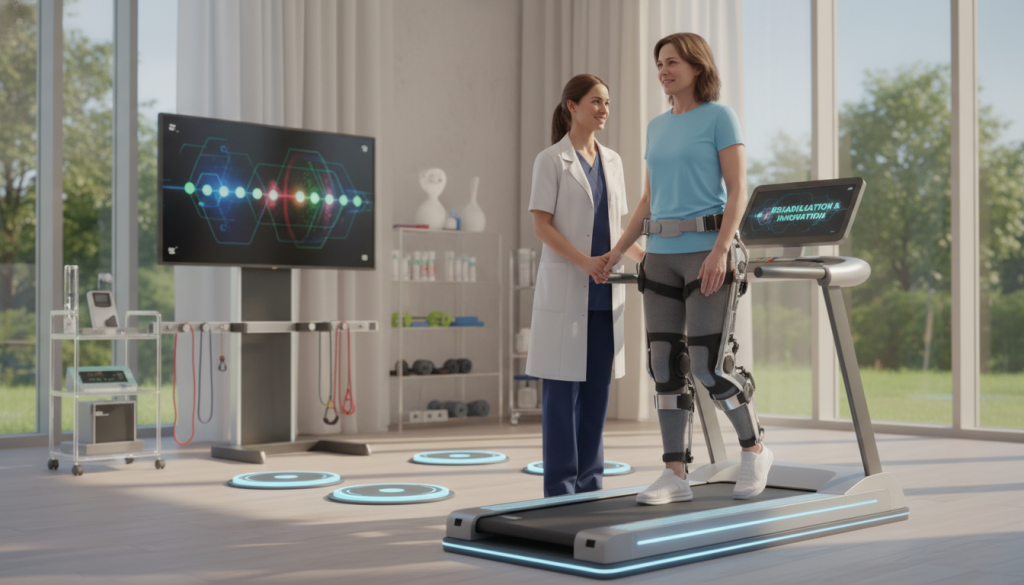
We mix these systems into each patient’s recovery plan for the best results. This mix of human skill and machine precision makes a strong movement therapy plan. It lets our teams track progress closely and adjust plans as needed.
The table below shows why using rehab technology is a big plus in therapy:
| Feature | Manual Therapy | Robotic-Assisted Therapy |
|---|---|---|
| Repetition Volume | Limited by therapist fatigue | High-volume, consistent output |
| Precision | Subjective adjustment | Quantifiable, exact movement |
| Data Tracking | Manual documentation | Automated, real-time analytics |
| Patient Engagement | High social interaction | Gamified, goal-oriented feedback |
The Impact of Virtual Reality on Cognitive and Motor Recovery
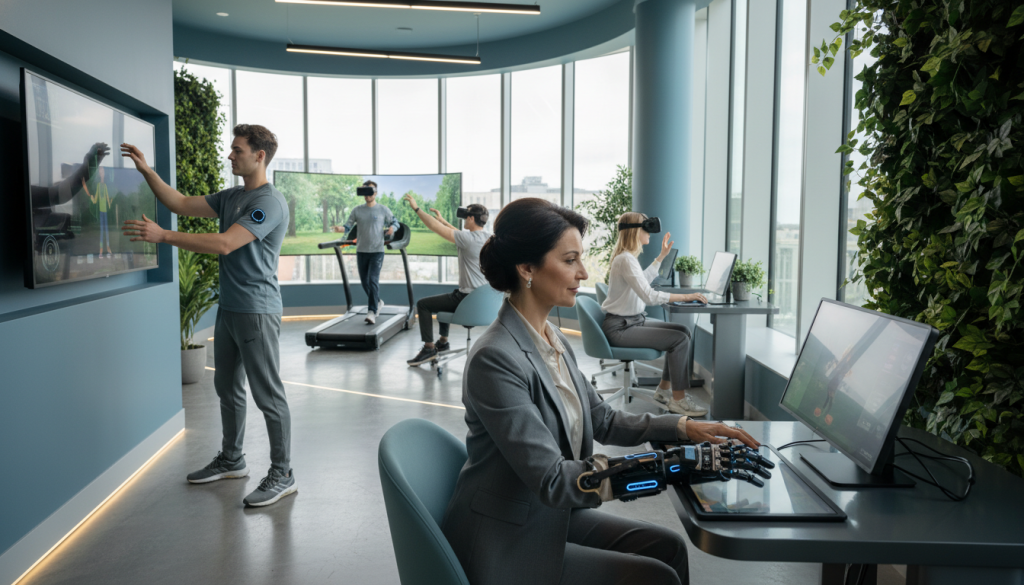
Virtual reality is changing how we help people recover from strokes. It lets doctors create special digital worlds for patients. These worlds are full of fun, task-based exercises that help the brain heal.
These digital worlds mimic real-life situations that are hard to set up in clinics. Patients can play with virtual objects, making their therapy feel more like real life. This consistent repetition is key to making the brain adapt and heal after a stroke.
We’re committed to using these new tools to make therapy more fun. When therapy is enjoyable, patients are more likely to stick with it. This leads to better results for those seeking neuro recovery.
The table below shows how VR therapy is different from old-school methods.
| Feature | Traditional Therapy | VR-Enhanced Therapy |
|---|---|---|
| Engagement Level | Moderate | High |
| Environment | Static Clinic | Immersive/Dynamic |
| Data Tracking | Manual Logs | Real-time Analytics |
| Neuro Recovery Focus | Standardized | Highly Personalized |
We mix old-school skills with new tech to give top-notch care. We think digital innovation is the way to unlock new possibilities in stroke recovery. Our goal is to offer the best support to patients from all over the world.
Tele-Rehabilitation and Remote Monitoring for Global Patients
Tele-rehabilitation is a key part of helping patients move from hospital care to home recovery. We know that recovery doesn’t stop when a patient goes home. Using advanced digital health platforms, we help our patients keep up with their progress from afar.
We are dedicated to making sure our patients get the care they need, no matter where they are. With secure video calls and special software, our team can check on patients’ progress in real-time. This lets us make changes to their therapy plans as needed, keeping them on track.
Our remote monitoring technology lets us stay close to our patients. Wearable devices and apps track important things like how they move and how active they are. This data-driven oversight helps our experts give accurate feedback, cutting down on the need for expensive trips abroad.
The table below shows how our tele-rehabilitation is different from old ways of following up:
| Feature | Traditional Follow-up | Tele-Rehabilitation |
|---|---|---|
| Accessibility | Requires physical travel | Available from home |
| Data Collection | Periodic manual reports | Continuous real-time tracking |
| Care Continuity | Intermittent engagement | Consistent, daily support |
| Cost Efficiency | High travel expenses | Significant cost reduction |
We think that giving patients the right tools is key to lasting success. By using these digital solutions, we create a supportive space that knows no borders. Our aim is to offer top-notch rehab that meets the unique needs of every patient, no matter where they are in the world.
Synergy Between Spinal Rehab and Stroke Recovery Protocols
Using spinal rehab in stroke recovery helps patients with complex issues. Our teams work together to fix both brain damage and muscle problems. This way, we make sure patients are stable and strong during their recovery.
Patients after a stroke often face problems similar to those with spinal cord injuries. These include weak muscles, poor balance, and trouble standing up straight. We use advanced therapeutic models to tackle these issues together, making recovery stronger.
By combining these areas, we get a better picture of a patient’s health. Spinal rehab helps make the body stronger, which is key for walking and moving again. Our focus on teamwork helps patients stay mobile and independent for a long time.
| Recovery Focus | Stroke Protocol | Spinal Rehab Integration |
|---|---|---|
| Core Stability | Balance Training | Postural Alignment |
| Muscle Tone | Spasticity Management | Neuromuscular Re-education |
| Mobility | Gait Patterning | Weight-Bearing Support |
| Patient Outcome | Functional Independence | Structural Resilience |
Personalized Orthopedic Rehab for Post-Stroke Complications
Our institution uses advanced orthopedic rehab to tackle musculoskeletal issues in stroke survivors. While focusing on neurological recovery, we also tackle secondary physical problems. Joint stiffness and muscle loss can slow progress if not treated.
Our team uses sports rehab methods to help patients regain strength and flexibility. These methods protect joints and promote safe movement. Every patient gets a recovery plan that fits their unique needs and abilities.
We make sure each person gets a tailored plan for their orthopedic needs. We track progress closely to see muscle and nerve function improve together. This approach helps avoid chronic pain and injuries during rehab.
Good orthopedic rehab needs to understand how the body changes after a stroke. Our teams work together to offer precise and caring care. This way, we help patients reach their best physical independence and lasting wellness.
The Science of Neuroplasticity and Advanced Rehabilitation
The science of neuroplasticity changes how we help people recover from brain injuries. It shows that the brain can change and adapt after injury. This helps doctors help patients in new ways.
Advanced rehabilitation uses the idea that the brain can change at any age. If some brain paths are broken, the brain can make new ones. We use special training to help the brain make these changes.
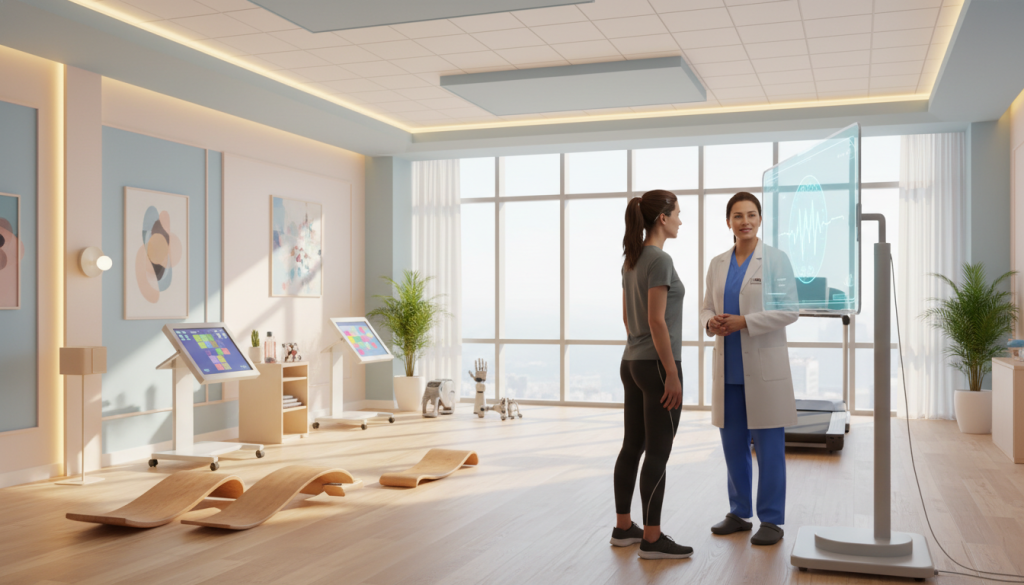
Studies show that doing the same thing over and over is key. Patients do special exercises to help their brains make new paths. This is important for neuro recovery. We make sure every movement is done right for the best results.
The table below shows how our new methods are different from old ones. They help patients get better in new ways.
| Feature | Traditional Approach | Advanced Protocol |
|---|---|---|
| Training Intensity | Low to Moderate | High-Intensity |
| Focus Area | General Mobility | Task-Specific |
| Neural Impact | Compensatory | Restorative |
| Data Usage | Observation-Based | Evidence-Driven |
We keep learning and using new science in our care. We mix the latest tech with brain science to help patients. Our aim is to make sure every patient gets the best care possible.
Data-Driven Recovery Tracking and Wearable Technology
Wearable technology has changed how we track patient progress in rehab. It uses advanced sensors to capture precise movement data. This makes sure every recovery step is recorded accurately.
With real-time monitoring, our team can tweak treatment plans as needed. We look at actual data, not just what we see. This data-driven approach shows patients their progress clearly.
We use these insights to make sure every recovery step is the best it can be. By analyzing patient data, we tailor treatments to fit each person’s needs. This keeps us leading in modern medical care.
| Feature | Traditional Monitoring | Data-Driven Rehab Technology |
|---|---|---|
| Data Collection | Manual observation | Automated sensor tracking |
| Adjustment Speed | Weekly or monthly | Real-time adjustments |
| Metric Accuracy | Subjective assessment | Objective performance data |
| Patient Feedback | Verbal reports | Visual progress dashboards |
Sustainable Healthcare Solutions for Long-Term Patient Outcomes
We’re changing how we do stroke rehab by using eco-friendly methods in our tech-rich clinics. We know healing isn’t just about fixing the body. It’s also about making the world better for our patients when they go home.
By focusing on sustainable healthcare, we make sure our clinics don’t harm the environment. This way, we keep innovating while thinking about the future. Environmental stewardship is key to how we work.
For the best results, we look at recovery as a whole. We make sure patients get the ongoing support they need. This includes kontrola posle lecenja posledice i terapije to track their progress. This helps us give each patient the care they need for lasting success.
We aim for excellence by mixing cutting-edge medicine with green practices. We think long-term patient outcomes get better when the healing space is both modern and green.
| Focus Area | Sustainability Strategy | Patient Benefit |
|---|---|---|
| Energy Usage | Renewable Power Integration | Reduced Carbon Footprint |
| Clinical Waste | Advanced Recycling Protocols | Cleaner Healing Environment |
| Resource Management | Digital Documentation Systems | Enhanced Data Accuracy |
We’re committed to building a healthcare system that meets our patients’ needs. By combining innovation with responsibility, we pave the way for a healthier world. Our team is leading the charge in giving top-notch care that’s good for the planet.
Navigating the Logistics of International Medical Travel for Rehab
We make it easy for international patients to get the care they need. Moving across borders for medical care is a big step. We handle all the details so you can focus on getting better.
First, we help with the medical visa requirements for the United States. Our team guides you through all the paperwork. This way, you won’t face any delays and can relax during a tough time.
Good coordination of care is key for success. We make sure your home doctors and our team talk regularly. This keeps your treatment on track. You can read more about this at this link.
We know rehab affects the whole family. We help with travel, places to stay, and getting used to a new place. Creating a supportive environment is what we’re all about. We believe feeling good emotionally is as important as feeling better physically.
Multidisciplinary Care Teams and Patient-Centered Approaches
The key to successful recovery is a team of experts working together. They create a plan that fits each patient’s needs. This advanced rehabilitation model treats the whole person, not just symptoms.
Our team includes doctors, physical and occupational therapists, and support staff. They work together to meet each person’s physical, emotional, and cognitive needs. Compassion and innovation guide every interaction.
We believe in patient-centered care that involves constant communication. When families are part of the process, results get better. For daily support tips, our prakticni saveti za negu bolesnika offer valuable advice.
Our culture combines medical skill with empathy. This allows us to offer advanced rehabilitation that meets our patients’ changing needs. We’re dedicated to top-notch care through ongoing learning.
| Care Discipline | Primary Focus | Contribution to Recovery |
|---|---|---|
| Neurology | Brain Function | Clinical oversight and diagnosis |
| Physical Therapy | Motor Skills | Gait training and strength |
| Occupational Therapy | Daily Living | Independence in daily tasks |
| Psychology | Emotional Health | Cognitive support and resilience |
Our advanced rehabilitation framework ensures no part of a patient’s health is ignored. Our team structure aims to help patients reach their full recovery and success.
Future Horizons for Global Stroke Rehabilitation Excellence
The world of neurological recovery is changing fast. It’s moving towards more precise and accessible care. Our place at the forefront means we’re leading with the latest in robotics and data insights.
We focus on building strong medical systems around the world. This way, everyone can get top-notch care no matter where they are.
Innovation is key to our goal of better patient outcomes. We blend new tech with expert teams to open doors to recovery that seemed closed before. This keeps stroke rehab a field that can meet the needs of all patients.
Want to see how these new steps can help you? Our team is here to help you on your path to better mobility and freedom. Contact our patient services today to start your journey with a focus on your long-term health.
FAQ
Q: How does advanced rehabilitation technology transform outcomes for international medical travelers?
A: Advanced rehab tech, like at the Kessler Institute for Rehabilitation, helps patients reach new recovery milestones. It combines clinical skills with innovation. This ensures patients get top-notch care tailored to their complex needs.
Q: What defines the evolution of stroke recovery standards in the United States?
A: The U.S. has moved from old-school physical therapy to modern, high-intensity methods. Places like the Mayo Clinic have shown that intense, repetitive movement is key. This shift has set today’s care standards for maximum recovery.
Q: Why do international patients prioritize the United States for neuro recovery?
A: Patients choose the U.S. for its team-based care and strict rules. They get access to cutting-edge tools and special recovery plans. This offers a level of care recognized worldwide.
Q: What is the role of exoskeleton rehabilitation in post-stroke mobility?
A: Exoskeletons, like the EksoNR by Ekso Bionics, help patients walk again. They provide powered support for the legs. This lets patients start walking therapy sooner, no matter their strength.
Q: How have gait training systems improved the recovery of walking abilities?
A: Modern gait training, like with the Hocoma Lokomat, has changed a lot. It uses robotic guidance and body support. This helps patients walk safely and improves their stride, speeding up recovery.
Q: How are robotics integrated into daily movement therapy sessions?
A: Robotics, like the InMotion ARM, boost therapy volume. They help therapists do more than they could before. This ensures every session is as effective as possible for the patient.
Q: What impact does virtual reality have on cognitive and motor recovery?
A: Virtual reality, like MindMaze, offers immersive, task-based environments. It boosts neuroplasticity and improves focus and coordination. This tool makes therapy more engaging and tracks progress effectively.
Q: How does tele-rehabilitation support patients after they return to their home countries?
A: Tele-rehab and remote monitoring help patients after they go home. They let our teams keep an eye on progress and adjust exercises as needed. This ensures a smooth transition back home.
Q: Is there a synergy between spinal rehab and stroke recovery protocols?
A: Yes, spinal rehab and stroke protocols work well together. They help manage complex neurological issues. Our expertise ensures a complete recovery plan for the whole nervous system.
Q: How does personalized orthopedic rehab assist with post-stroke complications?
A: Personalized rehab helps with musculoskeletal issues after a stroke. It keeps joints and muscles healthy. Treating these problems like athletic injuries supports neurological recovery.
Q: What is the scientific rationale behind high-intensity advanced rehabilitation?
A: Our approach is based on neuroplasticity, the brain’s ability to change. High-intensity training stimulates these changes. It helps the brain form new connections for recovery.
Q: How does wearable technology facilitate data-driven recovery tracking?
A: Wearable sensors give us important data on patient progress. This data helps us adjust treatment plans. It ensures every rehab tool is working its best for the patient.
Q: How does the institution promote sustainable healthcare solutions?
A: We focus on sustainable healthcare that’s both high-tech and eco-friendly. We use energy-efficient facilities and reduce waste. Our goal is to provide top care now and protect the environment for the future.
Q: What logistical support is available for international medical travelers?
A: We help with visa needs and care coordination for international patients. Our team handles travel and housing logistics. This lets patients and their families focus on recovery.
Q: Who makes up the multidisciplinary care team for a stroke patient?
A: Patients at places like the Shirley Ryan AbilityLab get care from a team of experts. This team includes physiatrists, physical therapists, and more. They focus on all aspects of recovery in a caring environment.
Q: What are the future horizons for global stroke rehabilitation excellence?
A: The future of stroke recovery includes AI, regenerative medicine, and advanced rehab tech. We’re leading the way in these areas. Our goal is to create innovative solutions for the next generation of care.