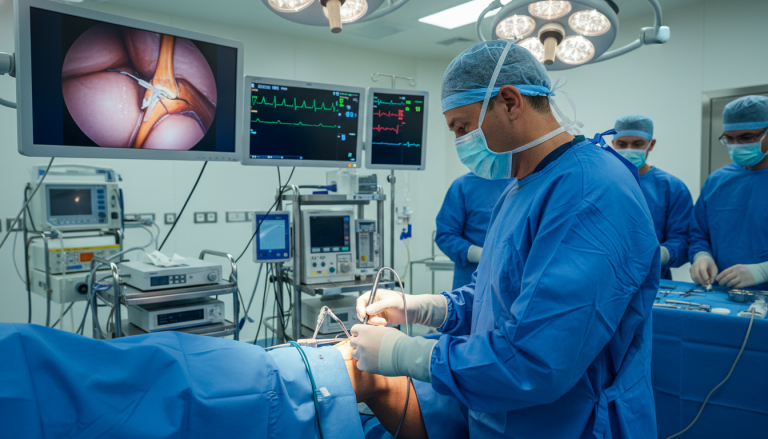


Modern medicine now looks for health risks early on. We use cutting-edge diagnostic tools to spot small changes before a heart crisis. This way, we can help patients get the right care fast, based on their own health needs.
We’re all about preventive cardiology at our place. This means we give international patients top-notch medical care. We use advanced imaging and data to keep an eye on heart health closely. This helps people feel in control of their health journey.
We’re working hard to make the future of health better with new tech. Our team is committed to giving world-class care that focuses on keeping you healthy for a long time. With preventive cardiology, we’re changing how people take care of their heart health.
Key Takeaways
- Early detection is the cornerstone of modern cardiovascular management.
- Advanced diagnostic technology identifies risks before acute events occur.
- Proactive care plans are customized to meet individual patient needs.
- International patients benefit from our high standards of medical oversight.
- Innovation drives our mission to improve long-term wellness outcomes.
The Evolution of Preventive Cardiology in Modern Medicine
Preventive cardiology is a big step forward in patient care. Before, doctors mainly treated heart problems after they happened. Now, we focus on catching issues early and preventing them from getting worse.
Doctors now use advanced tools to spot problems before they become serious. This proactive approach lets them tailor health plans to each patient’s needs. It’s all about understanding and addressing each person’s unique health risks.
Using data is key to making preventive cardiology work. By studying lots of health data, doctors can help patients live healthier lives. This focus on evidence-based medicine means every treatment is based on solid research and technology.
Understanding the Silent Signals of Cardiovascular Distress
Recognizing the silent signals of heart problems is key in modern medicine. The body often sends out small signs before a big heart issue happens. These signs can be feeling very tired, getting a bit winded when doing simple tasks, or feeling a slight pain in the chest.
We focus a lot on finding these signs in our patients. Our team works hard to spot the difference between normal symptoms and ones that need quick action. Spotting these signs early is the best way to keep your heart healthy and avoid serious problems.
Teaching patients about their health is very important to us. We help people watch their own health and know when to see a doctor. When people understand these small signs, they can help take care of their own health better.
We make sure every patient gets the right help to understand these signs. We use the latest tests to check if a patient’s concerns are real. Our detailed care helps us catch any problems early and deal with them carefully, so no sign is missed.
Advanced Cardiac Imaging Techniques for Early Detection
Advanced cardiac imaging has changed how doctors find heart problems early. They use high-tech tools to see blood vessels clearly. This helps spot risks before they turn into serious health issues.
We use the latest technology to give patients the best care. Our goal is to offer top-notch medical solutions. This way, doctors can create plans that fit each patient’s needs.
The table below shows the main ways we check heart health. Each method is good for different heart problems. This ensures we cover all aspects of heart health.
| Imaging Modality | Primary Application | Key Benefit |
|---|---|---|
| Cardiac CT | Calcium Scoring | High-speed plaque detection |
| Cardiac MRI | Tissue Characterization | Superior soft tissue detail |
| Echocardiography | Valve Assessment | Real-time structural analysis |
| Advanced Cardiac Imaging | Vascular Mapping | Non-invasive precision |
We keep adding new sophisticated diagnostic tools to our care. Our aim is to keep patients healthy for a long time. We focus on making sure every test helps make the future safer and healthier for everyone.
Biomarkers and Blood Chemistry Analysis
Understanding your cardiovascular risk starts with biomarker screening. Traditional lipid panels are just the beginning. Modern medicine looks deeper into your body’s chemistry. We check specific proteins and enzymes to spot health changes early.
These biomarkers act as early warning signs for systemic inflammation and metabolic issues. When your body is stressed, it sends signals into your blood. Finding these signals helps our medical teams act quickly and confidently.
We use this blood chemistry data to create personalized health plans. Instead of one-size-fits-all approaches, we focus on your unique needs. This way, we tackle health problems early on.
The table below shows important indicators for heart health and metabolic status:
| Biomarker | Clinical Purpose | Risk Indication | Target Goal |
|---|---|---|---|
| hs-CRP | Inflammation | Vascular stress | Below 1.0 mg/L |
| ApoB | Lipid density | Atherosclerosis | Under 80 mg/dL |
| HbA1c | Glucose control | Metabolic dysfunction | Below 5.7% |
| Lp(a) | Genetic risk | Clotting risk | Under 50 nmol/L |
By using these precise diagnostic metrics, we aim for the best in patient care. This approach helps us protect your health for the long term. We keep a close eye on these markers to keep your heart strong against future risks.
The Role of Wearable Technology in Heart Monitoring
Modern wearable technology has changed how we watch over heart health outside hospitals. These devices use advanced sensors to send a continuous stream of physiological data. This data was not available before. It helps doctors catch heart problems early, before they become emergencies.
These tools help patients take charge of their health. By tracking heart rate, rhythm, and activity, patients learn about their health. This knowledge is key to managing chronic conditions well.

Our systems work well with these wearable devices. They send real-time alerts to doctors about heart changes. This connection keeps patients safe and helps doctors act fast.
The table below shows how traditional monitoring and wearable tech differ:
| Feature | Traditional Monitoring | Wearable Technology |
|---|---|---|
| Data Frequency | Intermittent (Clinic visits) | Continuous (24/7) |
| Patient Role | Passive recipient | Active participant |
| Response Time | Delayed | Immediate/Real-time |
| Environment | Clinical setting only | Any location |
The use of wearable health tech is a big step forward in heart care. It combines patient data with our medical knowledge. This way, we offer top care to our patients, no matter where they are.
Assessing Vascular Health and Arterial Stiffness
Keeping your arterial walls healthy is key to avoiding serious cardiovascular complications. We focus on your blood vessel health to catch risks early. Our team uses advanced tests to keep your vascular health top-notch.
Checking arterial stiffness is a big deal for your heart health. When arteries lose flexibility, your heart works harder. This is a sign of atherosclerosis, where plaque starts to build up.
We use cutting-edge methods to measure how flexible your arteries are. By looking at pulse wave velocity and other signs, we understand your artery health. These tests help us start treatment early, making sure you stay healthy.
The table below shows what our team checks to see how your blood vessels are doing. It helps us spot problems before they get worse.
| Diagnostic Metric | Clinical Significance | Target Range |
|---|---|---|
| Pulse Wave Velocity | Measures arterial wall stiffness | Below 10 m/s |
| Augmentation Index | Reflects systemic vascular resistance | Less than 25% |
| Intima-Media Thickness | Detects early atherosclerosis | Under 0.9 mm |
| Brachial-Ankle Index | Assesses peripheral circulation | 1.0 to 1.3 |
We’re all about using innovative diagnostic tools to help our patients stay healthy. By focusing on your artery health now, we’re setting you up for a strong heart in the future. Our team works hard to make sure every check-up is thorough and caring.
Integrating Artificial Intelligence into Risk Prediction
The use of Artificial Intelligence in our medical work is a big step forward. It helps us understand heart health better. We can now predict risks more accurately than before.
Our team uses Machine Learning to look at lots of data. This includes patient history, genes, and current health signs. So, we can spot early signs of cardiovascular risk.
We’re always looking for new ways to help our patients. With predictive modeling, we give them tailored advice. This helps them take charge of their heart health.
| Feature | Traditional Methods | AI-Driven Analysis |
|---|---|---|
| Data Processing | Manual/Limited | Automated/Massive |
| Risk Assessment | Static/General | Dynamic/Personalized |
| Detection Speed | Delayed | Real-time |
| Accuracy Level | Baseline | High Precision |
We think the future of preventive cardiology is combining human skills with AI. By improving our algorithms, we keep our tools top-notch. This shows our commitment to top-notch care for all patients.
Lifestyle Factors and Their Impact on Early Intervention
Modern preventive cardiology sees lifestyle changes as key to good health. While tech gives us data, it’s our daily choices that shape our cardiovascular health. These habits are vital for a full care plan.
We’re dedicated to giving clear advice on eating, moving, and managing stress. By adding these to our care plans, we help patients do more than just follow a treatment. We give them the means to maintain sustainable wellness and protect their heart for the long haul.
Creating a wellness culture needs teamwork between doctors and patients. We teach that small, steady changes in diet and exercise can lead to big health wins. Empowering our patients to manage their health is at the heart of our mission.
The table below shows the main parts of our lifestyle program aimed at keeping the heart strong over time:
| Lifestyle Pillar | Clinical Focus | Expected Outcome |
|---|---|---|
| Nutritional Guidance | Heart-healthy dietary patterns | Improved lipid profiles |
| Physical Activity | Structured aerobic exercise | Enhanced vascular function |
| Stress Management | Mindfulness and recovery | Reduced systemic inflammation |
By focusing on these lifestyle factors, we move from just treating symptoms to preventing them. Our aim is to merge medical knowledge with personal effort. This way, every patient gets the chance for a healthy, lively future.
Navigating the Path to Cardiac Surgery Prevention
Early detection is key to avoiding cardiac surgery. Our teams find and tackle heart risks early. This way, we can keep patients healthy without surgery.
We choose the least invasive treatments for the best recovery. Using advanced medicine and tools, we often avoid surgery. Our goal is to improve life quality for everyone we care for.
Stopping cardiac surgery is our main goal. We watch patients closely and create care plans just for them. Empowering patients with knowledge and tech is our top priority in preventing heart issues.
The Importance of a Comprehensive Heart Checkup
Getting a heart checkup is key to keeping your heart healthy for a long time. Regular medical checks help find problems early, before they cause symptoms. This is vital in today’s fast-paced world.
Our screening programs find risks in people who don’t show symptoms. We use top-notch tools to check your heart and arteries. Knowing the importance of prevention and care helps you manage your health better.

Our goal is to give you top-notch healthcare. We want every patient to have access to the best care. A heart checkup is the first step in this care plan.
Adding these checks to your routine means you get the latest in medical tech. We aim for excellence in every heart checkup. Our goal is to keep your heart safe for many years.
Managing Arrhythmia Treatment Before Complications Arise
Modern medicine has tools to handle irregular heartbeats early. This stops them from becoming serious problems. Our teams find electrical issues fast and use proactive strategies to lower risks of stroke or heart failure.
Our cardiac units use advanced treatments and small procedures to fix rhythm problems. We focus on evidence-based treatments that target the heart’s electrical issues. This way, we tackle the arrhythmia’s cause, not just its symptoms.
We use the latest technology in our cardiac facilities. This means every patient gets the best care. Our aim is to keep your heart healthy for the long term through quick and precise medical help.
The Intersection of Vascular Surgery and Preventive Care
Advanced vascular surgery techniques let doctors act early. They can stop small problems from becoming big ones. This way, they focus on keeping the blood flow healthy from the start.
Our team combines surgery with early action plans. They find and fix specific heart problems. This careful approach helps patients avoid bigger issues later on.
We aim for the best results in every vascular surgery case. We use methods that are quick and gentle. This helps patients heal faster and live better lives.
Optimizing Recovery After Angioplasty and Stent Placement
The journey to full recovery starts right after the procedure. Our team has set up a seamless transition from the hospital to your home. We focus on clear communication and close monitoring to help you heal.
Regular check-ups are key to our post-procedure plan. Our doctors keep an eye on the stent and check how your heart is doing. These visits help us catch any issues early and boost your confidence in your recovery.
It’s important to take your medications as directed. This helps keep your stent working well and prevents blood clots. Taking your meds regularly is crucial to avoid complications and keep your blood flowing smoothly.
We care about your health long after the procedure. We see your recovery as a partnership aimed at keeping you well and preventing heart problems. We offer advanced monitoring and lifestyle advice to help you manage your heart health.
Your recovery’s success relies on teamwork between doctors and patients. We’re committed to helping you live a healthy, active life. Your heart’s long-term health is our top priority.
The Role of Cardiac Rehabilitation in Long-Term Prevention
Recovery from heart disease goes beyond the hospital. Cardiac rehabilitation plays a key role. It helps patients move from acute care to a healthy lifestyle. This ensures they avoid future heart problems.
We use a team approach that includes physical training, nutrition advice, and mental support. Healing is not just physical but also an emotional journey. Our services help patients regain strength and keep their heart healthy forever.
Managing heart health is critical, as heart failure complications can occur. Our team stresses the need for ongoing cardiac rehabilitation. This helps stabilize heart function and improves life quality. Following these protocols can greatly lower health risks over time.
The aim of cardiac rehabilitation is to give people the tools for lasting wellness. We’re dedicated to supporting and guiding patients towards a healthier future. With our care, you can regain your energy and protect your heart for years.
Pharmacological Advances in Preventive Medicine
New drug therapies are key in preventive medicine. Recent discoveries in pharmacology help doctors manage heart risks better. These treatments target specific biological pathways for a more tailored approach to heart health.
Advanced lipid-lowering agents are a big step forward. They work beyond traditional statins to tackle hard-to-change cholesterol levels. Targeted therapies help our teams keep arteries healthy like never before.
We lead in clinical research to give patients the latest care. We focus on the newest medicines that shape preventive medicine‘s future. Through constant scientific checks, we keep improving our care to protect every patient.
Embracing a Proactive Future for Cardiovascular Wellness
Modern medicine now focuses on early detection and prevention. Our institution is dedicated to a future where heart disease is managed with precision. We use the latest technology and expert judgment to protect our patients’ health.
Patient-centered care is at the heart of our innovations. We use advanced diagnostic tools and create personalized wellness plans. This helps people manage their heart health before problems start.
Our team is always working on new research and improving our facilities. We aim to make the world a healthier place for future generations. Join us in making heart wellness a priority today.
FAQ
Q: How does modern healthcare technology identify early warning signs before a heart attack occurs?
A: Our institution uses advanced data analytics and preventive medicine. We monitor subtle changes in the body. With cutting-edge tools, we can spot high-risk patients early and act fast.
Q: What is the significance of the evolution toward preventive cardiology?
A: Moving from treating disease to preventing it is key. This approach uses data to keep patients well. It combines old knowledge with new methods for better health.
Q: Why should patients pay attention to “silent signals” of cardiovascular distress?
A: Small changes in how you feel can mean big problems ahead. Our team teaches patients to notice these signs. This way, we can treat heart issues early.
Q: What role does advanced cardiac imaging play in early detection?
A: High-tech imaging lets doctors see heart health clearly. Tools from Siemens Healthineers and GE Healthcare help spot problems early. This is vital for catching issues before they cause symptoms.
Q: How do biomarkers and blood chemistry analysis assist in risk quantification?
A: Biomarkers help us see inflammation and metabolic issues. This lets us tailor treatments for each patient. It’s like an early warning system for the heart.
Q: How is wearable technology integrated into institutional heart monitoring?
A: We use data from wearables to monitor health closely. This lets patients help manage their care. It keeps them connected to our team outside the clinic.
Q: Why is assessing arterial stiffness important for long-term vascular health?
A: Checking how flexible arteries are is key. It helps prevent hardening of the arteries. This helps avoid serious problems that might need surgery.
Q: How does artificial intelligence improve cardiovascular risk prediction?
A: AI helps us analyze big data for better risk assessments. This means we can give patients more accurate advice. It’s a big step forward in medicine.
Q: What is the intersection between lifestyle factors and clinical intervention?
A: Good health needs both medical care and lifestyle changes. Our team offers advice on diet, exercise, and stress. This supports our preventive programs.
Q: Can early detection truly prevent the need for major cardiac surgery?
A: Yes. Early, non-invasive treatments can often avoid surgery. We aim for the least invasive way to help patients recover.
Q: What components are included in a comprehensive heart checkup?
A: A heart checkup includes many screenings for hidden risks. This proactive approach is key to long-term heart health. It’s part of our top-notch care.
Q: How is arrhythmia treatment managed before complications arise?
A: We treat arrhythmia early with medication and procedures. This stops severe problems like stroke or heart failure. It’s a proactive approach.
Q: When is vascular surgery used as a preventive measure?
A: Vascular surgery is used to fix specific artery problems. It’s a preventive step to avoid bigger health issues. It’s a team effort between surgery and early intervention.
Q: What is the focus of care during angioplasty recovery?
A: After angioplasty, we focus on follow-up, medication, and avoiding blockages. Our care goes beyond the procedure. We ensure long-term success.
Q: Why is cardiac rehabilitation essential for long-term prevention?
A: Cardiac rehab provides the right exercise and nutrition. It’s vital for preventing future heart problems. It helps patients stay healthy for life.
Q: How are pharmacological advances changing the landscape of heart treatment?
A: New medicines and therapies are improving heart care. We’re always looking for the latest to help our patients. It’s a big step forward.
Q: How does the institution envision the future of cardiovascular wellness?
A: We see a future where technology and care come together. Our goal is to create a healthcare system focused on prevention. We aim for excellence for years to come.