


Starting your journey to better health is a big step. At our place, we know that the road after an organ transplant is tough. It’s not just about getting better physically, but also emotionally. We offer full support to make sure you feel strong and in control.
The way to get better after a transplant is a mix of patience and expert advice. Our team uses advanced surgery to reduce pain and help you heal faster. We’re here for you, working hard to keep you healthy for a long time.
It can be hard to deal with this change. Our way of helping is clear and new, to help you get stronger. We’re working together to make sure you have a good future health-wise.
Key Takeaways
- Recovery is a personalized journey supported by expert medical teams.
- Advanced surgical methods significantly improve patient outcomes and comfort.
- Physiological adaptation is a gradual process requiring consistent monitoring.
- Institutional support plays a vital role in long-term health success.
- Focusing on wellness helps patients regain vitality after their procedure.
The Reality of the Immediate Post-Operative Phase
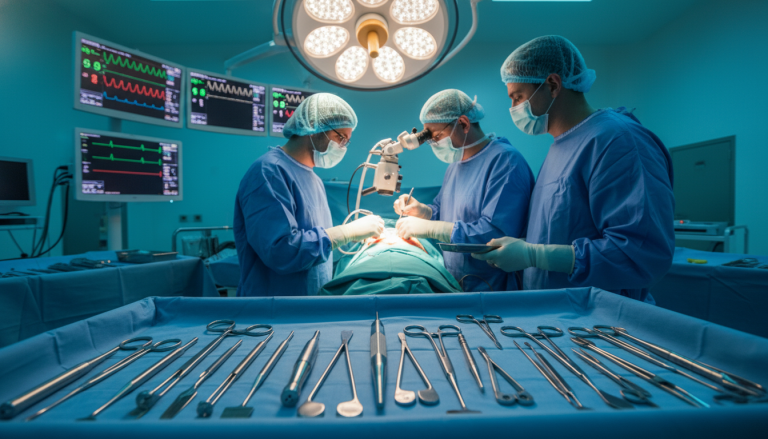
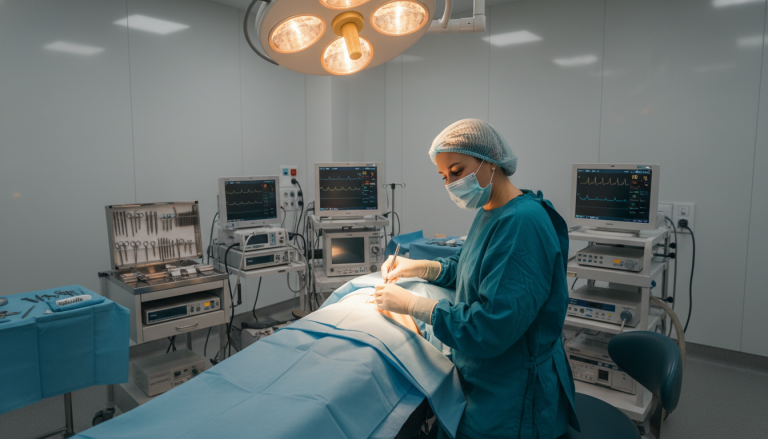
After the transplant surgery, patients move to a controlled area for recovery. This early stage is all about intensive monitoring in a special place. Our medical teams watch over patients day and night to keep everything stable.
The main goal is to take care of the surgery site and support the body’s functions. We keep the area clean and controlled to ensure safety. This commitment to excellence helps set the stage for a good recovery.
Working closely with hematology oncology teams is key. These experts watch blood chemistry closely to help the body accept the new organ. This teamwork helps manage the body’s complex responses for better health in the long run.
Patients can rest easy knowing they’re in the hands of top experts. The team tracks organ and body health closely to reduce risks. This careful watch is a big part of our promise to help patients get better.
Navigating the Transplant Evaluation and Preparation Process
The journey to a successful transplant starts with a detailed and team-based assessment. This transplant evaluation is the base of your medical journey. It makes sure every part of your health is checked by experts.
Our specialists look at your body’s readiness for surgery. This step is essential for creating a care plan just for you. It considers your medical history and specific needs.
If you’ve had blood cancer treatment before, this evaluation is even more critical. Our teams aim to spot risks and boost your body’s strength before surgery.
This detailed transplant evaluation gives you a clear path to recovery. It’s our way of ensuring you get the best care. This makes you confident and supported as you follow your treatment plan.
Understanding the Role of Transplant Specialists in Your Care
A team of experts is at the center of your medical journey. They work together in our transplant hospital to help you recover. Your peace of mind is our primary objective as we take care of every detail.
Our transplant specialists include skilled surgeons, nurses, and coordinators. They aim for the highest medical standards and care for you. They work together to meet your needs with care and precision.
They follow strict rules and best practices for your safety. Their knowledge helps manage health issues, like hronicna bubrezna insuficijencija komplikacije. Continuous monitoring is key to their approach for the best results.
Choosing our transplant hospital means getting a dedicated support system. Our transplant specialists use the latest technology and proven methods to help you heal. We are honored to support you on your path to a healthier life.
The First Few Weeks at Home After Organ Transplant
Leaving the hospital and going home is a big step for organ transplant patients. It’s a move towards being more independent. But, it also needs careful planning to keep healing on track. We know this time can be both thrilling and a bit scary as you start a new routine.
Good post transplant care at home means keeping the surgical site clean and safe. You must follow the wound care advice from your doctors closely. Watching for any redness or swelling is key to avoiding problems.

Creating a daily routine is key to successful post transplant care. A set schedule for meds, meals, and rest helps you heal better. Being consistent is your best friend in these early recovery weeks.
Keeping your home safe and supportive is important. Limit visitors at first to avoid infections and make sure you have enough space to rest. An organ transplant is a big deal, and taking time to adjust is part of the healing.
| Recovery Category | Primary Focus | Action Required |
|---|---|---|
| Surgical Site | Infection Prevention | Daily cleaning and inspection |
| Medication | Adherence | Strict adherence to timing |
| Environment | Stress Reduction | Limit visitors and noise |
| Activity | Gradual Healing | Light movement as directed |
Managing Medications and Immunosuppression Therapy
Keeping up with your immunosuppression therapy is key for your new organ’s success. These medicines are the cornerstone of long-term graft survival. They help keep your immune system from rejecting the transplant. Our dedicated transplant specialists work closely with you to make sure you understand your medication plan.
Learning is a big part of your recovery. You’ll get detailed help on organizing your meds, dealing with side effects, and watching your health. By learning to keep your meds at the right levels, you become an active participant in your own health.
We want you to talk openly with your care team. If you notice anything odd or have questions about your meds, our transplant specialists are here to help. Sticking to your plan is the best way to keep your health safe and get the best results.
| Action Item | Frequency | Purpose |
|---|---|---|
| Medication Intake | Daily (Fixed Times) | Prevent Organ Rejection |
| Blood Level Monitoring | Weekly/Monthly | Ensure Therapeutic Range |
| Symptom Tracking | Daily | Early Detection of Issues |
| Consulting Specialists | As Needed | Expert Clinical Guidance |
Physical Recovery and Returning to Daily Activities
Getting back to normal after surgery is a mix of rest and gentle activity. This transplant recovery phase is slow and needs patience. It’s all about getting back to your usual strength.
Doctors create special rehab plans to boost your heart health safely. Doing structured movement as told by your doctors is key. It helps avoid problems and builds your strength.
Getting back to daily life is a series of steps. You start with easy walking and simple chores. Then, you do more challenging things. This progressive approach helps your body adjust without hurting the surgery area.
Talking to your transplant team is important when getting back to work and life. Keep an eye on how tired you are during transplant recovery. Staying regular helps manage fatigue and keeps you on track with your goals.
Feeling confident comes as you overcome these physical hurdles. By listening to your doctors, you can start doing things you love again. Consistent effort now sets the stage for a healthy, active future.
Nutritional Needs During the Healing Process
Fueling your body right is essential for successful tissue repair and long-term wellness after your procedure. Proper nutrition is key, giving your immune system the energy it needs. Eating nutrient-dense foods helps your body heal well after your living treatment.
Our clinical dietitians help each patient create eating habits that fit their needs. We know recovery is a personal journey. That’s why we focus on diets that meet your health goals. For more tips on staying healthy, check out our nutritional advice and lifestyle guide.
Sticking to these habits can prevent common problems after surgery. We’re here to help you succeed long-term with your living treatment. Consistency in your diet is a great way to care for your new organ.
Emotional and Mental Health During Transplant Recovery
Recovery from a transplant isn’t just about the body. It’s also about the mind. The emotional healing is as important as the physical. We focus on both to help you heal fully.

We offer strong support to help you deal with your new life. It’s normal to feel many emotions, like relief and anxiety. We want you to use our mental health services to handle stress.
We make sure your mental health is a big part of your care. Our team helps you build emotional strength. Your peace of mind is key to our care. We’re here to support you every step of the way.
Infection Prevention and Immune System Management
Keeping your immune system strong is key when you’re recovering. Protecting your immune system is a big part of your post transplant care. You need to stay clean and keep your area safe.
We use special knowledge from hematology oncology to help you. This helps keep your body safe while it heals. Sticking to these habits is important for your long-term health.
Your safety is our top concern. We teach you to spot early signs of infection. Watch for things like fever, chills, or red spots. Telling your team right away if you feel off is very important.
Here’s a table with important steps to keep your recovery area safe. These are part of your post transplant care plan.
| Focus Area | Action Required | Frequency |
|---|---|---|
| Hand Hygiene | Wash with soap or sanitizer | Frequent/Daily |
| Symptom Monitoring | Check temperature and vitals | Twice Daily |
| Environment | Sanitize high-touch surfaces | Weekly |
| Clinical Contact | Report unusual symptoms | Immediate |
Following these steps helps you take care of yourself. We’re here to help you stay safe and healthy. Working together with our medical team helps us catch and fix any problems fast.
Long-Term Follow-Up Care at Your Transplant Hospital
Success after an organ transplant needs regular care at your transplant hospital. This care keeps your new organ working well for your whole life.
We see ourselves as a lifelong partner in your health journey. Regular checks help our teams watch your health closely. These visits catch small health changes early.
At these visits, your doctors will check your meds and adjust them if needed. This keeps your immune system and health in balance. Personalized care is key to our promise of long-term health for you.
Choosing a top transplant hospital means you get the latest medical tech and expertise. We offer the support and advice you need for the future. Your health is our main focus, and we’re committed to your ongoing success.
Addressing Possible Complications and Setbacks
We are always ready for the unexpected, making sure every patient gets quick, proven care. Our main aim is a smooth recovery. But we also stay ahead, finding and fixing any issues early on. Our teams use the latest tech to spot small health changes right away.
We can handle a variety of problems, from small issues to big medical needs. This is very important for those who have had blood cancer treatment before. Their special medical history needs careful watching. Our experts work together to make sure any help is just right and on time.
We always put your health first, never taking chances with your recovery. With institutional confidence and strict medical rules, we create a safety net for you. You can count on our team to keep the highest standards of safety and care with you every step of the way.
Financial and Insurance Considerations for American Patients
Starting a transplant journey means facing financial challenges. We help you plan and understand your costs from the start. This makes your recovery process less stressful.
We have dedicated financial counselors to help with your insurance. They work with you to understand what you’ll pay and deal with billing. This lets you focus on getting better.
After the transplant, you’ll need to keep up with medication costs. Our team finds ways to help with these expenses during your transplant evaluation. We aim to keep your health and finances stable in the long run.
Our team offers key financial support to make your journey smoother. Here’s what we provide:
| Service Area | Support Provided | Patient Benefit |
|---|---|---|
| Insurance Verification | Coverage analysis | Reduced billing errors |
| Medication Planning | Resource identification | Lower out-of-pocket costs |
| Administrative Advocacy | Claims management | Focus on recovery |
Integrating Advanced Surgery Outcomes into Your New Life
Starting your new life after advanced surgery is exciting. It shows your hard work in health and the help from your medical team.
Going from healing to living well is a big step. We encourage you to see this time as a chance to get back to your dreams and hobbies.
Thanks to your organ transplant, you can look forward to more energy. This energy lets you do things you couldn’t before.
Keeping a healthy lifestyle is key to keeping your surgery benefits. This new chapter means focusing on a better life and celebrating your organ transplant.
Embracing a New Chapter of Health and Wellness
Patients feel confident after a successful transplant. This is a big step towards getting their energy back. Thanks to top-notch medical care, they can look forward to a lively future.
We’re committed to creating lasting healthcare solutions. We make sure every patient gets the help they need for a strong recovery. Our goal is to keep our community healthy for years to come.
This phase celebrates the strength of the human spirit. Advanced treatments are changing what’s possible for transplant patients. We encourage you to share your stories and connect with others for ongoing health.
Your recovery journey shows the power of medical progress. We’re here to help you as you start this exciting new chapter. Your health is our top priority as we keep improving patient care.
FAQ
Q: What is the primary purpose of the initial transplant evaluation?
A: The transplant evaluation checks if a patient is ready for surgery. It looks at their health and medical history. This step is key for those who have had blood cancer treatment before.
Q: How does the medical team manage the immediate post-operative phase?
A: After surgery, patients are watched closely in a special hospital area. The team focuses on keeping vital functions stable and managing the surgical site. They also work with the hematology oncology department to check blood chemistry.
Q: Who will be responsible for overseeing my journey throughout transplant recovery?
A: A team of transplant specialists will care for you. This includes surgeons, nurses, and coordinators. They work together to ensure your care meets the highest standards.
Q: What should I expect during the first few weeks of post transplant care at home?
A: Going home is a big step. You’ll need to take care of the surgical site and get into a routine. We give you detailed advice on how to recover safely at home.
Q: Why is adherence to immunosuppression therapy so critical?
A: Taking immunosuppression medicine is key to keeping the new organ alive. We teach you about your medicine schedule and why it’s important. This way, you can help manage your immune system.
Q: How is the immune system protected during the healing process?
A: Keeping the immune system safe is our main goal. We follow strict infection prevention rules. Patients learn to spot early signs of infection and keep themselves clean.
Q: When can I begin to return to daily activities and physical exercise?
A: Getting back to normal takes time. You’ll start with gentle exercises as your team advises. We help you set milestones for getting back to your daily life.
Q: What role does nutrition play in the recovery from a living treatment?
A: Eating right is important for healing. Our dietitians help you make healthy food choices. This supports your body’s recovery and helps prevent complications.
Q: What long-term follow-up is required at the transplant hospital?
A: We keep in touch with you for life to check on your organ’s function. Regular visits help us track your progress and address any issues. This ensures your surgery’s success lasts.
Q: How are financial and insurance considerations managed for American patients?
A: We help with the financial side from the start. Our financial counselors explain your insurance and costs. We aim to make things easier so you can focus on getting better.