





Recovering well after spinal surgery takes more than just the surgery itself. Our place has a comprehensive post-operative framework to help patients get better at every step. We think long-term health comes from smoothly moving from surgery to personalized care.
Our spine specialists watch over your progress closely and with care. They use the latest fusion treatment methods to give each patient top-notch support. This focus on excellence helps bring back your mobility and improves your life quality.
Today’s medical methods, like arthroscopic surgery, are key to keeping your spine healthy. We mix new tech with caring advice to help you get stronger. Our team works hard to build a strong base for your lasting health and comfort.
Key Takeaways
- Comprehensive post-operative care is essential for long-term spinal health.
- Expert spine specialists manage each phase of the recovery journey.
- Advanced fusion treatment protocols are customized to individual patient needs.
- Modern techniques like arthroscopic surgery support faster and safer healing.
- Our institution prioritizes patient outcomes through innovative medical infrastructure.
The Multidisciplinary Approach to Post-Spinal Fusion Care
The journey to spinal recovery is guided by the synchronized expertise of surgeons, neurologists, and rehab specialists. Our team moves beyond old care models. This way, every patient gets the best from a wide range of medical knowledge.
Our teams work together to watch over patients’ health closely. They keep in touch with each other to spot problems early. This proactive oversight shows our dedication to keeping patients safe.
Our main aim is to reduce the chance of complications after surgery. We want to make sure the surgery works well for a long time. We avoid breaking the recovery process into parts. Instead, we make sure it flows smoothly from surgery to rehab.
This approach helps us track every step of recovery carefully. Patients get coordinated care plans that change as they get better. By working together, we make sure the path to getting better is safe and effective.
Understanding the Recovery Timeline After Spinal Fusion
The journey to full recovery after spinal fusion is a detailed process. It involves the healing of tissues and bones. Our team ensures each patient gets tailored support at the right time. This helps manage expectations and creates a reassuring environment for success.
The first few weeks focus on stabilizing the area and managing pain. The goal is to protect the surgery site and let soft tissues heal. Patients are advised to follow specific movement restrictions to keep the hardware secure.
As weeks go by, the focus shifts to gradual movement and physical therapy. This phase is key for getting back to daily activities and strengthening muscles. Remember, patience is essential as bone fusion is a slow process. Following the rehabilitation plan leads to steady improvements in mobility.
The final stages involve the bone graft consolidating, which takes several months. During this time, patients gradually return to their daily activities. This roadmap is vital for tracking progress toward lasting spinal health.
| Recovery Phase | Primary Focus | Expected Activity Level |
|---|---|---|
| Weeks 1-4 | Wound healing and pain control | Restricted movement; light walking |
| Weeks 5-12 | Physical therapy and mobilization | Increased range of motion exercises |
| Months 3-6 | Bone consolidation and strengthening | Return to low-impact daily tasks |
| Months 6-12 | Full functional integration | Resumption of regular lifestyle activities |
The Role of Arthroscopic Surgery and Minimally Invasive Techniques
Minimally invasive techniques have changed the game in orthopedic care. Arthroscopic surgery lets our experts tackle tough spinal and joint problems with great accuracy. This method is kind to the muscles and tissues, helping patients heal faster.
Patients see faster mobilization and less post-operative pain with these new methods. They’re as effective as old-school surgeries but gentler on the body. Our goal is to keep improving, ensuring safety and success for all.
We often do spinal and orthopedic surgeries together to make things easier for patients. For example, we might do meniscus surgery at the same time if needed. This comprehensive strategy means fewer trips to the hospital and quicker recovery times.
| Feature | Traditional Surgery | Minimally Invasive Approach |
|---|---|---|
| Tissue Trauma | High | Minimal |
| Recovery Time | Extended | Accelerated |
| Post-Op Pain | Significant | Managed/Reduced |
| Precision | Standard | High-Definition |
Choosing arthroscopic surgery and other minimally invasive options means top-notch care for our patients. We’re all about innovation, making sure each patient gets a tailored treatment plan for lasting results. Whether it’s spinal work or meniscus surgery, we aim to improve lives through cutting-edge tech.
Integrating Physical Therapy for Mobility Improvement
Physical therapy is key for those wanting to get back on their feet after spinal fusion surgery. Our teams know that moving from the hospital to everyday life needs a careful plan. This plan is all about getting better.
We focus on the right movements to beat stiffness and muscle loss. This mobility improvement plan is made just for you. It meets your surgery needs and fitness goals.
Certified therapists work with you to build strength, flexibility, and function. They make sure the surgery area is safe. Then, they slowly add more to your exercises for better recovery.
The table below shows how our rehab programs help with mobility improvement. It’s all thanks to expert physical therapy.
| Rehabilitation Phase | Primary Focus | Expected Outcome |
|---|---|---|
| Early Phase | Pain management and gentle movement | Basic functional safety |
| Intermediate Phase | Core stabilization and flexibility | Increased range of motion |
| Advanced Phase | Strength training and endurance | Full return to daily activities |
This careful plan is part of our promise to improve your life. With physical therapy, you’ll feel more confident in your recovery.
Managing Chronic Pain and Arthritis Treatment Post-Surgery
We focus on long-term comfort by using advanced pain management and arthritis treatment. We know recovery goes beyond the surgery. Our teams work to find lasting relief for each patient.
We use a detailed, multi-step plan that includes medicine and non-invasive treatments. This approach makes sure care fits each patient’s needs. We help with both surgery recovery and joint issues, aiming for the best results.
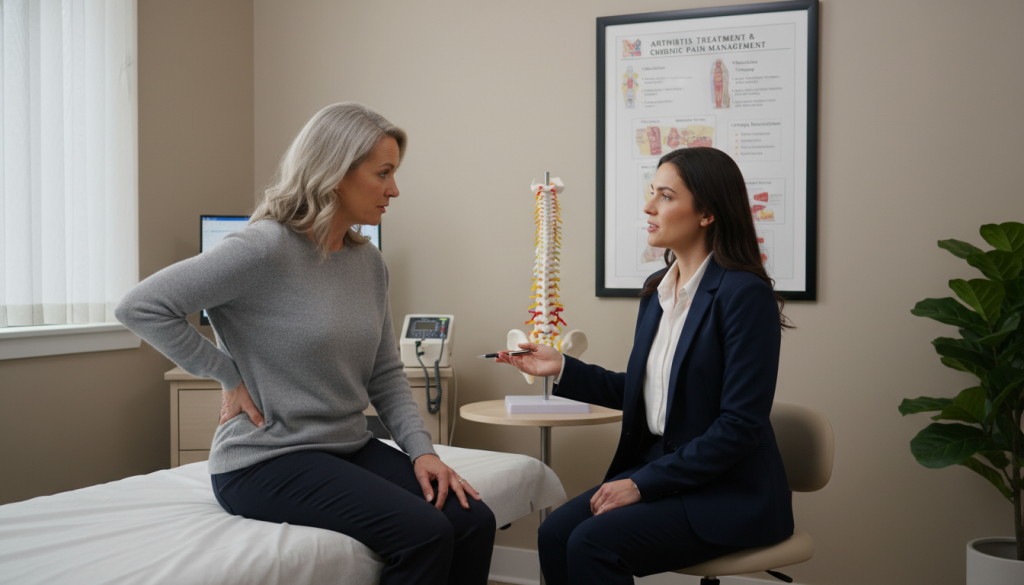
The table below shows the main ways we manage pain and support joint health after surgery. These methods help improve movement and life quality.
| Intervention Type | Primary Goal | Frequency |
|---|---|---|
| Pharmacological Oversight | Inflammation Reduction | Daily Monitoring |
| Physical Therapy | Functional Mobility | Bi-weekly Sessions |
| Arthritis Treatment | Joint Preservation | Monthly Review |
| Non-Invasive Modalities | Pain Modulation | As Needed |
This detailed plan is key for those with degenerative joint and spine issues. Our dedication to innovation and patient-centered care helps us tackle pain’s root causes. We ensure our patients can live an active life well after their surgery.
The Impact of Robotic Surgery on Precision and Recovery
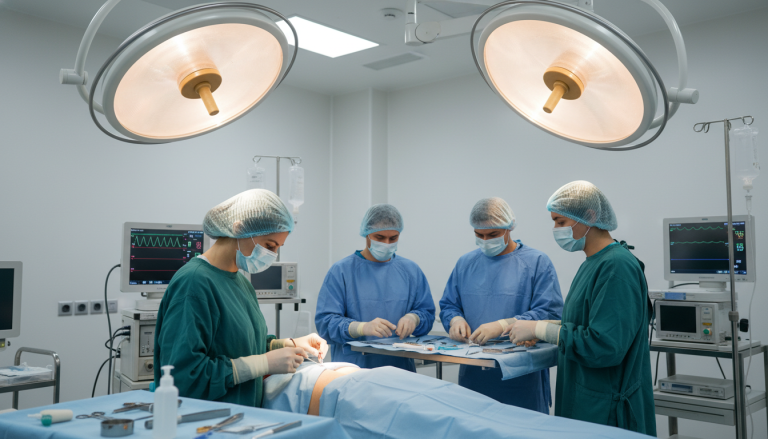
We are committed to top-notch surgery, and we use robotic surgery systems to achieve it. These systems let our teams do complex spinal surgeries with unmatched accuracy. They use high-definition visuals, helping surgeons see the spine’s details clearly.
This technology has changed how we do spinal surgeries. It gives real-time feedback, making it easier to place hardware correctly. This is key to better patient results in the long run.
Patients usually recover faster and better with robotic surgery. The surgery’s accuracy means less damage to nearby tissues. This makes the recovery process smoother.
We keep investing in these advanced tools to keep our care at the highest level. By using robotic surgery, we offer our patients the latest in medical technology. Our goal is to mix human skill with tech precision for better spinal health.
Addressing Comorbidities Like Knee Arthritis and Joint Health
Many patients deal with knee arthritis after spinal fusion, making it hard to move. Our team focuses on the spine but knows health issues affect recovery. We think a holistic approach is key for the best results.
We look at joint health to make sure other issues don’t slow down recovery. Our team works together to create a single plan. This way, we care for the whole body, not just one part.
Managing knee arthritis well is important for keeping up with physical therapy gains. Pain in the legs can make patients change how they walk. This puts extra stress on the spine. Our experts offer a step-by-step solution for recovery to help patients move with confidence.
This approach shows our dedication to our patients’ long-term health. By tackling comorbidities, we build a stable foundation for lasting health. We aim to help every patient enjoy their daily activities without pain.
Nutritional Strategies for Bone Healing and Fusion Treatment
Our team knows how important good nutrition is for fusion treatment. Eating the right vitamins and minerals is key for healing after spinal surgery. By following special diets, patients help their bodies fix and rebuild.
The healing process needs proteins and minerals to work well. We tell patients to eat enough calcium and vitamin D for strong bones. Sticking to these diets helps the body heal faster during the first few months after surgery.
Using nutrition in recovery plans helps bones get stronger. This makes sure the body can heal well over time. When patients follow these diets, they help their fusion treatment work better.
Here’s a list of nutrients that help bones heal and recover:
| Nutrient | Primary Role | Food Source |
|---|---|---|
| Calcium | Bone Mineralization | Dairy, Leafy Greens |
| Vitamin D | Calcium Absorption | Fortified Foods, Sunlight |
| Protein | Tissue Repair | Lean Meats, Legumes |
| Magnesium | Bone Structure | Nuts, Whole Grains |
Psychological Support and Mental Health in Long-Term Recovery
The emotional journey of spinal recovery is as important as the physical healing. While the body heals on a timeline, the mind needs strength to cope. We see mental health as key to the healing process.
After a spinal fusion, patients face emotional challenges. We offer professional counseling and support to help. Putting emotional well-being first helps patients stay focused on recovery.
Our team creates a reassuring and supportive environment. This boosts patient confidence. We include psychological care in recovery plans to prevent feelings of isolation. This approach keeps patients motivated during long recovery times.
Keeping a positive outlook is vital for physical healing. When patients feel supported, they stick to therapy and lifestyle changes better. We aim to care for both body and mind for the best recovery outcomes.
Sports Medicine Principles for Returning to Activity
Getting back to an active life after spinal fusion needs a careful plan based on sports medicine. Our place focuses on a safe way back to being active. We use proven methods to keep the spine safe and strong.
First, we do detailed checks of how you move. These tests help us spot any issues that could harm the fusion area. Precision is key in this step to set you up for success.
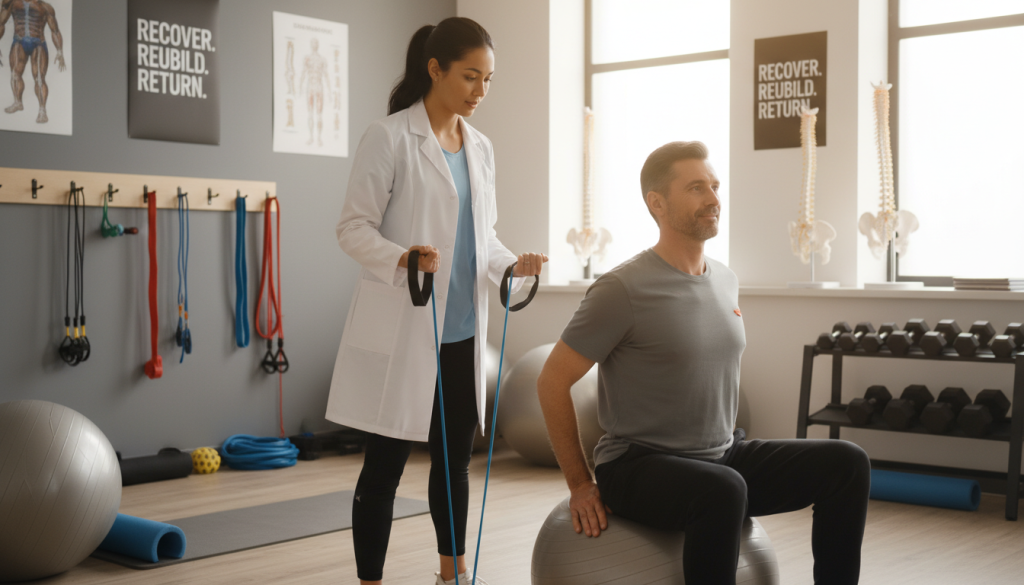
Then, we slowly add more activity to your routine. This careful increase helps your body get used to more intense movements. By using sports medicine ideas, we make sure you can safely get back to your activities.
The table below shows the steps to get back to sports after surgery:
| Phase | Focus Area | Primary Goal |
|---|---|---|
| Phase 1 | Core Stabilization | Spinal protection and posture |
| Phase 2 | Functional Loading | Controlled movement patterns |
| Phase 3 | Sport-Specific Training | Applying sports medicine techniques |
| Phase 4 | Full Return | Athletic performance and endurance |
We make sure every patient gets a plan that’s just for them. We think that informed guidance is the way to true wellness. It lets you get back to doing what you love with confidence.
Monitoring Hardware Integrity and Spine Specialist Oversight
Our post-operative care is led by skilled professionals. Spine specialists use the latest methods to check on surgical tools during recovery. This ensures top care for each patient as they heal.
Regular check-ups are key for our team. We look at how the bone is growing and if the hardware is stable. Checking the hardware stability helps avoid problems and keeps the spine strong.
We’re all about keeping patients safe and helping them recover well. Our spine specialists stay in touch with patients. This lets us make changes to care plans quickly, helping each person get the best results.
| Evaluation Phase | Primary Objective | Clinical Focus |
|---|---|---|
| Early Recovery | Hardware Stability | Alignment Verification |
| Mid-Term | Fusion Progress | Bone Density Assessment |
| Long-Term | Functional Success | Sustained Spinal Health |
Advanced Imaging and Diagnostic Follow-ups
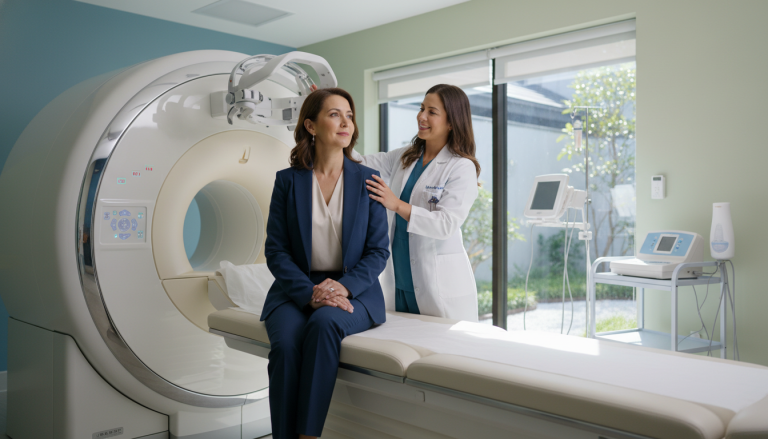
Modern tools give us a clear look at how your bone fusion is healing. High-resolution CT scans and MRIs show the healing process with exceptional clarity and precision. This detail is key to making sure the hardware is in the right place and the bone graft is fitting in with your body.
We schedule regular imaging follow-ups to keep an eye on your recovery. These sessions help us catch any problems early. This is a big part of making sure your treatment is successful. Proactive monitoring gives both you and your surgeon the information needed to decide on the next steps in your care.
Using the latest imaging technology helps us manage your spinal health for the long term. We focus on these diagnostic milestones to keep your care safe and effective. Below is a table showing what we usually check during your recovery.
| Diagnostic Tool | Primary Purpose | Frequency |
|---|---|---|
| High-Resolution CT | Verifying bone fusion density | 3 to 6 months |
| MRI Scan | Assessing soft tissue healing | 6 to 12 months |
| X-Ray Imaging | Checking hardware alignment | Routine intervals |
| Clinical Review | Synthesizing imaging data | Post-scan follow-up |
Lifestyle Modifications for Sustained Spinal Health
Our institution believes that lasting spinal health goes beyond surgery. It’s about making daily changes at home. We see every patient as a partner in their recovery and wellness journey.
Good ergonomics are key to avoiding spinal strain. We advise patients to check their workspace and how they sit and lift. Making small changes can greatly reduce spinal stress.
Keeping a healthy weight is also important. It helps spread out the load on your spine, preventing wear and tear. Our team offers personalized nutritional guidance to help you maintain a healthy weight.
It’s also important to balance activity and rest. We encourage active living but remind you to rest too. By doing so, you protect your spine and keep it strong for years.
| Focus Area | Primary Benefit | Actionable Step |
|---|---|---|
| Ergonomics | Reduced mechanical stress | Adjust chair height |
| Weight Control | Lower spinal load | Balanced nutrition |
| Activity | Improved mobility | Controlled movement |
We’re dedicated to helping you on your wellness journey. We offer regular check-ups and educational support. Your commitment to these changes will help you live a vibrant, active life.
Navigating Possible Complications and Revision Surgery
We take a careful approach to handle any complications that might arise. Our focus on patient safety means we watch closely for any issues. This way, we can quickly address problems like hardware moving or bones not healing right.
We think being open is key to getting better. If you need a second surgery, you’ll work with the same team. This means they’ll understand your needs and history well.
We aim to be the best, even after surgery. We use special tools to check on your spinal hardware. This helps us catch any problems early and treat them right away.
Here’s what our team watches to make sure you’re doing well after surgery.
| Monitoring Category | Primary Focus | Clinical Goal |
|---|---|---|
| Hardware Integrity | Alignment and Stability | Prevent Displacement |
| Bone Healing | Fusion Progression | Ensure Solid Union |
| Neurological Status | Nerve Function | Optimize Recovery |
| Symptom Tracking | Pain Management | Sustained Comfort |
We want to make sure you feel confident and in control as you heal. Our team is committed to your health and well-being. We’re here to help you every step of the way.
Achieving Lasting Wellness Through Comprehensive Post-Operative Care
Recovery after spinal fusion is a journey to long-term health and mobility. Our team uses advanced technology and expertise to help you live fully. We focus on your needs to keep your recovery on track.
We use cutting-edge tools and tailor-made plans to track your progress. Our goal is to create a future where everyone gets the care they need. This ensures your health is always a priority.
We’re here to help you get back to your daily life and sports. Our experts work to keep your hardware and spine in good shape. Contact us to talk about your recovery goals and start your journey to wellness.
FAQ
Q: How do spine specialists ensure a successful long-term recovery after a fusion treatment?
A: Our spine specialists have a detailed plan for recovery after surgery. They use advanced technology and watch every step of healing closely. This ensures the spine heals well and improves life quality.
They use robots for precise placement of hardware. They also keep an eye on patients long-term to help them fully recover.
Q: Can patients with concurrent joint issues receive treatment for knee arthritis or meniscus surgery during their spinal recovery?
A: Yes, our team looks at the whole body when treating patients. If someone has knee problems or needs surgery, we plan care together. This way, we make sure the spine heals well without other joint issues getting in the way.
Q: What role does physical therapy play in restoring mobility after spinal surgery?
A: Physical therapy is key in our recovery plan. Our certified therapists use special equipment like the AlterG Anti-Gravity Treadmill. They create programs that help patients move better and strengthen their core.
These programs help patients get rid of stiffness and improve mobility. They also make sure the surgery site stays safe.
Q: How is sports medicine integrated into the recovery process for active patients?
A: We use sports medicine to help patients get back to sports safely. Our team does assessments and plans a gradual return to activity. This protects the spine and helps patients get back to their active lives.
Q: What technological advancements are used to improve the precision of spinal fusion?
A: We use the latest technology, like the Medtronic Mazor X Stealth Edition, for precise surgery. This tech, along with minimally invasive methods, reduces damage and speeds up recovery.
Q: How does the institution manage chronic pain and ongoing arthritis treatment post-surgery?
A: We have a detailed plan for managing pain and arthritis after surgery. Our team uses medicine and non-invasive treatments to tackle pain. This approach is important for patients with joint problems, helping them find lasting relief.
Q: What imaging technologies are used to monitor the progress of bone fusion?
A: We use top-notch imaging like Siemens Healthineers CT scans and MRIs to check on bone healing. These tools let our specialists see how the bone is healing inside the body. This ensures the surgery is working and the recovery is on track.
Q: What lifestyle modifications are recommended to sustain spinal health after surgery?
A: We recommend changes in lifestyle to keep the spine healthy long-term. This includes good posture, managing weight, and choosing the right activities. Our team helps patients make these changes to protect their spine and prevent future problems.