





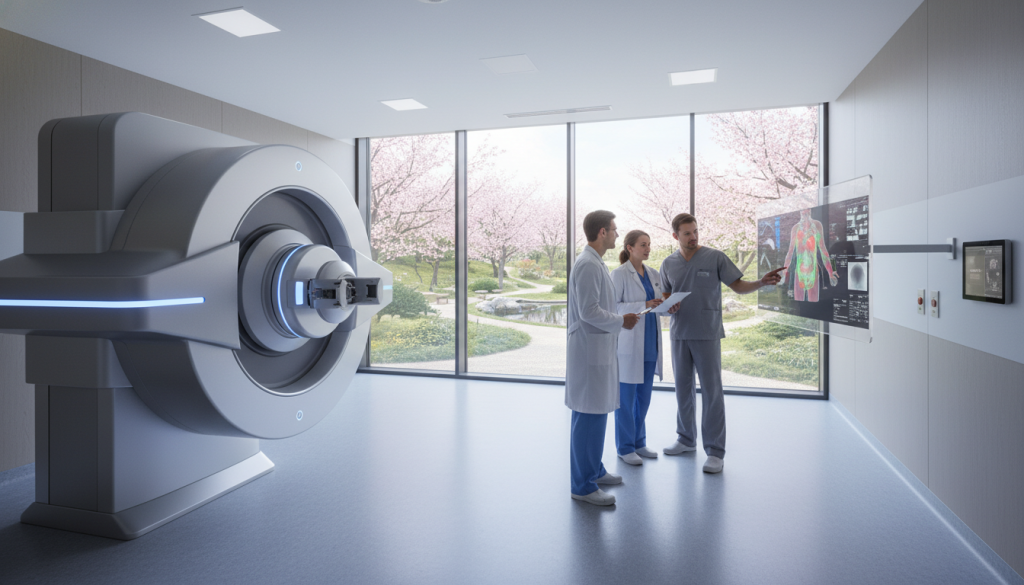
The world of cancer treatment is changing fast, moving toward precision medicine. Doctors all over the U.S. are getting more hopeful about proton therapy helping patients. This new tech lets doctors hit tumors right on target, without harming the good tissue around them.
We’re all in on this new wave of care. We’re using the latest tech to make sure every patient gets the best treatment. We believe that innovation is the cornerstone of healing.
Our promise is to keep using the latest tech in proton therapy. It shows our commitment to our mission. We’re working hard to make top-notch healthcare available to everyone, tailored to their needs.
Key Takeaways
- Precision medicine is transforming cancer care standards in the United States.
- Advanced technology enables targeted treatment while protecting healthy tissue.
- Institutional commitment to excellence ensures superior patient outcomes.
- Innovation remains a primary driver for sustainable healthcare solutions.
- World-class care standards are essential for modern medical facilities.
The Evolution of Proton Therapy in Modern Oncology
Over the years, proton therapy has become a key part of cancer treatment in the U.S. It started as a physics experiment but now is a complex treatment method. This change shows a big push to improve cancer care through science.
The heart of this change is the use of advanced cyclotron technology. This tech lets doctors send protons at exact speeds. This means they can hit cancer cells well and avoid harming healthy tissues.
Now, proton therapy is a main part of cancer care. Hospitals have moved from research to using it in a standard way. This shows how big hospitals and advanced tech help patients get better care.
Looking ahead, proton therapy will keep getting better. It’s moving towards personalized radiation delivery. This focus on each patient shows a big commitment to better survival rates and quality of life. Thanks to ongoing effort and skill, proton therapy is a key part of fighting cancer today.
Understanding the Precision of Proton Therapy
The main strength of proton therapy is its ability to precisely target tumors. It uses the Bragg peak to deliver a focused dose of energy. This is different from traditional radiation.
Protons release energy slowly as they move through the body. They save most of their energy for when they hit the tumor. This remarkable control helps protect the healthy tissue around the tumor.
This technology reduces the risk of damage to other organs. It’s great for treating hard-to-reach tumors that other methods can’t handle. Patients get a targeted approach that helps them recover better.
The table below shows how proton therapy is better than standard radiation:
| Feature | Proton Therapy | Standard Photon Radiation |
|---|---|---|
| Energy Deposition | Focused at Bragg Peak | Continuous along the path |
| Exit Dose | Minimal to None | Significant |
| Healthy Tissue Impact | Highly Reduced | Higher Exposure |
| Primary Application | Complex/Deep Tumors | General Malignancies |
Adding proton therapy to cancer treatment shows a commitment to quality. It allows doctors to give safer, more effective care to patients with tough diagnoses.
The Role of AI in Oncology and Proton Treatment
Advanced algorithms are changing how we do proton treatment. With AI in oncology, our teams can quickly and accurately process big data. This means every patient gets a treatment plan made just for them.
One big advance is real-time adaptive planning. If a patient’s body changes during treatment, our system adjusts the treatment. This keeps patients safe and helps the treatment work better.
Our medical physicists use these tools to protect healthy tissues. This focus on technological leadership helps us do more in cancer care. It lets our experts spend more time on important decisions.
The table below shows how our AI approach is different from old methods:
| Feature | Traditional Planning | AI-Enhanced Planning |
|---|---|---|
| Calculation Speed | Manual/Slow | Real-time/Instant |
| Anatomical Adjustments | Static | Dynamic/Adaptive |
| Dose Accuracy | Standard | High Precision |
| Physicist Workflow | Labor-intensive | Optimized/Efficient |
We’re committed to using these digital tools to help our patients. With AI in oncology and proton treatment, we’re making cancer care better and more sustainable for everyone in the U.S.
Improving Cancer Survival Rates Through Targeted Radiation
We are working hard to increase cancer survival rates with new medical technology. This technology sends radiation only to cancer cells, not healthy ones. This surgical-like precision lets doctors give stronger treatments safely.
Our studies show that using protons for treatment leads to better results. Patients get fewer side effects because the radiation is so accurate. This is key in modern cancer treatment, balancing strong treatment with patient care.
Patients who get targeted therapy do better in the long run than those who don’t. By avoiding radiation to important organs, we keep patients’ quality of life high. These steps are vital for improving cancer survival rates for many people.
| Treatment Modality | Precision Level | Tissue Sparing | Survival Impact |
|---|---|---|---|
| Proton Therapy | High | Excellent | Significant |
| Standard Photon | Moderate | Limited | Baseline |
| Targeted Brachytherapy | High | Moderate | Positive |
We are committed to clinical excellence by using these advanced treatments. We keep studying to make our treatments even better. Our aim is to change how cancer is treated to help more people survive in the future.
Integrating Liquid Biopsy for Personalized Care
Now, doctors can watch how tumors grow without hurting patients. This new way is better than old methods for fighting cancer.
A liquid biopsy is key for today’s cancer care. It looks at DNA in blood to see how cancer reacts to treatments right away.

This data-driven strategy makes sure each treatment fits the cancer’s unique DNA. We don’t just look at pictures to check if treatments work.
Thanks to liquid biopsy, we can change treatments fast. This highly effective approach cuts down on harm and boosts treatment success.
We focus on new tools to help patients more. By linking molecular tests with radiation therapy, we offer truly personalized care for everyone.
The Importance of Seeking an Oncology Second Opinion
When you face big medical choices, getting a second opinion is key. It’s important to make sure your diagnosis and treatment plan are right. An oncology second opinion helps you feel sure about your path forward.
Our team uses special review boards with experts from different fields. They look at each case together. This way, your treatment plan is made just for you, based on the latest research.
We also suggest looking into new treatments like proton therapy. This lets us compare old ways with new ones. Getting an oncology second opinion shows you care about your long-term health.
We always look at all sides when your health is at stake. We want to make sure your treatment is the best it can be. Your healing journey needs a team that gives it all the attention it deserves.
Expanding Access to Proton Therapy Across the United States
Setting up proton therapy centers is key to improving cancer treatment across the nation. We’re working hard to bring these centers to areas that need them most. This way, everyone can get the advanced care they deserve, no matter where they live.
Our goal is to make sure everyone has access to top-notch health care. We build our centers with the environment in mind, using green technology. This way, we care for our patients and the planet for years to come.
We follow strict rules to ensure our centers meet high standards. This careful planning means we can trust our care. We’re proud to offer world-class treatment to people all over the United States.
We want innovation in healthcare to be for everyone. By growing, we make it easier for families to get the care they need. Our work is changing how cancer care is done, making it better for everyone.
Clinical Trials and the Future of Proton Therapy
We are working on clinical trials worldwide to improve proton therapy. These studies help us learn more about modern medicine. This way, we can give our patients the best care possible.
We focus on collaborative research partnerships to find new treatments. This helps us make radiation therapy more precise for tough cancer cases. We think scientific inquiry is key to moving forward in cancer treatment.
The clinical trials we do help us set new standards for treatment. By looking at long-term results, we can make proton therapy better for each patient. This makes us better and keeps us improving.
The table below shows how our research phases help advance cancer care.
| Research Phase | Primary Objective | Expected Outcome |
|---|---|---|
| Phase I | Safety Assessment | Determining optimal dosage |
| Phase II | Efficacy Evaluation | Measuring tumor response |
| Phase III | Comparative Analysis | Establishing new standards |
| Phase IV | Long-term Monitoring | Ensuring patient quality of life |
We are committed to innovation through our research. Our aim is to make advanced cancer care better for everyone in the future. We are leading the way in radiation medicine.
Comparing Proton Therapy to Traditional Photon Radiation
It’s key to know the differences between proton therapy and photon radiation for making smart choices in cancer treatment. Photon radiation has been the mainstay for years. But, proton therapy brings a new way to target cancer cells more precisely.
This change in therapy treatment lets doctors aim radiation with unmatched accuracy. It’s a big step forward in fighting cancer.
The main difference is how these beams work in the body. Photon radiation uses X-rays that go through the whole body, spreading energy along the way. On the other hand, proton therapy uses the Bragg Peak to stop at a certain depth. This helps avoid harming healthy tissue behind the tumor.
This precision is a big plus for kids and adults with tumors near important organs. It cuts down the risk of damage and new cancers. The choice between treatments depends on the tumor’s location, size, and the patient’s health.
| Feature | Photon Radiation | Proton Therapy |
|---|---|---|
| Beam Behavior | Passes through body | Stops at tumor depth |
| Healthy Tissue Sparing | Moderate | Superior |
| Primary Application | General oncology | Complex/Pediatric cases |
| Toxicity Profile | Higher risk | Lower risk |
We aim to give patients the best care with the latest research. We keep looking into these treatments to help everyone get the best cancer care.
The Economic Landscape of Advanced Cancer Care
The financial side of modern oncology is all about finding a balance. It’s about spending on new tech and making sure patients get the best care. Strategic investment in advanced tech is key for healthcare to grow.
Setting up proton therapy centers is a big deal. The upfront costs are steep, but the benefits for patients over time are huge. These centers can make treatments less harsh by being more precise.
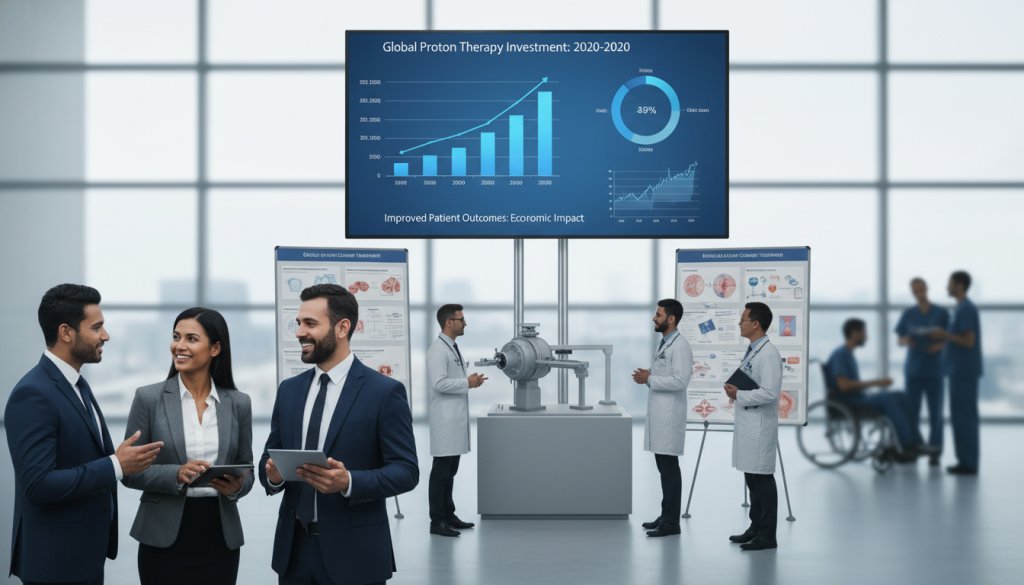
Less side effects mean less cost for care. When patients face fewer problems, it saves money on extra treatments. This lets healthcare teams focus better and keep world-class patient outcomes.
We aim to keep care top-notch without breaking the bank. We think new ideas should help everyone, not just a few. By working smarter, we make sure advanced cancer treatments are worth it for the US healthcare system.
| Investment Factor | Short-Term Impact | Long-Term Benefit |
|---|---|---|
| Advanced Technology | High Capital Outlay | Reduced Side Effects |
| Clinical Precision | Operational Training | Improved Survival Rates |
| Patient Support | Resource Allocation | Lower Management Costs |
Addressing the Myths Surrounding Proton Treatment
It’s important to clear up the truth about proton therapy so patients can feel sure about their choices. Many think it’s only for rare or young patients. But, it’s actually good for many types of solid tumors, like prostate, lung, and breast cancers.
Some people think proton treatment is too complicated. But, the tech behind it is advanced, and the patient experience is simple. Patients say it’s like regular radiation sessions, with no need to rest after each visit.
Many worry it’s hard to get. But, cancer care in the U.S. is changing fast. We’re working to make proton therapy more available. It’s safer because it targets tumors more precisely, reducing harm to healthy tissues.
We believe in being open and honest about care. We want patients to talk to their doctors to learn more about proton treatment. Knowing the facts is key to making the best health choices.
The Impact of Medical Tourism on Domestic Care Standards
Medical tourism sparks innovation in the U.S. oncology field. Patients looking for global treatment options push domestic providers to improve. This focus on technological advancement is key for institutions nationwide.
The healthcare market’s competition pushes us to set unparalleled standards of care. By leading in proton therapy, we raise the bar for all patients. This dedication keeps us at the forefront of the global cancer fight.
Medical tourism also shows the need for accessible, patient-focused care. We aim to merge advanced research with caring treatment. Our goal is to offer top-notch care at home, creating a strong, lasting healthcare system for the future.
Patient-Centered Approaches to Cancer Recovery
A successful cancer recovery needs a full plan that covers physical, nutritional, and emotional health. We know healing is more than just removing a tumor. Our place focuses on a holistic framework with special physical therapy, custom nutrition, and mental health support, along with advanced proton therapy.
Our teams work hard to make sure every patient has a respectful and supportive healing journey. We coordinate care across different medical fields to smoothly move from treatment to wellness. This collaborative environment helps us watch progress and tackle the special challenges of the post-treatment phase.
We strongly believe in a supportive recovery system for the best health results. By caring for the whole person, we help our patients get their strength and confidence back. This focused approach to cancer recovery makes sure our patients get the caring support they need on their path to a healthier life.
The Synergy Between Proton Therapy and Immunotherapy
A powerful synergy is emerging between proton therapy and immunotherapy. This offers new hope for patients with advanced cancer. By combining these two, we boost the body’s natural fight against cancer cells. This is a big step forward in precision medicine.
The success comes from proton beams’ unique properties. Proton therapy targets tumors with great accuracy. This can release specific tumor antigens, alerting the immune system to cancer cells.
With these antigens exposed, immunotherapy drugs can find and destroy cancer more effectively. This collaborative effect is very promising for complex or metastatic cases. We’re leading the way in studying these treatments for better survival rates.
We’re working hard to make these treatments safer and more effective. By adding proton therapy to care plans, we strengthen the fight against cancer. We’re excited about how this will shape the future of cancer treatment and patient recovery.
Training the Next Generation of Radiation Oncologists
We are dedicated to excellence, not just in patient care but also in clinical education. We believe the future of oncology depends on the rigorous training of today’s top medical students. Our goal is to keep our standards leading in the field through continuous learning.
Our fellowship programs and partnerships with top academic institutions offer hands-on experience. These programs help bridge the gap between theory and practical application in cancer treatment. Our trainees learn from the best in the field, mastering modern radiation technology.
Working with advanced proton therapy systems demands special skills and judgment. We’re proud to share this expertise with future leaders in cancer care. Our commitment ensures the next generation is ready for the evolving challenges of precision medicine.
Professional growth is a key part of our medical community. By investing in our staff and students, we foster innovation. Our focus on mentorship means our patients get care from highly skilled professionals dedicated to safety and effectiveness.
A New Era of Optimism for Cancer Patients
Medical science is at a turning point, blending precision with care for patients. Proton therapy is now a key part of cancer treatment. It targets tumors with less harm to healthy tissues, making treatments more effective.
We’re dedicated to top-notch healthcare through constant innovation. Our focus is on patient health, using the latest tech and skilled teams. This ensures every patient gets the best care in the U.S.
Sustainability is a big part of our plan. We aim for treatments that work well and are good for the planet. By cutting down on our environmental impact, we help keep our communities safe.
Discover how these new treatments can help you. Talk to our experts about proton therapy. Together, we’re creating a healthier future for all!
FAQ
Q: Why is there an increasing sense of optimism regarding proton therapy for patients in the United States?
A: Our commitment to proton treatment comes from its groundbreaking role in precision medicine. We use cutting-edge technology that meets international medical standards. This approach focuses on precise tumor targeting and better patient outcomes.
Q: How has the evolution of technology impacted modern oncological practice?
A: The shift from experimental physics to clinical use has been driven by cyclotron technology advancements. This evolution enables our specialists to deliver high-volume, standardized treatments. These treatments minimize damage to healthy tissues while maintaining top care standards.
Q: What physical properties define the precision of a proton beam compared to other methods?
A: The precision of proton therapy relies on the Bragg peak phenomenon. This allows the beam to focus its energy on the tumor site, reducing damage to surrounding tissues. It also lowers the risk of secondary cancers and organ damage in complex cases.
Q: In what ways is AI in oncology integrated into the proton treatment planning workflow?
A: Artificial intelligence plays a key role in our digital innovation. It helps medical physicists with real-time adaptive planning. AI algorithms ensure accurate dose distribution, even as a patient’s anatomy changes, leading our technological healthcare solutions.
Q: Can targeted radiation delivery lead to improved cancer survival rates?
A: Yes, our data shows that targeted radiation can lead to durable remission for various conditions. This approach treats the disease more effectively and preserves quality of life. It’s a critical factor in long-term cancer survival.
Q: How does the implementation of liquid biopsy enhance personalized cancer care?
A: Liquid biopsy is a non-invasive tool that analyzes circulating tumor DNA. It allows our clinicians to monitor treatment response in real time. This ensures that proton therapy regimens are tailored to each patient’s unique cancer profile.
Q: Why should patients consider seeking an oncology second opinion before beginning treatment?
A: Seeking a second opinion from multidisciplinary review boards ensures a thorough evaluation of complex cases. This process allows patients to explore advanced alternatives, like proton therapy, backed by global clinical research and our expertise.
Q: What steps are being taken to expand access to advanced radiation facilities across the country?
A: We’re building sustainable, energy-efficient infrastructure across the U.S. to make advanced proton treatment accessible. Our efforts ensure diverse populations can access this care while meeting strict regulatory and environmental standards.
Q: What is the role of clinical trials in the advancement of proton therapy protocols?
A: Participating in international clinical trials helps us establish new safety and efficacy benchmarks. By contributing to global medical knowledge, we advance cancer care and foster innovation through research partnerships.
Q: How does proton therapy compare to traditional photon radiation in terms of patient safety?
A: Proton therapy offers a better toxicity profile than photon radiation, sparing healthy tissue. This is key in pediatric and complex adult cases, where minimizing side effects is essential for successful recovery.
Q: What is the long-term economic value of investing in advanced cancer technology?
A: The initial cost of facilities like those with Varian or IBA systems is high. Yet, the long-term benefits include fewer complications and lower costs for managing side effects. We aim to deliver world-class care while being financially sustainable.
Q: How are common myths regarding the complexity and suitability of proton treatment addressed?
A: We provide clear, evidence-based information to debunk misconceptions about proton therapy. Our goal is to empower patients with accurate data, showing that advanced therapy is a viable option for many tumors.
Q: What impact does medical tourism have on the standards of domestic healthcare?
A: Medical tourism pushes us to maintain competitive services with advanced technology. By setting high standards, we ensure both domestic and international patients receive top treatment in the U.S.
Q: How does the institution support a patient’s holistic cancer recovery journey?
A: We integrate physical therapy, nutritional support, and psychological counseling with proton therapy. Recognizing the importance of a multidisciplinary approach, we aim to support patients on their path to wellness.
Q: Is there a synergistic effect between proton therapy and immunotherapy?
A: Research suggests that proton therapy can enhance the immune response by releasing tumor antigens. We’re exploring how combining these modalities can improve survival outcomes for patients with advanced cancers.
Q: How does the organization ensure the expertise of the next generation of radiation oncologists?
A: We’re dedicated to educating future leaders through rigorous fellowship programs and academic partnerships. This ensures the specialized knowledge needed to operate advanced systems is maintained and expanded.
Q: Why is there a new era of optimism for the future of cancer care?
A: The integration of innovation, sustainability, and advanced technology like proton therapy promises a future of effective and environmentally responsible care. Our mission is to deliver excellence and build a sustainable healthcare infrastructure for future generations.