
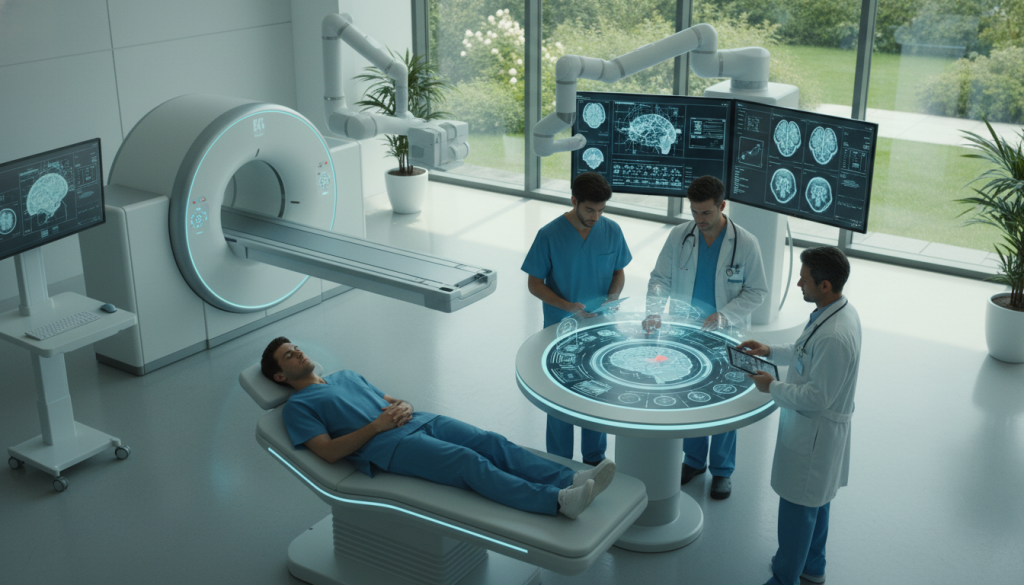
Recovering from a brain tumor is a complex journey. It needs more than just time. It demands a structured, data-driven approach for long-term health.
At our institution, we see the post-operative phase as key. Precision medicine guides every healing step. This ensures a smooth recovery.
Advanced treatment planning is the base for patient stability. We use modern tech to create personalized recovery plans. This approach focuses on removing the tumor and keeping vital brain functions.
We start using proton therapy early to improve outcomes. This makes sure your surgery treatment is part of a complete care plan. Our aim is to give you clarity and confidence on your recovery path.
Key Takeaways
- Recovery is a structured, data-driven process, not just waiting.
- Precision medicine is key for long-term brain health.
- Advanced planning focuses on brain function and tumor removal.
- Using special tools early improves patient stability.
- Our focus is on complete care for patients on their journey.
The Immediate Post-Operative Phase and Neurological Monitoring
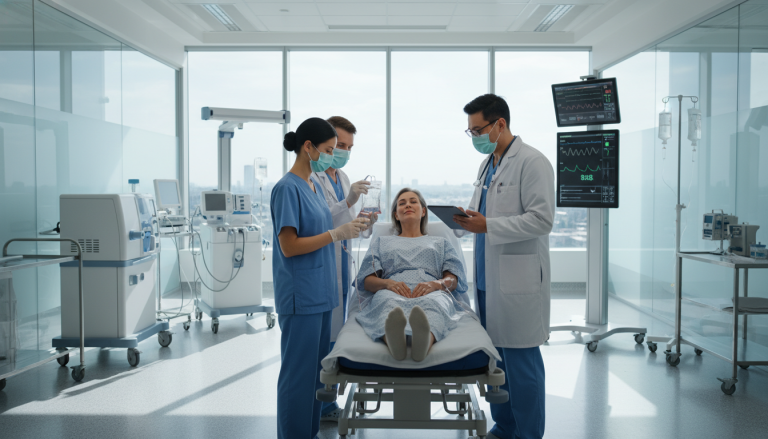
Neurological monitoring is key to safety after complex brain surgery treatment. After surgery, our teams watch patients closely for any small changes. This careful watch helps keep the surgical area safe and avoids unexpected problems.
We use detailed imaging and constant bedside checks to keep care top-notch. This early stage is absolutely critical for setting a good recovery path. Spotting early signs of brain issues lets our experts act fast to protect brain health.
We’re dedicated to excellence, watching patients 24/7 in this critical time. For more on what to expect, check our brain tumor care guide. Our focus ensures each patient gets the care they need to move smoothly from surgery to recovery.
| Monitoring Category | Clinical Objective | Frequency |
|---|---|---|
| Neurological Assessment | Detecting cognitive or motor changes | Hourly |
| Imaging Protocols | Verifying surgical site stability | As required |
| Surgery Treatment Review | Evaluating post-operative progress | Daily |
| Vital Sign Tracking | Ensuring hemodynamic stability | Continuous |
The Role of Advanced Treatment Planning in Long-Term Success
Recovering well after surgery needs a detailed plan made just for you. Advanced treatment planning is key. It uses complex data to create a strategy that fits each patient’s needs.
Our team uses advanced software to plan your recovery. This helps us stay ahead of any problems. We know a good plan is the start of a smooth healing journey.
We work hard to avoid long-term brain problems for our patients. Our goal is to make sure you can live well after treatment. Good tumor treatment means more than just surgery. It’s about the whole plan to keep you healthy for the future.
Understanding Proton Therapy as a Post-Surgical Standard
After surgery, we use the most precise tools in radiation oncology to help patients heal. We plan treatments carefully to give each patient the best care. Proton therapy helps us target leftover tumor cells with great accuracy.
Protons are different from other radiation because they only hit the tumor. They don’t go through the body like other types of radiation. This means less damage to healthy brain areas. Our goal is to protect your brain and keep you healthy long-term.
We use proton therapy because it’s the best way to treat patients today. We’re always looking for new ways to improve care and keep patients healthy for years to come. Here’s why this method is so good:
| Feature | Traditional Photon Radiation | Proton Therapy |
|---|---|---|
| Energy Deposition | Passes through the body | Stops at the tumor site |
| Collateral Damage | Higher risk to healthy tissue | Significantly minimized |
| Precision Level | Standard | High-precision |
| Recovery Impact | Moderate | Optimized for wellness |
Using proton therapy after surgery makes recovery safer. This shows our commitment to top-notch radiation oncology. We keep working to make sure every patient gets the best care possible.
Navigating the Emotional Landscape of Brain Tumor Recovery
The emotional side of recovery is just as important as the physical healing. While doctors work on fixing the body, the mind’s journey is a vital part of our support system.
Recovering from brain surgery is more than just the surgery itself. It involves big emotional and mental changes. These can be tough for patients and their families. Recognizing these feelings is the first step to healing.
Our teams offer dedicated support services to handle the stress of a diagnosis. We create a caring space where patients feel heard and understood. This helps them face challenges with more strength.
We focus on the mental health of our patients as a key part of our mission. Adding psychological care to the recovery plan helps families feel more confident. Our aim is to build a strong base for long-term emotional health.
The Importance of an Oncology Second Opinion
Getting an oncology second opinion is key when you’re diagnosed with a brain tumor. It brings clarity and peace of mind. This step helps make sure your treatment plan is up to date with global medical standards. Feeling confident in your treatment is a big part of getting better.

Our place encourages this because it makes sure diagnoses and treatments are right and complete. Our team looks at complex cases from many angles. This gives a deeper understanding and helps clear up doubts during tough decisions.
We’re all about being open and excellent in caring for you. Getting an oncology second opinion means we leave no stone unturned for the best results. Your health and future need the best care modern medicine offers.
Leveraging Liquid Biopsy for Real-Time Monitoring
We’re always looking for new ways to help, like using liquid biopsy for real-time tracking. This tool lets our experts check for tumor signs in blood tests. It’s a better choice than many scans, which can worry patients a lot.
With liquid biopsy, we can spot problems early by looking at blood biomarkers. This means we can act fast, which is key to keeping patients healthy. Early detection is our strongest tool for fighting cancer.
Adding liquid biopsy to our routine makes care easier for patients. We aim for accurate tests to reduce recovery stress. This shows our commitment to personalized cancer care that fits each person’s needs.
Our drive for the latest in medicine keeps us leading the field. With liquid biopsy, we give patients the confidence of being closely watched. We’re dedicated to creating healthcare that’s both top-notch and life-enhancing.
Physical and Occupational Therapy During Rehabilitation
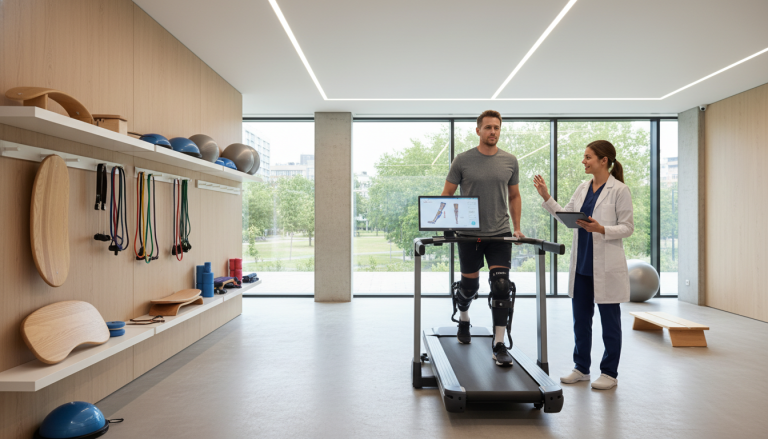
Rehabilitation is key after surgery, helping people get back to their daily lives. It focuses on restoring motor skills, speech, and cognitive functions affected by the tumor or surgery. This way, patients can feel more confident and stable as they recover.
Our physical and occupational therapists work closely with neurosurgeons. They create customized exercise programs to help the brain adapt. This ensures each exercise fits the patient’s unique needs.
We use a structured, goal-oriented approach to help patients regain their independence. By setting clear goals, we help them see their progress and stay motivated. This teamwork is vital for the best results for each patient.
| Therapy Type | Primary Focus | Expected Outcome |
|---|---|---|
| Physical Therapy | Gross motor skills and balance | Improved mobility and gait |
| Occupational Therapy | Fine motor skills and daily tasks | Increased independence at home |
| Speech Therapy | Communication and swallowing | Enhanced verbal interaction |
Combining these therapies creates a supportive environment for healing. We’re dedicated to helping patients regain their quality of life. With regular practice and expert guidance, recovery becomes a real possibility.
Nutritional Strategies to Support Brain Healing
We focus on the best diet plans to help our patients heal well. Good food is key for those recovering from brain surgery. It helps the brain heal by meeting its special needs.
Our dietitians create special meal plans to cut down inflammation and fix brain cells. They know the brain needs certain nutrients to heal after surgery. Precision in diet is a big part of our care.
We aim for diets rich in nutrients to keep energy up for rehab. A healthy body can better handle the stress of healing. We think consistent metabolic support leads to better recovery and faster progress.
We use the latest in brain nutrition to make sure meals help with recovery. We push for antioxidants and healthy fats to keep the brain sharp and strong. This way, we help our patients be part of their healing journey.
Evaluating International Cancer Care Options
Looking into international cancer care is key for those seeking top medical care. When thinking about cancer treatment abroad, it’s important to check the medical setup, rules, and tech. These ensure the care meets the world’s best standards.
Our place offers a top-notch setting that meets these high standards. We know the special needs of international cancer care. We make things easy for patients, focusing on clinical excellence. This draws patients looking for the latest treatments.
Choosing the right place for cancer treatment abroad means looking at safety and long-term results. We aim for global health excellence, giving every patient top care, no matter where they’re from. Our team helps with everything, from first meeting to after-care.
| Evaluation Criteria | Standard Requirement | Our Institutional Commitment |
|---|---|---|
| Regulatory Compliance | Adherence to local laws | Exceeding global safety standards |
| Technological Capability | Modern diagnostic tools | Advanced imaging and proton therapy |
| Patient Support | Basic administrative help | Comprehensive, streamlined coordination |
We think quality healthcare should reach those who need it most. We mix new tech with care for the patient. This keeps us leading in global cancer services.
The Impact of Radiation Oncology on Quality of Life
Modern medicine aims to balance treating tumors and keeping patients’ quality of life intact. The main goal of radiation oncology is to kill cancer cells without harming healthy brain tissue. This approach helps patients stay independent and sharp during recovery.
We use proton therapy for its precise targeting of tumors. This method cuts down on side effects like brain fog or numbness. Patients should have a recovery that values their long-term health and happiness.
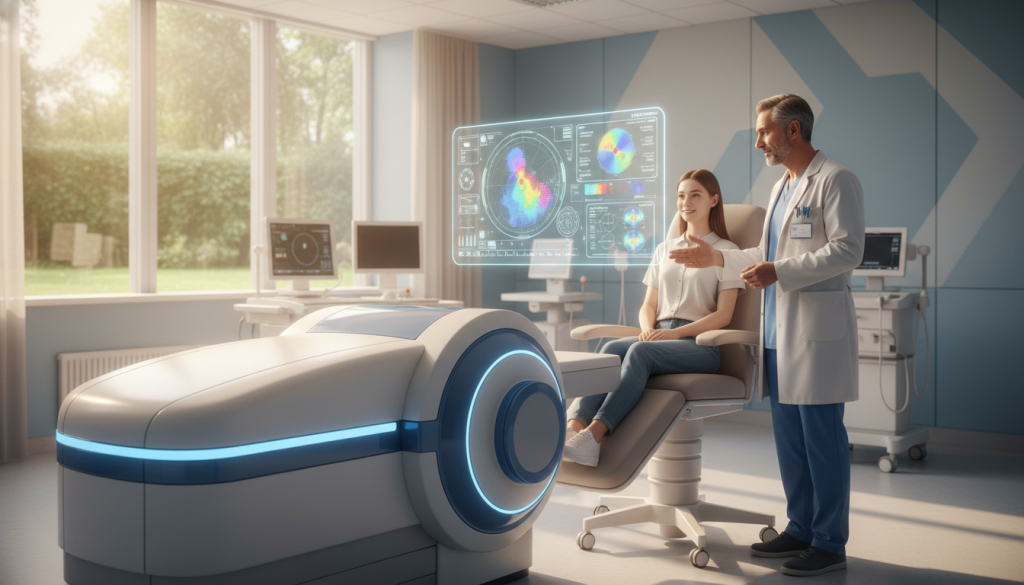
We work hard to let patients get back to their lives quickly. We know the road to recovery is just as vital as the surgery itself. By adding radiation oncology to a full care plan, we help patients smoothly return to their daily routines.
We’re all about creating lasting healthcare solutions that put patients first! With ongoing improvements in proton therapy, we aim to lead in medical excellence. Our dedication to innovation means every patient gets the most caring and effective treatment.
Advanced Tumor Treatment Protocols for Recurrence Prevention
We use advanced predictive modeling to tailor treatments for each patient. Our goal is to stop tumors from coming back. We combine surgery, targeted radiation, and systemic therapies to fight disease.
Our teams use long-term data to find high-risk patients. This helps us catch changes early. We then use adjuvant treatments at the best time. For more on systemic treatments, our experts offer detailed guidance.
Our goal is to keep patients safe from recurrence. This gives them a better chance at long-term health. We always update our tumor treatment plans with new science. Using real-time data is key in modern oncology.
| Strategy Component | Standard Approach | Advanced Protocol |
|---|---|---|
| Monitoring Frequency | Annual Check-ups | Predictive Longitudinal Tracking |
| Therapy Selection | Generalized Protocols | Genomic-Driven Targeted Therapy |
| Recurrence Defense | Reactive Intervention | Proactive Adjuvant Treatment |
| Data Utilization | Basic Medical History | Real-time Predictive Modeling |
We aim to improve our patients’ lives. Our commitment to excellence in tumor treatment is our mission. We work to protect future generations.
Coordinating Care with Specialized Cancer Specialists
Brain tumor treatment is complex and needs a team effort. Cancer specialists from different fields work together. They include neurosurgeons, radiation oncologists, and medical oncologists.
This team ensures every decision is based on a full understanding of the patient. They consider the patient’s unique brain health.
At our top oncology hospital, we make sure all experts talk to each other. This way, we cover all parts of a patient’s health. We think clear communication is key to good long-term results.
Patients coming from anywhere or looking for cancer treatment abroad get the same care. Our team is dedicated to solving tough medical problems. We make sure every patient gets the best care, no matter where they’re from or their diagnosis.
Managing Expectations During the Recovery Timeline
Managing expectations is key in our clinical approach. Healing after brain tumor surgery is not always straightforward. It’s a non-linear journey with unique milestones and progress for each person. We help patients understand this early on, preparing them for the ups and downs of healing.
We focus on transparent communication to make sure patients know what to expect. We share clear, factual data on post-operative milestones. This helps patients set realistic goals and feel a sense of progress, even on tough days.
We aim to build trust and institutional confidence with our patients. A supportive team helps patients deal with the challenges of rehab. We believe informed patients are empowered to move forward with purpose.
The table below shows the typical recovery phases. It helps set realistic expectations for long-term wellness:
| Recovery Phase | Primary Focus | Expected Outcome |
|---|---|---|
| Immediate Post-Op | Neurological Stability | Monitoring and Safety |
| Early Rehabilitation | Functional Recovery | Restoring Daily Skills |
| Long-Term Wellness | Sustainable Health | Return to Quality Life |
Our collaborative partnership ensures each recovery stage is handled with care. We’re committed to excellence, always ready to guide patients back to daily life.
Technological Innovations Shaping Future Brain Tumor Care
We are working hard to make brain tumor care better with new technology. This tech push is key to our goal of top-notch healthcare. We use advanced digital tools to keep our medical setup ready for the future.
Our doctors use AI-driven surgical planning to make surgeries more precise. These smart systems help surgeons see tumor boundaries clearly. This leads to safer surgeries and better results for patients.
We’re also introducing the latest proton delivery systems. These systems send targeted radiation, protecting healthy brain areas. This makes our care more effective and efficient.
We care a lot about the environment in our hospitals. By using less energy and making digital processes smoother, we cut down on carbon emissions. We’re excited to help make brain tumor care safer, faster, and more accessible for all!
Embracing a Path Toward Sustainable Recovery and Wellness
Recovery from brain tumor surgery is a long-term journey. It requires a strong commitment to health and personal strength. Our goal is to create healthcare systems that last for generations.
We use the latest technology and care with kindness to help patients get better. This way, people can face their healing paths with hope and support.
We want you to be part of our vision. We aim for a future where healthcare is both top-notch and sustainable. This means using new ideas and caring for the planet.
Together, we’re creating a lasting legacy of healing. Our focus on your health drives every step we take in our facilities.
FAQ
Q: Why is advanced treatment planning essential for neurological recovery?
A: Advanced treatment planning is key for long-term health. It uses complex data and proton therapy early. This ensures surgery focuses on removing tumors and saving brain functions.
Q: What occurs during the immediate post-operative neurological monitoring phase?
A: Our teams watch patients closely, day and night. They use high-tech imaging and constant bedside checks. This helps us catch any changes quickly, keeping patients safe.
Q: How does radiation oncology utilize proton therapy to improve quality of life?
A: Proton therapy is a precise method in radiation oncology. It targets tumors directly, protecting healthy brain tissue. This reduces side effects like fatigue and sensory loss.
Q: What are the benefits of seeking an oncology second opinion?
A: Getting a second opinion is important for a correct diagnosis. Our team reviews cases to give patients clarity and confidence. We make sure no step is missed in their care.
Q: How does liquid biopsy technology enhance real-time patient monitoring?
A: Liquid biopsy lets us check for tumor return with simple blood tests. It finds changes early, leading to quick action. This makes diagnosis better and more comfortable for patients.
Q: What should patients consider when evaluating international cancer care options?
A: When looking at cancer treatment abroad, check the technology, rules, and care quality. Our hospital meets top international standards, attracting those seeking the best care.
Q: How do physical and occupational therapy contribute to functional independence?
A: Therapy is vital for recovery. Our team works with neurosurgeons to create personalized plans. These plans help patients regain skills and independence safely.
Q: Why is nutrition a core component of the brain’s healing process?
A: Good nutrition is essential for the brain after surgery. Our dietitians create plans to reduce inflammation and help cells heal. This prepares the body for intense rehab.
Q: How are advanced tumor treatment protocols designed to prevent recurrence?
A: We use surgery, targeted radiation, and other therapies to fight cancer. Our team uses data to spot high-risk cases and watch them closely. This helps prevent cancer from coming back.
Q: How does the institution coordinate care among diverse cancer specialists?
A: We have a team approach where all specialists work together. This ensures every part of a patient’s health is covered. It helps both local and international patients get the best care.
Q: What role does technological innovation play in the future of healthcare?
A: Innovation drives our mission for top-notch healthcare. We invest in new tools like AI for surgery and green hospitals. This makes care safer, more efficient, and available for the future.
Q: How can patients manage expectations during the recovery timeline?
A: Recovery is a unique journey with its own milestones. We focus on clear communication to set realistic goals. This builds trust and supports patients through all stages of recovery and wellness.