






At our leading medical centers, we are dedicated to finding new ways to help patients with kidney problems. We know that moving away from traditional dialysis needs specialized, long-term clinical oversight. This ensures the best results for our patients.
Our teams work together to keep patients safe and use the latest technology. For many, a bone marrow transplant is a game-changer. We offer the support needed to smoothly transition through this process.
We combine top medical skills with a focus on the patient. This way, every person gets the best care. Whether it’s a bone marrow transplant or other advanced treatments, we aim to create lasting healthcare solutions.
Key Takeaways
- Institutional commitment to advanced, non-dialysis medical interventions.
- Emphasis on long-term clinical oversight for complex patient needs.
- Prioritization of patient safety through technological innovation.
- Multidisciplinary support teams dedicated to recovery success.
- Focus on sustainable and world-class healthcare delivery standards.
The Shift Toward Advanced Alternatives to Chronic Dialysis
The medical world is changing fast, moving toward new ways to heal and cure. Top hospitals are now focusing on long-term physiological restoration for those with failing organs. This change shows a big step toward treating the cause of illness, not just the symptoms.
Our doctors use new methods to make patients’ lives better. They believe in sustainable healthcare solutions for the future. By combining the latest tech with care tailored to each patient, we aim to lessen the need for long-term dialysis.
This shift is a big win for our goal of top-notch medical care. We’re all about restorative therapies that help the body heal itself. With these new methods, we make sure our patients get the best care possible today.
Understanding the Role of Bone Marrow Transplant in Systemic Recovery
A bone marrow transplant can help when health is affected by underlying conditions. It’s a key treatment for serious blood or immune system problems. It replaces bad cells with healthy ones from a donor, helping the body fight off diseases better.
Our team uses advanced technology to make sure the donor cells work well in the body. This is essential for a full recovery. We follow strict rules to keep patients safe during this process, making sure it meets global safety standards.
The success of a bone marrow transplant depends on careful planning and aftercare. We watch patients closely to see how their cells and immune system are doing. This focus on safety means every patient gets the best care possible.
The table below shows the main steps in our transplant process and how we keep patients safe:
| Phase | Primary Objective | Safety Standard |
|---|---|---|
| Pre-Transplant | Patient Conditioning | High-Precision Screening |
| Engraftment | Cellular Integration | Real-Time Monitoring |
| Recovery | Immune Restoration | Global Safety Protocols |
| Long-Term | Systemic Health | Continuous Surveillance |
We mix cutting-edge technology with caring for our patients to improve the bone marrow transplant experience. Our aim is to bring back health through new methods and strict medical standards. We’re here to support our patients on their journey to better health.
Multidisciplinary Teams in Top-Tier Transplant Hospitals
Success in transplant care comes from combining different medical skills. Our team brings together experts from various fields. They work together to make sure every decision is safe and effective.
At a top transplant hospital, teamwork is key. We have surgeons, immunologists, and nurses working together. This team approach helps us meet our patients’ complex needs with care and precision.
We focus on personalized care plans for each patient. These plans are made to fit each person’s health needs. Our transplant specialists keep a close eye on how each patient is doing. They adjust plans as needed to help with recovery.
The table below shows who’s on our team and what they do. By working together, we stay at the leading edge of medical care.
| Team Member | Primary Responsibility | Patient Benefit |
|---|---|---|
| Lead Surgeon | Surgical intervention | Technical excellence |
| Immunologist | Organ rejection management | Long-term graft health |
| Care Coordinator | Treatment plan oversight | Seamless care transition |
| Clinical Pharmacist | Medication optimization | Reduced side effects |
Comprehensive Transplant Evaluation and Patient Readiness
Our transplant evaluation protocols aim to ensure safety and success. This detailed, multi-step process checks if a patient is ready for a transplant. It’s key to understanding a patient’s health to get the best results.
Each patient gets special tests based on their needs. This helps our teams spot and fix health issues early. It makes sure patients get top care every step of the way.
We’re all about being open and teaching patients during the transplant process. We want families to know what to expect. We give clear, useful info to help patients feel ready for what’s next.
We believe in talking openly with patients. This lets them be part of their recovery. Our teams work with families to answer questions and offer support for the long haul. Your readiness is our main goal as we aim for a successful future together.
Managing Hematology Oncology Needs During the Transition
Effective blood cancer treatment needs a smooth mix of medical services. Our teams work together to make sure patients get the same care at every step. This way, we avoid any breaks in care and keep patients safe.
Our special units watch over patients closely to catch any problems early. This is key to our promise of top-notch care. We use the latest tools to keep a close eye on patients as they recover.

We focus on precision medicine to give patients the best treatments. Our hematology oncology experts team up with others to make care fit each patient’s needs. This approach helps patients get the best results from their treatments.
The table below shows what our care model includes during the transition phase:
| Service Component | Clinical Focus | Patient Benefit |
|---|---|---|
| Hematology Oncology | Targeted Therapy | Improved Recovery Rates |
| Continuous Monitoring | Early Detection | Reduced Complications |
| Precision Medicine | Individualized Care | Optimized Outcomes |
We’re committed to improving hematology oncology care through new ideas and research. We aim to create a place where patients trust their treatment path. Our work helps us offer top blood cancer treatment that meets the highest standards.
Advanced Surgery Protocols and Post-Operative Monitoring
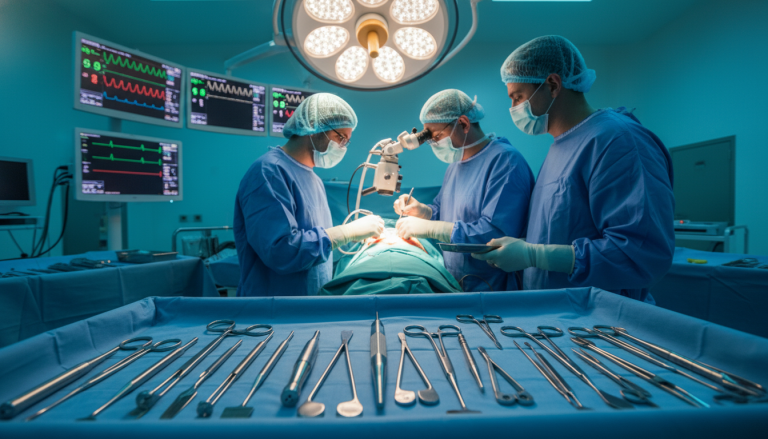
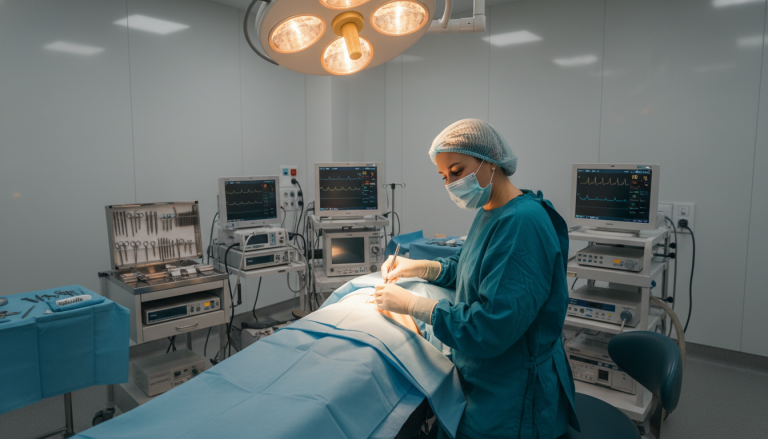
Our medical centers focus on precision and innovation in complex surgeries. We use advanced surgery techniques that are minimally invasive. These methods help patients recover faster and have better outcomes.
After surgery, patients go to high-acuity monitoring units. Here, our team watches their vital signs and body responses closely. This ensures quick action if a patient needs it.
We are dedicated to excellence in advanced surgery and post-operative care. Safety is our main focus. Below, you’ll see how our methods differ from traditional ones.
| Feature | Traditional Surgery | Advanced Surgery Protocols |
|---|---|---|
| Incision Size | Large/Open | Minimally Invasive |
| Recovery Time | Extended | Accelerated |
| Monitoring | Standard Ward | High-Acuity Real-Time |
| Patient Comfort | Moderate | High |
We use sophisticated monitoring systems to help patients smoothly move from surgery to recovery. Our goal is to improve long-term health and focus on patient care. We keep working to make our care even safer and better.
Navigating Transplant Recovery in Specialized Care Units
Specialized care units are key for patients going through transplant recovery. These places are made to help patients heal in a clean and caring environment. Our teams work hard to give each patient the right care during this important time.
Our nurses and doctors manage medicines and watch for signs of trouble. This proactive approach helps us act fast, which is key for keeping patients stable. For more help, check out our expert resources on patient care for tips on staying healthy after treatment.
We focus on both the body and mind of our patients during transplant recovery. Creating a caring space helps patients heal better. We make sure everyone feels safe and supported as they get stronger.
We use the latest tech and care together to meet patients’ needs. Our goal is to help patients smoothly return to their lives. Success in transplant recovery means improving the quality of life for everyone we care for.
Immunological Support and Infection Prevention Strategies
Keeping transplant recipients healthy is a big challenge. Our medical centers focus on patient safety with strict rules. We know the first few weeks are key for recovery.
We use top-notch environmental controls to keep our facilities safe. This includes HEPA filters and strict who-can-come-in rules. We are deeply committed to keeping these standards high to protect our patients and our healthcare system!
Stopping infections is at the heart of our care after surgery. Our teams watch patients closely for any signs of trouble. We use evidence-based practices to keep them safe from germs and help them heal.
The table below shows the main ways we keep our transplant patients safe.
| Strategy Category | Primary Objective | Implementation Method |
|---|---|---|
| Environmental Control | Pathogen Reduction | HEPA Filtration Systems |
| Hygiene Protocols | Cross-Contamination Prevention | Rigorous Staff Sanitization |
| Immunological Monitoring | Therapeutic Optimization | Frequent Blood Panel Analysis |
| Patient Education | Home Safety Awareness | Structured Recovery Training |
We think consistent vigilance is key to great results. Our dedication to excellence goes beyond surgery. We make sure every patient gets the care they need from start to finish. We’re always looking for new ways to improve our safety measures.
Nutritional Counseling for Long-Term Organ Health
Good nutrition is key for keeping organs healthy after a transplant. Our team knows that the body needs the right food to heal and function well. We offer dietary advice to help patients recover smoothly.
Our registered dietitians create special meal plans for each patient. These plans help the body work right and make the medicines work better. Everyone’s body is different, so our plans are tailored just for them.
We teach our patients how important their diet is for recovery. Knowing how food affects their new organ helps them stay healthy. This is a big part of our promise to care for our patients well.
Here’s what our dietitians focus on to keep organs healthy and the body balanced.
| Nutritional Focus | Primary Objective | Expected Outcome |
|---|---|---|
| Sodium Regulation | Control blood pressure levels | Reduced strain on the organ |
| Protein Optimization | Support tissue repair | Enhanced physical recovery |
| Glucose Management | Stabilize blood sugar levels | Improved medication efficacy |
| Hydration Strategy | Maintain electrolyte balance | Optimal metabolic function |
We’re committed to helping patients succeed long-term. We keep a close eye on them and make diet changes based on science. Our aim is to help patients live a healthy life for years to come.
Psychosocial Support Systems for Patients and Families
Recovery from a big health event is more than just physical healing. It also involves significant emotional and psychological challenges for patients and their families. We believe in strong psychosocial support as a key part of our approach.

Our teams offer many resources to help with these complex needs. This includes professional counseling, support groups, and social work services. For extra help, we provide family counseling and support strategies so no one has to go through this alone.
By focusing on mental health, we offer a holistic approach to care. This care goes beyond just the medical treatment. We aim to support patient recovery in all ways. We’re committed to creating a healing space where both mind and body are valued equally.
Integrating Physical Therapy into Post-Transplant Rehabilitation
Physical therapy is key for those going through transplant recovery. It starts with movement early on. This helps patients get their strength and independence back.
Our team creates progressive exercise programs for each patient. These plans are made to match their abilities. They help patients reach recovery milestones safely and steadily.
Getting back to daily life is our goal. We work with a team to help manage physical health. This ensures patients get the support they need for a good quality of life.
| Rehabilitation Phase | Primary Focus | Expected Outcome |
|---|---|---|
| Early Mobilization | Bedside movement and breathing | Improved circulation |
| Intermediate Phase | Strength and balance training | Increased endurance |
| Advanced Recovery | Functional independence | Return to daily activities |
Addressing Kidney Failure Complications Through Targeted Medication
Managing kidney failure requires careful monitoring and tailored medicine. Our doctors work hard to keep patients stable and healthy. They use precision medicine to avoid problems caused by imbalances.
Our pharmacists and kidney doctors team up to adjust medicines for each patient. This teamwork makes sure patients get the right amount of medicine. They believe in targeted intervention for better health in the long run.
We use the newest medicines to help patients recover better. By watching how the body reacts to treatments, we can make our approach better. This way, we can quickly change our plan if needed.
| Medication Category | Primary Clinical Goal | Expected Outcome |
|---|---|---|
| Erythropoiesis-Stimulating Agents | Manage anemia | Improved oxygen delivery |
| Phosphate Binders | Control mineral levels | Bone health preservation |
| Antihypertensive Agents | Regulate blood pressure | Reduced cardiovascular strain |
| Diuretics | Fluid balance | Edema reduction |
We always check if medicines work well and are safe. Through rigorous clinical oversight, we keep our medicine plans up-to-date. We’re happy to offer new ways to help patients recover fully.
The Impact of Medical Tourism on Continuity of Care
We focus on continuity of care for all patients going abroad for medical care. Our goal is to help them recover fully. We aim to bridge the gap between traveling and getting top-notch medical care back home.
Our team uses secure digital platforms to work with healthcare providers worldwide. This tech lets us keep an eye on how patients are doing, no matter where they are. Distance should never be a barrier to getting top medical support.
We make sure the transition back home is safe and smooth. We keep in touch with patients to make sure everything goes well. Our dedication to medical tourism means our patients get the same care at home as they did with us.
Leveraging Telehealth for Remote Specialist Consultations
Telehealth technology is key to our goal of making top-notch medical care available everywhere. We use digital infrastructure to help patients get expert care without needing to travel often. This way, we keep a strong seamless connection between our medical teams and patients.
We use remote specialist consultations to check on patients and solve health issues right away. This shows our commitment to creating a better, patient-centered healthcare system. It cuts down on travel needs, making care more efficient and less stressful.
Switching to virtual care lets patients play a bigger role in their health journey. We think accessible technology is key for managing health over time. Our systems offer safe, dependable, and quick ways for patients to communicate, no matter where they are.
| Feature | Traditional Care | Telehealth Integration |
|---|---|---|
| Consultation Access | In-person only | Remote and flexible |
| Travel Requirement | High frequency | Minimal to none |
| Monitoring Speed | Scheduled intervals | Real-time updates |
| Patient Comfort | Clinical setting | Home-based convenience |
Ensuring Sustainable Long-Term Health Outcomes for Transplant Recipients
Recovery is a journey that needs a strong focus on medical excellence and care for the patient. Our goal is to help every transplant patient stay healthy for a long time. We do this by always improving medical care and supporting our patients.
Places like the Mayo Clinic and Cleveland Clinic work hard to build strong healthcare systems. They create systems that will last for years to come, keeping safety at the top. We are committed to this goal of lasting quality.
We believe in always getting better to give patients the best care for their whole lives. We encourage you to talk with your doctors about your recovery plan. Working together with your medical team is the best way to achieve lasting health!
FAQ
Q: What are the primary benefits of seeking an advanced alternative to chronic dialysis at leading medical centers?
A: Looking for advanced alternatives like organ or cellular transplantation helps our centers focus on restoring physiological function. We use regenerative therapies and advanced clinical protocols. This aims to improve patients’ quality of life and reduce their need for traditional dialysis.
Q: How does a bone marrow transplant facilitate systemic recovery for patients with complex medical needs?
A: A bone marrow transplant is key for patients with compromised health due to hematological conditions. At top places like the Mayo Clinic, experts use precise technology for successful cell engraftment. This is critical for long-term recovery and follows strict standards to protect patients.
Q: What should patients expect during a thorough transplant evaluation at a premier transplant hospital?
A: The transplant evaluation is a detailed process to check if a patient is ready for a transplant. Our transplant hospital does lots of tests and talks to a team of experts. This makes sure patients are ready for the transplant, lowering risks and improving chances of success.
Q: How do transplant specialists coordinate care for patients needing blood cancer treatment?
A: Our transplant specialists work closely with hematology oncology teams for patients with blood cancer. This teamwork makes sure treatments are well-planned. We focus on precision medicine to catch and fix problems early, making treatments more effective.
Q: What advanced surgery protocols are implemented to ensure safety and improve outcomes?
A: Our surgery teams use advanced surgery methods, like minimally invasive techniques, to reduce recovery times. Patients are watched closely in high-care units. This careful approach, following Joint Commission standards, helps ensure the best care for each patient.
Q: How is transplant recovery managed within specialized care units?
A: Recovery happens in special units that are clean and supportive. Our team makes sure patients take their medicine and watch for signs of trouble. This helps patients stay stable and feel well, both physically and emotionally.
Q: What strategies are used for infection prevention and immunological support after surgery?
A: Keeping patients safe from infections is very important. We use strict immunological support and infection prevention plans. Our facilities meet FDA and international safety rules to protect patients from the risks of immunosuppressive therapy.
Q: How does nutritional counseling and physical therapy contribute to long-term organ health?
A: Nutrition and physical therapy are key for recovery after a transplant. Dietitians create special plans for nutrition, and Cleveland Clinic experts design exercise programs. These help patients move better and keep their organs healthy for the long term.
Q: How are complications related to kidney failure addressed through targeted medication?
A: Handling kidney failure complications needs careful medicine use. Our doctors and pharmacists adjust treatments to keep patients stable. We use the latest medicines to help patients move away from dialysis.
Q: How does the institution support patients engaging in medical tourism for specialized care?
A: As medical tourism grows, we help international patients get the care they need. We use digital platforms and telehealth to work with local doctors. This makes sure patients get the best care, no matter where they are.
Q: What psychosocial support systems are available for transplant recipients and their families?
A: We know recovery is hard and offer help like counseling and support groups. Our care includes the mental health of patients and their families. This helps them deal with the emotional challenges of surgery and big lifestyle changes.
Q: How does the institution ensure sustainable long-term health outcomes for future generations?
A: We aim for long-term health by always improving and investing in new healthcare tech. By following the highest standards and striving for excellence, we give patients top-notch care for their whole lives. This keeps us a leader in healthcare and helps the planet too!