

Success starts long before the transplant. Our doctors look for small signs to tailor care for each patient. This way, we make sure the healing path is safe and effective.
We think personalized care is key in medicine today. We use each patient’s health data to prepare for challenges. This helps our experts make the bone marrow transplant better for each person.
Good transplant recovery needs careful attention. We use the latest tech and care with compassion. Our aim is to help patients recover well and stay healthy for a long time.
Key Takeaways
- Early identification of physiological markers is vital for successful clinical outcomes.
- Personalized care plans are developed based on unique patient health data.
- Proactive monitoring enhances safety and efficacy during the entire medical process.
- Advanced technology supports a more precise and effective recovery path.
- Our institutional commitment ensures high standards of excellence for every patient.
The Critical Role of Pre-Transplant Assessment in Hematology Oncology
Our blood cancer treatment starts with a detailed check of the patient’s health. We look at the patient’s overall health to find any risks early. This helps us tailor treatments to each patient’s needs.
In our hematology oncology department, we use the latest methods to review health data. This helps our teams decide if a patient is ready for big procedures. Our expertise is key in handling complex cases well.
Having a clear health profile is key during blood cancer treatment. It helps us avoid problems and make better decisions. This careful planning keeps patients safe during their recovery.
We are dedicated to top-notch care in hematology oncology. We focus on thorough evaluations to improve patient outcomes. This careful preparation sets the stage for successful treatments.
Understanding the Bone Marrow Transplant Process and Patient Readiness
Top-notch transplant medicine means getting patients ready and finding the right organ donor. A bone marrow transplant is a big deal that needs careful planning. We make sure each patient is ready before starting treatment.
First, we check how healthy the patient is. We look at their organs, immune system, and any health issues. This helps us know if they can handle the transplant.
Good results come from great care and finding the right organ donor. Our team works hard to match patients with donors. This way, patients and their families can help with their care. It’s all about teamwork in the bone marrow transplant process.
| Phase | Clinical Focus | Patient Goal |
|---|---|---|
| Initial Screening | Physiological Assessment | Confirm Treatment Eligibility |
| Donor Matching | Genetic Compatibility | Identify Optimal Donor |
| Pre-Transplant Care | Systemic Stabilization | Optimize Health Status |
| Procedure Readiness | Institutional Oversight | Ensure Safety Protocols |
We care for our patients every step of the way in the bone marrow transplant journey. Our teams use the latest tech to keep an eye on patients. This way, we give the best care to everyone we help.
Biomarkers and Laboratory Indicators for Successful Outcomes
Understanding how cells work together is key to recovery. Our teams use advanced tests to check for signs of success in donor matching. This helps us make sure treatments are safe and effective.
We use top-notch tech to study cells closely. This careful work helps us avoid bad reactions during transplants. We make sure each patient gets care that fits their body’s needs.
These tests act as early alerts for our doctors. If a patient’s health changes, we can quickly adjust their treatment. This approach boosts the chances of a good outcome.
We focus on treating each person as an individual. By using innovative technology and expert care, we aim for the best results. We keep working to improve these tests to help our patients recover better.
The Impact of Hepatology Care on Transplant Success
Hepatology care is key in our approach to patient safety before and after transplant. The liver is important for processing medicines and therapies during recovery.
Our teams watch liver function closely to keep patients stable. This is essential because liver health affects how well a patient handles the intense treatments needed for a successful transplant.

By tackling liver issues early, we improve patient stability. Hepatology care lets our experts adjust treatment plans quickly. This reduces risks and helps patients recover smoothly.
We are committed to top-notch medical care for organ health. With hepatology care, we support systemic balance. This ensures each patient gets the best care during their transplant journey.
Personalized Care Strategies for High-Risk Patients
Personalized care is key for our most vulnerable patients. For those at high risk, we use specialized care strategies that fit their unique health needs. This makes sure every part of their treatment plan is right for them.
Our medical teams use advanced monitoring and preventive steps to protect these patients. We combine real-time data with our medical knowledge to spot problems early. This helps keep complex medical cases stable.
We think personalized care is vital for good outcomes in complex cases. Our drive for innovation lets us change our methods as patient needs change. This keeps our care at the leading edge of medicine.
| Care Feature | Standard Protocol | High-Risk Personalized Strategy |
|---|---|---|
| Monitoring Frequency | Routine Intervals | Continuous Real-Time Tracking |
| Prophylactic Care | General Guidelines | Targeted Comorbidity Management |
| Team Involvement | Primary Care Lead | Multidisciplinary Specialist Oversight |
Our use of specialized protocols shows our commitment to patient safety and top-notch care. By focusing on the unique needs of high-risk patients, we offer a safer and more effective way to recovery. Our goal is to provide the best care through ongoing improvement and new technology.
Psychological and Social Determinants of Recovery
Recovering from a transplant is more than just medical care. It needs a full approach to mental and social health. We know that a patient’s emotional health is key to healing. True recovery means caring for the mind as much as the body.
We offer special support services for the emotional challenges of long-term treatment. We create a strong environment to help patients deal with stress. Institutional excellence is shown not just in medical success but in the quality of life during recovery.
We add social support to our medical care to help with transplant recovery. This includes counseling, peer groups, and family help. These connections are essential for mental strength during healing.
We focus on the dignity and mental health of everyone we care for. A strong social network helps fight off recovery anxieties. Our support system helps patients stay focused on their health and well-being.
We make sure no patient goes through recovery alone. We keep improving our social and psychological programs. This commitment is at the heart of our mission to offer top-notch support during transplant recovery.
Advanced Technology in Predicting Transplant Success
Our institution uses advanced predictive analytics for every bone marrow transplant. We forecast recovery paths with remarkable accuracy thanks to large data sets. This move to data-driven medicine helps our teams spot problems early.
Artificial intelligence is key to our excellence. It finds hidden patterns in patient health. This lets us optimize treatment plans for each person’s needs.
We keep investing in new medical tech to stay ahead in healthcare. This effort boosts improved long-term survival rates for transplant patients. By mixing human skill with AI, we give our patients the best care in the U.S.
Managing Kidney Failure Risks in the Pre-Transplant Phase
Managing kidney failure risk needs a detailed, multi-layered approach. Our teams focus on early detection and action. This keeps vital organs stable during treatment.
Nephrology specialists work closely with transplant teams. They watch health markers closely. They pay special attention to fluid and electrolyte balance. This meticulous attention helps kidneys stay strong under intense treatments.
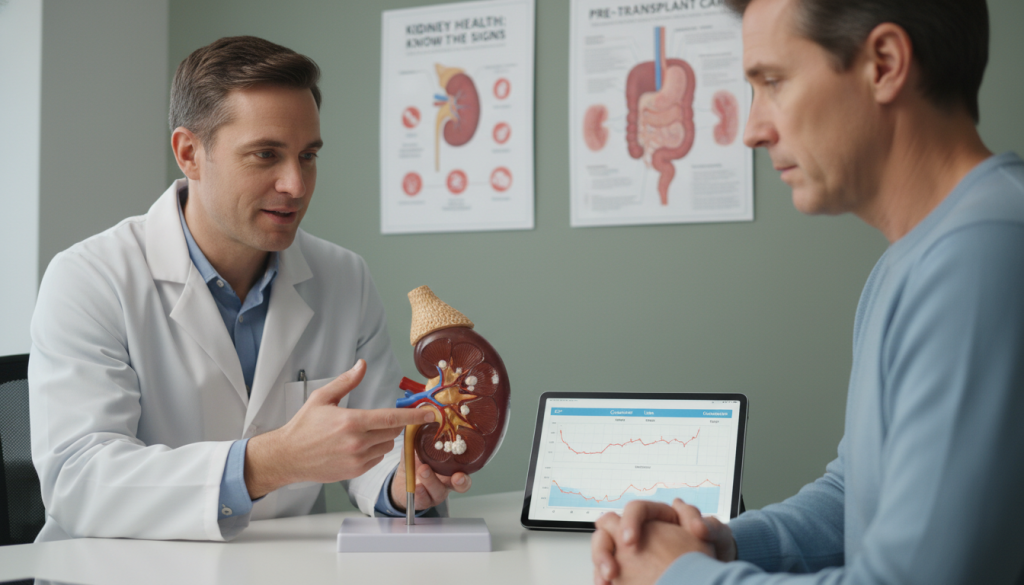
We have strict watch programs to catch problems early. These steps help avoid serious damage. This way, we protect the transplant’s success.
We aim for the best in patient care. Constant monitoring of kidney failure risk makes recovery safer. This focus on health is key to our approach.
The Role of Multidisciplinary Teams in Early Intervention
Our success comes from combining different medical skills in our teams. We bring together experts from various fields. This way, we offer comprehensive oversight from the start to long-term care. It makes sure every part of a patient’s health is checked during the early stages.
Our team works together fast to tackle any health problems. When experts talk well, they spot issues early. This makes patients safer. We aim to be a team that always strives for the best in medical care.
Our healthcare’s strength comes from teamwork. Hematologists, oncologists, and others work together. They create a robust safety net for patients. This teamwork lets us make treatment plans that are just right for each patient.
| Specialty | Primary Responsibility | Contribution to Care |
|---|---|---|
| Hematology | Blood health monitoring | Early detection of anomalies |
| Oncology | Treatment planning | Targeted therapeutic strategies |
| Nursing Staff | Daily patient advocacy | Real-time clinical observation |
| Support Services | Psychosocial wellness | Holistic recovery support |
We think true innovation in medicine comes from breaking down barriers. Our teams are all about keeping high standards of care. Together, we’re making healthcare better for our patients at every step of their journey.
Identifying Early Signs of Infection and Immune Rejection
Keeping patients safe during recovery is a top priority. Our care plans focus on catching problems early, like during immunosuppression. We watch closely to help each patient through their recovery safely.
We use the latest tools to track changes in the immune system. This helps our teams spot issues early. It’s key for those getting stem cell and bone marrow transplants.
We’re all about keeping patients safe with immunosuppression. Quick action is vital to reduce complications. Our ongoing care and watchful eyes protect our patients as they get stronger.
Environmental and Lifestyle Factors Influencing Recovery
Your home environment is key to your health after a transplant. A clean, controlled, and supportive home helps your recovery. By avoiding common germs, you lower the chance of complications.
Our team helps you create a wellness-friendly home. We focus on air quality, cleaning surfaces, and managing stress. These steps are vital for keeping your immune system strong.
We also work to make healthcare better for the planet. By using sustainable practices, we help ensure a healthier future for our patients. Our commitment to environmental stewardship shows our dedication to innovative, responsible care.
The table below shows important environmental factors for your transplant recovery. By managing these, you keep your home safe for healing.
| Environmental Factor | Primary Risk | Recommended Action |
|---|---|---|
| Indoor Air Quality | Airborne Pathogens | Use HEPA filtration systems |
| Surface Hygiene | Bacterial Contamination | Daily medical-grade cleaning |
| Water Safety | Waterborne Microbes | Install high-efficiency filters |
| Stress Management | Cortisol Elevation | Maintain a calm, quiet space |
Living a healthy lifestyle and having a safe home are essential for success. We support your transplant recovery at every step. Our goal is to provide top-notch care, both in and out of our facilities.
Navigating the Transition from Preparation to Recovery
We focus on a smooth transition for patients moving from preparation to recovery treatment. This period needs careful planning between our teams and the patient. Clear communication is key to our success.
The shift from watching closely to actively healing is big. We offer full support to patients and their families. This helps keep their health journey on track.
We’re here to guide you every step of the way. Our goal is to make healing the main focus. Below, you’ll see the main changes during this time.
| Phase | Clinical Focus | Patient Goal |
|---|---|---|
| Preparation | Diagnostic Baseline | Risk Mitigation |
| Transition | Coordination | Care Alignment |
| Recovery Treatment | Active Healing | Health Restoration |
We think being proactive in this phase really helps. Our dedication to quality means we pay attention to every detail. We’re here to support you through your recovery treatment journey.
Ensuring Long-Term Health Through Proactive Clinical Vigilance
Our commitment to patient wellness goes beyond the first recovery phase. Acibadem Healthcare Group sets high standards by focusing on ongoing monitoring and support. We care for every individual’s health.
Our follow-up programs track late-onset complications with great detail. This ensures our patients stay healthy as they go back to their daily lives.
We form a lifelong bond with those we treat. This bond shows our dedication to top-notch healthcare. We use advanced technology and skilled professionals to help our patients.
For those looking for specialized care, check out the allogeneic bone marrow transplant at Acibadem. We’re proud to support every person on their path to health and happiness.
We’re focused on creating lasting healthcare infrastructure for future generations. If you’re interested in discussing your health journey and recovery goals, reach out to our medical teams.
FAQ
Q: How does the medical team utilize early clinical indicators to personalize the recovery treatment plan?
A: Our team looks for small signs early on to tailor recovery plans. This way, we keep safety and success high. It’s all about being proactive for the best transplant recovery.
Q: What is the significance of the pre-transplant assessment in hematology oncology?
A: In our hematology oncology department, we do detailed checks before blood cancer treatment. This step helps us understand the patient’s health well. It helps us avoid problems and get patients ready for tough treatments.
Q: How is patient readiness determined during the bone marrow transplant process?
A: We check if the patient is ready by looking at their health needs and matching donors. Our team makes sure the donor is a good match. This makes the process clear and safe for everyone involved.
Q: Which biomarkers are most critical for ensuring successful donor matching?
A: We use top-notch lab tests to check if cells are compatible. These biomarkers help us adjust the matching process. This way, we can tailor treatments to each patient’s needs.
Q: Why is integrated hepatology care essential for transplant success?
A: Good liver health is key for handling tough treatments. We keep a close eye on liver function. This helps prevent liver problems during transplant recovery.
Q: What specialized strategies are in place for high-risk patients?
A: For patients with many health issues, we have special care plans. We use advanced monitoring and prevention. This ensures even the most vulnerable patients get the best care.
Q: How do psychological and social factors influence the recovery process?
A: We know mental strength is as important as physical health. Our support services help with emotional challenges. This way, we treat every patient with respect and care.
Q: What role does advanced technology play in predicting clinical outcomes?
A: We use the latest tech to predict treatment success. By analyzing big data, we make treatment plans better. This keeps us leading in healthcare worldwide.
Q: How are the risks of kidney failure managed during the pre-transplant phase?
A: Our nephrology team closely watches fluid and electrolyte levels. This keeps kidneys stable during tough treatments. It’s all about keeping kidneys healthy.
Q: How does a multidisciplinary team improve patient safety through early intervention?
A: Our team of experts works together for better patient care. This team approach helps us quickly address any issues. It makes patient care safer from start to finish.
Q: What measures are taken to detect infection and immune rejection during immunosuppression?
A: We use advanced tools to watch for infections or rejection signs. Our quick action helps protect patients during sensitive transplant times.
Q: How do environmental and lifestyle factors contribute to long-term health?
A: We teach patients how to keep their homes safe and healthy. We also help them adopt good habits for healing. Our goal is to care for patients now and protect the future too.
Q: What can patients expect during the transition from preparation to recovery treatment?
A: The move to recovery treatment is smooth and well-communicated. We offer support to help patients and families adjust. This keeps progress going with care and attention.
Q: How does the institution ensure the sustained well-being of patients after their initial recovery?
A: We’re committed to caring for patients for life. We have follow-up programs and watch for late problems. This helps patients live healthy, happy lives after treatment.