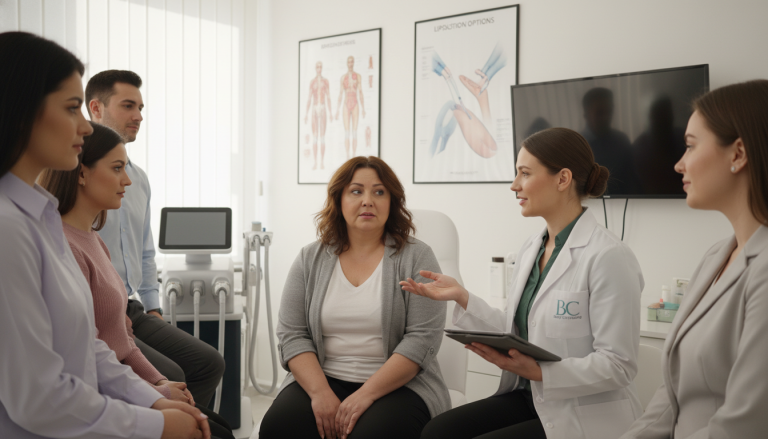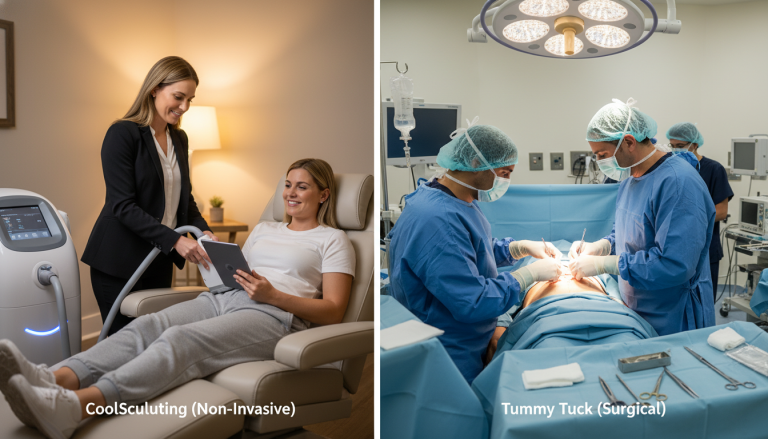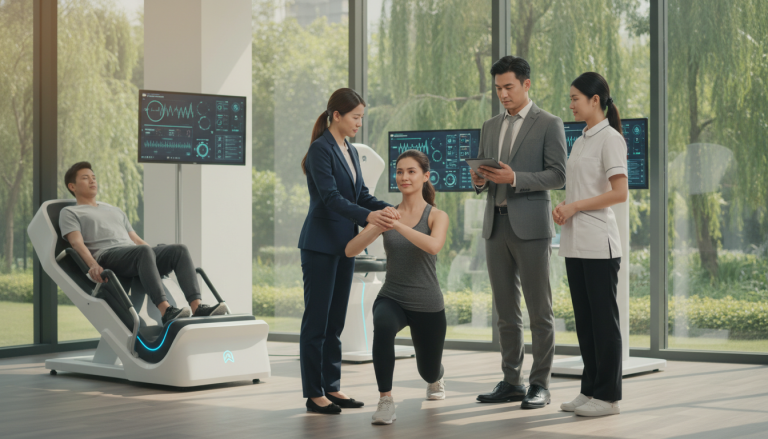

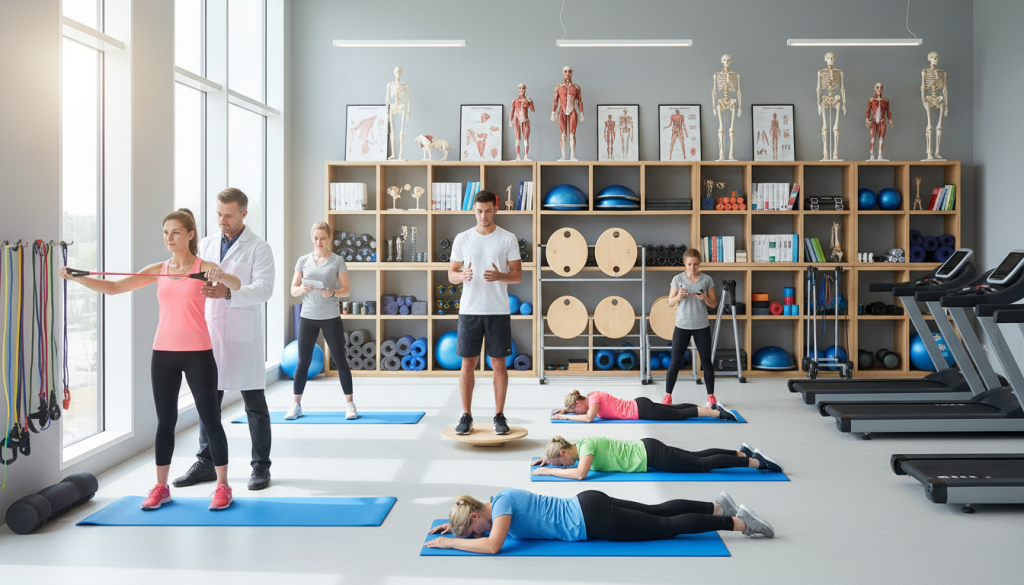
In the United States, a big change is happening in how athletes and active people recover. More are choosing safer, long-term recovery methods over quick fixes. This shows a growing need for medical care that focuses on both performance and health.
We at our institution are all about this high standard. We add advanced physiotherapy to every treatment plan. Using the latest technology, we make sure patients get the best care possible. We believe in a recovery plan that listens to the body’s healing pace.
People looking for safe ways to get back in shape often turn to advanced physiotherapy. Our team creates custom plans that help avoid injuries and improve function. We’re here to help you get back to a healthier, more active life with our expertise and innovation.
Key Takeaways
- Americans are increasingly prioritizing long-term health over quick-fix injury solutions.
- Evidence-based recovery protocols reduce the risk of future complications for athletes.
- Modern medical institutions are shifting toward sustainable, patient-centered rehabilitation models.
- Professional guidance is essential for safely returning to high-impact sports activities.
- Integrating specialized care ensures that recovery is both effective and durable.
The Evolving Landscape of Sports Injury Treatment in the United States
A new era of sports treatment is here, based on data and a focus on safety. The American healthcare system is changing. It’s moving from quick fixes to a more careful and specialized approach. This change shows a bigger focus on keeping muscles healthy for the long term, not just fixing symptoms.
In recent years, the rules for injury treatment have changed a lot. Doctors now use evidence-based protocols to help athletes. This means they use advanced tests to make recovery plans that fit each person’s needs.
This new way of treating sports injuries makes care more effective and lasting. Modern sports treatment combines studying how the body moves and making plans just for that person. This data-driven approach helps track how well someone is getting better.
The table below shows how old ways and new standards differ in injury treatment in the United States.
| Feature | Traditional Approach | Modern Standard |
|---|---|---|
| Primary Focus | Symptom Suppression | Functional Restoration |
| Methodology | Generalized Protocols | Data-Backed Personalization |
| Safety Priority | Standardized Care | Risk-Mitigated Recovery |
| Outcome Goal | Short-term Relief | Long-term Musculoskeletal Health |
Understanding the Shift Toward Advanced Physiotherapy
A big change is happening in how clinics help people recover. They’re moving to advanced physiotherapy. This new way combines exact movement science with special manual techniques. Our place is all in on this change, making sure every patient gets the best care from the latest research.
This new method is different from old physical therapy. It doesn’t just use the same exercises for everyone. It looks at each person’s unique body needs. Using evidence-based protocols, doctors can spot small movement problems that slow down healing. This helps patients get better faster.
The new advanced physiotherapy makes treatment plans better and more flexible. Doctors use advanced manual therapy to fix soft tissue and joint problems. This way, athletes can get back to their sports sooner and safer.
We think new ideas are key to fixing people. By focusing on these advanced treatments, we help patients stay healthy for the long run. Our goal is to be leaders in healthcare in the United States.
| Feature | Conventional Therapy | Advanced Physiotherapy |
|---|---|---|
| Diagnostic Focus | General Symptom Relief | Biomechanical Precision |
| Treatment Style | Standardized Protocols | Customized Movement Science |
| Recovery Goal | Basic Functionality | Peak Performance Restoration |
The Role of Medical Technology in Modern Rehabilitation
Today, medical technology is key for recovery in the United States. Modern places use digital tools to give top care. This makes healing more precise.
Tools like diagnostic imaging and robots give doctors new insights. They use scans and data to track progress closely. This helps make treatment plans better for each person.
Advanced medical technology makes recovery safer. It cuts down on mistakes, making therapy safer. Patients get better faster and more reliably.
The table below shows how old ways differ from new tech in rehab:
| Feature | Traditional Methods | Modern Tech-Driven Rehab |
|---|---|---|
| Diagnostic Accuracy | Manual Assessment | Digital Imaging & AI |
| Recovery Tracking | Subjective Reporting | Real-time Data Analytics |
| Safety Protocols | Standardized Manual Care | Robotic-Assisted Precision |
| Patient Outcomes | Variable Results | Consistent, Optimized Recovery |
The focus on medical technology shows a big commitment to healthcare excellence. Using these tools, places can make recovery safer and more effective. Innovation leads to lasting improvements in rehab.
Enhancing Patient Mobility Through Targeted Orthopedic Rehab
Improving patient mobility is key in sports medicine. Athletes need more than rest after a big injury. They need a detailed, science-backed physical therapy plan.
We use precision orthopedics to make each recovery plan special. We focus on the specific joints and muscles to help athletes move better again.
Good orthopedic rehab means custom exercise plans made by skilled teams. These plans fit the athlete’s sport perfectly. Consistency and precision are key for lasting results.
Dealing with tough orthopedic cases needs a lot of knowledge and dedication. We use the latest tools and rehab methods. This way, patients get their strength and confidence back. They can then safely go back to their sports.
Why Safety Has Become the Priority in Injury Treatment
The way we treat injuries has changed. Now, we focus on long-term health more than quick fixes. Medical places aim to make sure patients recover well and stay healthy.
Protecting the patient from more harm is our top goal. We use careful checks to avoid risks from too early treatment. This careful method makes sure each healing step is backed by solid medical evidence.
We follow set care plans to keep things safe. These plans help avoid mistakes and guide both doctors and patients. By putting safety first in injury treatment, we help healing happen at the best pace.
The table below shows the main parts of our safe rehab plan. It’s designed to keep patients healthy and help them recover fully:
| Protocol Component | Primary Objective | Clinical Benefit |
|---|---|---|
| Clinical Oversight | Monitor progress | Prevents overexertion |
| Standardized Pathways | Ensure consistency | Reduces error rates |
| Evidence-Based Care | Validate techniques | Improves long-term outcomes |
We’re all about caring for patients with careful, proven methods. By not rushing recovery, we protect the body’s structure. This commitment means every athlete or patient gets top-notch care.
Integrating Balance Therapy for Long-Term Stability
Recovering from a sports injury takes more than just getting stronger. Building muscle is important, but so is keeping balance. Balance therapy is key to a good recovery plan.
Recovery means fixing how the body feels its position. After a big injury, this can get messed up. Clinicians work on this to help athletes feel safe again.
We go beyond simple exercises at our institution. We know the nervous system is key for movement. So, we work with neurology experts to help fully recover. This multidisciplinary approach makes sure athletes are stable in all ways.
Adding balance therapy to a routine does more than prevent falls. It boosts performance by training the brain to adapt quickly. This is vital for athletes to stay injury-free and in top shape for years.
The Impact of Rehab Technology on Recovery Timelines
The speed of recovery for athletes is now linked to medical technology. Modern tools help find physical limits with great accuracy. This lets doctors make recovery plans that are just right, cutting down on rest time and improving results.
Advanced rehab technology has changed how we recover. It gives feedback in real-time, helping teams see how patients are doing. This data keeps treatment plans up-to-date and tailored to each person’s needs.
High-tech monitoring lets doctors adjust plans early, avoiding problems. This is key in medical technology, keeping recovery on track. It helps athletes get back to their game safely and quickly.
The ability to use rehab technology shows how well a place cares for athletes. Staying ahead with new tech means healing faster and safer, respecting the body’s limits. These advances help us reach new heights in sports injury care.
Cross-Disciplinary Approaches: From Sports Injury to Stroke Recovery
Advanced rehab now uses neuroplasticity for athletes and stroke patients. It looks at how brains and bodies adapt to injury. This helps give patients the best care today.
The main idea is functional movement science. It helps athletes and stroke patients by rewiring their brains. Our teams use special metrics to see how well they’re doing.
We use top orthopedic methods for many patients. We think rehab is for everyone, not just athletes. This way, we help people recover at any age.
| Rehabilitation Focus | Sports Injury Protocol | Stroke Recovery Protocol |
|---|---|---|
| Primary Objective | Tissue Repair | Neural Re-education |
| Key Methodology | Functional Loading | Task-Specific Training |
| Outcome Metric | Range of Motion | Motor Independence |
| Technology Used | Robotic Assistance | Neuro-Feedback Systems |
This approach shows our dedication to top-notch healthcare. We mix different medical areas to make recovery better. Our patients get care that’s flexible and based on solid science.
Personalized Care Plans and the Data-Driven Recovery Model
Modern rehab is moving towards a data-driven model. It focuses on personalized care plans tailored to each person’s needs. This change means every treatment is based on real data, not just guesses.
Advanced tracking systems help doctors keep a close eye on patient mobility. They track how well patients move, their strength, and how they walk. This way, therapists can spot small changes right away. It makes sure treatments are both safe and work well.
Seeing progress is key in this new way of rehab. When patients see their own data, they get more involved. Data-driven recovery helps both doctors and patients make better choices. This leads to quicker and more lasting results.
| Feature | Traditional Recovery | Data-Driven Recovery |
|---|---|---|
| Assessment Method | Subjective observation | Objective clinical metrics |
| Protocol Adjustments | Fixed intervals | Real-time, responsive |
| Patient Mobility | General benchmarks | Individualized tracking |
| Outcome Transparency | Limited reporting | Comprehensive analytics |
The Psychological Benefits of Safer Recovery Protocols
A supportive clinical atmosphere is key for both physical and mental recovery during injury. When patients feel secure in their treatment, their psychological resilience improves. This safety lets them focus on healing without worrying about their progress.
Predictable rehabilitation protocols boost patient morale. Clear milestones help athletes see their success, reducing frustration. This structured approach turns the clinical experience into a chance for growth.

A reassuring environment builds trust between patients and healthcare providers. When emotional well-being is prioritized, patients feel valued. This nurturing approach is key for sticking to complex treatment plans, reducing anxiety and burnout.
The table below shows the differences between old and new recovery settings:
| Feature | Traditional Approach | Modern Supportive Model |
|---|---|---|
| Patient Communication | Limited/Clinical | Transparent/Empathetic |
| Recovery Milestones | Vague/Uncertain | Data-Driven/Predictable |
| Emotional Support | Minimal Focus | Integrated Care |
| Anxiety Management | Reactive | Proactive/Preventative |
Adding mental health support to physical rehab is essential, not just a bonus. It makes recovery sustainable and effective. Our mission is to support patients fully, through every stage of their journey back to top performance.
Navigating Insurance and Access to Advanced Rehabilitation Services
Getting to advanced rehabilitation treatment can be tough because of insurance. Many people struggle to understand the terms and what’s covered. Our place makes sure everyone knows how to get better.
We think it’s our job to help with money matters too. We follow all the rules to make getting special care easier. This way, everyone can get the best care they need.
We really care about making sure you get the care you need. We talk to insurance companies to show how important our rehabilitation treatment is. This helps our patients get the help they need.
Here’s what you need to know to get special care covered:
| Service Category | Coverage Priority | Documentation Required |
|---|---|---|
| Advanced Physiotherapy | High | Clinical Assessment |
| Robotic-Assisted Rehab | Moderate | Medical Necessity Letter |
| Long-term Stability Care | Moderate | Progress Reports |
We want to make sure you get the care you need. We use facts to help prove your rehabilitation treatment is necessary. Our goal is to make healthcare better for everyone.
The Importance of Early Intervention in Sports Injuries
Early intervention is key in managing sports injuries. Getting a professional check-up right after an injury can stop small problems from becoming big ones. Our team works fast to make sure athletes get the best sports treatment they need.
Quick diagnosis helps us create a recovery plan that fixes the injury’s cause. This is true for ligament damage or common muscle strains. Starting treatment early makes a big difference in how well athletes recover.
We think a data-driven recovery model is vital for athletes today. Starting top-notch sports treatment early cuts down on lost time and lowers the chance of future injuries. Our goal is to help athletes get back to their sport safely and with confidence.
Preventative Measures and the Future of Athletic Longevity
We are moving into a new era where athletes can stay healthy longer. This change focuses on proactive preventative medicine instead of just treating injuries. It makes sure athletes stay healthy throughout their careers.
Monitoring athletes closely is key to this new approach. Advanced tools help find problems early, before they cause big injuries. Consistent maintenance catches issues early, keeping athletes at their best.
Using data to guide recovery is a big step forward. We aim to build a healthier future for athletes. This means focusing on long-term physiological stability over quick fixes. Athletes get the care they need to excel under pressure.
Here’s what our strategy includes to keep athletes healthy for the long haul:
| Strategy Component | Primary Objective | Expected Outcome |
|---|---|---|
| Biomechanical Screening | Identify movement flaws | Reduced injury risk |
| Load Management | Optimize training volume | Prevention of overtraining |
| Nutritional Support | Enhance tissue recovery | Improved metabolic health |
| Psychological Resilience | Manage performance stress | Sustainable mental well-being |
By focusing on specialized preventative measures, we create a strong foundation for success. We’re committed to keeping athletes safe and healthy. Through innovation and high standards, we’re making longevity the norm, not the exception.
Evaluating the Efficacy of Non-Invasive Rehabilitation Techniques
Studies show that non-invasive methods are key in orthopedic rehab. They focus on natural healing and movement. This makes them a good choice instead of surgery. Patients heal faster and face fewer risks.
The use of rehab technology has changed injury care. These tools help track muscle and joint health. Precision is the cornerstone of modern care, making sure every movement helps.
We work hard to prove the worth of these non-invasive methods. Our goal is patient-centered care for lasting health. Here’s a table showing why these methods are better.
| Methodology | Primary Benefit | Recovery Focus |
|---|---|---|
| Non-Invasive Therapy | Reduced Scarring | Functional Mobility |
| Advanced Orthopedic Rehab | Tissue Regeneration | Long-term Stability |
| Digital Rehab Technology | Data Accuracy | Performance Tracking |
The move to non-invasive orthopedic rehab is a big change in medicine. With rehab technology, doctors can give treatments that work well. This helps athletes and active people stay healthy for a long time.
The Growing Demand for Specialized Rehabilitation Clinics
Medical standards are getting better, and so is the need for specialized clinics. Patients in the United States want places that focus on their specific needs. They prefer quality care over general treatments.
Modern clinics use cutting-edge technology to meet these needs. They invest in the latest tools to help patients recover faster. This way, each patient gets a treatment plan made just for them.
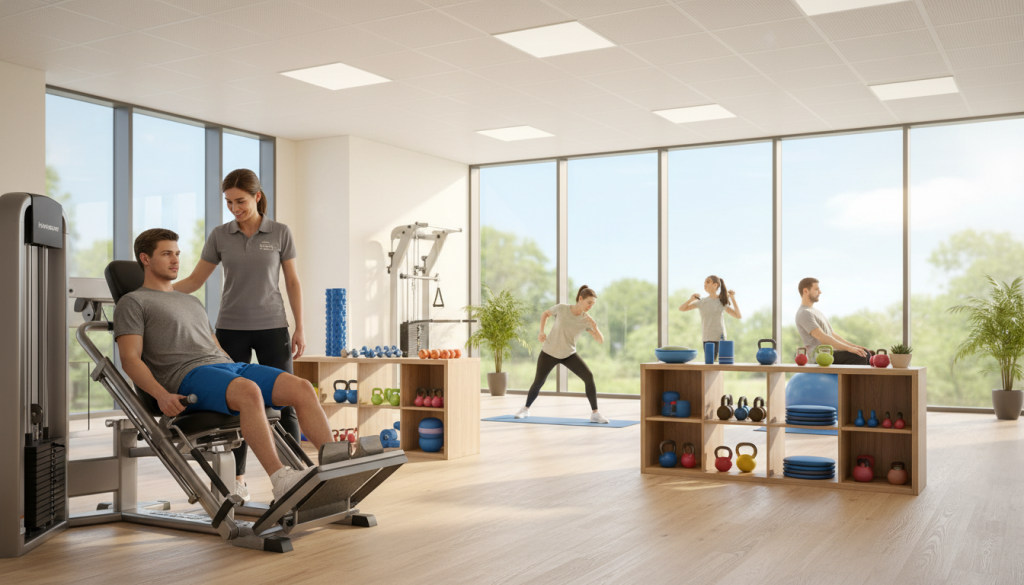
Experts say that having skilled staff is as important as the technology. We think that combining great doctors with the latest rehabilitation treatment makes a better healing place. This mix helps athletes stay healthy and mobile for a long time.
The table below shows how modern clinics differ from old physical therapy places:
| Feature | Traditional Therapy | Specialized Clinic |
|---|---|---|
| Technology Integration | Basic Equipment | Advanced Robotics |
| Care Customization | Standardized Protocols | Data-Driven Personalization |
| Staff Expertise | General Practitioners | Specialized Sports Experts |
| Recovery Focus | Symptom Management | Functional Performance |
The rise of these clinics shows our dedication to better healthcare. By using innovative solutions, we give athletes and active people the top rehabilitation treatment they need. Our ongoing investment keeps us leading in medical recovery.
Empowering Athletes Through Informed Recovery Choices
Athletes today have more control over their health than ever. Making smart choices about recovery helps them reach their health goals. We provide the evidence-based resources they need for these important decisions.
Thanks to modern medicine, athletes can get back to their best. Choosing clinics that use data and non-invasive methods leads to better results. Our institution is committed to excellence in orthopedic care.
We support every athlete on their healing path. With access to advanced technology and expert advice, care is better for all. Contact our team to start a plan tailored to your needs.
Your health is a key investment in your future in sports. Rely on proven methods to protect your body and improve your physical stability. We’re here to help you safely return to the activities you love!
FAQ
Q: Why is there a growing shift toward specialized sports injury treatment in the United States?
A: The American healthcare system is changing. It now focuses on long-term health over quick fixes. Places like the Mayo Clinic and Cleveland Clinic lead this change. They use advanced physiotherapy and strict safety rules for better patient care.
Q: How does medical technology improve the precision of modern rehabilitation treatment?
A: Medical technology like GE Healthcare imaging and robots helps doctors see how bodies heal. This tech lets them adjust treatments based on real-time data. So, each treatment fits the patient’s exact needs.
Q: What are the primary benefits of orthopedic rehab for improving patient mobility?
A: Orthopedic rehab uses special plans and exercises for joint and muscle problems. Tools like AlterG Treadmills help patients move better. These methods help patients move without stressing their healing tissues.
Q: Why is balance therapy considered essential for long-term athletic stability?
A: Balance therapy helps athletes regain their balance and muscle control after injuries. It focuses on keeping the core strong and improving spatial awareness. This helps athletes stay safe and perform at their best.
Q: Can the principles of sports injury management be applied to stroke recovery?
A: Yes, the same ideas used in sports rehab can help stroke patients. The same rehab technology used for athletes is used for stroke recovery. It helps patients regain control and independence through proven methods.
Q: How do personalized care plans impact the psychological recovery of a patient?
A: Personalized care plans make patients feel more in control. By tracking progress, patients see their improvement. This makes them more likely to stick with their treatment plans.
Q: What role does early intervention play in the prognosis of sports injuries?
A: Early treatment is key to avoiding long-term problems. Starting treatment quickly helps manage injuries without surgery. This approach keeps the body healthy and prepares for the future.
Q: How do non-invasive rehabilitation techniques compare to surgical interventions?
A: Orthopedic rehab and rehab technology are often as good as surgery for many injuries. They offer effective, non-surgical options. This approach focuses on patient care and long-term health.
Q: How can patients ensure their insurance covers advanced rehabilitation services?
A: Understanding insurance rules is important. Our teams work with UnitedHealthcare and Blue Cross Blue Shield to help patients get the care they need. We aim to make top-notch care available to everyone.