




Understanding the American healthcare system can be tough. Patients often struggle to find the right treatment for nerve issues in their spine. Establishing trust is key as we help you make these important choices.
We are committed to giving evidence-based care that’s top-notch. We think being open is the first step to a successful recovery for everyone.
We mix the latest sports injury treatment methods with sciatica treatment plans that focus on you. Our goal is to use new tech and caring support to help you make smart health choices.
Key Takeaways
- Prioritize evidence-based medical protocols for spinal health.
- Evaluate institutional transparency when selecting a care provider.
- Understand the benefits of integrating specialized recovery strategies.
- Focus on patient-centered care to improve long-term outcomes.
- Leverage advanced technology for more effective pain management.
Understanding the Root Causes of Sciatica Pain
Many people feel pain in their legs because of changes in their spine. Sciatica is a sign of a problem with the sciatic nerve. When this nerve gets hurt or pinched, it causes pain that goes from the lower back to the legs.
Often, the pain comes from problems in the spine. A herniated disc is a common cause. This happens when the soft part of a spinal disc leaks out through a tear. This can press on the nerve roots, causing a lot of pain and swelling.
Spinal stenosis is another common cause. It happens when the spinal canal gets smaller, putting pressure on the nerves. As we get older, our spines can wear down, leading to bone spurs or thickened ligaments. These changes can cause long-lasting musculoskeletal pain that needs medical help.
Finding the cause of sciatica early is key to stopping the pain from getting worse. Our doctors use special tests to find where the nerve is being squeezed. This helps them give the right treatment, which is important for keeping the spine healthy and improving life quality.
| Condition | Primary Mechanism | Common Symptom |
|---|---|---|
| Herniated Disc | Disc material protrusion | Sharp, shooting pain |
| Spinal Stenosis | Narrowing of spinal canal | Numbness and weakness |
| Spondylolisthesis | Vertebral slippage | Lower back instability |
| Piriformis Syndrome | Muscle compression | Deep gluteal discomfort |
Evaluating Conservative Approaches to Sciatica Relief
We focus on non-invasive methods to treat sciatica. We see these as the primary line of defense against pain. This helps patients avoid surgery.
We create detailed care plans to fight inflammation and improve movement. These plans include physical therapy, changing how you move, and special exercises. Consistency is key for lasting results.
We aim to provide lasting healthcare solutions that let the body heal naturally. Our teams watch progress closely to make sure each step helps the patient’s goals. This patient-centered approach leads to better results and less risk of surgery.
The table below shows the main parts of our plan for spinal health:
| Intervention Type | Primary Objective | Expected Outcome |
|---|---|---|
| Physical Therapy | Improve mobility | Increased range of motion |
| Inflammation Control | Reduce nerve irritation | Decreased acute pain |
| Ergonomic Education | Prevent recurrence | Sustainable spinal health |
We use these proven methods to help patients take charge of their recovery. We think informed, conservative care is the best way to achieve lasting health. Our commitment to excellence means every patient gets the support they need to improve their life.
Integrating Sports Injury Treatment into Sciatica Recovery
High-performance recovery strategies, once for pro athletes, now help sciatica patients. By using sports medicine in spinal rehab, we speed up recovery. This method focuses on fixing function with precise, evidence-based movements.
Our team uses sports injury treatment to fix biomechanical imbalances that worsen nerve pain. We aim to give each patient top-notch care, like elite athletes get. Your recovery plan will focus on strength, flexibility, and biomechanical optimization.
These advanced methods help us go beyond just treating symptoms. By applying sports medicine principles, patients can live more active lives. Our goal is to make your spine strong for daily life through structured, high-performance rehab.
| Recovery Focus | Traditional Approach | Sports-Informed Approach |
|---|---|---|
| Primary Goal | Pain Reduction | Functional Optimization |
| Movement | Restricted Activity | Controlled Loading |
| Outcome | Symptom Relief | Long-term Resilience |
We focus on sports injury treatment for lasting, complete recovery. By treating the body as a kinetic chain, we tackle discomfort’s root causes. This proactive strategy lets you enjoy your favorite activities with better physical mechanics and lasting spinal health.
The Role of Orthopedic Recovery in Long-Term Spine Health
Keeping the spine healthy for the long term requires a focused approach to orthopedic recovery. We concentrate on the spine’s mechanics to keep it strong. This helps the body fight off the effects of aging.
We offer detailed bone and joint care to strengthen the body’s base. We think early action is key to stopping spinal problems later. Our plans are tailored to meet each patient’s needs, helping them stay mobile for life.
Good orthopedic recovery needs both expert advice and patient effort. We encourage active health care to help everyone stay well. By using the latest tests and rehab, we keep the spine stable.
The table below shows the main parts of our bone and joint care plan. It helps keep our patients’ spines healthy for a long time.
| Focus Area | Primary Objective | Expected Outcome |
|---|---|---|
| Structural Stability | Core muscle strengthening | Reduced spinal load |
| Joint Mobility | Range of motion therapy | Improved daily function |
| Preventive Care | Degeneration monitoring | Long-term wellness |
We always work to improve our care. We focus on sustainable healthcare habits to help patients manage their health. This way, the spine stays strong and functional for many years.
Addressing Knee Arthritis and Mobility Improvement
Chronic pain is often linked to knee arthritis and spinal alignment. The way our lower limbs handle impact affects our vertebrae. By improving mobility, we help patients achieve a balanced posture. This reduces strain on the whole musculoskeletal system.
We use advanced tools to spot joint disease early. We know managing it well means more than just easing symptoms. It’s about fixing the structure of the joints. Fixing lower body issues is key to successful spinal recovery.
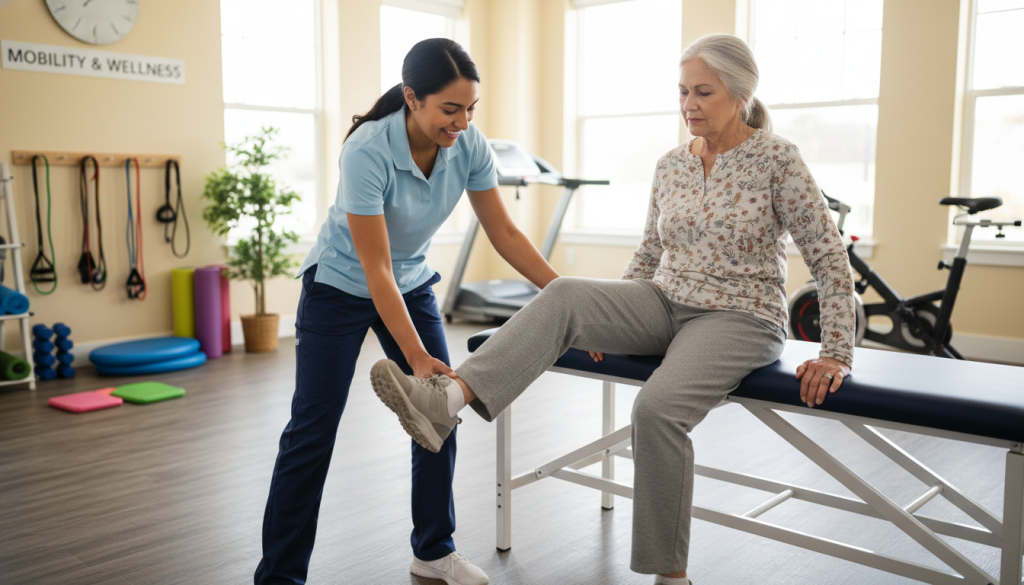
For those needing surgery, our cartilage repair protocols help restore joint function. We combine surgery with non-surgical care, like meniscus surgery, for the best results. This mix of precise medicine and rehab is key to our care approach.
We create special exercise plans for each patient to boost mobility improvement. These exercises strengthen knee muscles, stabilizing the joint and protecting cartilage. Below is a table showing our main strategies for joint health and better physical performance.
| Treatment Phase | Primary Focus | Expected Outcome |
|---|---|---|
| Initial Assessment | Diagnostic Imaging | Accurate Condition Mapping |
| Active Intervention | Cartilage Repair | Restored Joint Integrity |
| Rehabilitation | Targeted Exercises | Enhanced Mobility |
| Maintenance | Lifestyle Integration | Long-term Joint Health |
Comparing Surgical and Non-Surgical Interventions
Choosing the right treatment for sciatica is a big decision. It depends on how severe the symptoms are and what health goals you have. A detailed orthopedic recovery check is key to making this choice.
Non-surgical treatments aim to reduce pain and improve function. They use physical therapy and specific exercises. These are usually the first steps for those with mild symptoms. It’s important to stick with these programs to avoid surgery.
If these methods don’t work, surgery might be needed. Our hospital has advanced surgical rooms for complex spinal problems. We make sure each patient gets a plan that focuses on a safe and quick orthopedic recovery.
The table below shows the main differences between these two treatments. It helps patients understand their options better.
| Feature | Non-Surgical Care | Surgical Intervention |
|---|---|---|
| Primary Goal | Symptom management | Structural correction |
| Recovery Time | Gradual improvement | Structured post-op phase |
| Best For | Mild to moderate pain | Severe, persistent deficits |
| Focus Area | Orthopedic recovery | Spinal decompression |
We aim to offer full care that connects both treatments. By using the latest diagnostic tools and focusing on patient needs, we help people improve their lives. Our team works hard to make sure every treatment is top-notch and supported by our hospital.
The Importance of Arthritis Treatment in Spinal Care
Good spinal care means looking at how joint health affects the whole body. The spine works with the rest of the body, not alone. So, our arthritis treatment aims to tackle inflammation that hurts the spine.
When someone has knee arthritis, their walking changes to avoid pain. This new way of walking puts extra stress on the lower back. This stress can cause long-term back problems like sciatica.
Our team looks at the whole picture to find hidden causes of pain. We add arthritis treatment to our plans to help patients move better. This helps take pressure off the spine and keeps it healthy for longer.
Dealing with knee arthritis is not just about one joint. It’s about keeping the whole body moving well. Our team works together to control all inflammation. This helps keep patients comfortable and healthy for the long term.
Navigating Insurance and Healthcare Excellence in the United States
We make sure our admin processes are clear. This way, every patient gets top-notch bone and joint care without stress. The American healthcare system can be tough to get through because of complex rules and insurance. Our team makes it easier for both local and international patients.
We aim to cut through red tape so you can focus on getting better. We think clinical excellence should go hand in hand with a smooth patient experience. By making paperwork and insurance checks easier, we help you reach your health goals.
Keeping up with bone and joint care standards means we focus on both medical skill and running things well. We’re here to help you understand your insurance and what you’ll pay. This way, your path to health is always clear and easy to follow.
| Service Category | Standard Support | Premium Coordination |
|---|---|---|
| Insurance Verification | Basic Review | Comprehensive Audit |
| Clinical Documentation | Standard Filing | Expedited Processing |
| Bone and Joint Care | General Guidance | Personalized Advocacy |
The Impact of Advanced Technology on Patient Outcomes
The world of spinal health is changing fast thanks to new tech. We use top-notch imaging and robotic tools for recovery. This brings a level of precision we couldn’t reach before. It’s key to our sports medicine and spinal care today.
Our high-resolution imaging lets experts see the spine clearly. This means treatments fit each patient’s body perfectly. Adding robotic-assisted recovery makes physical therapy faster and better.
We’re always looking to improve with new tech, including in sports medicine. These tools help us give top-notch care that meets today’s needs. Here’s how these technologies help patients:
| Technology Type | Primary Benefit | Clinical Application |
|---|---|---|
| High-Resolution Imaging | Diagnostic Precision | Spinal Mapping |
| Robotic-Assisted Tools | Enhanced Recovery | Physical Therapy |
| Digital Analytics | Outcome Tracking | Sports Medicine |
Preparing for the Physical Therapy Journey
Starting your physical therapy journey with a solid plan is key. We see recovery as a team effort, needing clear talk and expert advice. Setting clear goals helps patients feel more confident and focused on their healing.
Our team creates plans that grow with you, ensuring safe and effective progress. We watch your progress closely and adjust exercises as needed. This dynamic approach helps us tackle new challenges as they come up.
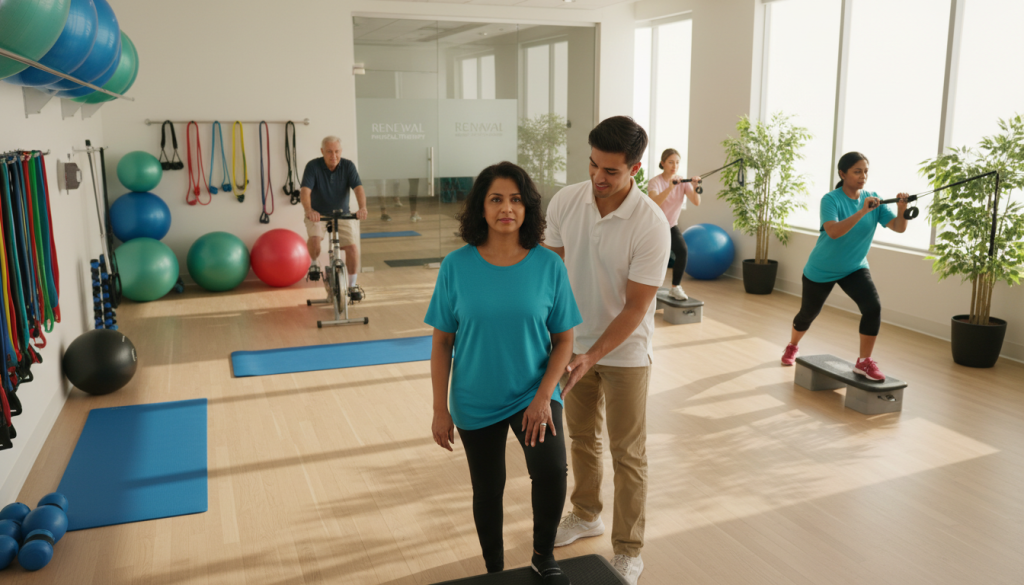
Being active in your physical therapy is essential for success. Doing your home exercises and attending sessions helps you heal faster. We aim to create a supportive space where you feel in control of your health.
Our main goal is to help you maintain long-term spinal health and independence. With physical therapy as part of your routine, you’re building a strong base for a healthier, pain-free life. We’re here to support you every step of the way.
Managing Pain Without Relying Solely on Medication
We focus on fixing the cause of pain, not just treating the symptoms. Our goal is to help patients regain their movement. This way, they can enjoy sustainable long-term health instead of just temporary relief.
Physical therapy is key to our approach. It helps patients strengthen and stretch the right areas. This lets them take back control of their daily lives with confidence.
We also stress the need for ergonomic changes at home and work. Simple adjustments can greatly reduce back strain. These lifestyle modifications are essential for ongoing recovery.
We recommend a mix of physical therapy, mindful movement, and healthy eating. This holistic method helps the body heal naturally. It keeps the body strong and healthy over time. Patients move away from relying on medication and towards a life full of wellness and vitality.
| Strategy | Primary Benefit | Long-term Impact |
|---|---|---|
| Physical Therapy | Restored Mobility | Increased Strength |
| Ergonomics | Reduced Strain | Spinal Protection |
| Lifestyle Changes | Symptom Control | Sustainable Health |
Addressing Psychological Factors in Chronic Pain Management
Chronic pain is a complex issue that affects both the body and mind. When people deal with long-term spinal problems, it can impact their life in many ways. Nurturing the whole person is key to lasting recovery.
We give emotional well-being the same importance as physical health in pain management. Recognizing the mental strain of ongoing pain helps us heal more fully. Resilience is a key component of the recovery journey for every patient we serve.
Our approach to pain management works best when patients have a positive mindset. We help build mental strength to face the long-term treatment challenges. This holistic strategy empowers patients to take an active role in their wellness.
By using advanced medical technology and emotional support, we create a supportive recovery environment. We’re dedicated to building healthcare solutions that focus on emotional and physical harmony. This balanced approach makes our care both effective and compassionate.
Evaluating Success Metrics for Sciatica Treatment
We use strict benchmarks to make sure every patient gets top-notch care. Our sciatica treatment method relies on clear data to track how well patients are doing. This way, we can show how our treatments make a real difference in people’s lives.
We measure success by looking at things like range of motion improvements and lower pain scores. These signs help our doctors tweak treatment plans to fit each patient’s needs better. Also, our cartilage repair programs work hand in hand with spinal care to keep joints healthy and strong over time.
The table below shows the main metrics we watch to check if our treatments work. These standards help us stay focused on quality care and keeping patients safe.
| Metric Category | Primary Indicator | Success Benchmark |
|---|---|---|
| Pain Management | Visual Analog Scale | Reduction of 50% or more |
| Physical Mobility | Range of Motion Testing | Functional restoration |
| Structural Health | Cartilage Repair Status | Tissue regeneration progress |
| Patient Quality | Daily Activity Index | Return to baseline function |
Preventing Recurrence Through Sustainable Healthcare Habits
Keeping your spine healthy is more than just getting better. It’s about making habits that last. By sticking to these habits, you can lower the chance of pain coming back.
Keeping up with arthritis treatment is key. Even when you feel better, regular checks help keep your joints healthy. This keeps your mobility strong, thanks to your hard work in rehab.
It’s important to do exercises that help your spine and muscles. These exercises are not just for fixing problems. They’re also for keeping your spine stable over time. Our team will help you make these exercises a part of your daily life.
Our main goal is to build a strong healthcare system for you. We’re here for you even after you’re done with treatment. We offer arthritis treatment and regular health checks to help you stay healthy for good.
| Focus Area | Active Recovery | Long-Term Maintenance |
|---|---|---|
| Primary Goal | Symptom Reduction | Prevention & Stability |
| Exercise Intensity | Guided Rehabilitation | Consistent Daily Motion |
| Clinical Oversight | Frequent Monitoring | Periodic Wellness Reviews |
| Outcome Focus | Functional Restoration | Sustainable Spinal Health |
Empowering Your Path Toward Lasting Spinal Wellness
Long-term health needs a strong partnership between patients and doctors. Our institution is dedicated to helping everyone achieve lasting mobility improvement. We use evidence-based care and the latest clinical innovations.
We give you the tools and expert advice to handle complex health issues. If you’re dealing with lower back pain, our integrated approach to spinal health can help. We make sure every treatment fits your unique needs.
Our goal goes beyond just treating you. We aim to create eco-friendly healthcare spaces for the future. We build facilities that are safe, top-notch, and ready for generations to come. Your long-term wellness is our main goal.
We encourage you to work with our specialized teams to find recovery plans that fit you. Together, we can build a future filled with energy and better physical health! Our dedication to your health drives our constant pursuit of new technologies worldwide.
FAQ
Q: What factors should international patients consider when selecting sciatica treatment within the United States?
A: Look for places that focus on evidence-based care and are open about their methods. Johns Hopkins Medicine is a top choice. They use advanced sports medicine and focus on the patient to ensure trust and top care.
Q: What are the primary physiological causes of sciatic nerve pain?
A: Sciatica often comes from problems like herniated discs or spinal stenosis. These cause nerve compression. We use GE HealthCare’s high-resolution imaging to find these issues early. This helps prevent chronic symptoms and protects your long-term health.
Q: Are non-invasive interventions effective for achieving sciatica relief?
A: Yes, non-invasive methods are the first step against pain. We use targeted physical therapy to reduce inflammation and improve movement. This approach respects your body’s healing and avoids surgery right away.
Q: How does the integration of sports medicine principles accelerate spinal recovery?
A: Using sports injury treatment techniques, like those from elite organizations, speeds up recovery. These methods focus on strength, flexibility, and biomechanics for better results.
Q: Why is complete orthopedic recovery vital for long-term spine health?
A: Complete orthopedic recovery keeps your musculoskeletal system strong. Our programs stabilize the spine to prevent future problems. This approach promotes proactive health and precise care.
Q: What is the relationship between knee arthritis and spinal health?
A: Knee health and spinal alignment are closely linked. Treating knee arthritis with advanced repair and exercises is key. This improves mobility and supports the whole body through holistic care.
Q: How are patients evaluated for surgical versus non-surgical spinal interventions?
A: Our specialists do a detailed assessment to decide between surgery or non-surgical options. We have top-notch surgical suites and strong non-surgical programs. Each plan is tailored to the patient’s needs.
Q: Why is specialized arthritis treatment included in spinal care protocols?
A: Inflammation from arthritis can worsen spinal issues. We treat arthritis to reduce stress on the spine. This approach improves overall health through teamwork.
Q: How does your institution assist patients in navigating the American healthcare and insurance landscape?
A: We help patients understand the complex healthcare and insurance systems. Our teams make care clear and accessible. This lets patients focus on getting better without worry.
Q: What role does advanced technology play in improving patient outcomes?
A: Advanced tech, like robotic tools and Siemens Healthineers imaging, offers unmatched precision. These tools help us deliver top-notch care that meets modern medicine’s needs and keeps patients safe.
Q: What should I expect during a professional physical therapy journey?
A: You’ll get a detailed physical therapy plan that changes as you progress. Our therapists create personalized plans. This helps you actively participate in your recovery.
Q: Can chronic spinal pain be managed without a heavy reliance on medication?
A: We focus on managing pain through various methods, not just drugs. By combining physical therapy with lifestyle changes, we tackle pain’s root causes. This offers a lasting solution.
Q: How are the psychological dimensions of chronic pain addressed during treatment?
A: We treat chronic pain’s emotional impact. Our care model supports the whole person. This includes psychological support to help you stay positive and recover well.
Q: Which metrics are used to evaluate the success of sciatica treatment and cartilage repair?
A: We measure success by how much you can move, your pain levels, and other clinical markers. Our strict evaluation ensures you get the best care for your spine and cartilage.
Q: How can patients prevent the recurrence of spinal symptoms in the future?
A: Preventing future problems involves making lifestyle changes and maintaining healthcare habits. We stress the importance of ongoing treatment and exercises. This keeps your spinal health strong.
Q: What is the institutional vision for the future of spinal wellness?
A: We aim to lead in spinal wellness by guiding patients to lasting mobility gains. Our goal is to build sustainable healthcare for future generations. We focus on quality and the environment.